Manual de Química provides a comprehensive overview of fundamental chemistry concepts, including atomic structure, chemical kinetics, and reaction mechanisms. Authored by Edivandro Zacarias, H P Enoque Virgílio, and Almodevar Silva, this manual serves as an essential resource for students and professionals in the field of chemistry. It covers key topics such as the principles of uncertainty, formulas for calculations, and the factors influencing reaction rates. Ideal for high school and college students preparing for chemistry exams, this guide includes practical examples and exercises to reinforce learning.

Key Points

  • Explains atomic structure and fundamental chemistry concepts for students.
  • Covers chemical kinetics, including factors affecting reaction rates.
  • Includes practical examples and exercises for effective learning.
  • Discusses the principles of uncertainty and their applications in chemistry.
Dalton Lenda
Author:Edivandro Zacarias, H P Enoque Virgílio, Almodevar Silva
89 pages
Language:Portuguese
Type:Textbook
Dalton Lenda
Author:Edivandro Zacarias, H P Enoque Virgílio, Almodevar Silva
89 pages
Language:Portuguese
Type:Textbook
153
/ 89
[Título do documento]
[Escolher a
data]
HP
[ E s c r e v e r o e n d e r e ç o
d a e m p r e s a ]
[ E s c r e v e r o n ú m e r o d e
t e l e f o n e ]
[ E s c r e v e r o n ú m e r o d e
f a x ]
[ E s c o l h e r a d a t a ]
hp
[Escreva o resumo do documento aqui.
Normalmente, o resumo é um sumário curto do
conteúdo do documento. Escreva o resumo do
documento aqui. Normalmente, o resumo é um
sumário curto do conteúdo do documento.]
MANUAL DE
QUIMICA
Edivandro Zacarias; Enoque Virgílio; Almodevar Silva;
Afonso Eduardo; Dolson Kennedy;Fabio Kerlan;Osvaldo Maiato
Copia não Autorizada é Crime
EDIÇÕES
Manual de Química
Página |2 |
Edivandro Zacarias; Enoque Virgilio E Almodvar Silva.
Índice
Noções Elementares da Estrutura do Átomo .................................................................. 4
Estrutura do Átomo ................................................................................................... 4
Fórmulas de cálculos ................................................................................................. 4
Princípio De Incerteza ................................................................................................... 4
Distribuição Eletnica Em Orbitais .............................................................................. 6
Modelo Atómico ....................................................................................................... 6
Modelo Atômico De Böhr ............................................................................................. 7
Subníveis ...................................................................................................................... 7
Distribuição Eletnica Por Subnível............................................................................. 8
Tabela Periódica ........................................................................................................... 9
Localização Na Tabela Periódica ................................................................................ 11
Propriedades Periódicas E Aperiódicas ....................................................................... 12
Electronegatividade .................................................................................................... 14
Ligações Químicas ...................................................................................................... 16
Ligação Covalente Dativa Ou Coordenada .................................................................. 18
Alguns casos particulares ............................................................................................ 20
Determinação Das Fórmulas Dos Compostos Iônicos.................................................. 20
Fórmulas Químicas ..................................................................................................... 21
Forças Intermoleculares .............................................................................................. 21
Forças de Dispersão (Dipolo Induzido) ....................................................................... 23
Geometria Molecular E Hibridação De Orbitais Amicos .......................................... 23
Hibridação .................................................................................................................. 24
Hibridação Envolvendo Orbitais D.............................................................................. 26
Estequiometria ............................................................................................................ 29
Gravimetria ................................................................................................................. 31
Volumetria .................................................................................................................. 32
Electroquímica ............................................................................................................ 33
Reacções redoxi Comuns ............................................................................................ 34
Deslocamento de Metais ............................................................................................. 35
Balanceamento de Reacções Redox ............................................................................ 35
Células Galvânicas ...................................................................................................... 37
Potenciais Padrão De Redução .................................................................................... 37

Manual de Química
Página |3 |
Edivandro Zacarias; Enoque Virgilio E Almodvar Silva.
Baterias ....................................................................................................................... 40
Pilha seca ................................................................................................................ 40
Eletrólise ................................................................................................................. 40
Cinética química ...................................................................................................... 42
Mecanismo da Reação ............................................................................................. 44
Fatores que Influenciam a Velocidade de Uma Reação ............................................ 45
Equilíbrio Químico ..................................................................................................... 46
Equilíbrio de Solubilidade ........................................................................................... 50
pH de uma solução ...................................................................................................... 53
Produto Iónico da Água .............................................................................................. 53
Nomenclatura dos Compostos Complexos .................................................................. 55
Equilíbrio nas Soluções de Compostos Complexos ..................................................... 56
Química Orgânica ....................................................................................................... 57
Hidrocarbonetos .......................................................................................................... 57
Propriedades Físicas ................................................................................................ 59
Propriedades Químicas ............................................................................................ 60
Fórmula geral: C
n
H
2n
............................................................................................... 60
Nomenclatura ............................................................................................................. 60
Classificação e Nomeclatura ....................................................................................... 64
Acidez dos Ácidos Carboxílicos.................................................................................. 71
Ácidos Dicarboxílicos ................................................................................................. 72
Composição e Hidrólise das Gorduras. Sabões e Detergentes .................................. 73
Ésteres ........................................................................................................................ 75
EXERCĺCIOS ............................................................................................................. 80
/ 89
End of Document
153

FAQs

what is the Manual de Química about

The Manual de Química provides a comprehensive overview of fundamental chemistry concepts.

  • It covers topics such as atomic structure, chemical bonding, and molecular geometry.
  • The book includes practical applications like stoichiometry and electrochemistry.
  • It also features exercises to reinforce understanding and facilitate learning.

what are the key topics in the Manual de Química

The Manual de Química includes several key topics essential for understanding chemistry.

  • Atomic Structure: Discusses the components of atoms and their arrangement.
  • Chemical Bonds: Explains different types of bonds including ionic and covalent bonds.
  • Periodic Table: Covers the organization and significance of elements in the periodic table.
  • Reactions: Details various types of chemical reactions and their mechanisms.
  • Stoichiometry: Focuses on calculations involving reactants and products in chemical reactions.

how to use the Manual de Química for exam preparation

The Manual de Química is an excellent resource for exam preparation in chemistry.

  • Review each chapter thoroughly to understand core concepts and principles.
  • Utilize the exercises at the end of each chapter to test your knowledge and practice problem-solving skills.
  • Focus on key formulas and definitions highlighted throughout the text.
  • Consider forming study groups to discuss complex topics and share insights.
  • Make use of the summary sections to quickly review important information before exams.

what formulas are included in the Manual de Química

The Manual de Química includes a variety of essential formulas used in chemistry.

  • Atomic Mass Formula: A = Z + N, where A is the mass number, Z is the atomic number, and N is the number of neutrons.
  • Molarity Formula: M = moles of solute / liters of solution.
  • Ideal Gas Law: PV = nRT, where P is pressure, V is volume, n is moles, R is the gas constant, and T is temperature.
  • Stoichiometric Calculations: Use ratios from balanced equations to determine quantities of reactants and products.

what are some tips from the Manual de Química for mastering chemistry

The Manual de Química offers several tips for mastering chemistry concepts.

  • Practice regularly: Work through exercises and problems to strengthen your understanding.
  • Visualize concepts: Use diagrams and models to grasp complex structures and reactions.
  • Connect topics: Relate new information to previously learned material to enhance retention.
  • Utilize resources: Take advantage of supplementary materials such as online tutorials and study guides.
  • Stay organized: Keep notes and summaries well-structured for easy review.

how does the Manual de Química explain chemical bonding

The Manual de Química provides an in-depth explanation of chemical bonding.

  • Covalent Bonds: Formed when atoms share electrons, leading to the creation of molecules.
  • Ionic Bonds: Occur when electrons are transferred from one atom to another, resulting in charged ions.
  • Metallic Bonds: Involve a 'sea of electrons' that allows metals to conduct electricity and heat.
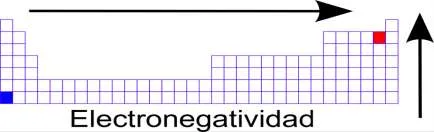
  • The book also discusses bond polarity and the significance of electronegativity in determining bond types.

what exercises are included in the Manual de Química

The Manual de Química includes various exercises designed to reinforce learning.

  • Practice problems at the end of each chapter covering key concepts.
  • Multiple-choice questions to test understanding of definitions and principles.
  • Real-world application scenarios to apply theoretical knowledge.
  • Group exercises to encourage collaborative learning and discussion.

what is the significance of the periodic table in the Manual de Química

The periodic table is a crucial element in the Manual de Química.

  • It organizes elements based on their atomic number and properties.
  • Helps predict chemical behavior and reactivity of elements.
  • Facilitates understanding of trends such as electronegativity, atomic radius, and ionization energy.
  • Provides a framework for studying chemical compounds and reactions.

how does the Manual de Química cover stoichiometry

The Manual de Química covers stoichiometry comprehensively.

  • Introduces the concept of mole ratios derived from balanced chemical equations.
  • Explains calculations for determining reactant and product quantities.
  • Includes examples and practice problems for hands-on learning.
  • Discusses limiting reactants and percent yield to enhance understanding of real-world applications.

what is the focus of the Manual de Química on organic chemistry

The Manual de Química emphasizes key concepts in organic chemistry.

  • Covers the structure and properties of hydrocarbons.
  • Discusses functional groups and their reactivity.
  • Explains nomenclature rules for organic compounds.
  • Includes reactions specific to organic molecules, such as substitution and addition reactions.