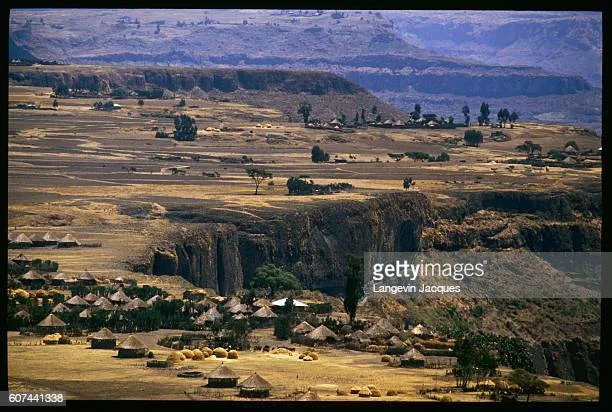
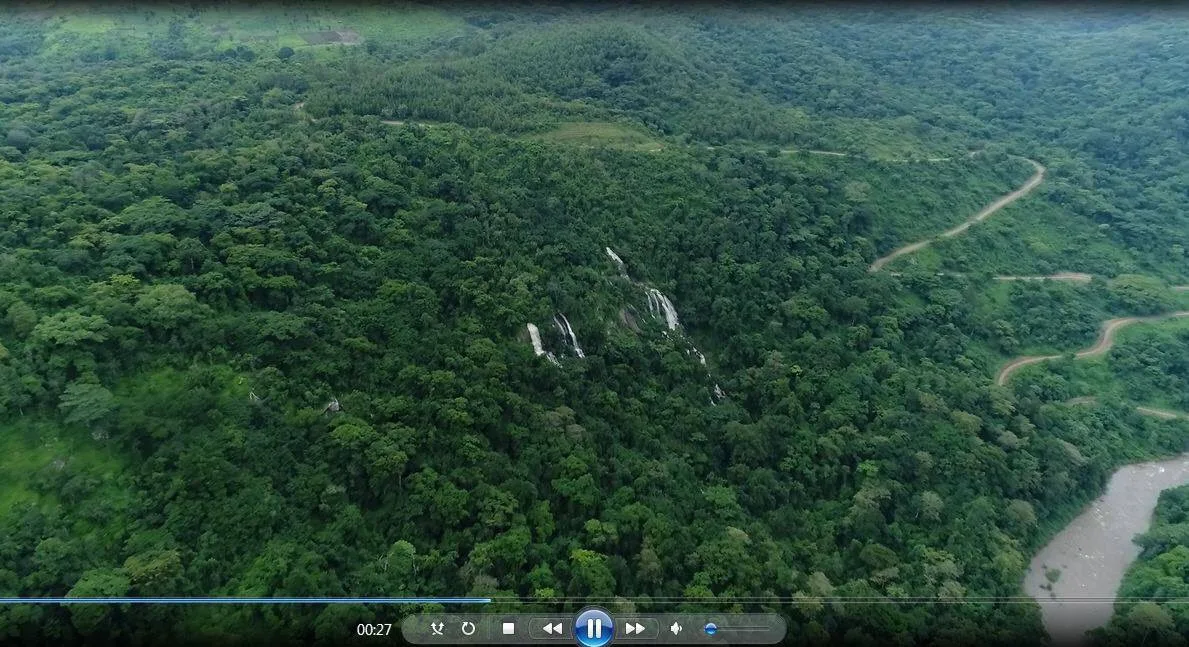
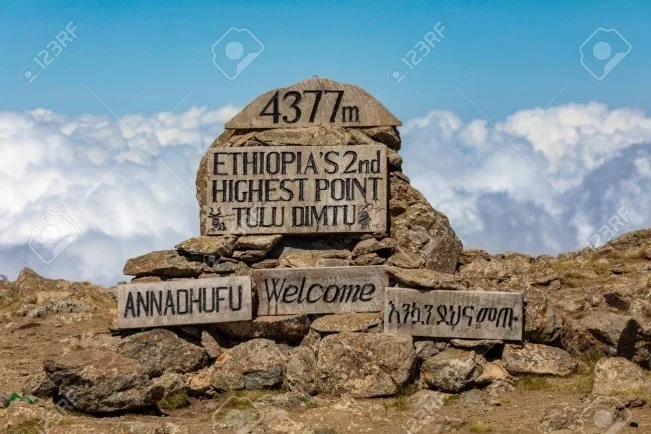
Geography Lecture Notes 1 covers essential topics in geography, focusing on Ethiopia and the Horn of Africa. Key themes include the geology, topography, drainage systems, climate, soils, and wildlife resources of the region. This resource is ideal for students studying geography, providing detailed insights into each chapter’s subject matter. The notes are structured to facilitate understanding of geographical concepts and their applications in real-world scenarios, making them a valuable tool for academic success.

Key Points

  • Explains the geology and topography of Ethiopia and the Horn of Africa
  • Covers drainage systems and water resources in Ethiopia
  • Discusses the climate, soils, and natural vegetation of the region
  • Analyzes wildlife resources and conservation challenges in Ethiopia
Suud Fuad
Author:Goitom Sisay
254 pages
Language:English
Type:Textbook
Suud Fuad
Author:Goitom Sisay
254 pages
Language:English
Type:Textbook
255
/ 254
Course Facilitator: Goitom Sisay (Ph.D)
Contents of the course
Chapter 1- Introduction-geography, Location, Shape & Size, & Basic
Skills of Map Reading
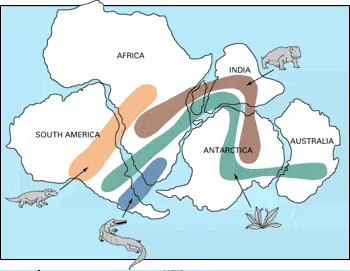
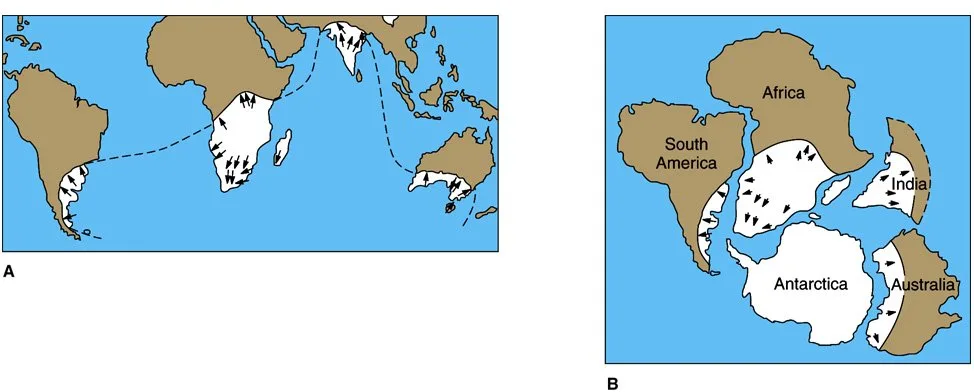
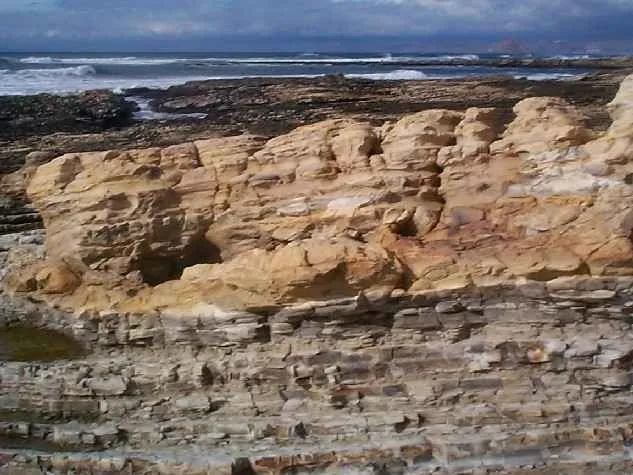
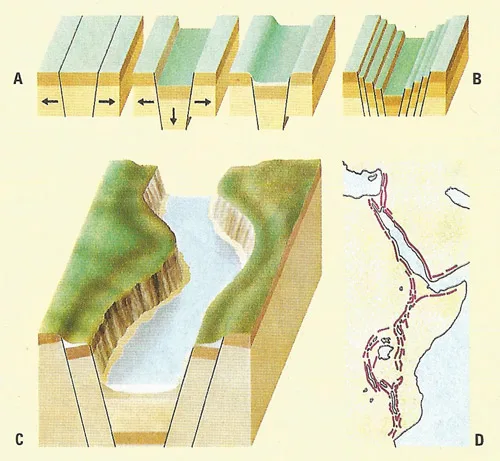
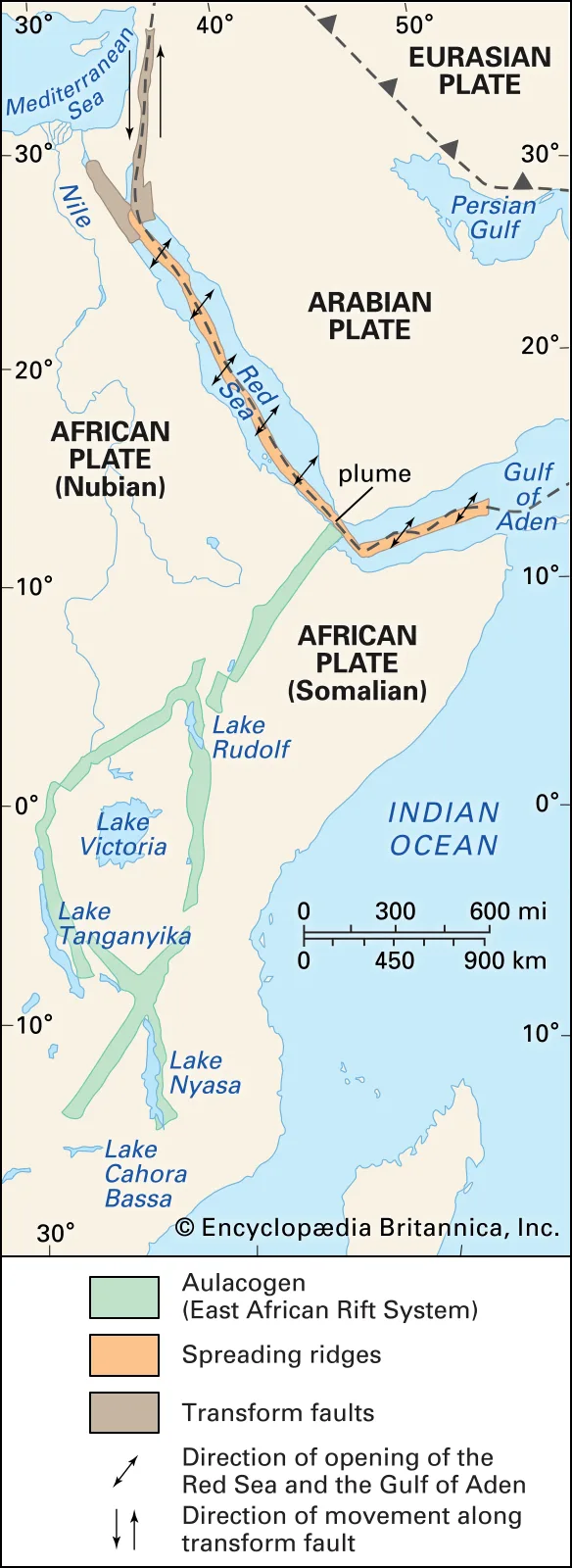
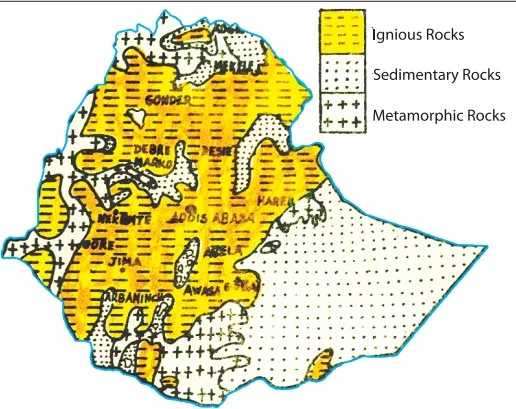
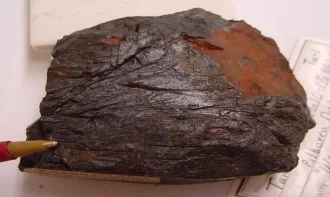
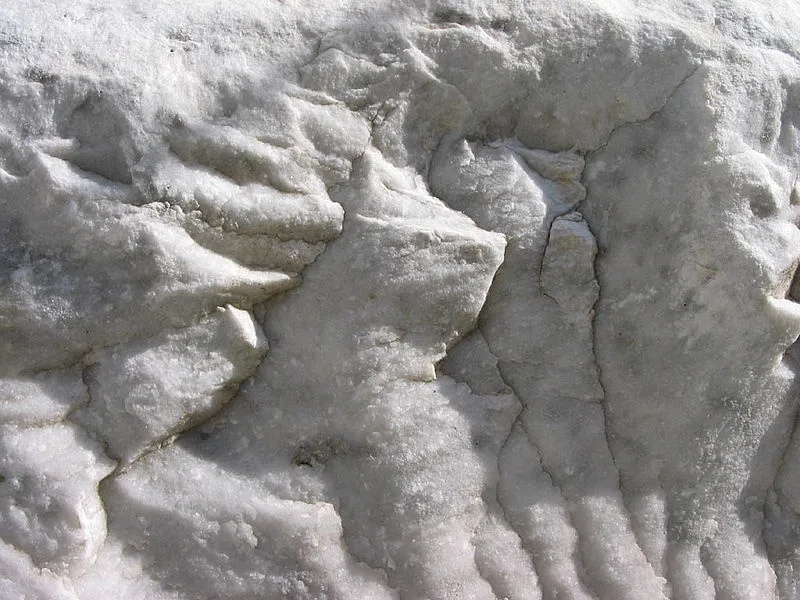
Chapter 2- The Geology of Ethiopia and the Horn
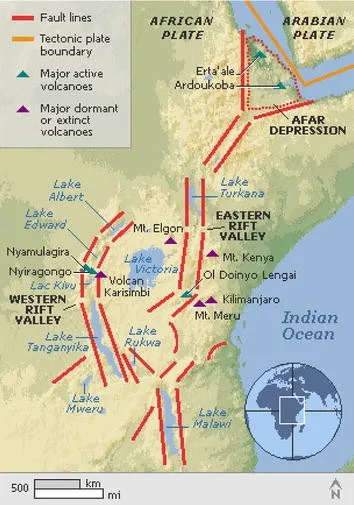
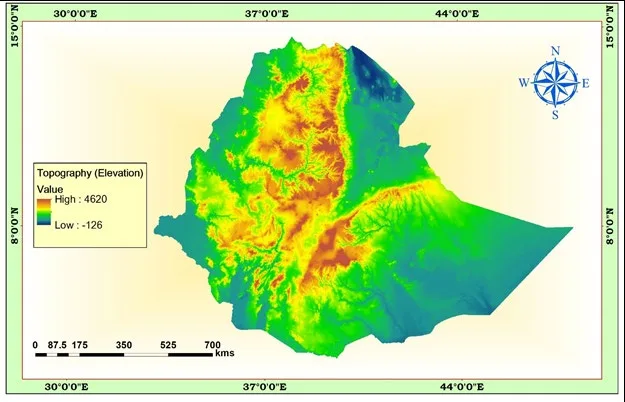
Chapter 3- The Topography of Ethiopia and The Horn
Chapter 4- Drainage Systems & Water Resource of Ethiopia & the Horn
Chapter 5 - The Climate of Ethiopia and The Horn
Chapter 6 - Soils, Natural Vegetation and Wildlife Resources of Ethiopia
and The Horn
Chapter 7 - Population of Ethiopia and the Horn
Chapter 8- Economic Activities In Ethiopia
Meaning of Geography
It is difficult to forward a definition acceptable to all geographers at all times
due to the dynamic nature of the subject and its scope in its long history.
Geography has undergone profound changes in its scope and focus:
In ancient times, geography was considered to be the mother of many other
sciences, including philosophy and the earth sciences.
In the 16
th
century, geography began to emphasize location, focusing on
questions of where, why and what.
In the mid 18
th
century, European geographers, especially Germans,
considered the relationship between geography with philosophy.
This approach caused geography to focus on the relationship between human
and the natural environment.
/ 254
End of Document
255

FAQs

what is geography lecture notes 1 chapters 1–6 about

The Geography Lecture Notes 1: Chapters 1–6 provide a comprehensive overview of fundamental geographical concepts, including the meaning of geography, its scope, approaches, and themes.

  • Chapter 1 introduces the basic skills of map reading and the significance of geography.
  • Chapter 2 covers the geology of Ethiopia and the Horn.
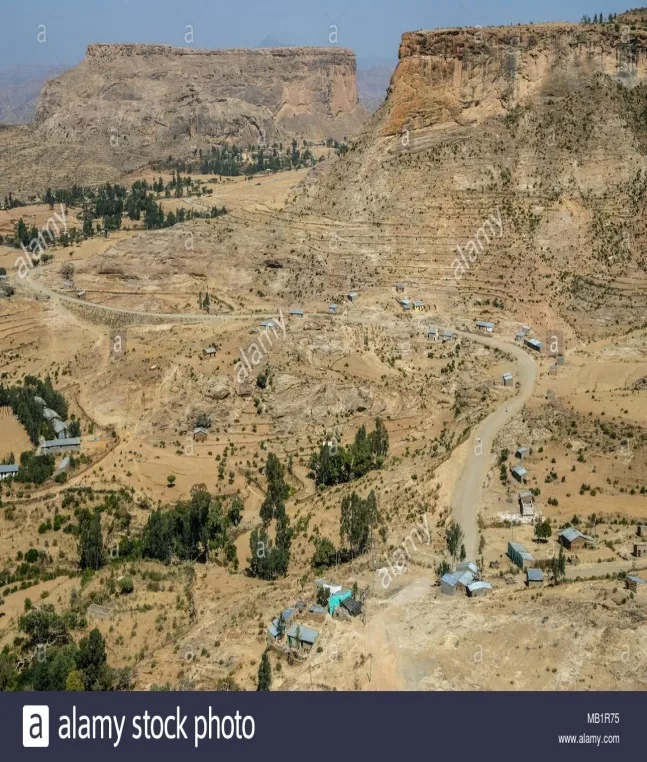
  • Chapter 3 discusses the topography of the region.
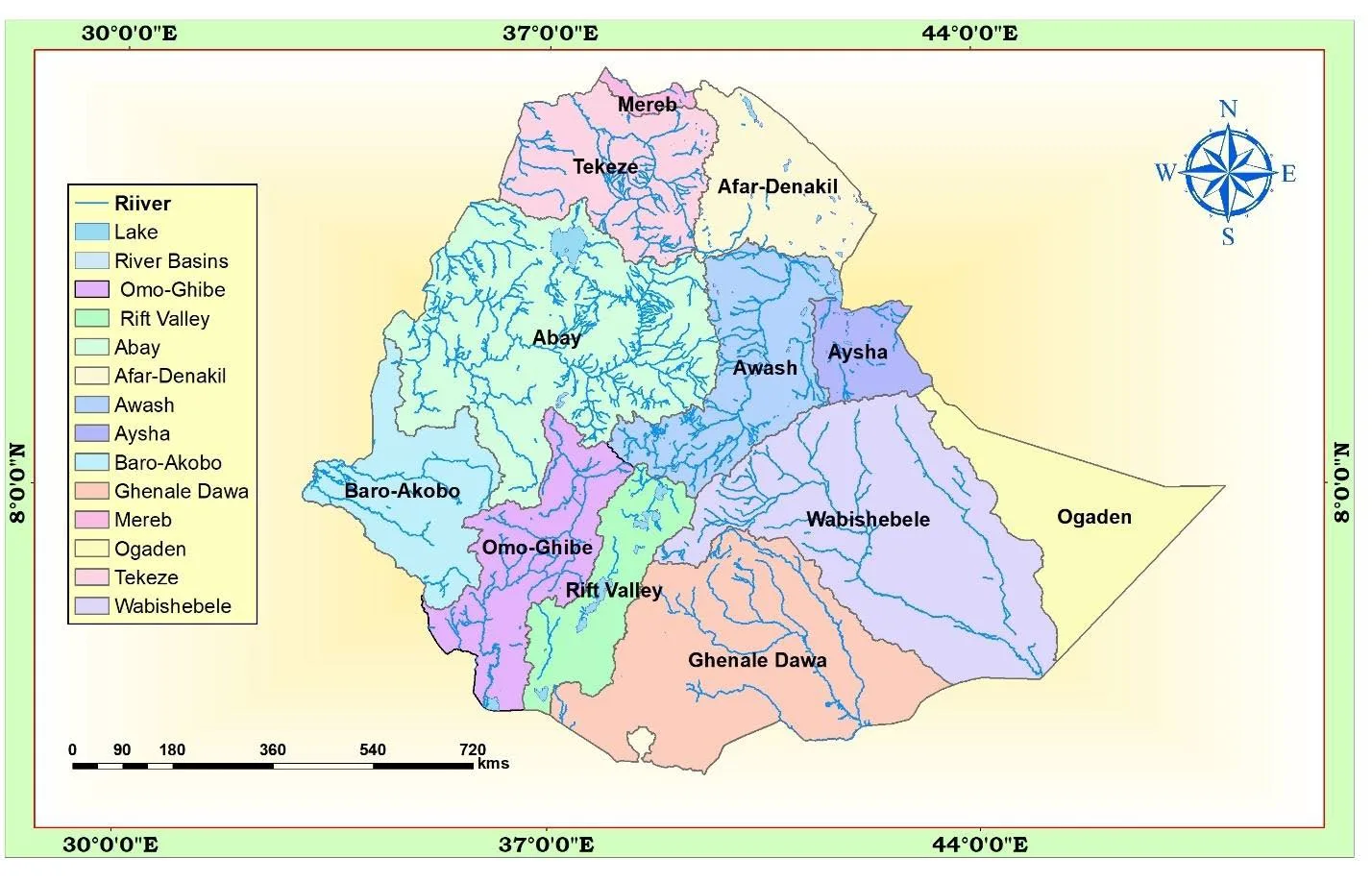
  • Chapter 4 focuses on drainage systems and water resources.
  • Chapter 5 examines the climate of Ethiopia.
  • Chapter 6 explores soils, natural vegetation, and wildlife resources.

what are the themes of geography in lecture notes 1 chapters 1–6

The Geography Lecture Notes 1: Chapters 1–6 outline five basic themes of geography that are essential for understanding the subject.

  • Location: Refers to a specific place or position.

  • Place: Involves the physical and human attributes of a location.
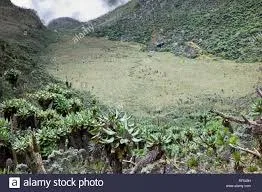
  • Human-Environment Interaction: Examines how humans depend on, adapt to, and modify their environment.
  • Movement: Discusses the translocation of people, goods, and ideas.
  • Region: Defines areas with distinctive characteristics.

how does climate affect geography lecture notes 1 chapters 1–6

The Geography Lecture Notes 1: Chapters 1–6 emphasize the significant impact of climate on geographical features and human activities.

  • Climate influences the types of vegetation and wildlife in different regions.
  • It affects agricultural practices, determining what crops can be grown.
  • Climate variability can lead to extreme weather events, impacting settlement patterns and resource availability.
  • In Ethiopia, the interplay between altitude and climate results in diverse ecological zones.

what is the importance of map reading in geography lecture notes 1 chapters 1–6

Map reading is a crucial skill highlighted in Geography Lecture Notes 1: Chapters 1–6, as it enables individuals to interpret spatial information effectively.

  • Maps provide a visual representation of geographical data, aiding in the understanding of locations and relationships.
  • They are essential for analyzing patterns, distributions, and trends in various geographical contexts.
  • Map reading skills enhance navigation and planning in both academic and real-world applications.

what are the key points of drainage systems in geography lecture notes 1 chapters 1–6

The Geography Lecture Notes 1: Chapters 1–6 detail the significance of drainage systems in understanding geographical and environmental dynamics.

  • Drainage systems consist of rivers and their tributaries, which play a vital role in shaping landscapes.
  • The Western Drainage System is the largest, draining 40% of Ethiopia's area.
  • The Southeastern Drainage System is characterized by rivers like Wabishebelle and Ghenale.
  • The Rift Valley features unique drainage characteristics with limited rainfall and evaporation.

how does altitude affect climate in geography lecture notes 1 chapters 1–6

Altitude significantly influences climate, as discussed in Geography Lecture Notes 1: Chapters 1–6, leading to variations in temperature and precipitation.

  • Higher altitudes generally experience cooler temperatures and increased precipitation.
  • The lapse rate indicates that temperature decreases by approximately 6.5°C for every 1,000 meters of elevation gain.
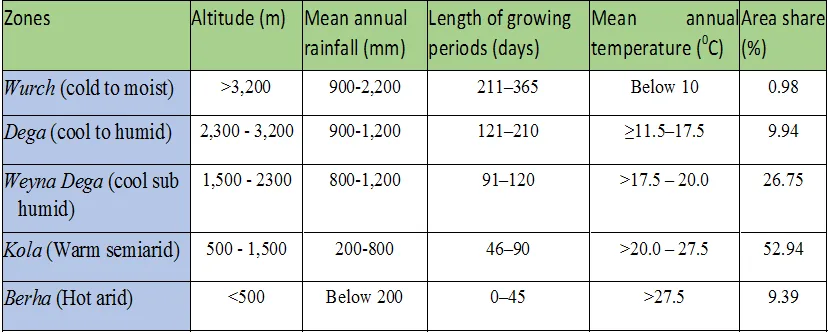
  • Different altitudinal zones in Ethiopia, such as the Wurch and Dega zones, exhibit distinct climatic conditions.

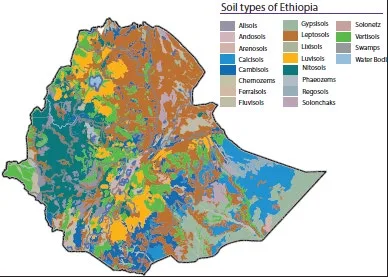
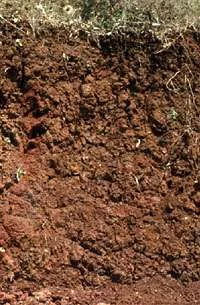
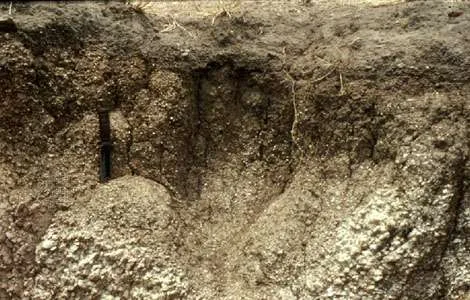
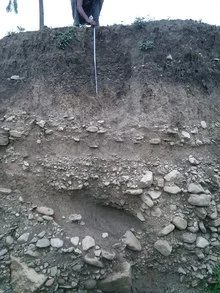
what are the soil types in geography lecture notes 1 chapters 1–6

The Geography Lecture Notes 1: Chapters 1–6 categorize soils into several major types based on their formation and characteristics.

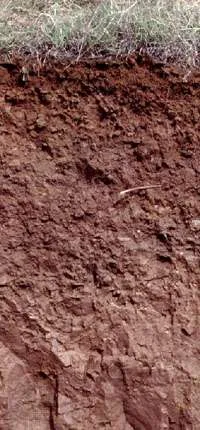
  • Nitosols: Found in high rainfall areas, highly weathered and productive.
  • Vertisols: Heavy clay soils with high fertility, found in volcanic regions.
  • Fluvisols: Developed on alluvial deposits, suitable for agriculture.
  • Acrisols: Poorly fertile soils found in high rainfall areas.
  • Xerosols: Arid soils with high salt content.

what are the major themes of geography in lecture notes 1 chapters 1–6

The Geography Lecture Notes 1: Chapters 1–6 outline several major themes that are fundamental to the study of geography.

  • Location: Refers to the specific position of a place.
  • Place: Describes the physical and human characteristics of a location.
  • Human-Environment Interaction: Examines how humans adapt to and modify their environment.
  • Movement: Discusses the flow of people, goods, and ideas.
  • Region: Defines areas with shared characteristics.