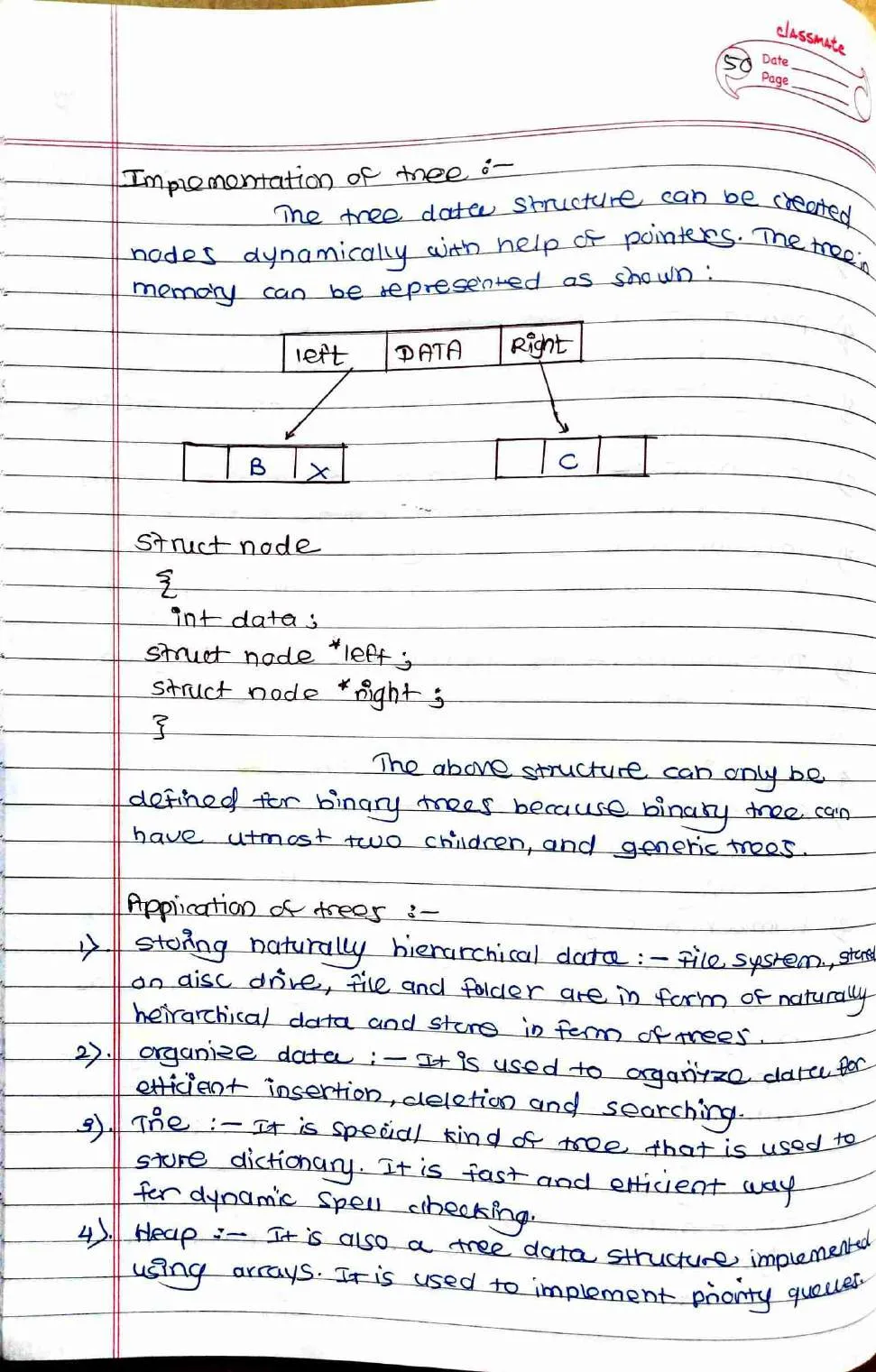
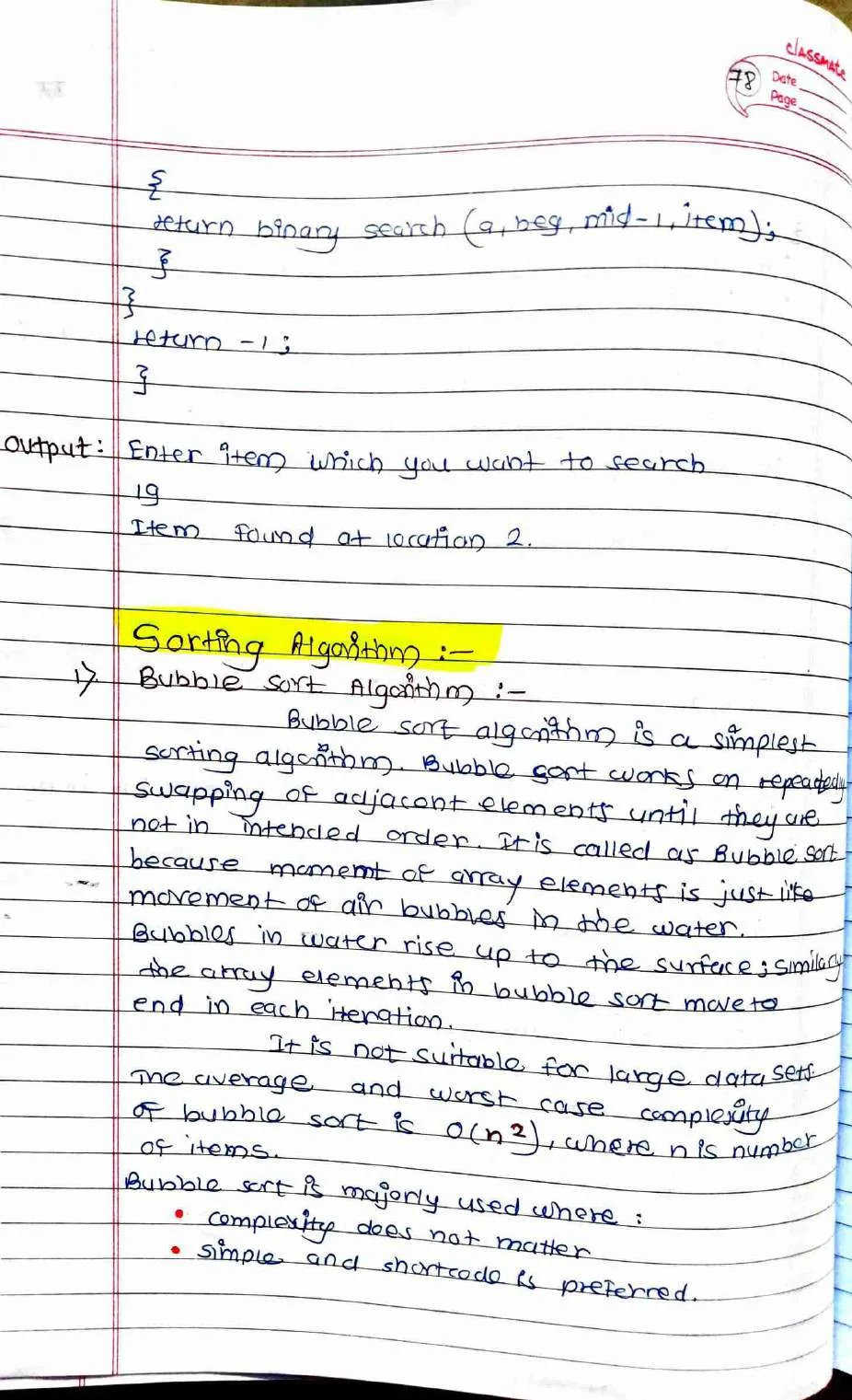
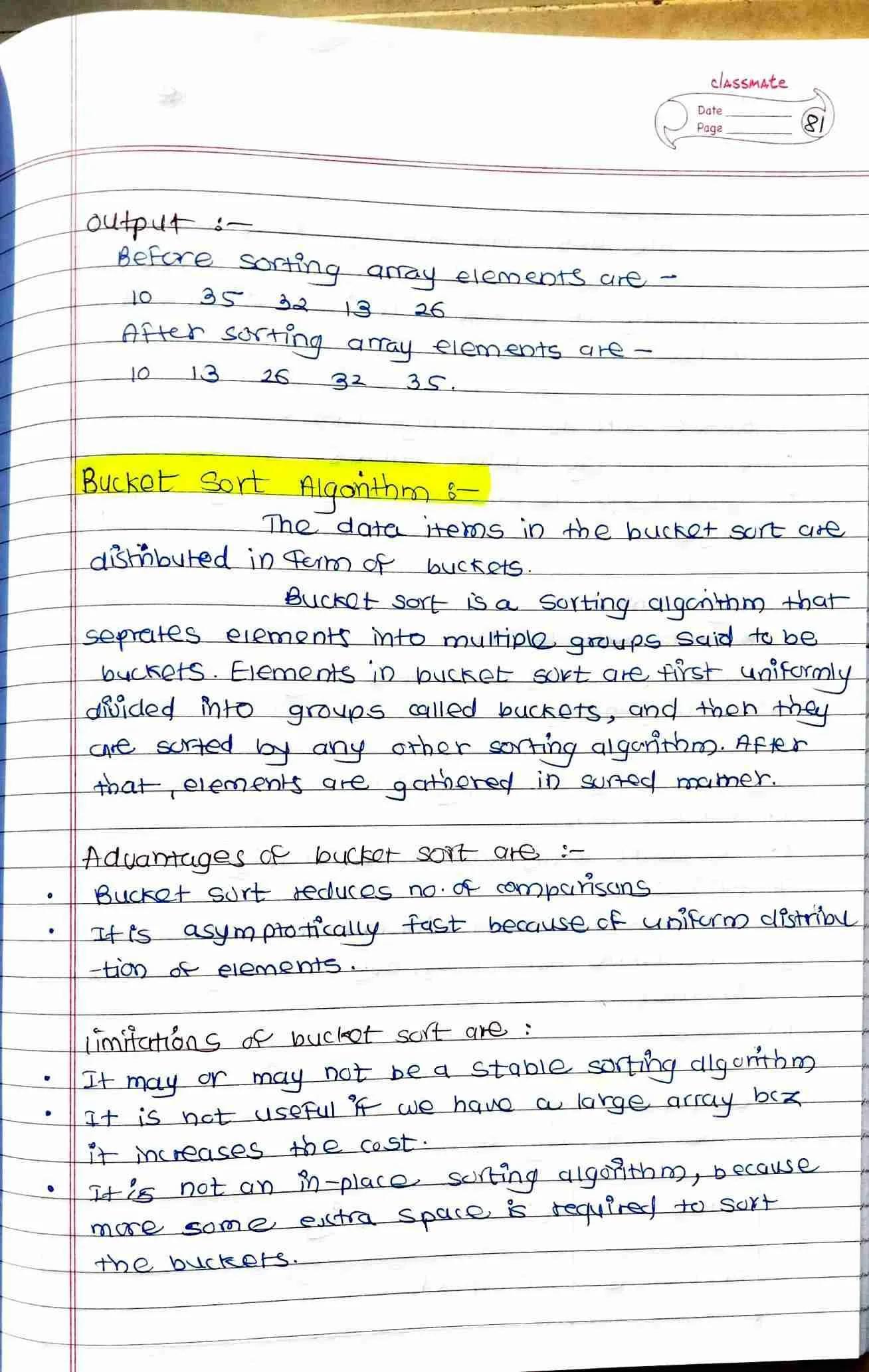
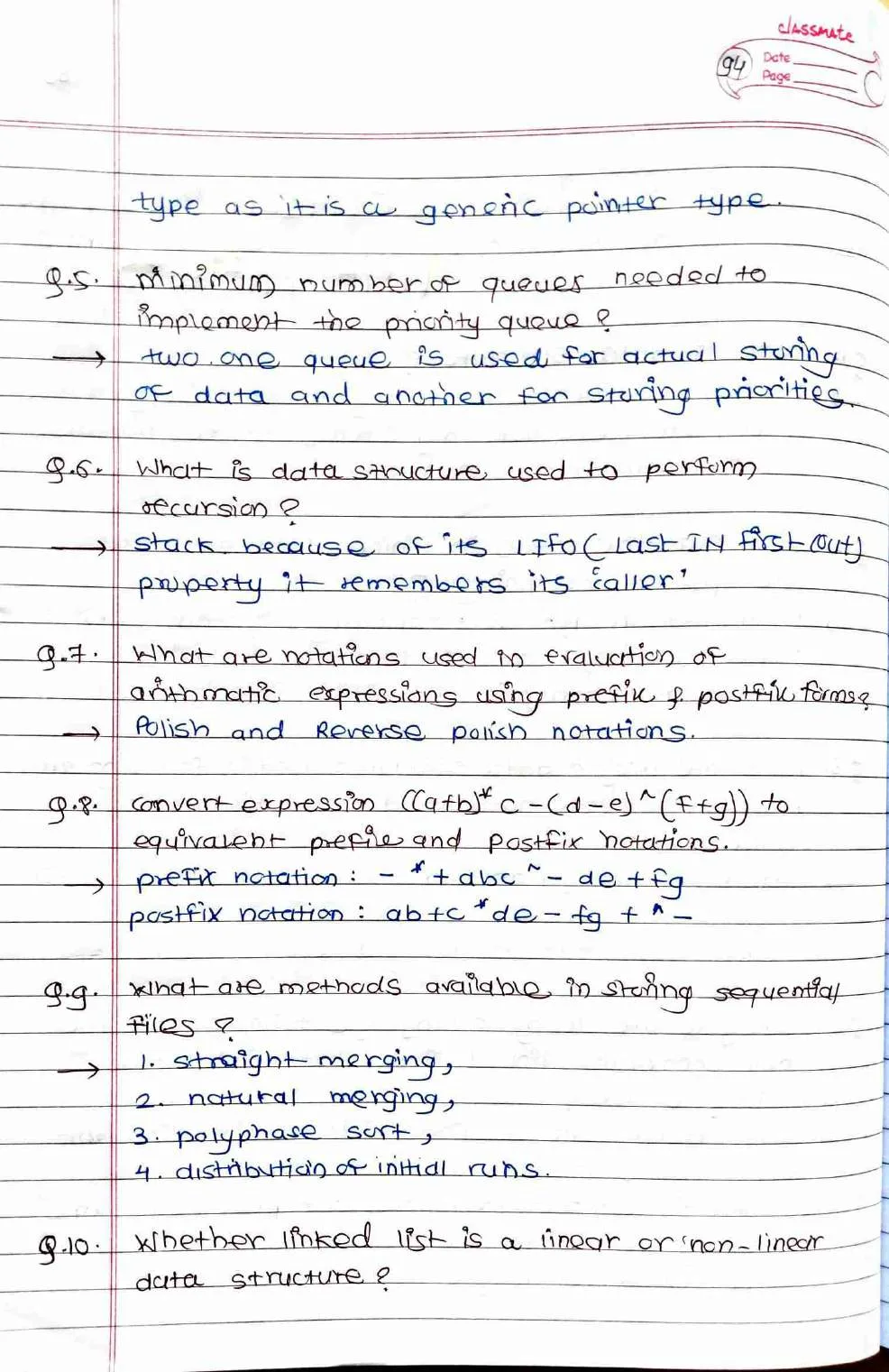
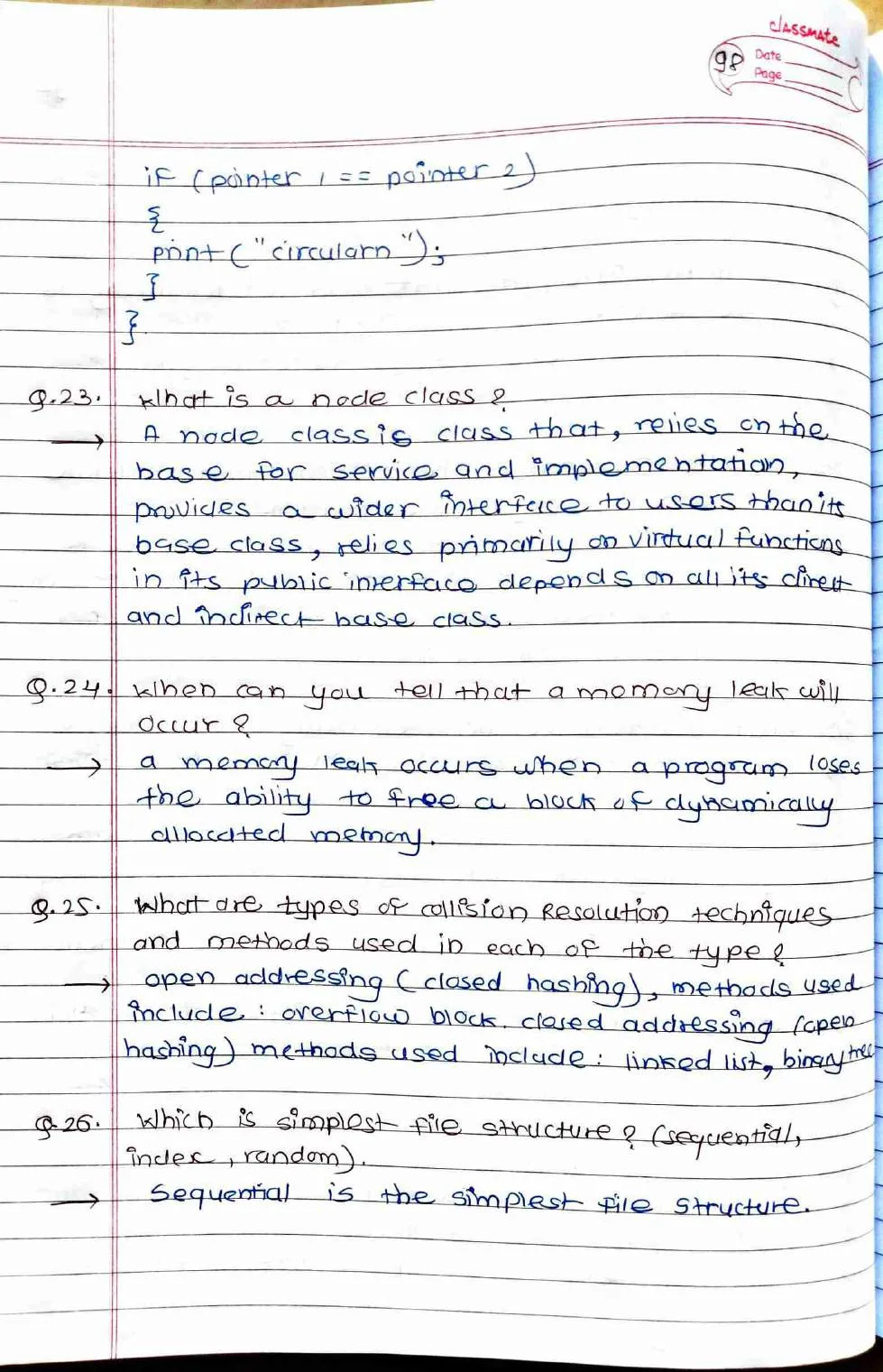
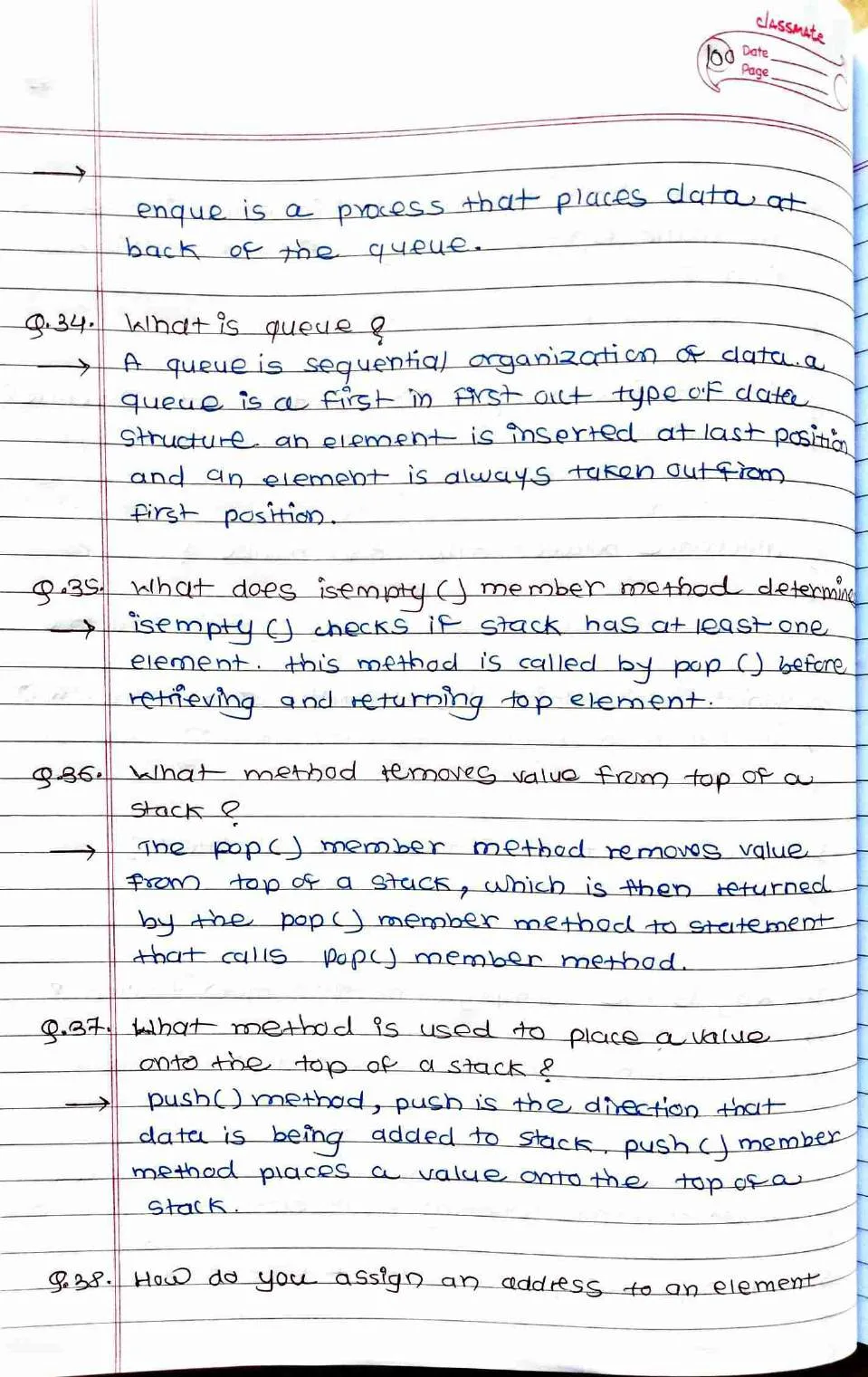
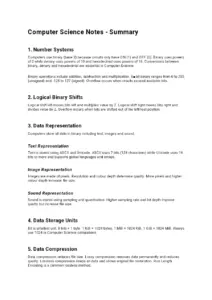
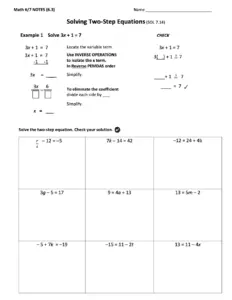
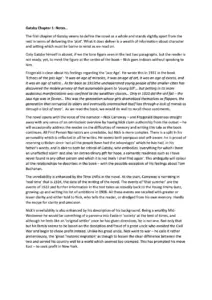
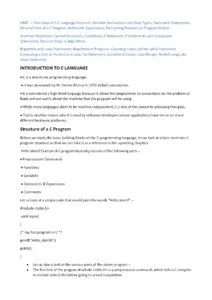
Data Structures and Algorithms Handwritten Notes provide a comprehensive overview of key concepts in data structures, including arrays, linked lists, trees, and graphs. This resource is ideal for students preparing for exams or anyone looking to strengthen their understanding of algorithms and data structures. The notes cover essential topics like sorting algorithms, searching techniques, and asymptotic analysis, making it a valuable study aid for computer science courses. Perfect for learners at all levels, these notes serve as a quick reference guide for important data structure concepts.

Key Points

  • Covers fundamental data structures like arrays, linked lists, and trees
  • Includes detailed explanations of sorting and searching algorithms
  • Discusses asymptotic analysis for algorithm efficiency
  • Ideal for students preparing for computer science exams
Thruptha Rao Lingampally
110 pages
Language:English
Type:Notes
Thruptha Rao Lingampally
110 pages
Language:English
Type:Notes
387
/ 110
DSA
DSA
Complete Notes on
/ 110
End of Document
387

FAQs

what are data structures and algorithms handwritten notes

Data Structures and Algorithms Handwritten Notes provide a comprehensive overview of fundamental concepts in computer science.

  • Data Structures: These are ways to organize and store data for efficient access and modification, including arrays, linked lists, stacks, and queues.
  • Algorithms: These are step-by-step procedures or formulas for solving problems, such as sorting and searching algorithms.
  • Importance: Understanding these concepts is crucial for software development and technical interviews.

how to study data structures and algorithms handwritten notes

Studying Data Structures and Algorithms Handwritten Notes effectively involves several strategies.

  • Active Reading: Read through the notes actively, taking additional notes or highlighting key points.
  • Practice Problems: Implement the data structures and algorithms discussed in the notes through coding exercises.
  • Review Regularly: Regularly revisit the notes to reinforce your understanding and retention of the material.

what topics are covered in data structures and algorithms handwritten notes

Data Structures and Algorithms Handwritten Notes typically cover a wide range of topics essential for mastering the subject.

  • Basic Data Structures: Arrays, Linked Lists, Stacks, Queues, Hash Tables.
  • Advanced Data Structures: Trees, Graphs, Heaps.
  • Algorithms: Sorting algorithms (like Quick Sort and Merge Sort), Searching algorithms (like Binary Search), and Graph algorithms (like Dijkstra's algorithm).

why are data structures and algorithms important

Data Structures and Algorithms are fundamental concepts in computer science that are crucial for efficient programming.

  • Efficiency: They help in optimizing the performance of software applications by reducing time and space complexity.
  • Problem Solving: Mastering these concepts enhances problem-solving skills, which are essential for coding interviews and real-world applications.
  • Foundation for Advanced Topics: They provide a solid foundation for more advanced topics in computer science, such as machine learning and database management.

what are the best practices for learning data structures and algorithms

Learning Data Structures and Algorithms effectively involves several best practices.

  • Understand the Basics: Start with basic concepts before moving on to complex structures and algorithms.
  • Hands-On Practice: Implement data structures and algorithms in a programming language of your choice to solidify your understanding.
  • Use Visual Aids: Diagrams and flowcharts can help visualize how data structures work and how algorithms operate.
  • Join Study Groups: Collaborating with peers can provide different perspectives and enhance learning.

how do data structures and algorithms impact software development

Data Structures and Algorithms significantly impact software development by influencing the efficiency and effectiveness of code.

  • Performance Optimization: Choosing the right data structure can lead to faster execution times and lower memory usage.
  • Scalability: Efficient algorithms enable software to handle larger datasets without performance degradation.
  • Maintainability: Well-structured code is easier to read, understand, and maintain, which is crucial for long-term software projects.