Module1
1.1. Introduction to Data Structures:
Data structure is a representation of logical relationship existing between individual elements of data.
In other words, a data structure defines a way of organizing all data items that considers not only the
elements stored but also their relationship to each other. The term data structure is used to describe
the way data is stored.
To develop a program of an algorithm we should select an appropriate data structure for that
algorithm. Therefore, data structure is represented as: Algorithm + Data structure = Program
A data structure is said to be linear if its elements form a sequence or a linear list. The linear data
structures like an array, stacks, queues and linked lists organize data in linear order. A data structure
is said to be non linear if its elements form a hierarchical classification where, data items appear at
various levels.
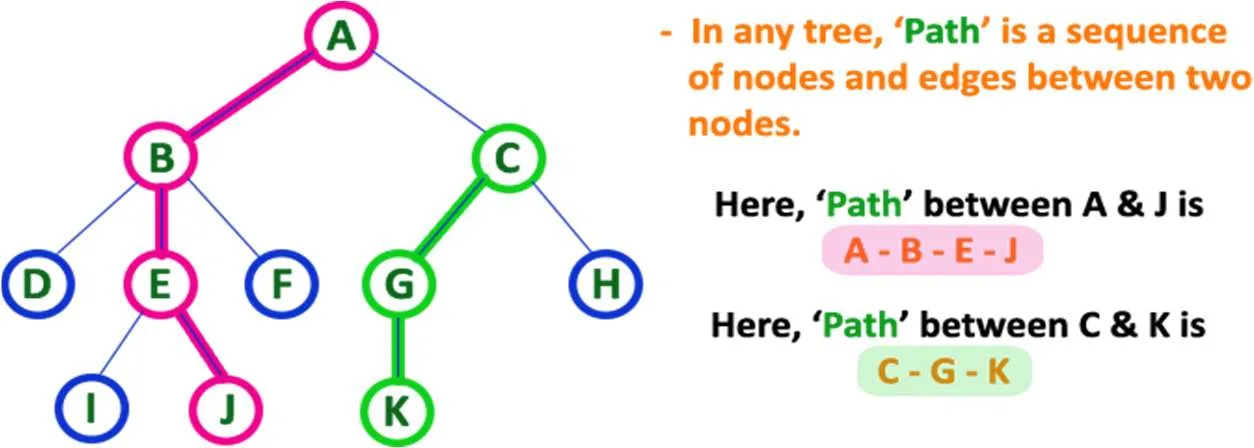
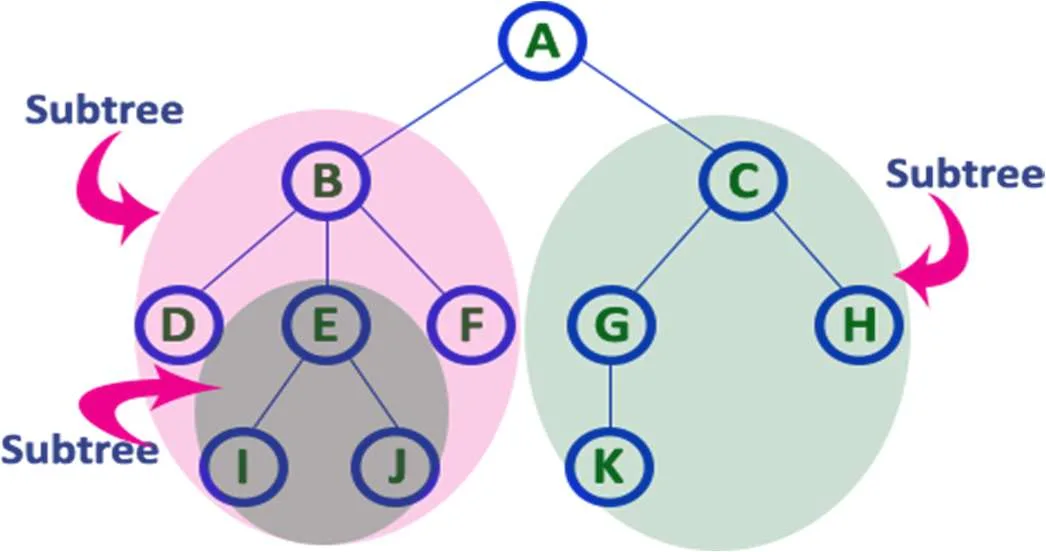
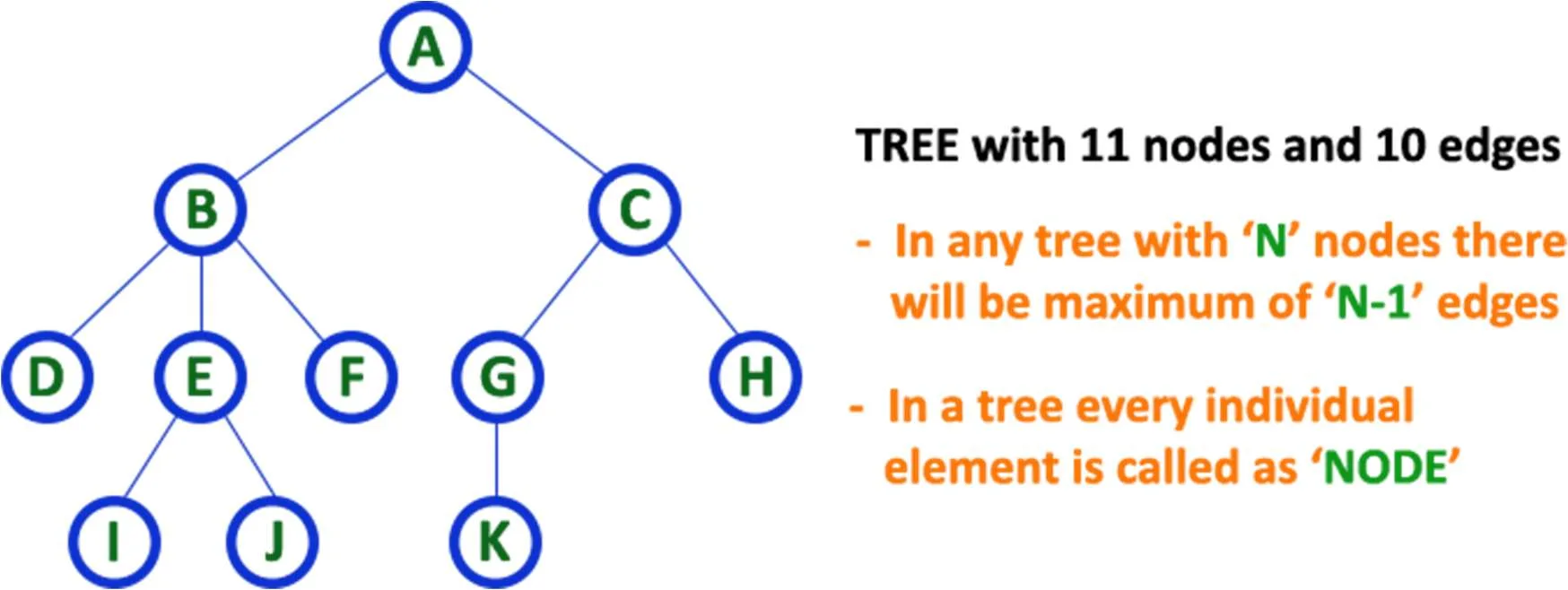
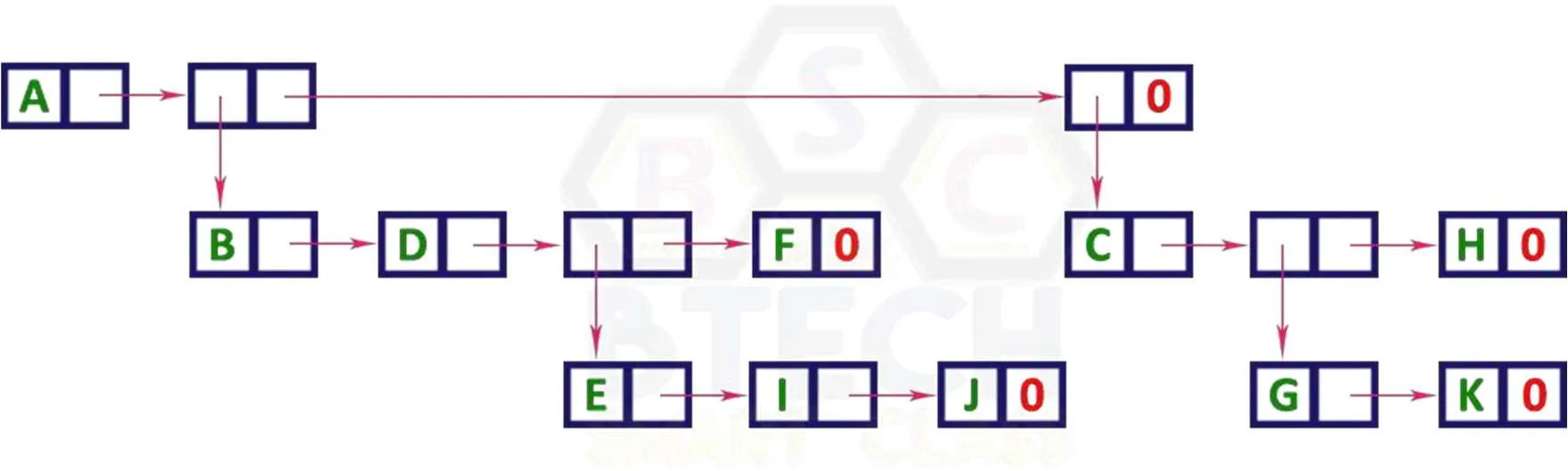
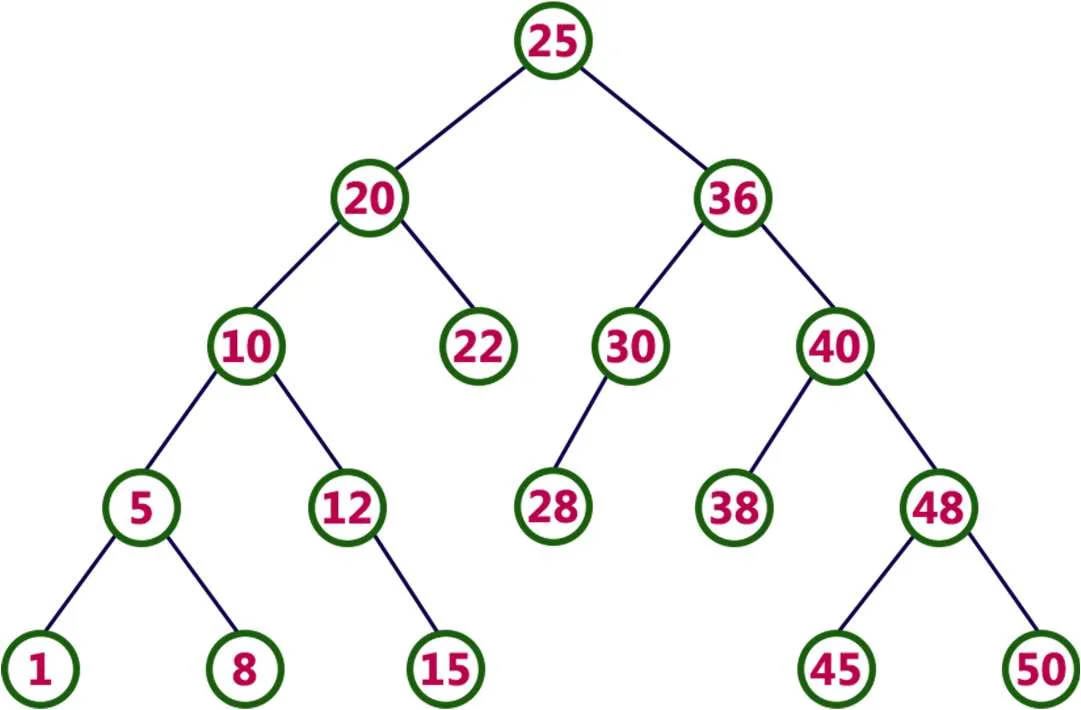
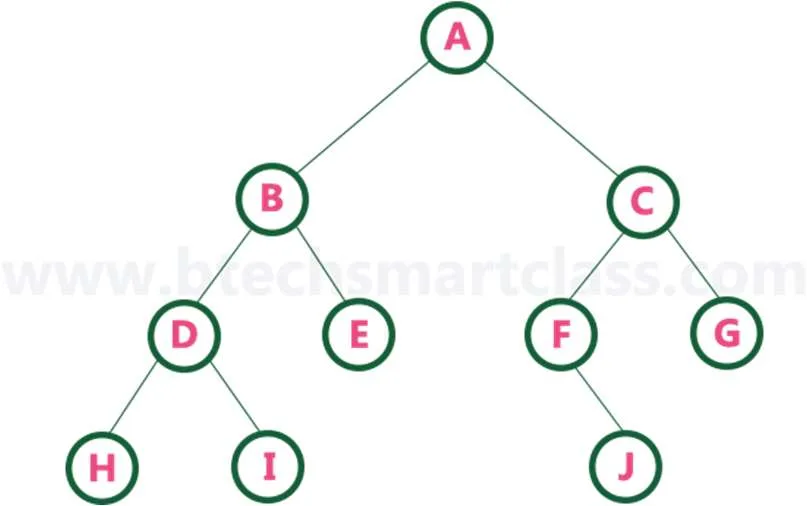
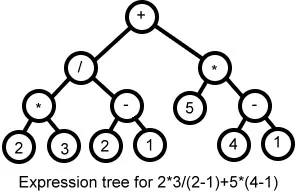
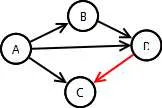
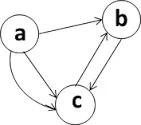
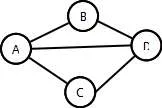
Trees and Graphs are widely used non-linear data structures. Tree and graph structures represent
hierarchical relationship between individual data elements. Graphs are nothing but trees with certain
restrictions removed.
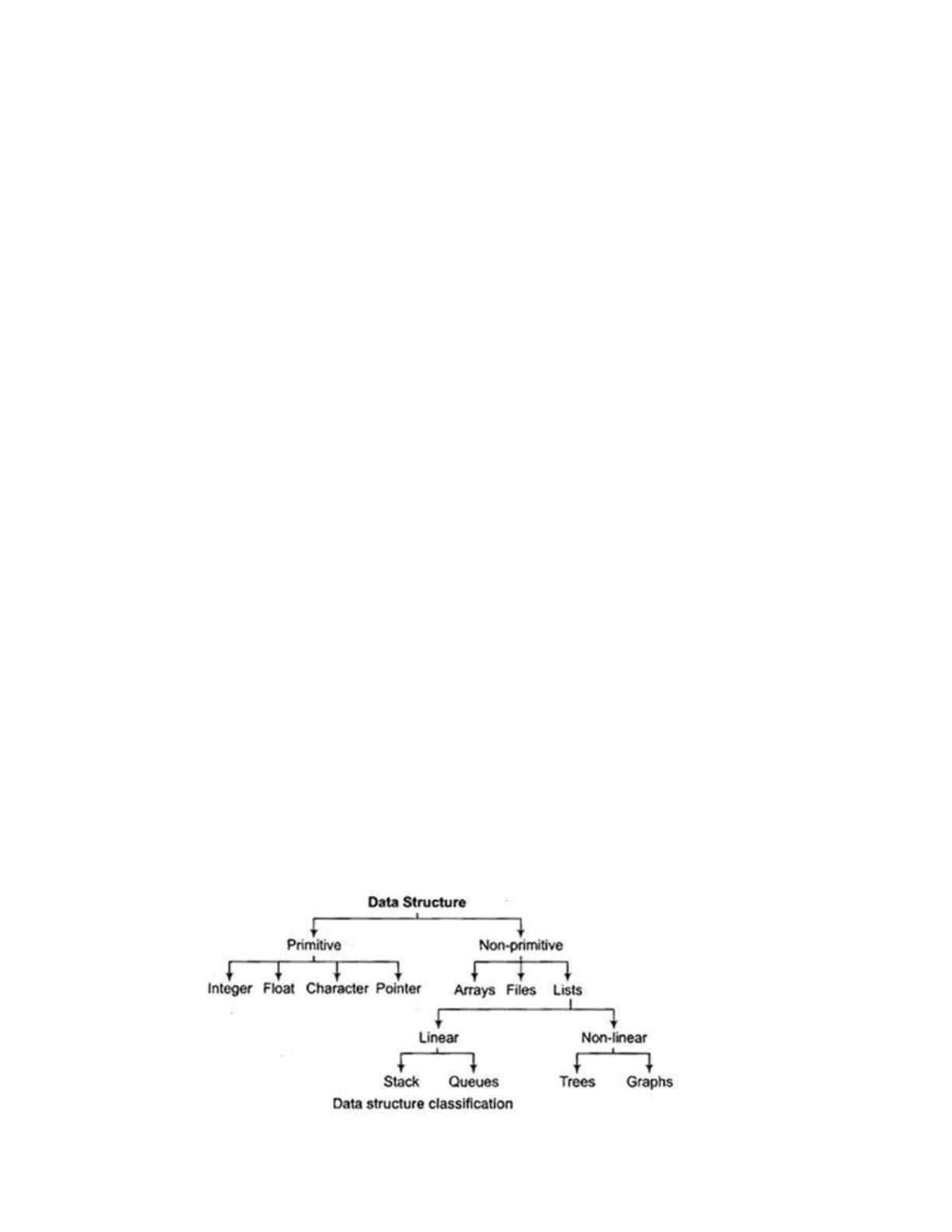
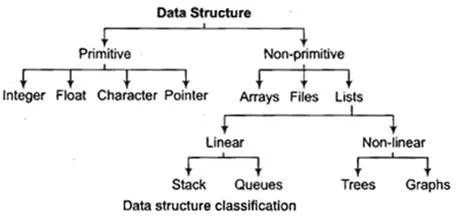
Data structures are divided into two types:
• Primitive data structures.
• Non-primitive data structures.
Primitive Data Structures are the basic data structures that directly operate upon the machine
instructions. They have different representations on different computers. Integers, floating point
numbers, character constants, string constants and pointers come under this category.
Non-primitive data structures are more complicated data structures and are derived from primitive
data structures. They emphasize on grouping same or different data items with relationship between
each data item. Arrays, lists and files come under this category. Figure 1.1 shows the classification of
data structures.





![Array of an element of an array say “A[ I ]” is calculated using the following formula:](https://chesserresources.com/wp-content/uploads/pdf-figures/49456/data-structures-and-algorithms-reema-thareja-figure-2-p3.webp "Array of an element of an array say “A[ I ]” is calculated using the following formula:")