This link leads to an external site. We do not know or endorse its content, and are not responsible for its safety. Click the link to proceed only if you trust this site.
Flow in Soils: Permeability and SeepagePresentation
PDFLecture Notes
Soil Compaction Part IILecture Notes
PDFPresentation
Universal Gravitation – Physics Concepts and ApplicationsPresentation
PDFPresentation
Ethical Principles and Their ApplicationsPresentation
PDFPresentation
Credit Management: Types, Processes, and Best PracticesPresentation
PDFPresentation
Big Data and Cloud Computing ApplicationsPresentation
PDFPresentation
Présenter Un Projet De VoyagePresentation
PDFPresentation
History of Ethiopia and the Horn – Lecture Notes Chapters 1 and 2Presentation
PDFPresentation
Infrared Spectroscopy (IR) – Unit 5Presentation
PDFPresentation
Business Proposal Presentation: Blue Modern DesignPresentation
PDFPresentation
Blue Modern Business Proposal Presentation 20260104 211018Presentation
PDFPresentation
Clinical Toxicology of Alcohol Abuse and Addiction 2025Presentation
FAQs
What are the main objectives of soil stabilization?
The main objectives of soil stabilization include reducing the volume of voids to decrease porosity, filling voids that cannot be eliminated to reduce permeability, and increasing the bonding between grains to enhance mechanical strength. These objectives aim to improve the engineering properties of the soil, making it more stable and durable for various applications.
What procedures are involved in soil stabilization?
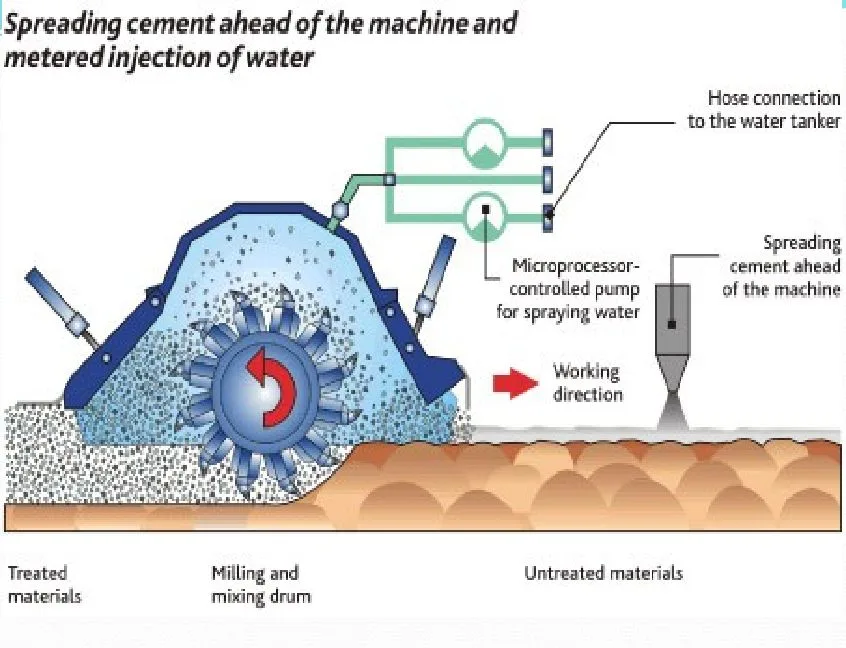
Soil stabilization procedures can be categorized into three main types: mechanical, physical, and chemical. Mechanical stabilization involves compaction to reduce porosity and increase compressibility. Physical stabilization focuses on altering the soil's texture, such as controlled mixing of different grain fractions. Chemical stabilization involves adding materials or chemicals to modify the soil's properties, enhancing its performance in construction.
What types of stabilization methods are discussed in the document?
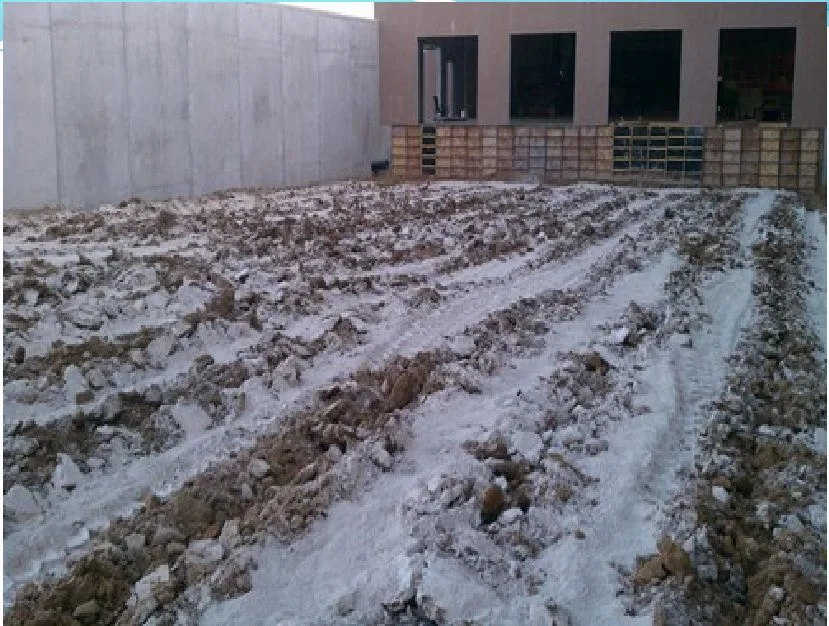
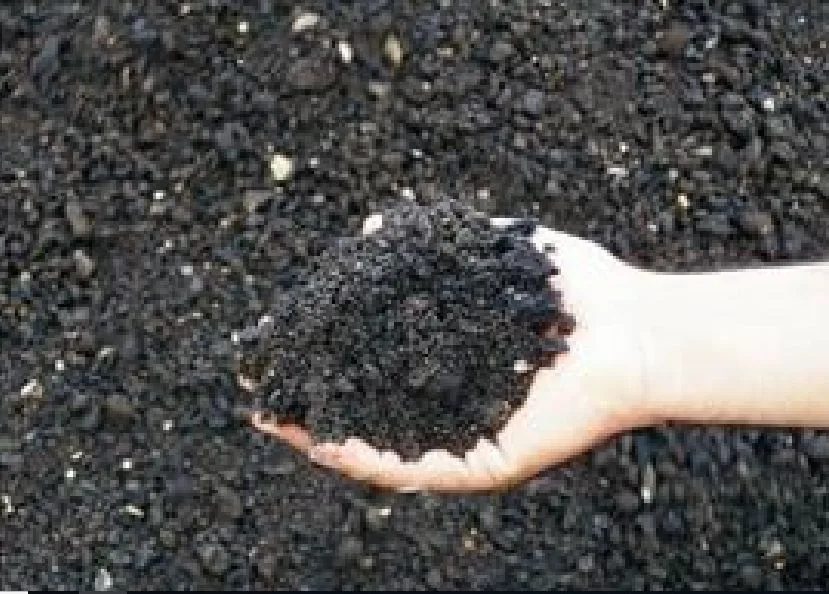
The document discusses several stabilization methods, including mechanical, physical, chemical, and physiochemical stabilization. Mechanical stabilization utilizes equipment like rollers and compactors to improve soil properties. Physical stabilization blends multiple soil types to enhance physical characteristics. Chemical stabilization incorporates substances like cement, lime, and bitumen to alter soil properties, while physiochemical stabilization combines both chemical and physical techniques.
How does lime stabilization work?
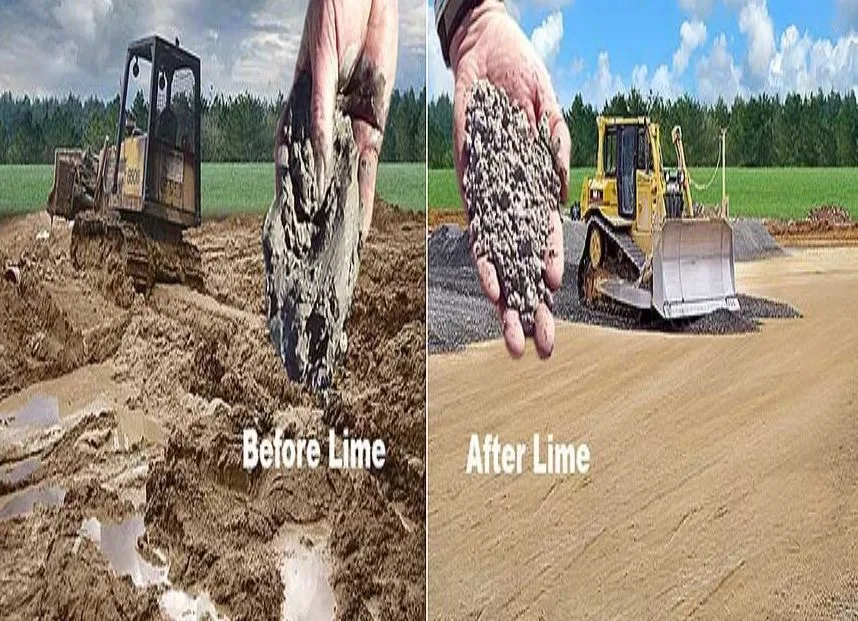
Lime stabilization works by adding lime to soil, which reacts with moisture and alters the soil's characteristics. This process decreases the plasticity of clayey soils, making them more workable and suitable for construction. The amount of lime required typically varies from 2% to 10% of the soil's weight, depending on the soil type. Lime stabilization is particularly effective for improving the strength and durability of clayey soils.
What are the benefits of using chemical stabilization?
Chemical stabilization offers several benefits, including controlled setting and curing times, which can enhance the effectiveness of soil treatment. Chemicals like calcium chloride and sodium silicate can improve soil strength and reduce moisture loss. Additionally, chemical stabilization can help in reducing the tendency for frost heave and improving the overall durability of the soil, making it suitable for various construction applications.
What factors affect mechanical stabilization?
Mechanical stabilization is influenced by several factors, including the mechanical strength of the aggregate used, mineral composition, gradation of the mixed soil, and plasticity characteristics. High-strength aggregates contribute to stability, while the right mineral composition ensures weather resistance. Proper gradation helps fill voids, and the plasticity characteristics of the soil affect its suitability for stabilization methods.