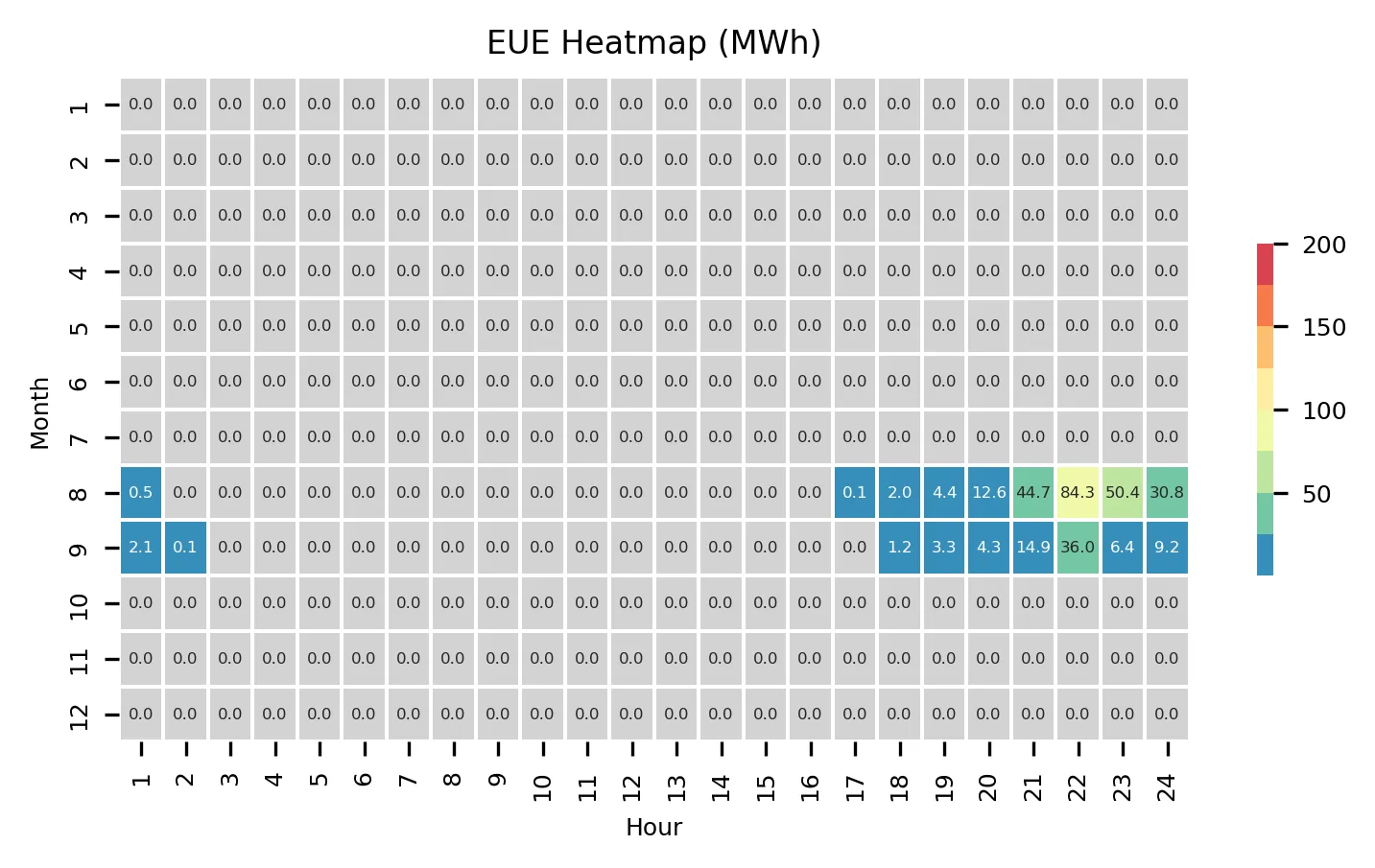
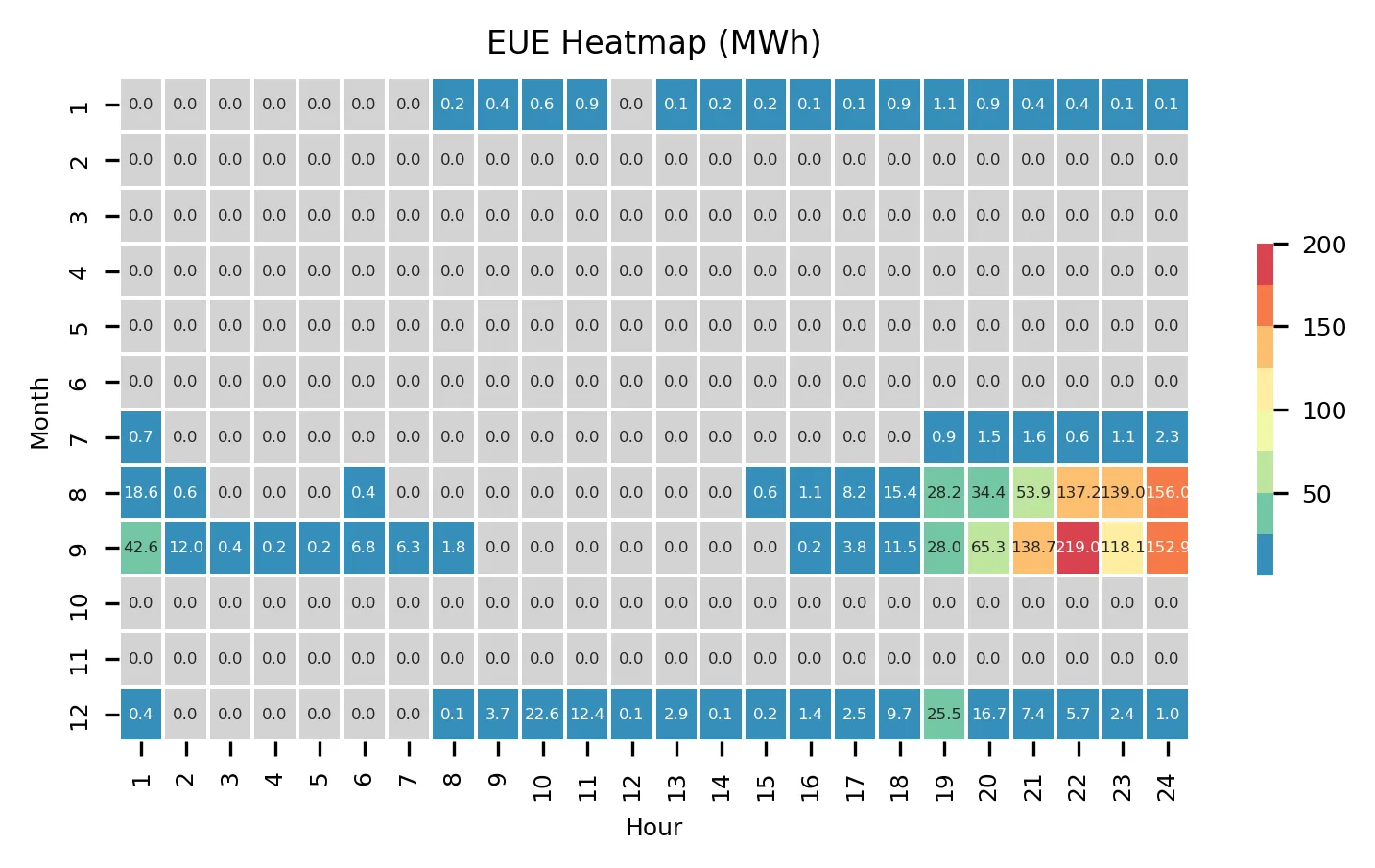
The Updated SERVM and RESOLVE Analysis Presentation from January 2024 provides insights into California’s energy modeling efforts. It focuses on the reliability and emissions analysis needed to support the Preferred System Plan (PSP). Key findings include the evaluation of the 25 MMT Core portfolio, which aims to meet greenhouse gas reduction targets. This presentation is essential for stakeholders in energy policy and planning, providing detailed modeling results and implications for future energy strategies.

Key Points

  • Analyzes reliability and emissions for the 25 MMT Core portfolio in California’s energy strategy.
  • Presents modeling results from SERVM and RESOLVE to support the Preferred System Plan.
  • Highlights key findings related to greenhouse gas reduction targets and energy resource planning.
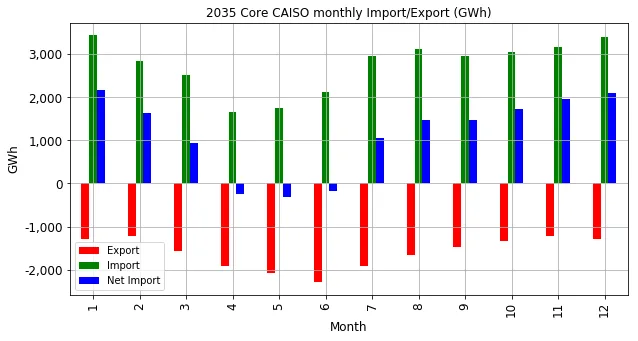
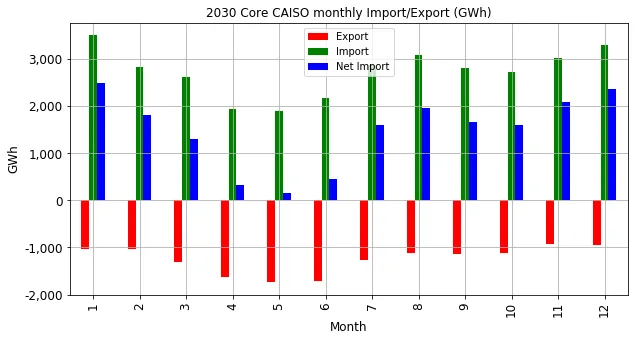
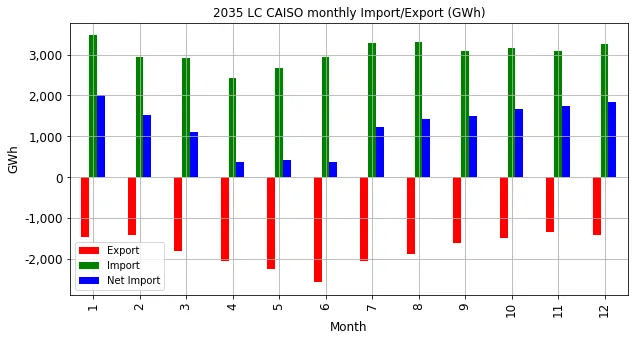
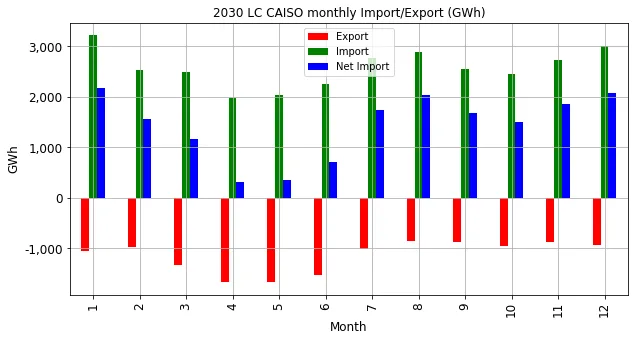
  • Includes detailed assessments of energy imports and exports in relation to California’s energy needs.

Nathan Lubega
40 pages
Language:English
Type:Presentation
Nathan Lubega
40 pages
Language:English
Type:Presentation
47
/ 40
Cal i for nia Public Utilities Commi s sion
2023 Preferred System Plan
Proposed Decision
Modeling & Analysis
Energy Division Staff
January 12, 2024
Cal i for nia Public Utilities Commi s sion
Outline
Introduction
Reliability & Emissions Analysis Proposed PSP Portfolio
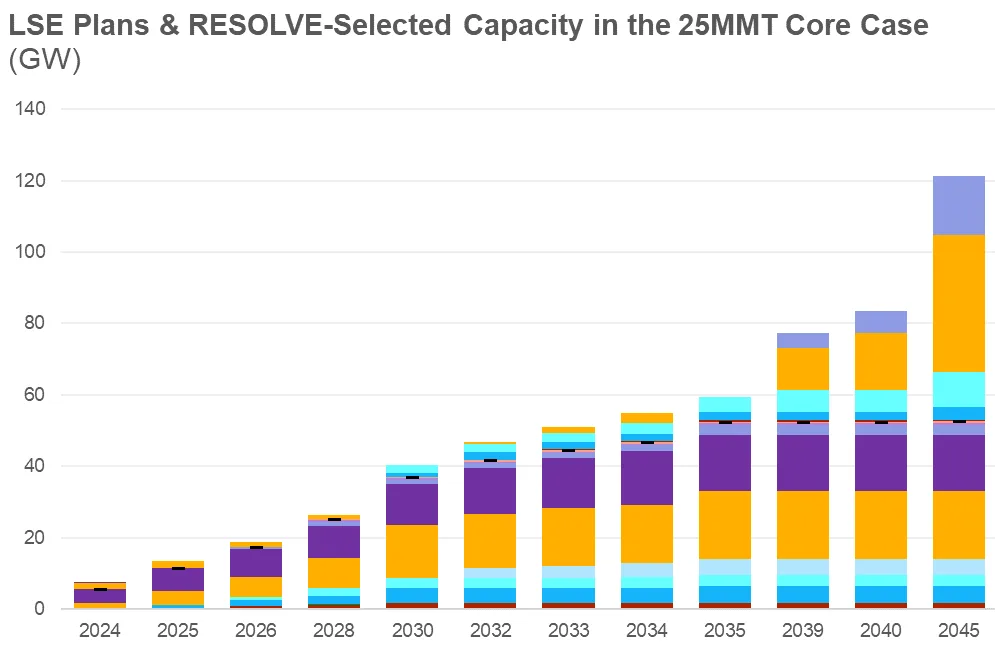
Proposed PSP Portfolio: 25 MMT Core”
Reliability & Emissions results
Imports & exports analysis
Conclusions
2
Cal i for nia Public Utilities Commi s sion
Introduction
3
/ 40
End of Document
47

FAQs

what is the Updated SERVM and RESOLVE Analysis Presentation about

The Updated SERVM and RESOLVE Analysis Presentation provides insights into the modeling and analysis of California's energy system, focusing on reliability and emissions metrics.

  • It includes findings on greenhouse gas emissions and reliability outcomes for different planning scenarios.
  • The presentation highlights updates made since the October 2023 Ruling, including adjustments to modeling inputs and assumptions.
  • Key metrics such as Loss of Load Expectation (LOLE) and greenhouse gas emissions are analyzed for various years, including 2026, 2030, and 2035.

how does the Updated SERVM and RESOLVE Analysis impact California's energy planning

The Updated SERVM and RESOLVE Analysis plays a crucial role in shaping California's energy planning by providing data-driven insights into future energy needs and resource allocations.

  • The analysis helps identify potential reliability issues and greenhouse gas emissions associated with different energy portfolios.
  • It informs decision-making for the Preferred System Plan (PSP) and Transmission Planning Process (TPP), ensuring compliance with state emissions targets.
  • Stakeholders can use the findings to optimize resource planning and improve system reliability.

what are the key findings of the Updated SERVM and RESOLVE Analysis Presentation

The key findings of the Updated SERVM and RESOLVE Analysis Presentation include significant insights into California's energy reliability and emissions.

  • For 2035, the analysis indicates a Loss of Load Expectation (LOLE) of 0.13 days/year, slightly above the reliability target.
  • Greenhouse gas emissions are projected to exceed previous estimates, prompting further calibration between models.
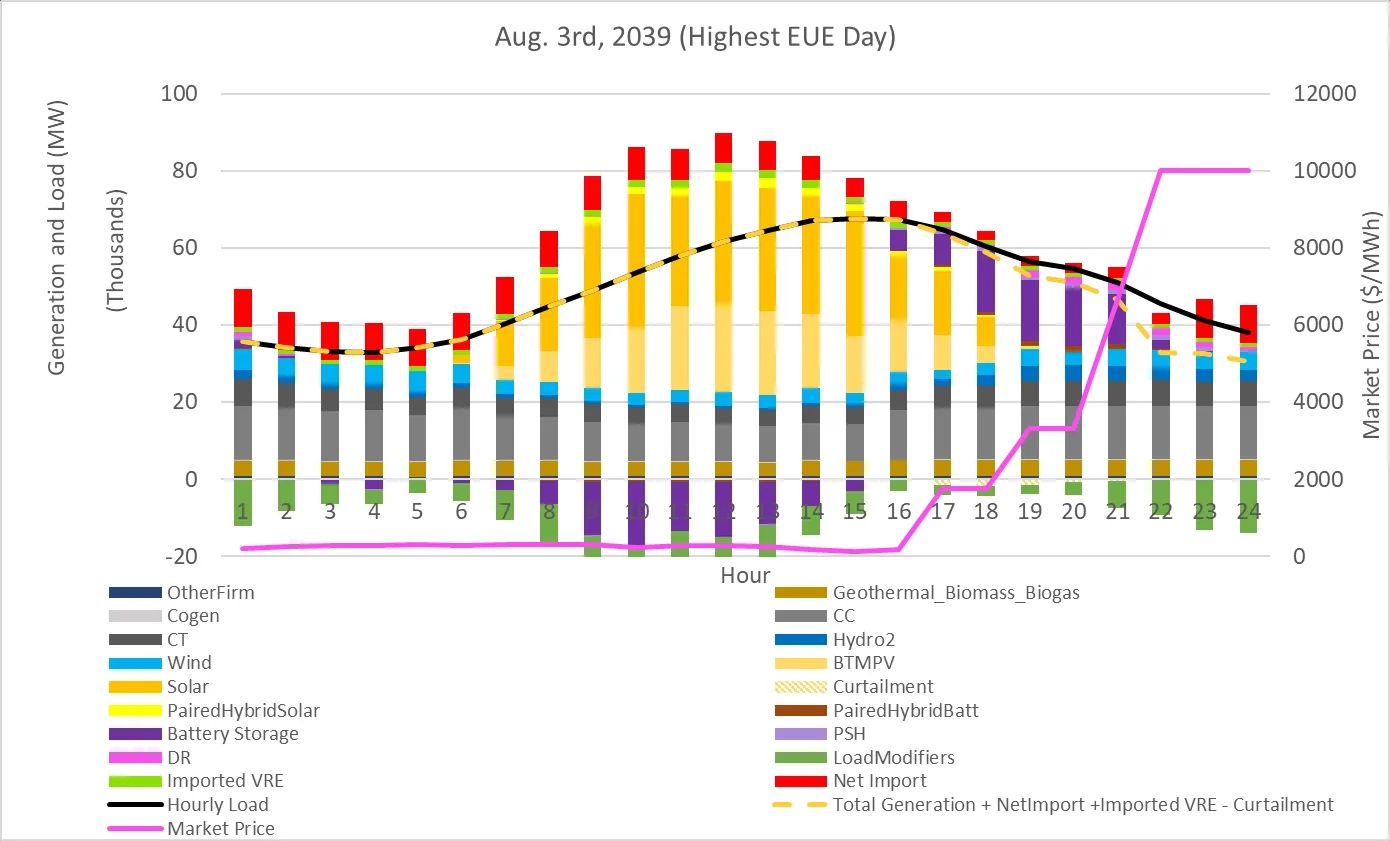
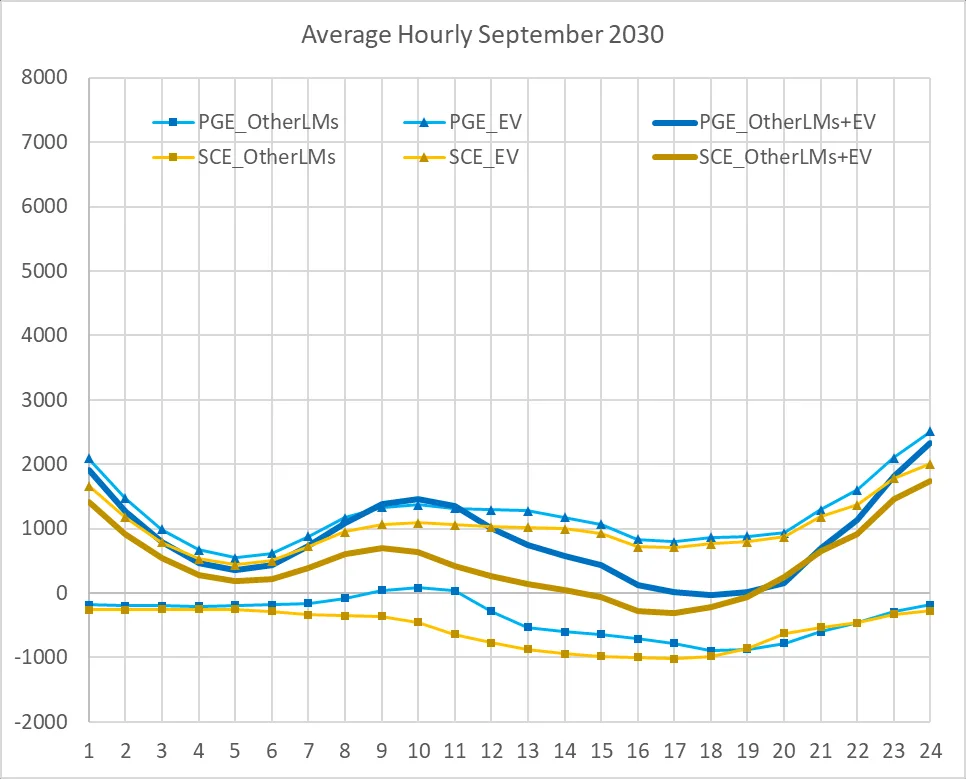
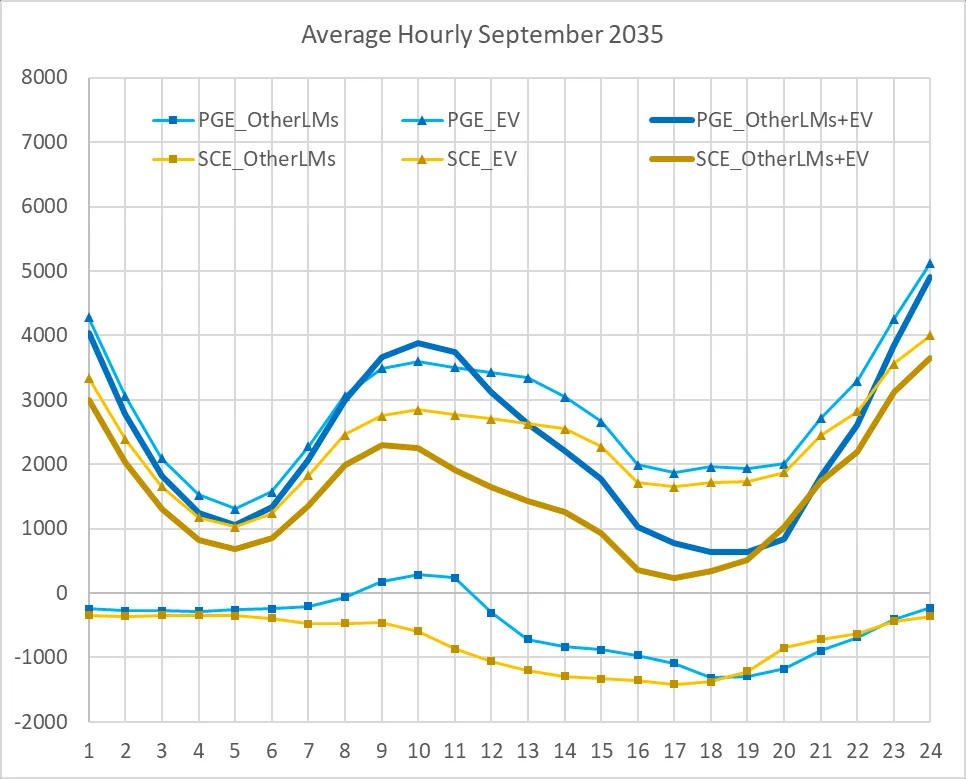
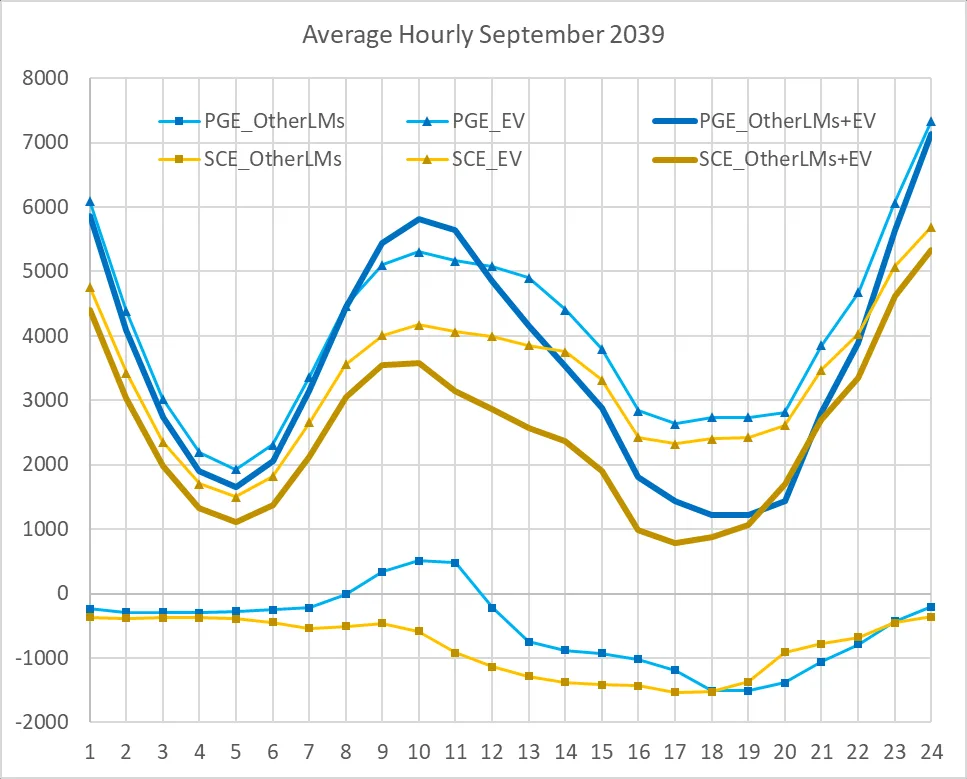
  • The presentation also outlines the impact of electric vehicle charging loads on energy demand and reliability.

how does the Updated SERVM and RESOLVE Analysis address greenhouse gas emissions

The Updated SERVM and RESOLVE Analysis addresses greenhouse gas emissions by evaluating the emissions outcomes of various energy portfolios.

  • The analysis indicates that emissions from the California Independent System Operator (CAISO) are projected to be higher than previous RESOLVE estimates by approximately 1.8 to 4.6 million metric tons per year.
  • It highlights the need for ongoing calibration and adjustments to modeling assumptions to achieve state emissions targets.
  • Strategies for reducing emissions include optimizing resource selection and improving energy efficiency.

what is Loss of Load Expectation (LOLE) in the Updated SERVM and RESOLVE Analysis

Loss of Load Expectation (LOLE) is a key reliability metric used in the Updated SERVM and RESOLVE Analysis to assess the reliability of California's energy system.

  • LOLE represents the expected number of days per year when the system is unable to meet demand.
  • For the 2035 scenario, LOLE is projected at 0.13 days/year, indicating a slight reliability concern.
  • The analysis suggests that adjustments in resource planning and transmission capacity could mitigate LOLE issues.

how are electric vehicle loads impacting the Updated SERVM and RESOLVE Analysis

Electric vehicle (EV) loads significantly impact the Updated SERVM and RESOLVE Analysis by increasing overall energy demand, particularly during nighttime hours.

  • The analysis shows that EV charging loads dominate the demand profile, especially in 2035 and 2039.
  • This increased demand poses challenges for reliability, as it can lead to higher Loss of Load Expectation (LOLE) values.
  • Strategies to manage this impact include optimizing charging schedules and enhancing grid capacity.