Pharmacotherapy of Hypertension explores the latest treatment strategies for managing high blood pressure. It covers essential topics such as classification, epidemiology, pathophysiology, risk factors, and complications associated with hypertension. The document provides detailed management guidelines, including pharmacological treatments and recommendations from major health organizations like the AHA and WHO. This resource is valuable for healthcare professionals and students in pharmacy and medical fields, aiming to enhance their understanding of hypertension management.

Key Points

  • Covers the latest pharmacological treatments for hypertension management.
  • Includes guidelines from the American Heart Association and WHO.
  • Discusses risk factors and complications related to hypertension.
  • Explains the pathophysiology of hypertension and its epidemiology.
Pamella Bonsu
Author: Matthew Aidoo More by Matthew Aidoo General Principles in Management of Poisons 2025 General Principles in Management of Poisons 2025
78 pages
Language:English
Type:Presentation
Pamella Bonsu
Author: Matthew Aidoo More by Matthew Aidoo General Principles in Management of Poisons 2025 General Principles in Management of Poisons 2025
78 pages
Language:English
Type:Presentation
344
/ 78
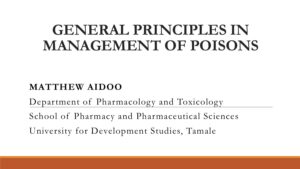
PHARMACOTHERAPY OF
HYPERTENSION
MATTHEW AIDOO
School of Pharmacy and Pharmaceutical Sciences
Department of Pharmacology & Toxicology
University for Development Studies, Tamale
1
OUTLINE
INTRODUCTION
EPIDEMIOLOGY
PATHOPHYSIOLOGY
RISK FACTORS
SYMPTOMS
DIAGNOSIS
CLASSIFICATION
TYPES
COMPLICATIONS
MANAGEMENT
GUIDELINES
2
INTRODUCTION
Hypertension is defined as the pathological elevation
of arterial blood pressure.
The condition is generally asymptomatic & associated
with an increased risk of morbidity or mortality
An estimated 1.28 billion adults aged 30-79 years
worldwide have hypertension, most (two-thirds) living
in low- and middle-income countries. (WHO, 2021)
An estimated 46% of adults with hypertension are
unaware that they have the condition. (WHO, 2021)
3
/ 78
End of Document
344

FAQs

what is pharmacotherapy of hypertension

Pharmacotherapy of hypertension refers to the use of medications to manage high blood pressure effectively.

It encompasses various classes of drugs that aim to lower blood pressure and reduce the risk of cardiovascular complications. Key classes include:

  • Diuretics: Help eliminate excess fluid and sodium.
  • ACE inhibitors: Block the formation of angiotensin II, leading to vasodilation.
  • Calcium channel blockers: Prevent calcium from entering heart and blood vessel cells, reducing contraction strength.
  • Beta-blockers: Decrease heart rate and workload.

what are the current guidelines for pharmacotherapy of hypertension

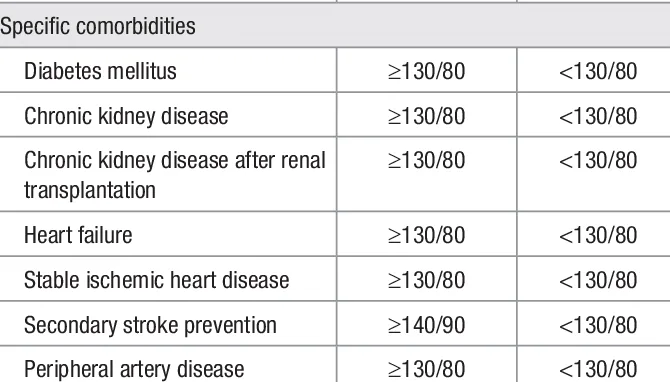
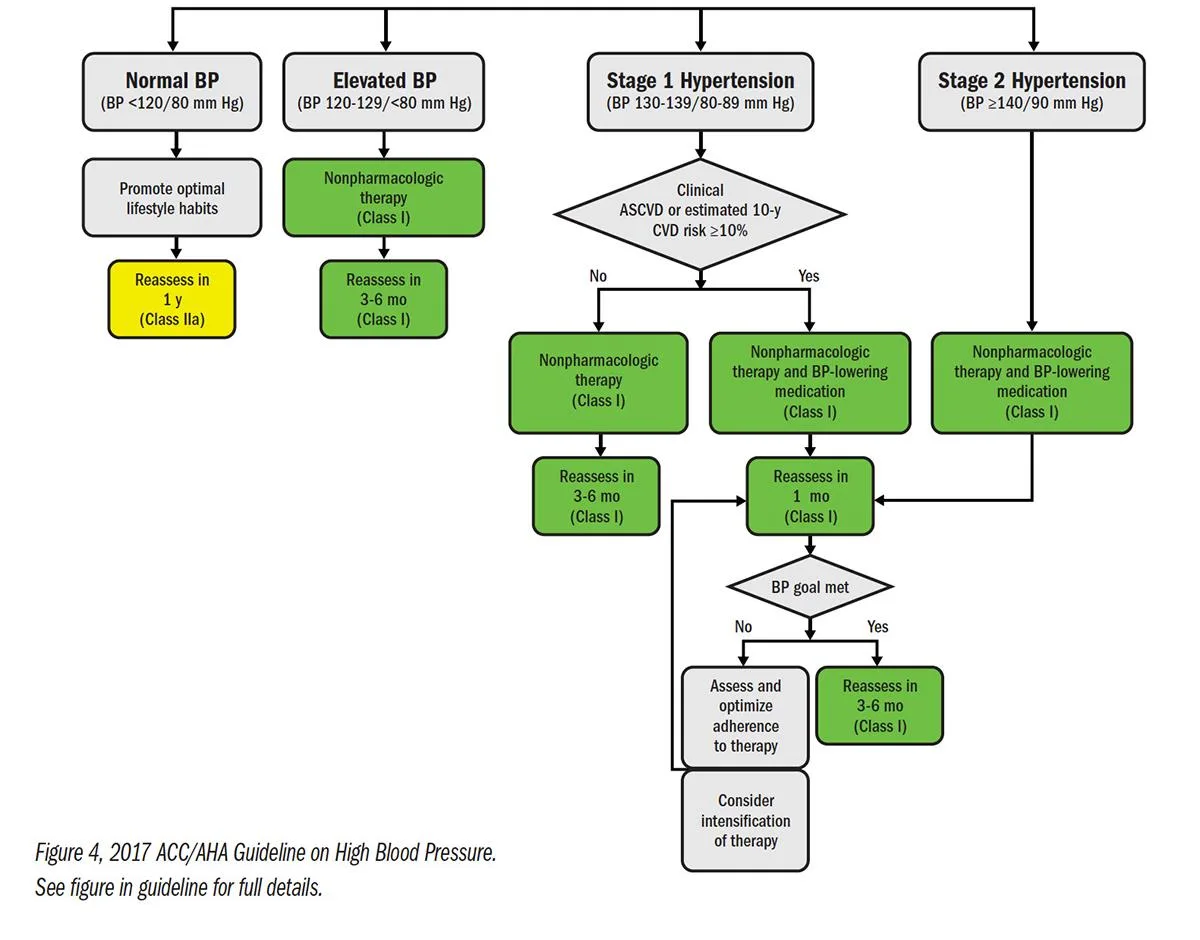
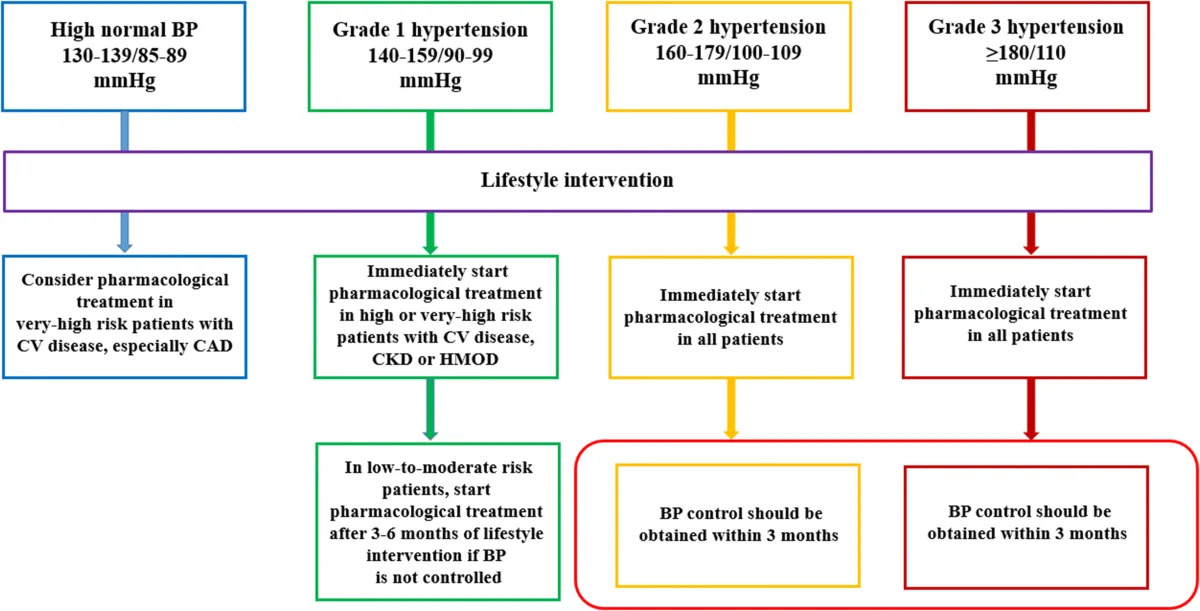
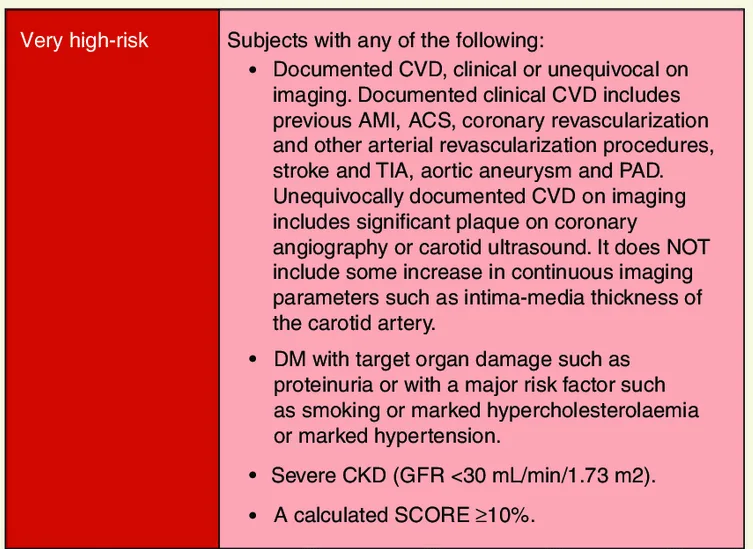
The current guidelines for pharmacotherapy of hypertension emphasize individualized treatment plans based on patient characteristics and comorbidities.

According to the latest recommendations, the following approaches are crucial:

  • Initial therapy: Start with a single antihypertensive agent for most patients.
  • Combination therapy: Consider two medications for patients with stage 2 hypertension or those with high cardiovascular risk.
  • Regular monitoring: Blood pressure should be monitored regularly to assess treatment efficacy and adjust dosages as needed.

how is hypertension managed pharmacologically

Hypertension management pharmacologically involves a structured approach to selecting and adjusting medications.

Key strategies include:

  • Stepwise therapy: Begin with a first-line agent and escalate as necessary.
  • Patient adherence: Ensure that patients understand their treatment plan to improve adherence.
  • Regular follow-ups: Schedule follow-ups to monitor blood pressure and side effects.
  • Addressing comorbidities: Tailor treatment to manage any coexisting conditions, such as diabetes or heart disease.

what are the types of antihypertensive drugs in pharmacotherapy of hypertension

In the pharmacotherapy of hypertension, several classes of antihypertensive drugs are utilized.

These include:

  • Thiazide diuretics: Commonly used as first-line agents.
  • ACE inhibitors: Effective in reducing blood pressure and providing renal protection.
  • Calcium channel blockers: Useful for patients with angina or arrhythmias.
  • Beta-blockers: Particularly beneficial in patients with heart failure or coronary artery disease.

what are the complications of untreated hypertension

Untreated hypertension can lead to severe complications affecting various organ systems.

Some of the major complications include:

  • Heart disease: Increased risk of heart attack and heart failure.
  • Stroke: Hypertension is a leading cause of ischemic and hemorrhagic strokes.
  • Kidney damage: Can lead to chronic kidney disease or acute kidney injury.
  • Vision loss: Hypertensive retinopathy can cause severe vision impairment.

what lifestyle changes support pharmacotherapy of hypertension

Lifestyle changes play a crucial role in supporting pharmacotherapy for hypertension.

Key modifications include:

  • Diet: Adopt a DASH diet rich in fruits, vegetables, and low-fat dairy.
  • Exercise: Engage in regular aerobic activity, aiming for at least 150 minutes per week.
  • Weight management: Achieve and maintain a healthy weight to reduce blood pressure.
  • Limit alcohol intake: Reduce consumption to recommended levels.

what is the role of diuretics in the pharmacotherapy of hypertension

Diuretics play a significant role in the pharmacotherapy of hypertension by promoting the elimination of excess fluid and sodium.

They help lower blood pressure through the following mechanisms:

  • Volume reduction: Decreasing blood volume leads to lower cardiac output.
  • Vasodilation: Some diuretics promote vasodilation, further aiding in blood pressure reduction.
  • First-line treatment: Thiazide diuretics are often recommended as initial therapy for hypertension.

how does pharmacotherapy of hypertension reduce cardiovascular risk

Pharmacotherapy of hypertension significantly reduces cardiovascular risk by effectively managing blood pressure levels.

This is achieved through:

  • Lowering blood pressure: Medications help maintain blood pressure within target ranges, reducing strain on the heart and blood vessels.
  • Preventing complications: Effective treatment lowers the risk of heart attacks, strokes, and kidney damage.
  • Improving quality of life: Controlling hypertension enhances overall health and reduces the burden of cardiovascular diseases.

what are the guidelines for managing hypertension in pregnancy

Managing hypertension in pregnancy requires careful adherence to specific guidelines to ensure the safety of both mother and fetus.

Key recommendations include:

  • Monitoring: Regular blood pressure checks to identify any rising levels.
  • Medication choice: Use antihypertensives that are safe during pregnancy, such as methyldopa and labetalol.
  • Avoiding contraindicated drugs: Steer clear of ACE inhibitors and ARBs due to their risks to fetal development.

what is the impact of lifestyle on hypertension management

Lifestyle significantly impacts hypertension management and can enhance the effectiveness of pharmacotherapy.

Key lifestyle changes include:

  • Dietary adjustments: Following a low-sodium, heart-healthy diet can lower blood pressure.
  • Physical activity: Regular exercise helps maintain a healthy weight and reduces blood pressure.
  • Stress management: Techniques such as mindfulness and relaxation can positively affect blood pressure levels.