Empirical Methods for the Analysis of the Energy Transition provides a comprehensive overview of electricity markets and dimension reduction techniques. Authored by Prof. Mar Reguant, this slide set for the 2025/2026 academic year covers essential topics such as the economics of electricity markets, bidding strategies, and data simulation frameworks. It is designed for students and professionals interested in energy economics and market analysis, featuring detailed explanations of market structures and demand modeling. The content includes practical examples and methodologies for analyzing energy transitions, making it a valuable resource for those studying or working in the field.

Key Points

  • Explains the economics of electricity markets and their functioning
  • Covers dimension reduction techniques and clustering methods
  • Includes practical examples of bidding strategies in electricity markets
  • Presents data simulation frameworks for analyzing energy transitions
Nathan Lubega
Edition:2025/2026
63 pages
Language:English
Type:Presentation
Nathan Lubega
Edition:2025/2026
63 pages
Language:English
Type:Presentation
38
/ 63
Empirical Methods for the Analysis of the Energy Transition
Slide Set 2
Prof. Mar Reguant
2025/2026
/ 59
Roadmap
I. The Economics of Electricity Markets
Overview of functioning
II. Dimension reduction techniques
Overview of methods
Reguant (2019)
Mercadal (2021)
Clustering our Data (today)
1 / 59
Dispatching electricity markets
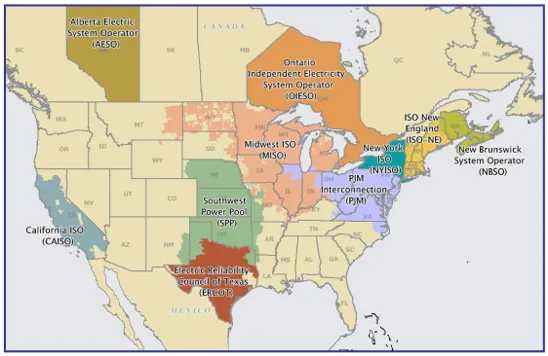
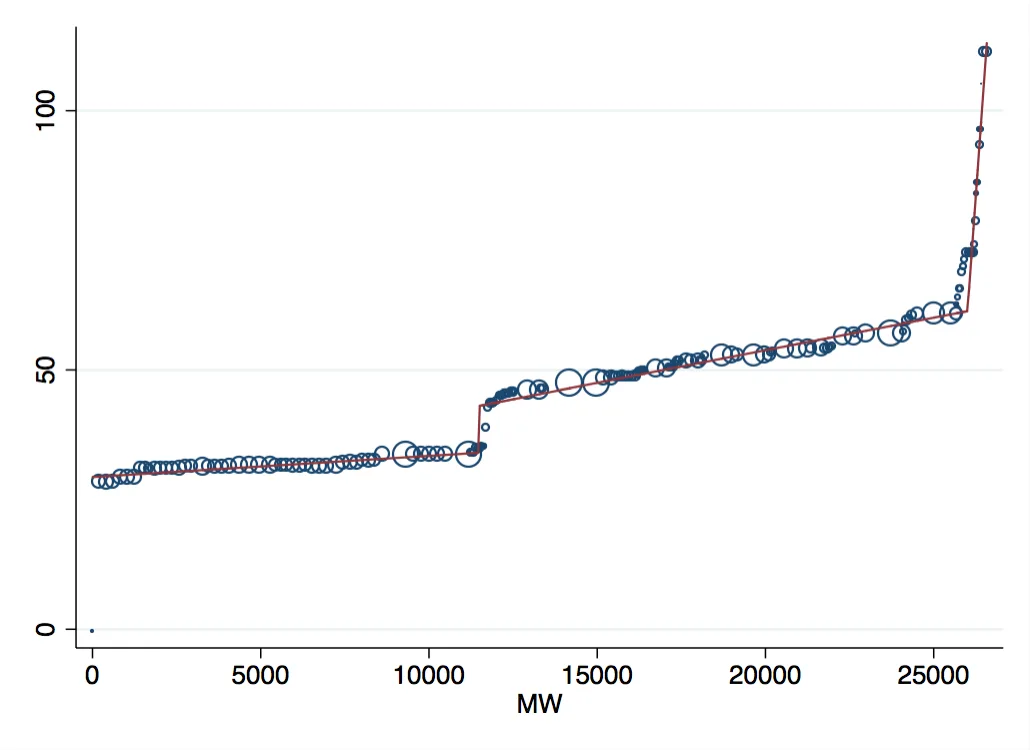
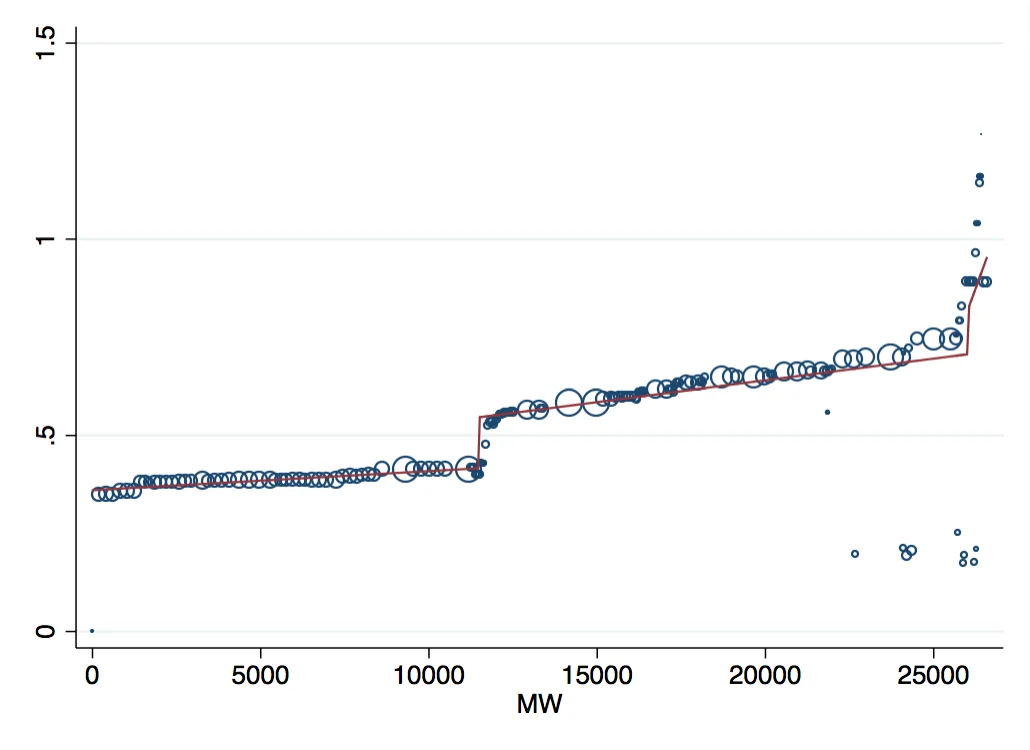
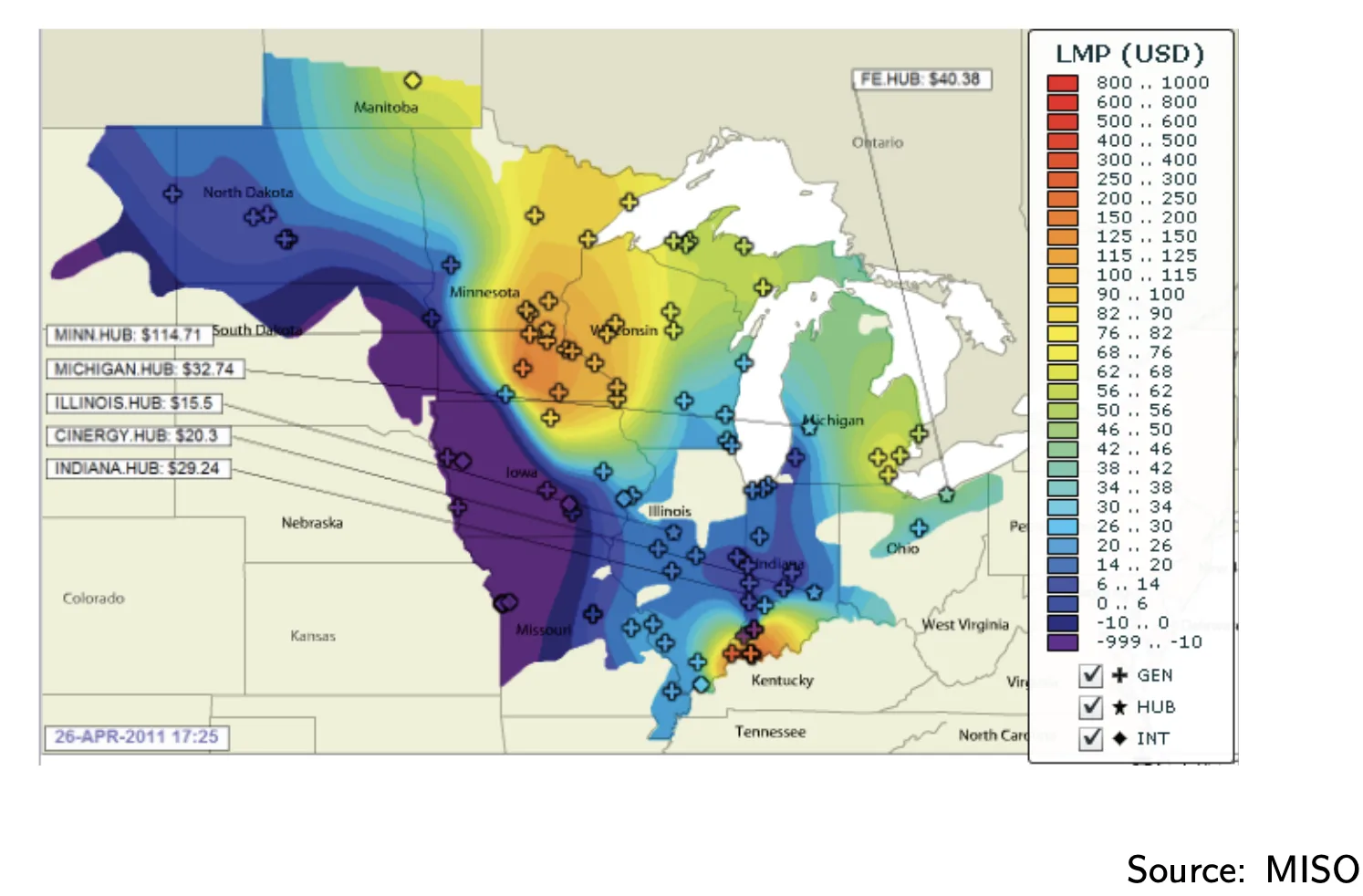
Basic structure is typically designed around a wholesale market for electricity.
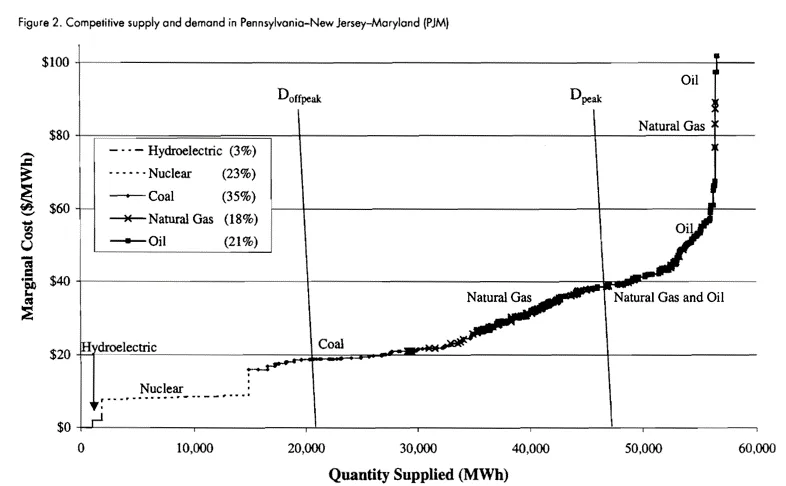
Generators submit bids for electricity every day!
The complexity of these bids varies significantly across markets
Bid just one price for energy vs. include start up costs.
Have separate products for capacity and energy vs. only energy.
Etc.
Demand also submits bids for electricity
Can be sloped or not
Lots of other details that we will discuss
Price caps, “capacity markets”, etc.
2 / 59
/ 63
End of Document
38

FAQs

what is the empirical methods for the analysis of the energy transition about

The 'Empirical Methods for the Analysis of the Energy Transition' presentation explores various techniques and methodologies used to analyze the transition towards sustainable energy systems.

  • It covers the economics of electricity markets, including how they function and the role of different market participants.
  • The presentation also discusses dimension reduction techniques to simplify complex data analysis.
  • Case studies and examples are provided to illustrate the application of these methods in real-world scenarios.

what are the key topics in empirical methods for the analysis of the energy transition

This presentation highlights several key topics essential for understanding the energy transition.

  • The Economics of Electricity Markets: An overview of how electricity markets operate and the dynamics between supply and demand.
  • Dimension Reduction Techniques: Methods to simplify complex datasets, making analysis more manageable.
  • Case Studies: Real-world applications of the discussed methods, showcasing their effectiveness in analyzing energy transitions.

how does the empirical methods for the analysis of the energy transition apply to electricity markets

The empirical methods presented are crucial for analyzing electricity markets during the energy transition.

  • They provide insights into market structures, pricing mechanisms, and the impact of renewable energy sources.
  • By employing dimension reduction techniques, analysts can handle large datasets efficiently, leading to better decision-making.
  • The methods also help in identifying trends and forecasting future market behaviors, which are vital for policymakers and stakeholders.

what dimension reduction techniques are discussed in empirical methods for the analysis of the energy transition

The presentation discusses various dimension reduction techniques that are essential for analyzing complex datasets in the energy sector.

  • K-means Clustering: A method used to group similar data points, simplifying analysis.
  • Principal Component Analysis (PCA): A technique that reduces the dimensionality of data while retaining most of the variance.
  • Hierarchical Clustering: Useful for identifying natural groupings within data, especially in nodal markets.

what findings are presented in empirical methods for the analysis of the energy transition

The presentation outlines several findings related to the energy transition and electricity markets.

  • It emphasizes the importance of understanding market dynamics and the role of various stakeholders.
  • Findings suggest that dimension reduction techniques significantly enhance data analysis efficiency.
  • Case studies illustrate how these methods can lead to more informed policy decisions and better market outcomes.

how does empirical methods for the analysis of the energy transition address renewable energy

The presentation addresses renewable energy by analyzing its integration into existing electricity markets.

  • It discusses the economic implications of renewable energy sources and their impact on market pricing.
  • Methodologies are provided to assess the effectiveness of renewable policies and their influence on consumer behavior.
  • Case studies highlight successful implementations of renewable energy strategies and their outcomes.

what is the significance of empirical methods for the analysis of the energy transition

The significance of the 'Empirical Methods for the Analysis of the Energy Transition' lies in its comprehensive approach to understanding energy systems.

  • It provides tools for analyzing complex interactions within electricity markets.
  • The methods help in identifying effective strategies for integrating renewable energy.
  • Insights gained from these analyses can inform policymakers and stakeholders in making data-driven decisions.

what are the challenges in analyzing the energy transition according to empirical methods

The presentation identifies several challenges in analyzing the energy transition.

  • Data Complexity: The sheer volume and variety of data can make analysis cumbersome.
  • Market Dynamics: Rapid changes in technology and policy can complicate forecasting and modeling.
  • Integration of Renewables: Assessing the impact of renewables on traditional markets poses analytical challenges.

how can empirical methods for the analysis of the energy transition improve electricity market efficiency

Empirical methods can significantly improve electricity market efficiency by providing analytical frameworks.

  • They enable better understanding of supply and demand dynamics.
  • By employing dimension reduction techniques, analysts can focus on key variables that drive market behavior.
  • Improved data analysis leads to more effective policy recommendations and market strategies.

what case studies are included in empirical methods for the analysis of the energy transition

The presentation includes various case studies that illustrate the application of empirical methods in real-world scenarios.

  • These case studies demonstrate how different markets have successfully integrated renewable energy.
  • They provide insights into the effectiveness of various pricing strategies and policies.
  • Each case study highlights specific challenges faced and solutions implemented, offering valuable lessons for future analyses.