Soil compaction is crucial for construction projects, enhancing the strength and stability of structures. This document explores the purposes of soil compaction, including increased shear strength and reduced permeability. It also examines the effects of increasing compactive efforts and various factors affecting compaction, such as water content and soil type. Ideal for civil engineering students and professionals, this resource provides insights into effective soil management techniques.
Key Points
Explains the purposes of soil compaction, including increased shear strength and stability.
Discusses factors affecting compaction, such as water content and soil type.
Analyzes the effects of increasing compactive efforts on soil density.
Provides insights into methods and equipment used for effective soil compaction.
This link leads to an external site. We do not know or endorse its content, and are not responsible for its safety. Click the link to proceed only if you trust this site.
Flow in Soils: Permeability and SeepagePresentation
PDFPresentation
Soil Stabilization: Processes, Applications, and ExamplesPresentation
PDFLecture Notes
Accounting Concepts – Chapter 6 Part 2Lecture Notes
PDFLecture Notes
Aldehyde and Ketone: Properties, Preparation, and ReactionsLecture Notes
PDFLecture Notes
Sensation and Perception – Chapter 2Lecture Notes
PDFLecture Notes
Essence of Psychology – Chapter 1 OverviewLecture Notes
PDFLecture Notes
Filtering Techniques in Engineering MeasurementsLecture Notes
PDFLecture Notes
BIO 001 Notes on Systematics and EcologyLecture Notes
PDFLecture Notes
Geodinâmica Externa – Formação de Glaciares e HidrogeologiaLecture Notes
PDFLecture Notes
Digital Electronics: Complements and Binary ArithmeticLecture Notes
PDFLecture Notes
Cours Energie Geothermique – Génie Électrique 3ème AnnéeLecture Notes
PDFLecture Notes
CHE26M1 Organic Chemistry II Handbook 2026Lecture Notes
FAQs
What are the purposes of compacting soil in engineering?
Compacting soil serves several key purposes in engineering. Firstly, it increases shear strength, allowing larger loads to be applied to the compacted soils, which enhances bearing capacity, slope stability, and pavement system strength. Secondly, it reduces permeability, inhibiting the soil's ability to absorb water, thus minimizing expansion, shrinkage, and potential liquefaction. Additionally, compaction reduces compressibility, leading to smaller settlements under larger loads, and helps control swelling and shrinking of the soil.
What factors affect soil compaction according to the document?
Several factors influence soil compaction, including the water content of the soil, the amount of compaction applied, the type of soil being compacted, and the compactive energy used. The method of compaction, thickness of the layer, saturation line, admixtures, and stone content also play significant roles. For example, as water is added, it acts as a softening agent, making it easier for soil particles to move and compact effectively.
How does water content affect soil compaction?
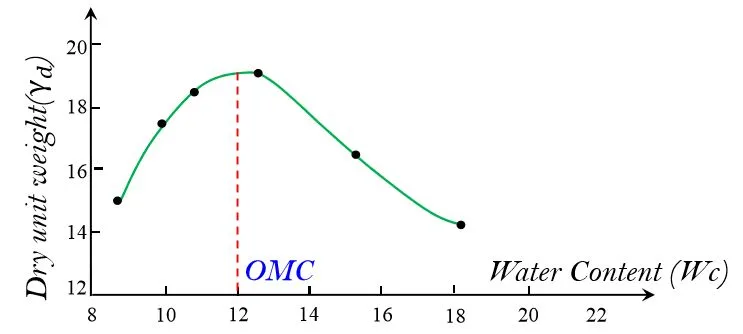
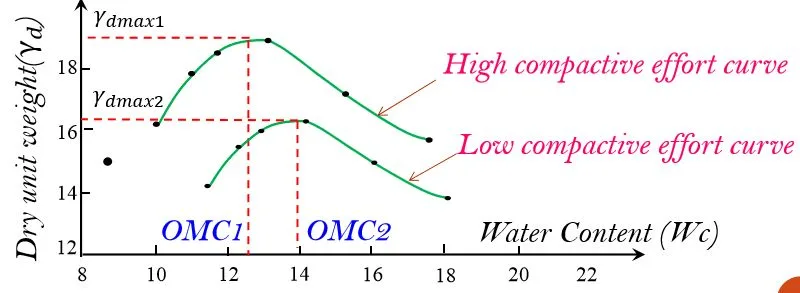
Water content significantly impacts soil compaction. At low moisture content, adding water softens the soil particles, facilitating movement and reorientation into a denser configuration. As water content increases, larger water films form around the particles, further aiding in compaction. However, if the water content exceeds the optimum moisture content (OMC), the dry unit weight of the soil begins to decrease as water replaces soil particles in the mold.
What are the common types of rollers used for field compaction?
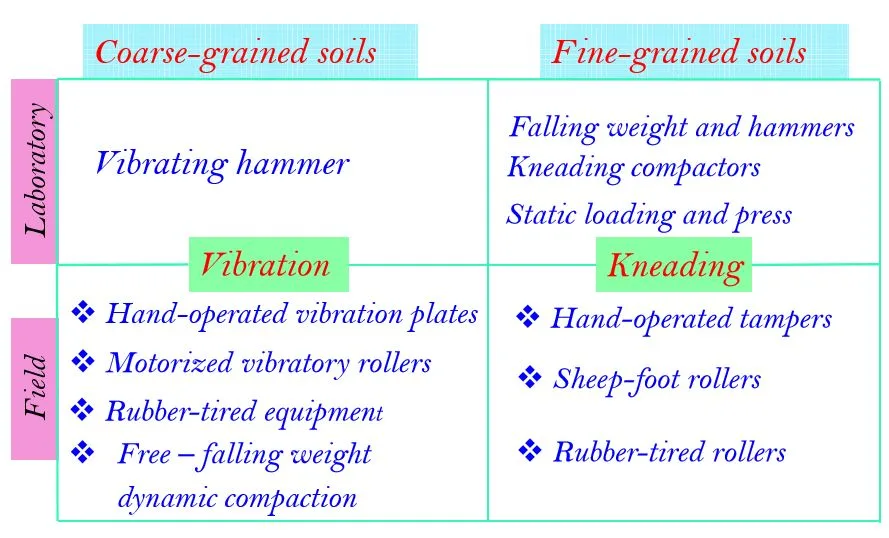
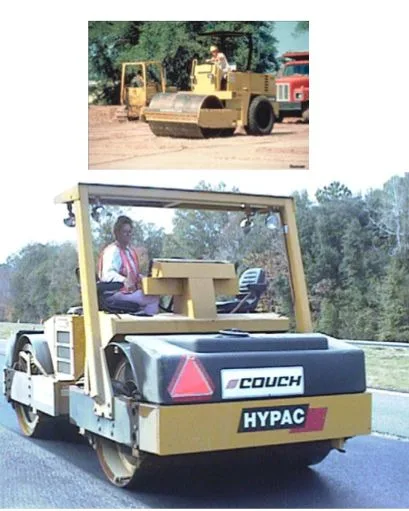
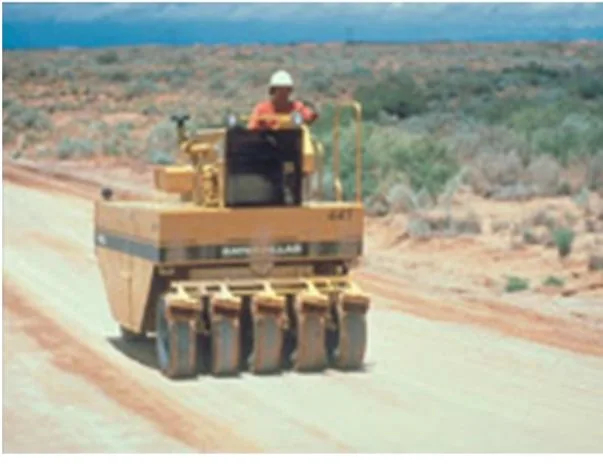
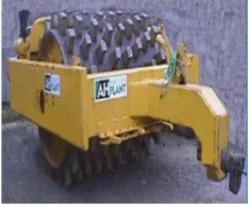
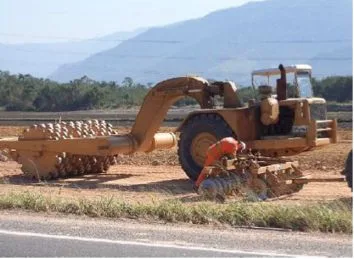
In field compaction, four common types of rollers are utilized: smooth-wheel rollers, pneumatic rubber-tired rollers, sheepsfoot rollers, and vibratory rollers. Smooth-wheel rollers are effective for proof rolling and finishing operations, while pneumatic rollers provide better compaction through pressure and kneading action. Sheepsfoot rollers, with numerous projections, are particularly effective for compacting clayey soils, and vibratory rollers enhance compaction efficiency in granular soils.
What is the significance of compaction effort in soil compaction?
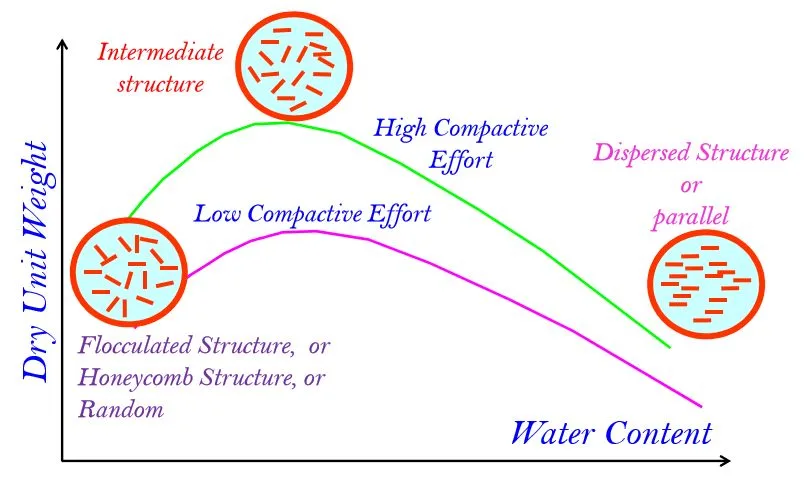
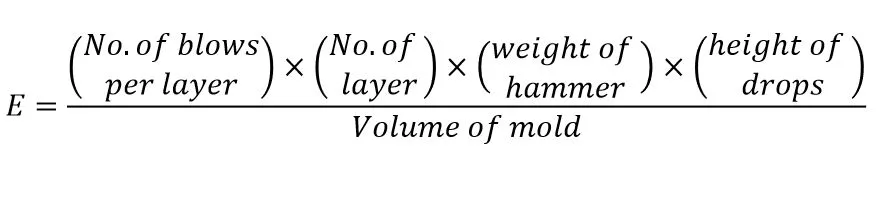
Compaction effort is crucial as it directly affects the dry unit weight of the soil. Increased compactive effort leads to greater dry unit weight, and the compaction curve varies based on the energy applied. As compaction effort increases, the maximum dry unit weight also rises, while the optimum moisture content tends to decrease, highlighting the importance of specifying compaction procedures in engineering projects.
What specifications are typically required for field compaction?
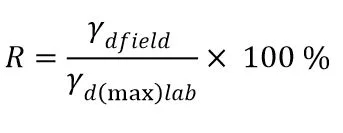
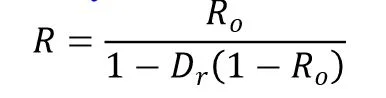
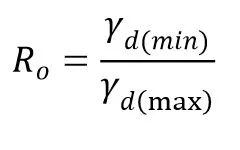
Specifications for field compaction often instruct contractors to achieve a compacted field dry unit weight of 90 to 95% of the maximum dry unit weight determined by laboratory tests, such as the standard or modified Proctor test. This requirement is expressed as relative compaction, which is a critical measure to ensure the structural integrity and performance of engineered earthworks.