Alcohol abuse and addiction are critical public health issues that affect millions worldwide. This document explores the pharmacology of alcohol, its effects on the body, and the mechanisms of addiction. It provides insights into treatment options and public health strategies for addressing alcohol use disorders. Aimed at healthcare professionals and students, this resource offers a comprehensive overview of alcohol’s impact on health and society, including the latest research findings and treatment methodologies.

Key Points

  • Explores the pharmacokinetics and pharmacodynamics of alcohol.
  • Discusses the effects of alcohol on various organ systems.
  • Examines addiction mechanisms and treatment strategies for alcohol use disorders.
  • Highlights public health implications related to alcohol consumption.
Pamella Bonsu
Author:Prof. Samuel B. Kombian
Edition:2025
27 pages
Language:English
Type:Presentation
Pamella Bonsu
Author:Prof. Samuel B. Kombian
Edition:2025
27 pages
Language:English
Type:Presentation
372
/ 27
Prof. Samuel B. Kombian
Department of Pharmacology and Toxicology
SPPS, UDS, Tamale
Prof SBK PharmD400- Feb 2025
1
Alcohol Abuse and Addiction
2
Outline:
Introduction:
Alcohol as FOOD:
Alcohol as a DRUG:
Pharmacokinetics
Pharmacodynamics
Alcohol as POISON(toxin):
Effects on organs
Addiction & treatment
Public health model of alcohol addiction
Alcohol: Food, Drug or Poison?
Alcohol Abuse and Addiction
3
Students should:
appreciate alcohol as a food and substances of abuse
know problems associated with excessive alcohol consumption.
know MoA of alcohol in the CNS.
know the metabolism of EtOH
know the effects of alcohol on organ systems.
know the treatment approaches for addicts to alcohol.
Know the public health implications of alcohol use
Alcohol: Outcomes/Expectations:
/ 27
End of Document
372

FAQs

what is clinical toxicology of alcohol abuse and addiction

The clinical toxicology of alcohol abuse and addiction studies the effects of alcohol on the body and the mechanisms of its toxicity.

Alcohol (ethanol) is classified as both a food and a drug, impacting various organ systems and leading to significant health issues. Understanding its pharmacokinetics and pharmacodynamics is crucial for effective treatment and prevention strategies.

  • Pharmacokinetics: Rapid absorption, distribution in body water, and metabolism.
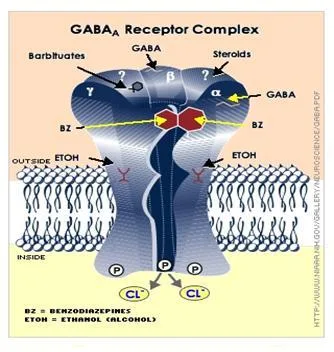
  • Pharmacodynamics: Alters neurotransmitter systems, particularly GABA and dopamine.
  • Health Effects: Can lead to liver damage, cognitive deficits, and psychological dependence.

how does alcohol affect the body in clinical toxicology of alcohol abuse and addiction

Alcohol affects the body in numerous ways, particularly in the context of clinical toxicology of alcohol abuse and addiction.

It can lead to acute and chronic health issues, impacting various organ systems. The effects include both psychological and physical dependence, which can complicate treatment.

  • CNS Effects: Cognitive deficits, psychological dependence, and potential for alcohol-induced psychosis.
  • Cardiovascular Risks: Increased risk of heart disease and hypertension with heavy consumption.
  • Liver Damage: Fatty liver, hepatitis, and cirrhosis are common in chronic alcohol users.

what are the treatment options in clinical toxicology of alcohol abuse and addiction

Treatment options in the clinical toxicology of alcohol abuse and addiction are multifaceted and aim to address both physical and psychological dependence.

Effective treatment often combines pharmacological and behavioral therapies to support recovery and reduce relapse rates.

  • Detoxification: Gradual withdrawal using long-acting benzodiazepines to manage withdrawal symptoms.
  • Aversion Therapy: Disulfiram is used to create unpleasant reactions when alcohol is consumed.
  • Counseling: Behavioral therapies are essential for addressing underlying psychological issues.

what are the symptoms of alcohol withdrawal in clinical toxicology of alcohol abuse and addiction

Symptoms of alcohol withdrawal in the clinical toxicology of alcohol abuse and addiction can be severe and vary in intensity.

Withdrawal symptoms typically begin within 8 hours of the last drink and can last for several days, requiring careful management.

  • Tremors: Often the first sign of withdrawal.
  • Nausea and Vomiting: Commonly experienced during the withdrawal phase.
  • Delirium Tremens: A severe form of withdrawal characterized by confusion, agitation, and hallucinations.

what is the public health impact of alcohol abuse and addiction

The public health impact of alcohol abuse and addiction is significant, affecting individuals and communities alike.

Alcohol-related issues contribute to a range of health problems and societal challenges, including increased healthcare costs and road traffic accidents.

  • Health Consequences: Chronic diseases, mental health disorders, and increased mortality rates.
  • Social Issues: Alcohol abuse can lead to family disruption, job loss, and increased crime rates.
  • Preventive Measures: Effective public health strategies are needed to address these challenges, including education and intervention programs.