Class Aves encompasses a diverse group of birds characterized by feathers, beaks, and unique reproductive traits. This comprehensive overview details the classification, general characteristics, and habitats of various bird genera such as Ardea, Milvus, and Pavo. It explores their morphology, feeding habits, and adaptations for flight. Ideal for biology students and bird enthusiasts, this resource provides insights into the ecological roles and behaviors of avian species.

Key Points

  • Explains the classification of Aves within the animal kingdom.
  • Details the unique morphological features of birds, including feathers and beaks.
  • Covers diverse habitats and behaviors of various bird genera.
  • Discusses reproductive strategies and parental care in birds.
Anahit Kaur
18 pages
Language:English
Type:Presentation
Anahit Kaur
18 pages
Language:English
Type:Presentation
361
/ 18
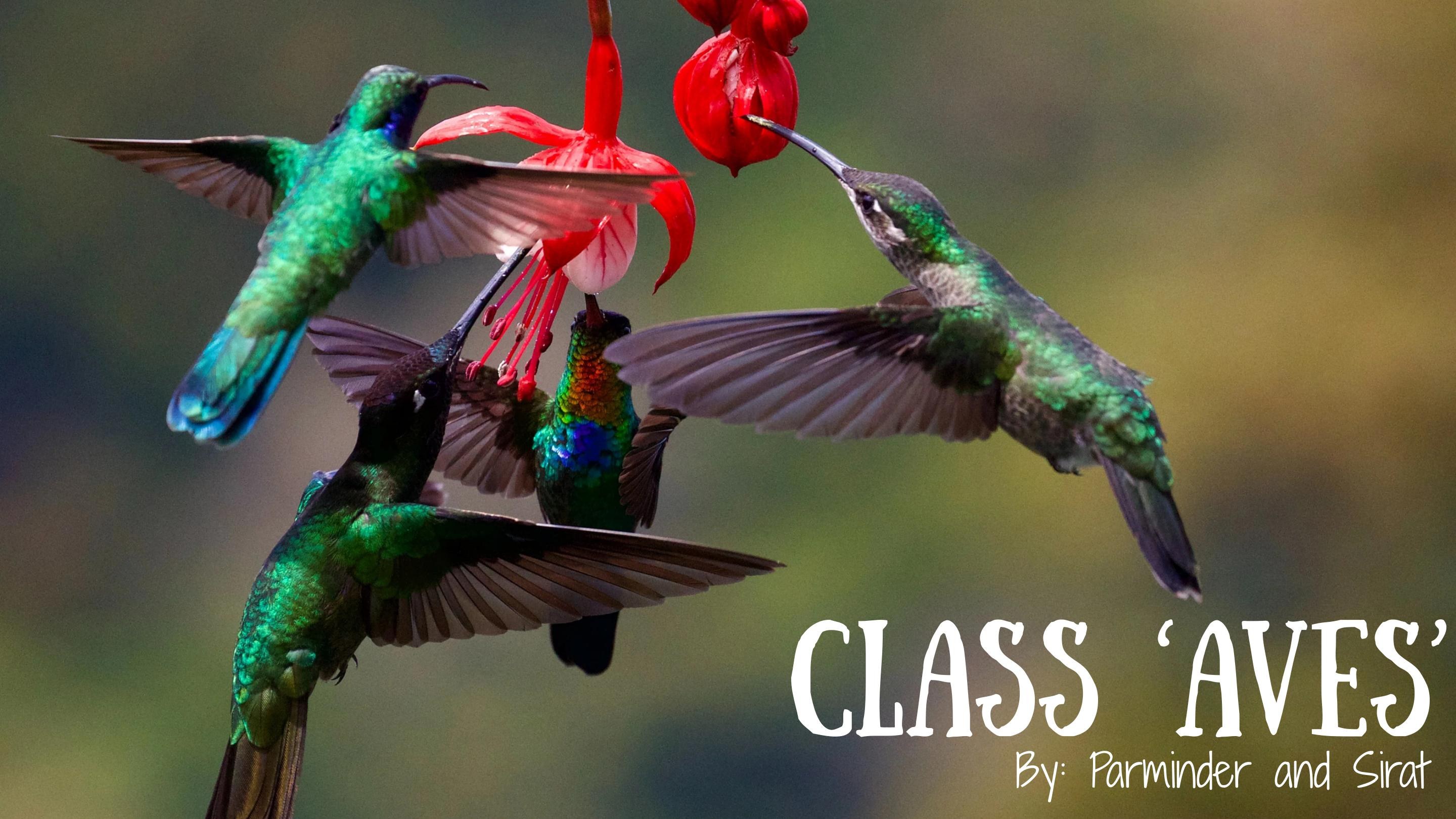
Class AVES
By: Parminder and Sirat
CLASSIFICATION
Kingdom: Animalia
Phylum: Chordata
Sub-Phylum: Vertebrata
Section: Gnathostomata
Super-Class: Tetrapoda
Class: Aves
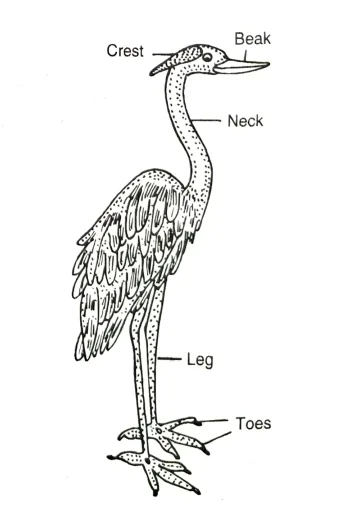
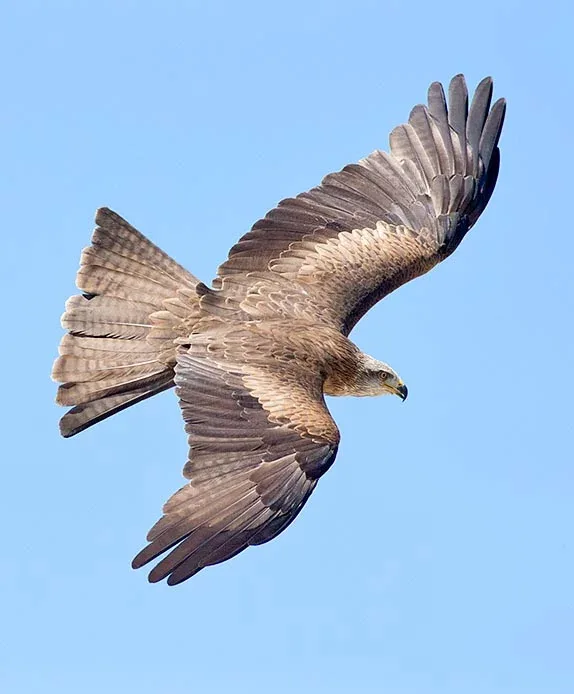
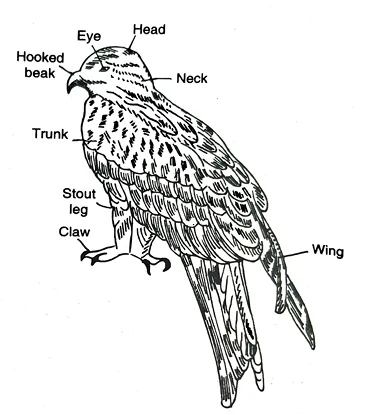
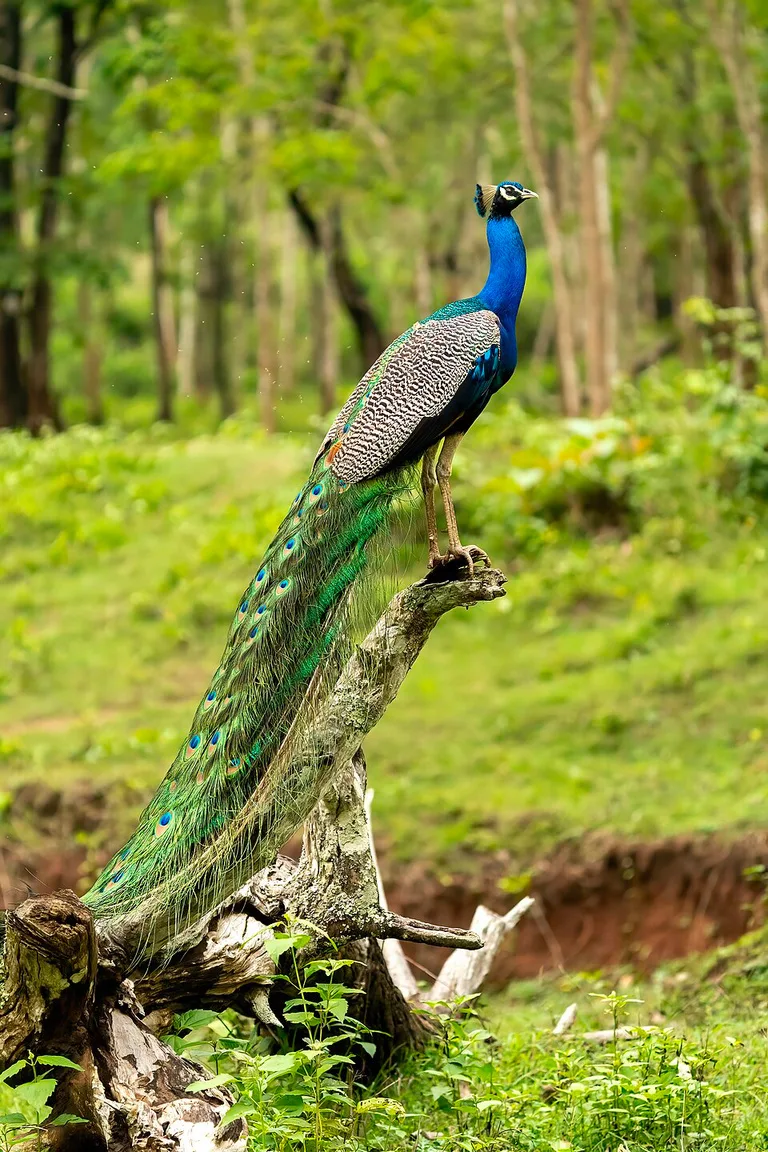
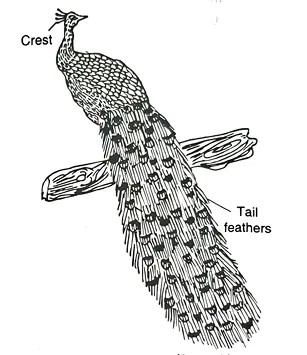
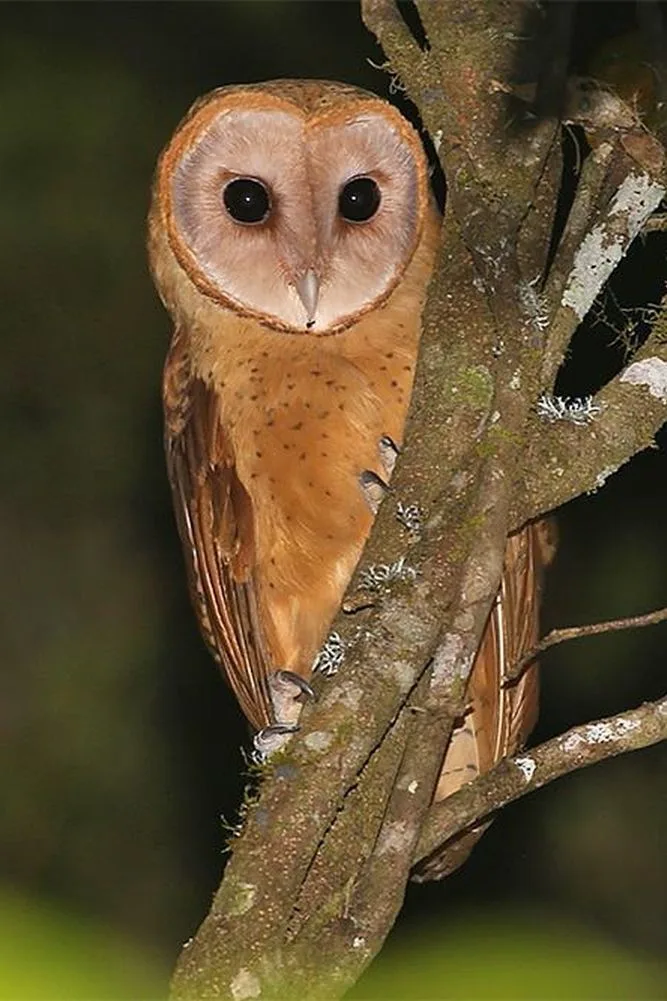
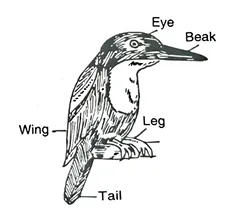
Genus: Ardea, Milvus, Pavo, Tyto, Alcedo,
Eudynamis, Casuarius
GENERAL CHARACTERISTICS
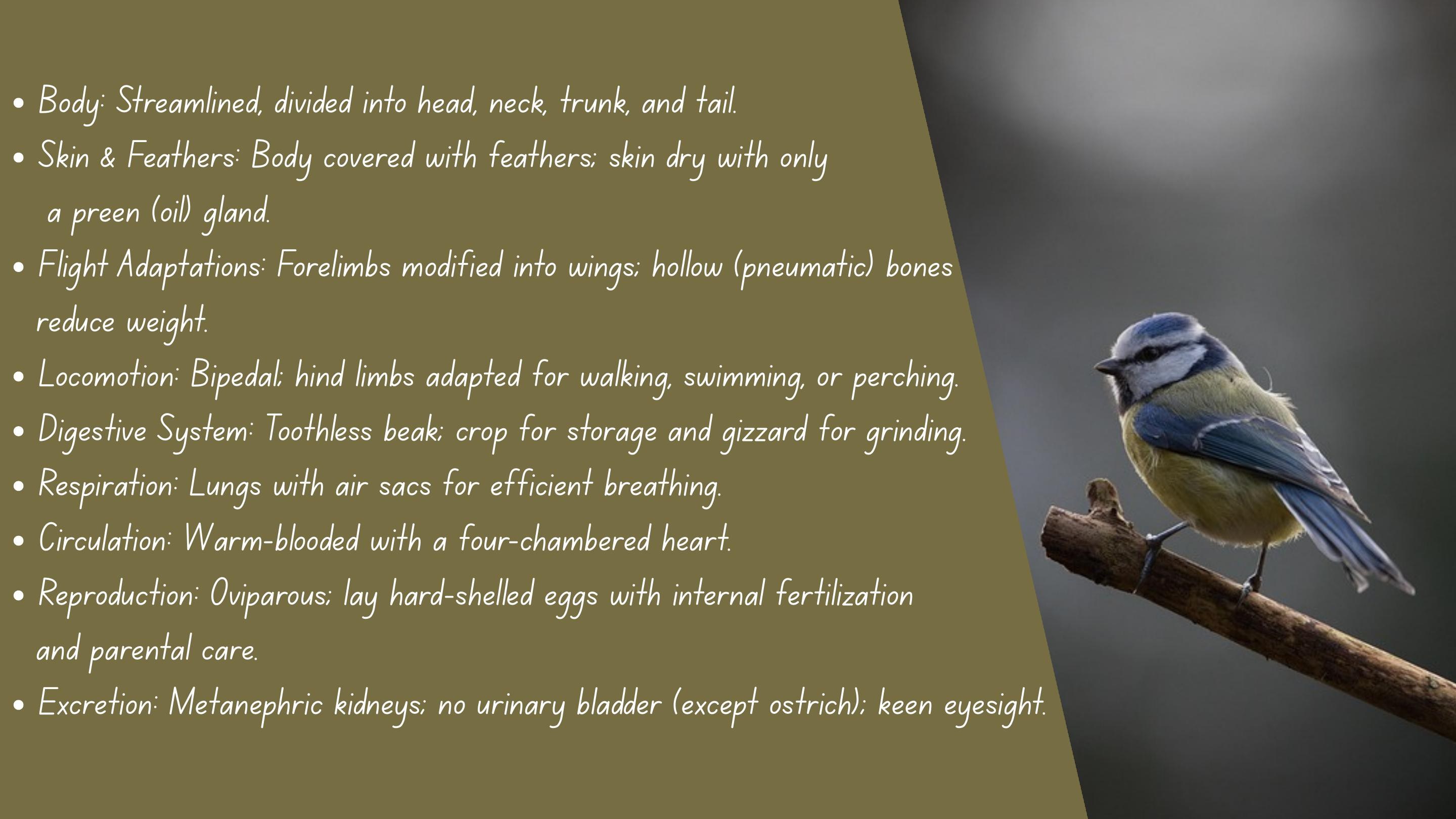
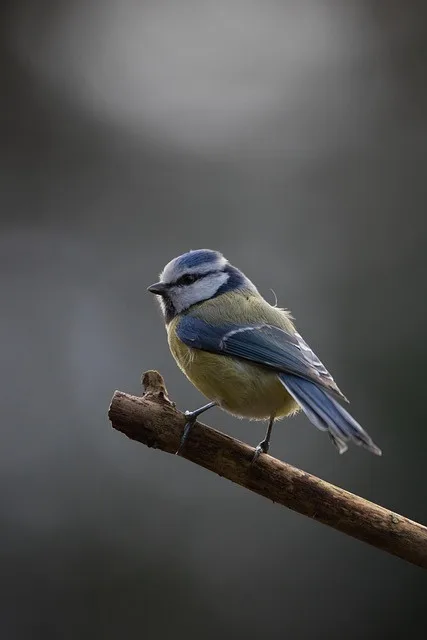
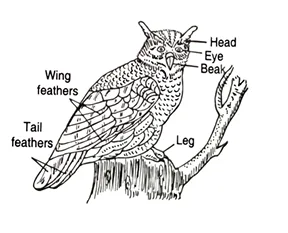
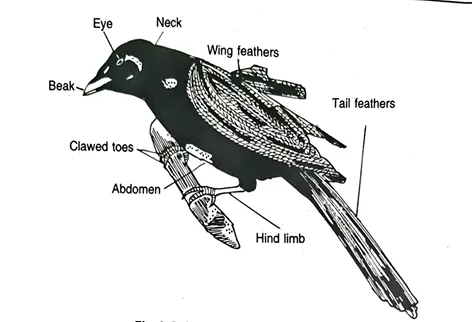
Body: Streamlined, divided into head, neck, trunk, and tail.
Skin & Feathers: Body covered with feathers; skin dry with only
a preen (oil) gland.
Flight Adaptations: Forelimbs modified into wings; hollow (pneumatic) bones
reduce weight.
Locomotion: Bipedal; hind limbs adapted for walking, swimming, or perching.
Digestive System: Toothless beak; crop for storage and gizzard for grinding.
Respiration: Lungs with air sacs for efficient breathing.
Circulation: Warm-blooded with a four-chambered heart.
Reproduction: Oviparous; lay hard-shelled eggs with internal fertilization
and parental care.
Excretion: Metanephric kidneys; no urinary bladder (except ostrich); keen eyesight.
/ 18
End of Document
361

FAQs

what are the general characteristics of class aves

Class Aves, or birds, exhibit several distinct characteristics that define their biological classification.

  • Body Structure: Birds have a streamlined body divided into head, neck, trunk, and tail.
  • Feathers: Their skin is covered with feathers, which are essential for flight and insulation.
  • Flight Adaptations: Forelimbs are modified into wings, and they possess hollow bones to reduce weight.
  • Respiration: Birds have a unique respiratory system with lungs and air sacs for efficient breathing.
  • Reproduction: They are oviparous, laying hard-shelled eggs with internal fertilization.

what habitats do class aves occupy

Class Aves can be found in a variety of habitats across the globe.

  • Forests: Many species thrive in dense forests where they can find food and nesting sites.
  • Wetlands: Birds like herons and ducks are commonly found in wetlands, utilizing the water for feeding.
  • Grasslands: Open areas provide nesting grounds for species such as sparrows and larks.
  • Urban Areas: Some birds have adapted to urban environments, finding food and shelter in cities.
  • Coastal Regions: Shorebirds and seabirds inhabit beaches and coastal waters.

what is the morphology of class aves

The morphology of Class Aves includes several unique physical features.

  • Body Structure: Birds have a body divided into head, neck, trunk, and tail.
  • Beak: The beak varies in shape and size depending on the bird's diet.
  • Wings: Wings are adapted for flight, with varying sizes among species.
  • Legs: Birds possess strong legs adapted for their specific locomotion, whether it be perching, swimming, or running.
  • Feathers: Feathers are crucial for flight and insulation, with different types serving various functions.

how do class aves reproduce

Class Aves reproduce through a process that typically involves internal fertilization.

  • Oviparous: Birds lay eggs that have hard shells, providing protection to the developing embryo.
  • Parental Care: Many species exhibit parental care, with both parents often involved in incubating the eggs and feeding the chicks.
  • Breeding Seasons: Most birds have specific breeding seasons that coincide with favorable environmental conditions.
  • Egg Laying: The number of eggs laid can vary significantly depending on the species, typically ranging from 1 to 12 eggs.

what are the feeding habits of class aves

Class Aves displays a wide range of feeding habits adapted to their environments.

  • Carnivorous: Many birds, like hawks and owls, primarily feed on other animals.
  • Herbivorous: Some species, such as parrots, mainly consume fruits, seeds, and nuts.
  • Omnivorous: Birds like crows and gulls eat both plant and animal matter.
  • Specialized Feeding: Certain birds have specialized beaks adapted for specific diets, such as long, slender beaks for probing flowers.

what is the significance of class aves in ecosystems

Class Aves plays a crucial role in maintaining ecological balance.

  • Pollination: Many birds, like hummingbirds, are key pollinators for various plants.
  • Seed Dispersal: Birds help in seed dispersal, promoting plant diversity and growth.
  • Pest Control: Insectivorous birds help control insect populations, benefiting agriculture.
  • Food Source: Birds serve as a food source for various predators, contributing to the food web.

what adaptations do class aves have for flight

Class Aves possesses several adaptations that facilitate flight.

  • Wing Structure: Wings are specially structured for lift and thrust.
  • Hollow Bones: Birds have lightweight, hollow bones that reduce body weight without sacrificing strength.
  • Muscle Development: Strong flight muscles, particularly the pectoral muscles, enable powerful wing beats.
  • Feather Arrangement: Feathers are arranged to optimize aerodynamics and reduce drag during flight.

what are the different genera within class aves

Class Aves includes various genera, each representing different bird families.

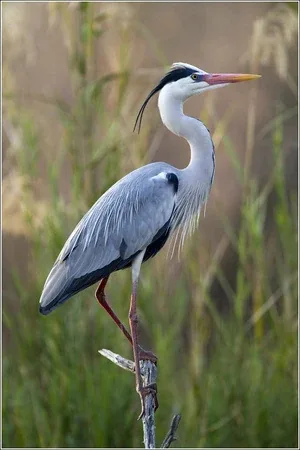
  • Ardea: Includes herons and egrets, known for their wading behavior.
  • Milvus: Encompasses kites and hawks, recognized for their soaring abilities.
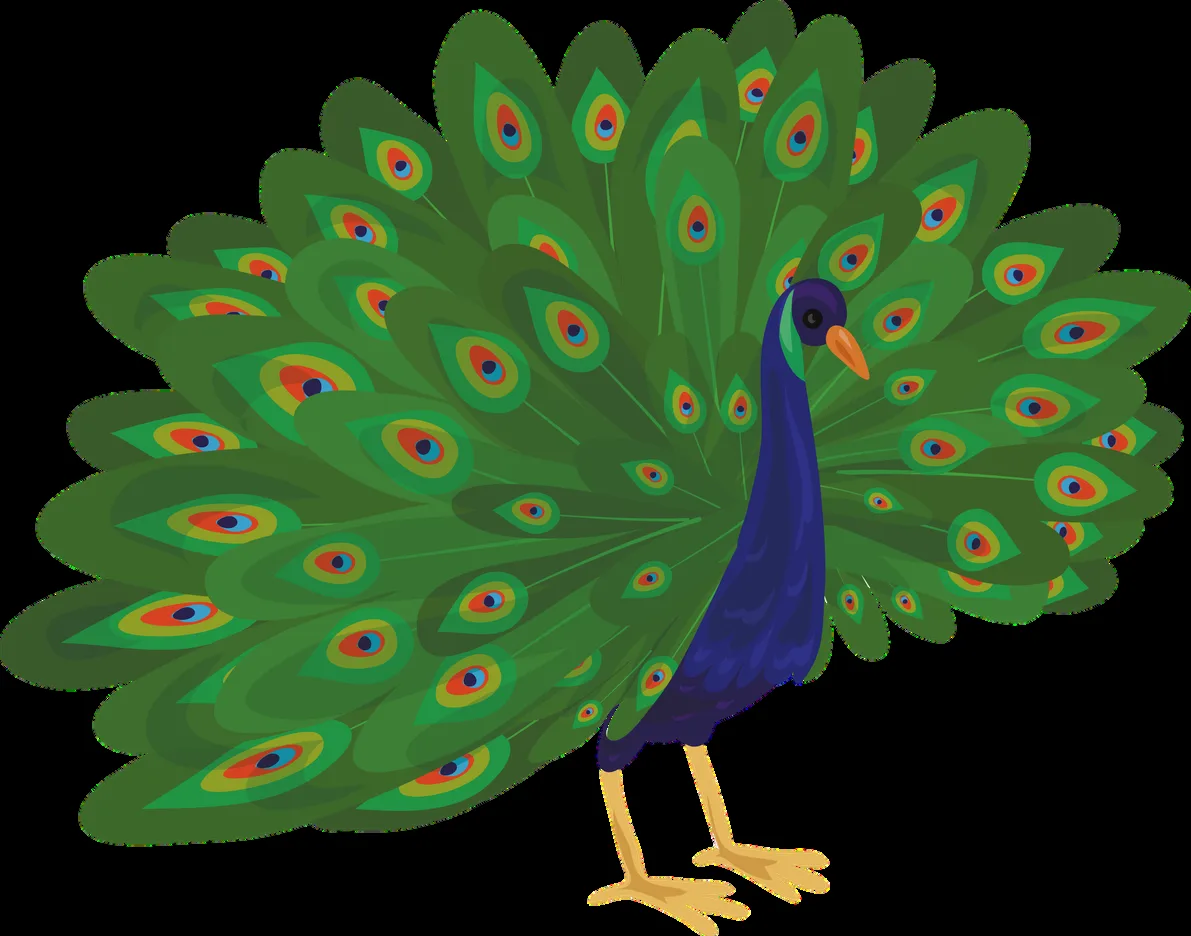
  • Pavo: Represents peafowl, known for their striking plumage.
  • Tyto: Includes barn owls, famous for their nocturnal hunting.
  • Alcedo: Represents kingfishers, known for their fishing skills.
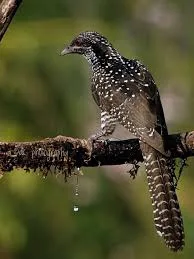
  • Eudynamis: Includes cuckoos, known for their brood parasitism.
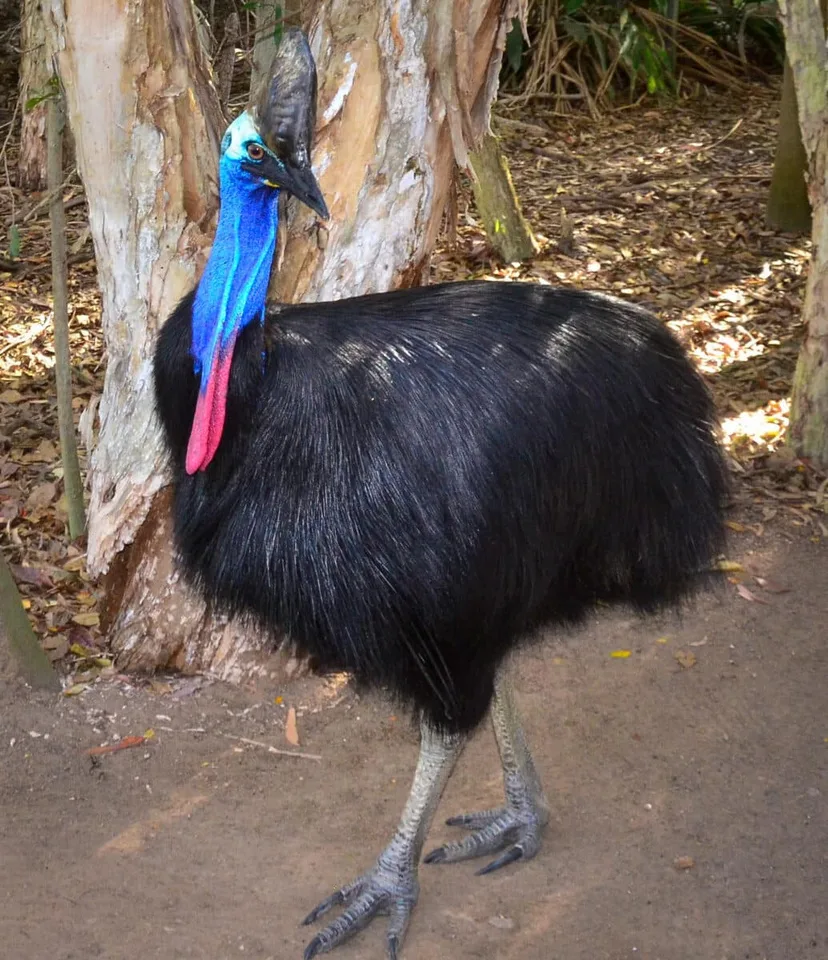
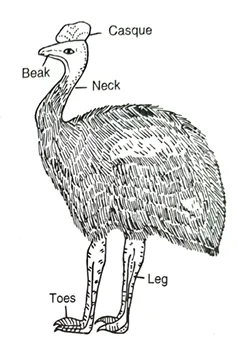
  • Casuarius: Represents cassowaries, large flightless birds found in tropical forests.

how do class aves contribute to biodiversity

Class Aves significantly contributes to global biodiversity.

  • Species Diversity: Birds are one of the most diverse groups of vertebrates, with thousands of species worldwide.
  • Ecological Roles: They occupy various ecological niches, from pollinators to predators.
  • Genetic Diversity: The genetic variation among bird species enhances ecosystem resilience.
  • Indicator Species: Birds often serve as indicators of environmental health, reflecting changes in ecosystems.

what are the unique features of class aves

Class Aves is characterized by several unique features that distinguish them from other animal classes.

  • Feathers: Unique to birds, feathers provide insulation and enable flight.
  • Beaks: Birds have beaks instead of teeth, adapted for their specific feeding habits.
  • Endothermy: Birds are warm-blooded, maintaining a constant body temperature.
  • High Metabolism: Birds possess a high metabolic rate to support their energy needs for flight.