Filtering techniques in engineering measurements focus on removing unwanted frequencies from signals. This document discusses various types of filters, including low-pass, high-pass, bandpass, and notch filters, explaining their applications in signal processing. It also covers Butterworth filters and their design principles, making it a valuable resource for engineering students and professionals. The content is suitable for those studying electrical engineering or working in fields that require signal analysis.

Key Points

  • Explains low-pass, high-pass, bandpass, and notch filters
  • Covers Butterworth filter design principles and applications
  • Discusses analog and digital filtering techniques
  • Includes practical examples for engineering measurements
Slade Sevy
15 pages
Language:English
Type:Lecture Notes
Slade Sevy
15 pages
Language:English
Type:Lecture Notes
171
/ 15
Filtering
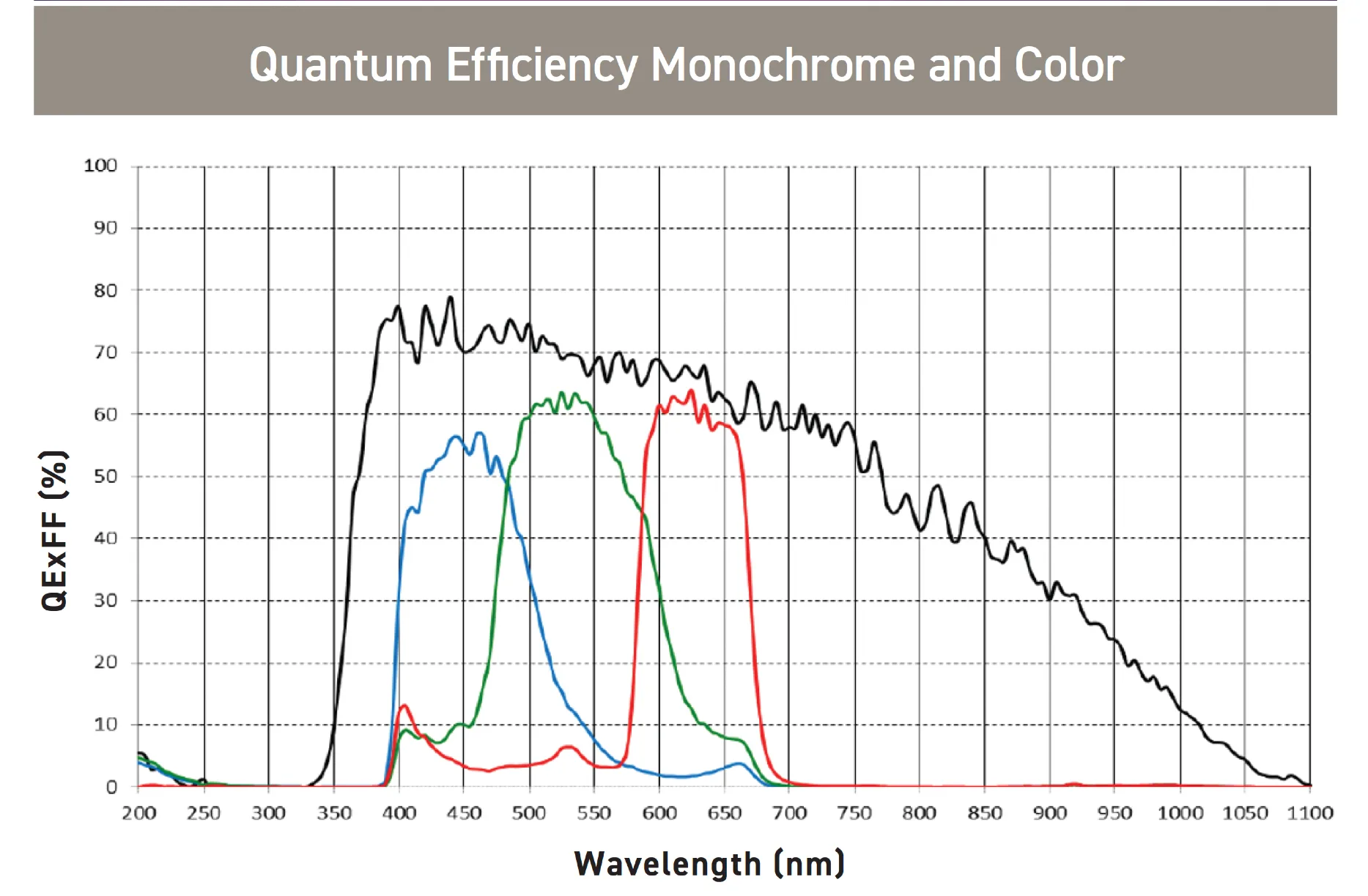
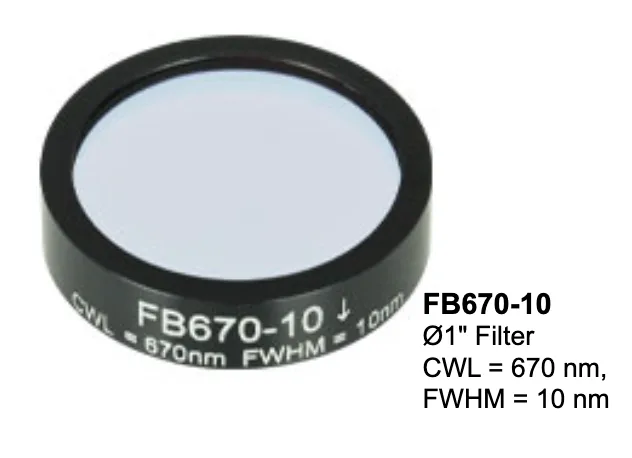
Color cameras
https://www.teachengineering.org/lessons/view/csm_filtering_lesson01
Filters
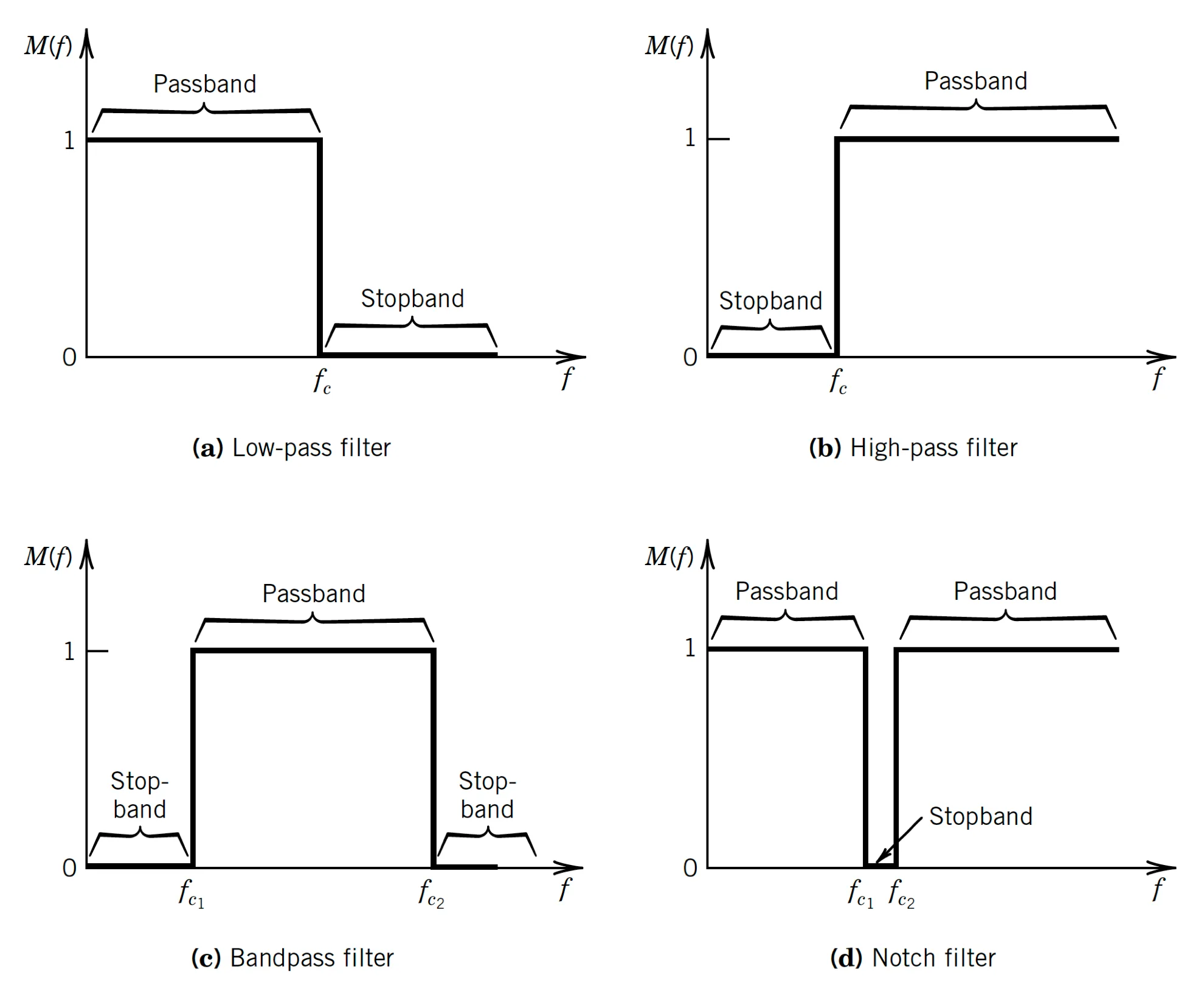
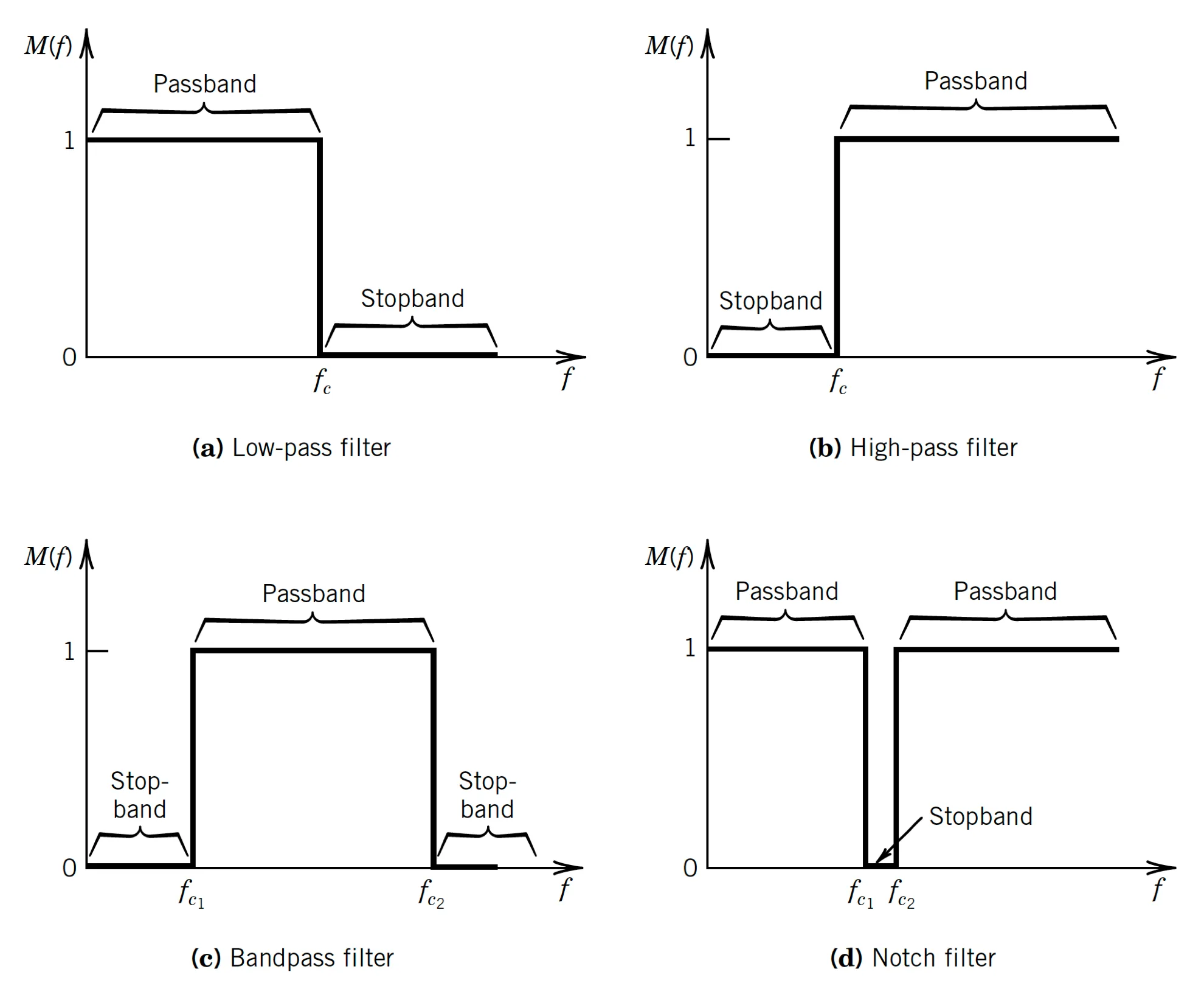
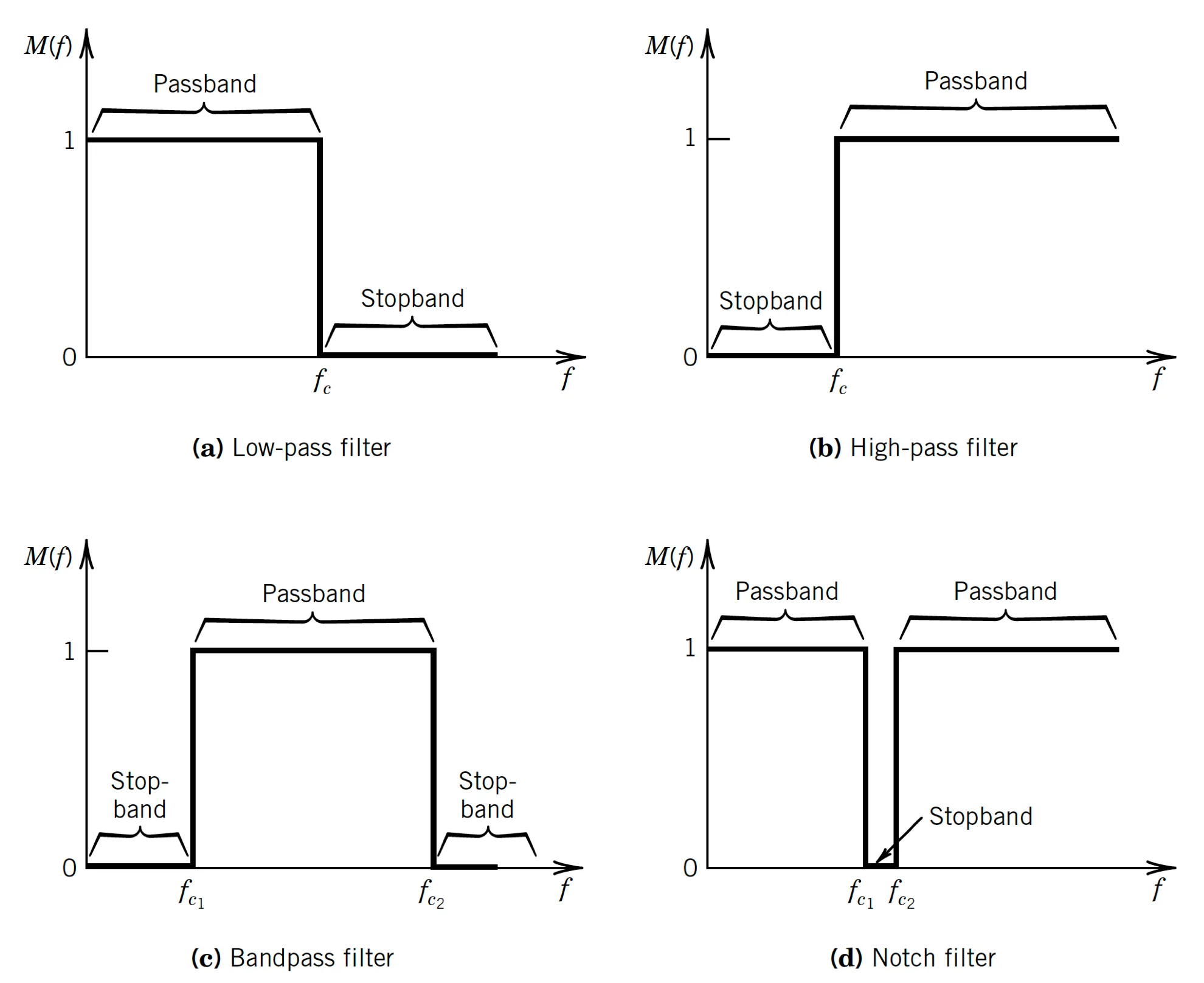
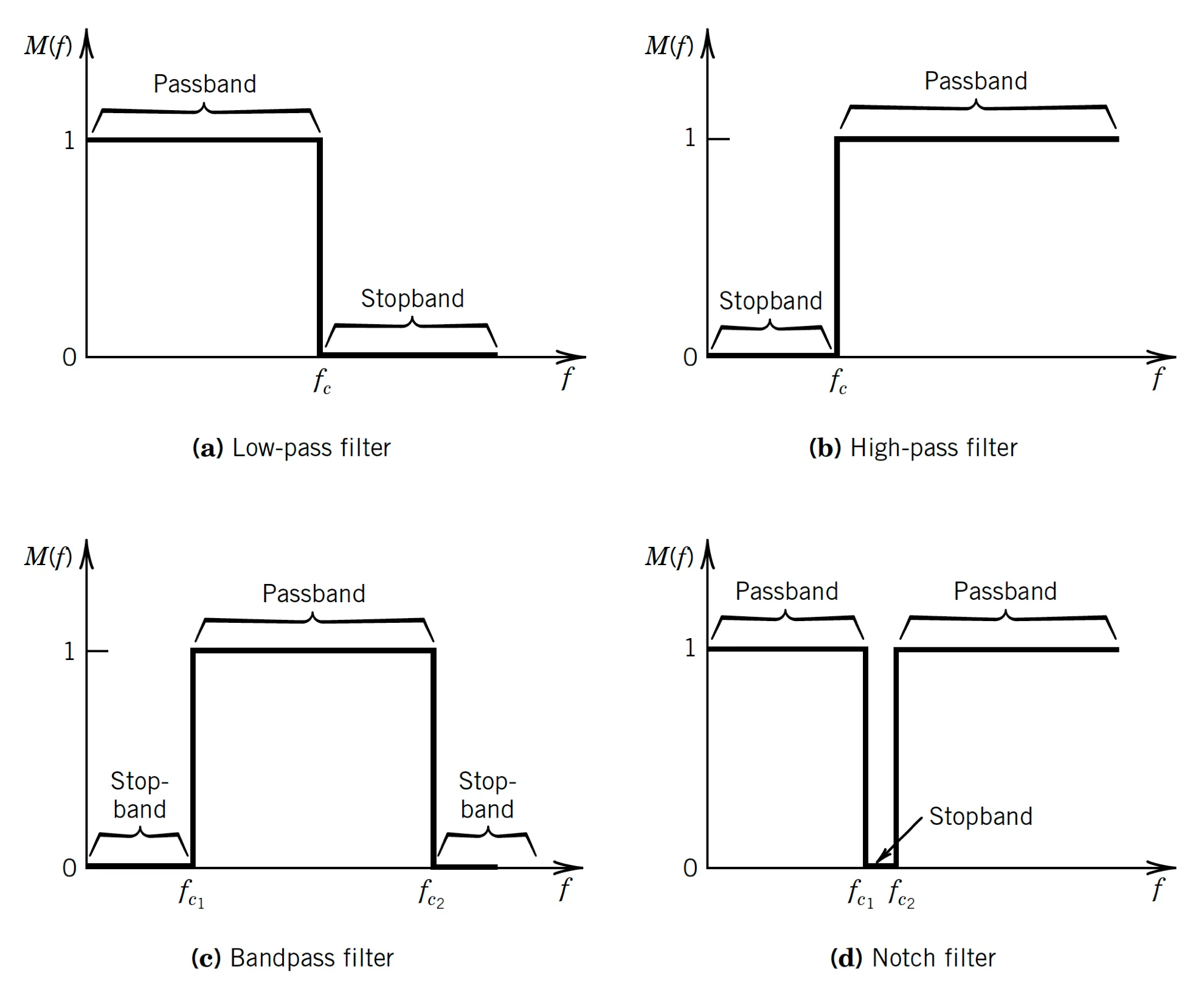
A filter removes undesired frequencies from a signal.
The passband is the range of frequencies that is allowed to pass through a filter.
The stopband is the range of frequencies that is blocked by the filter.
Filters are designed around their cutoff frequency , which is the boundary between the
passband and the stopband.
f
c
Low-pass High-pass Bandpass Notch
Basic filters with ideal gains
Filtering can be done at either the analog stage (signal conditioning) or digital stage (post
processing).
Real filters
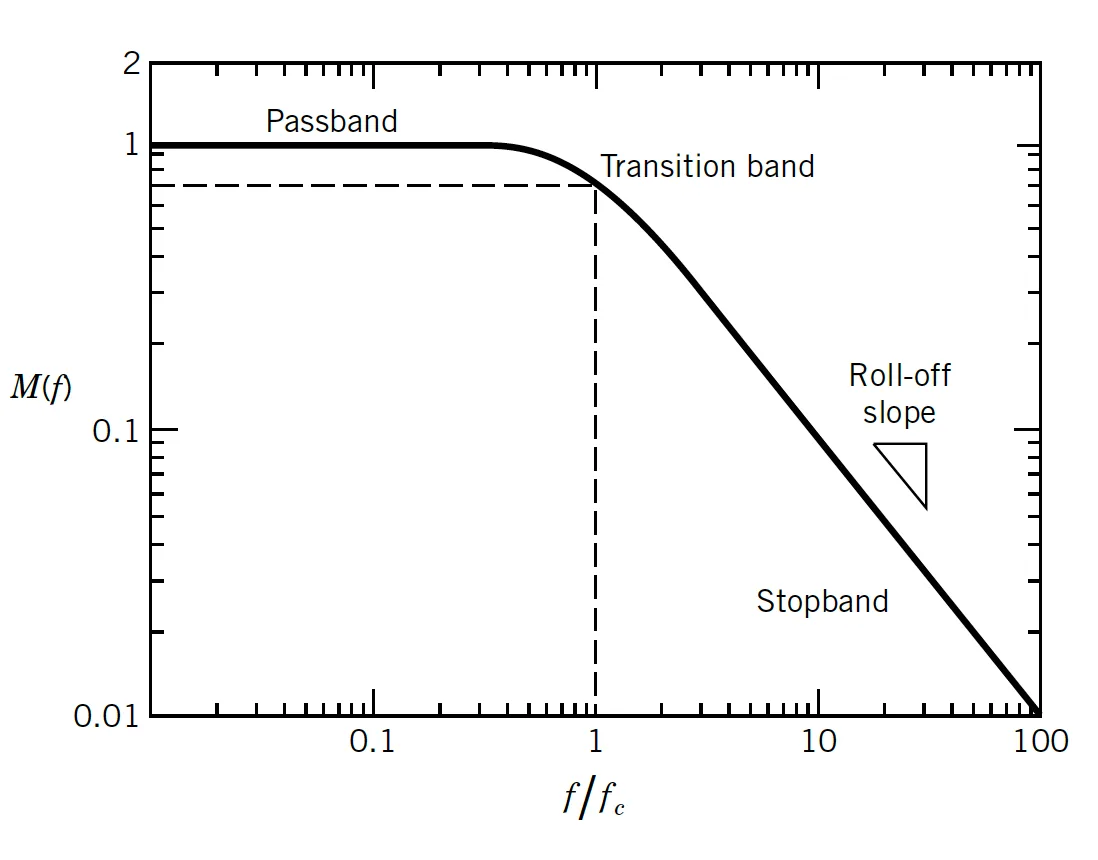
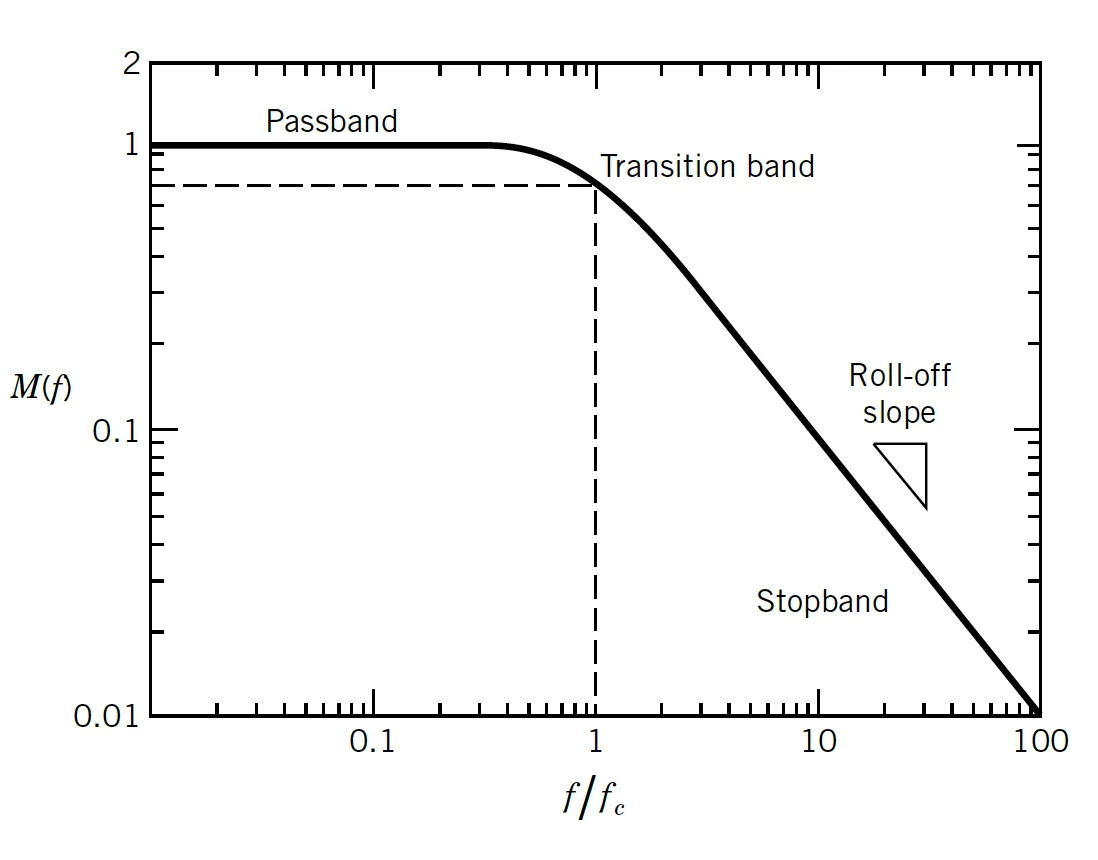
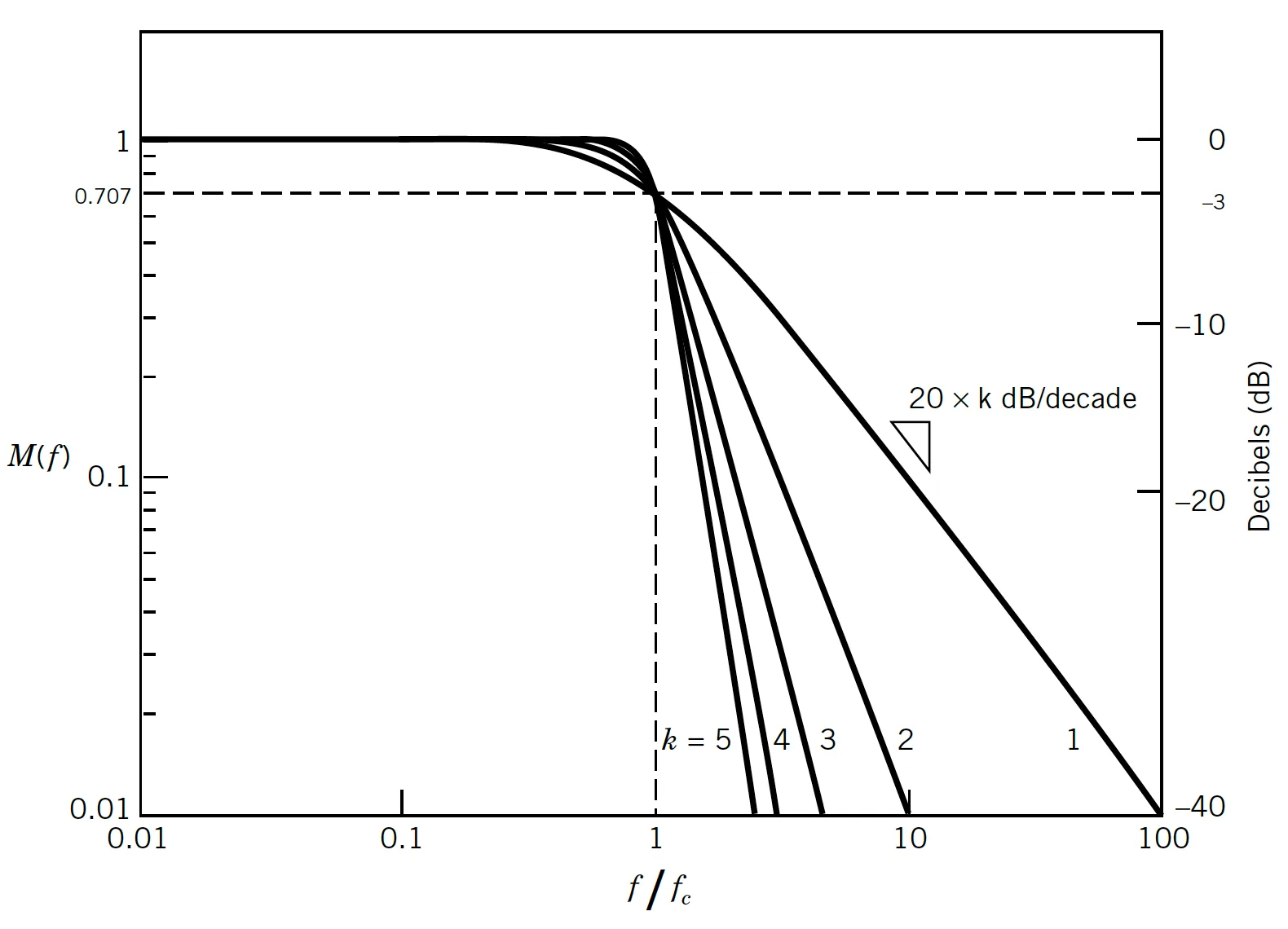
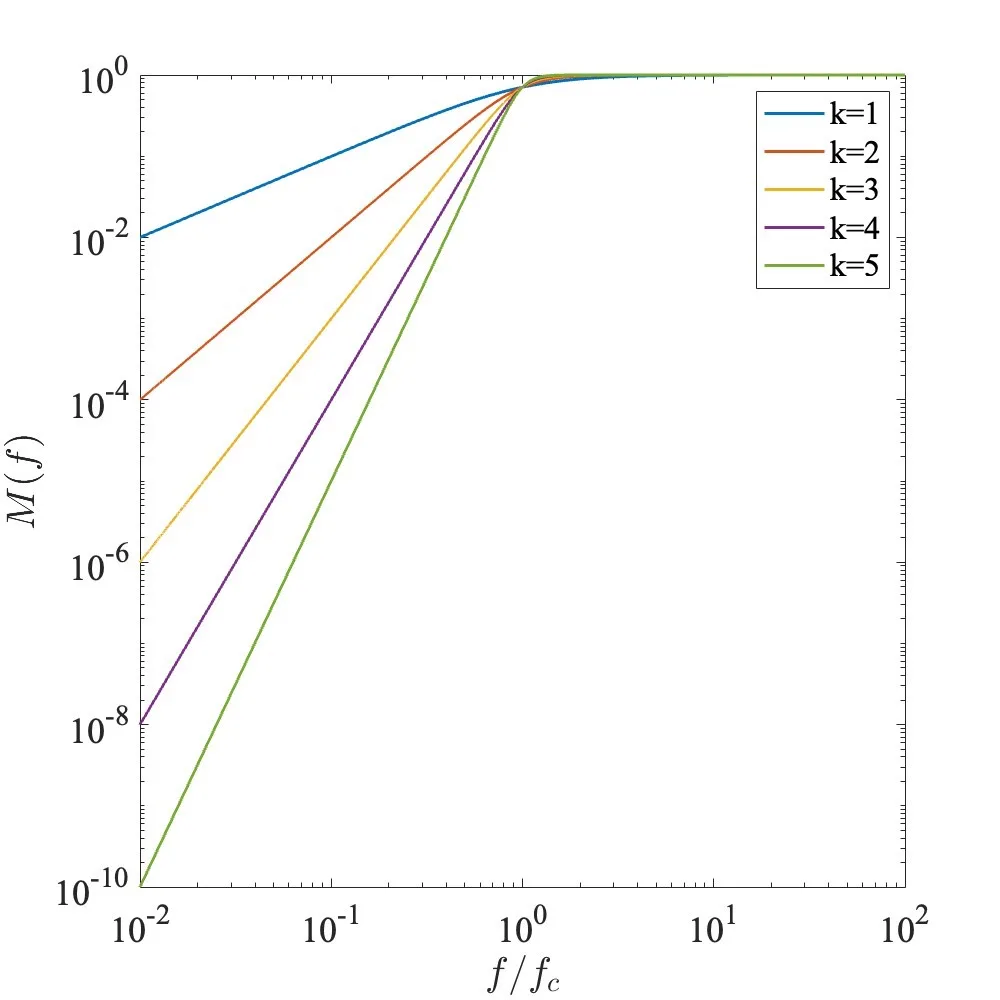
The sharp cutoff of the ideal filter cannot be achieved in a real filter. Rather the magnitude ratio
changes more gradually with frequency . Filters are designed around their cutoff
frequency , which is the point where or 3 dB of attenuation.
M( f )
f
f
c
M( f ) = 1/ 2 = 0.7071
Real filters also cause a phase shift . They can be designed to optimize one of the following:
Flat magnitude ratio over the passband
Linear phase shift over the passband
Sharp transition from the passband to the stop band (steep roll off)
ϕ( f )
M( f )
ϕ( f )
/ 15
End of Document
171

FAQs

what are filtering techniques in engineering measurements
Filtering techniques in engineering measurements are methods used to remove unwanted frequencies from a signal.
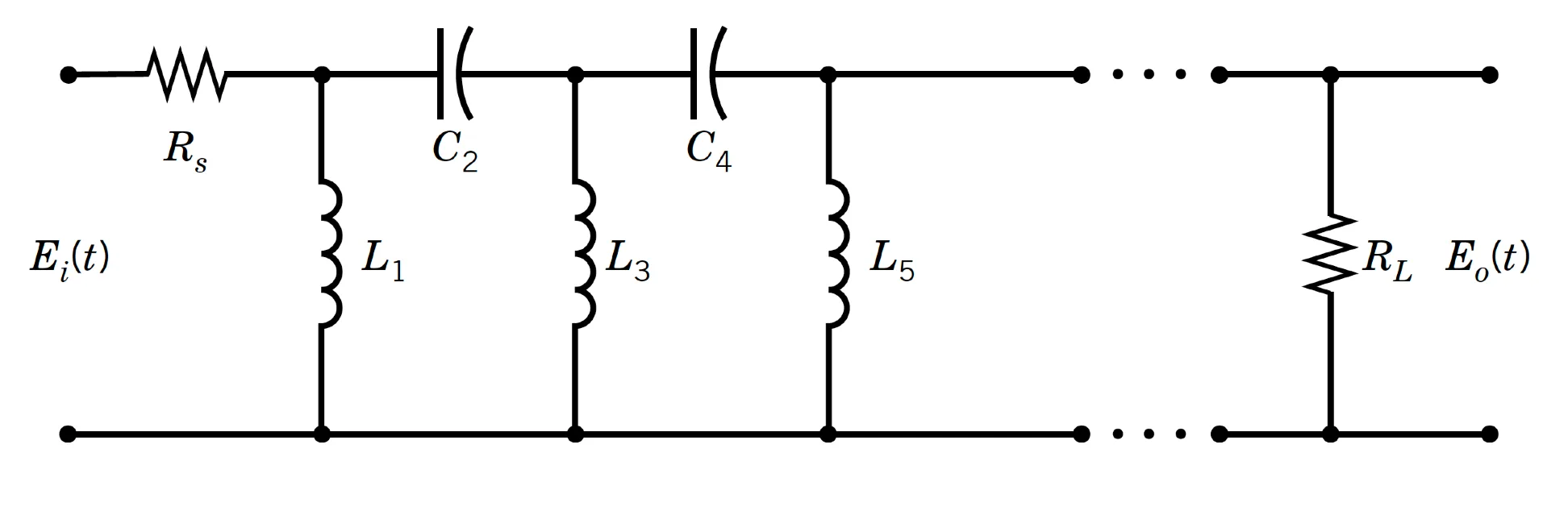
  • Passband: The range of frequencies that are allowed to pass through the filter.
  • Stopband: The range of frequencies that are blocked by the filter.
  • Cutoff Frequency: The boundary between the passband and stopband.

how do filtering techniques work in engineering measurements
Filtering techniques work by altering the amplitude and phase of signals at different frequencies.

  • Analog Filtering: Done at the signal conditioning stage, manipulating the signal before it is digitized.
  • Digital Filtering: Applied during post-processing, allowing for more complex manipulations.
  • Real Filters: These cannot achieve ideal sharp cutoffs but provide gradual changes in response.

what are the types of filters in engineering measurements
There are several types of filters used in engineering measurements, each designed for specific applications.

  • Low-pass Filters: Allow frequencies below a certain cutoff to pass through.
  • High-pass Filters: Allow frequencies above a certain cutoff to pass through.
  • Bandpass Filters: Allow a specific range of frequencies to pass while blocking others.
  • Notch Filters: Block a specific frequency while allowing others to pass.

what is the importance of filtering techniques in engineering measurements
Filtering techniques are crucial in engineering measurements as they improve signal quality by removing noise.
  • Signal Clarity: Enhances the clarity of the desired signal by reducing interference.
  • Data Accuracy: Increases the accuracy of measurements by eliminating unwanted frequencies.
  • System Performance: Improves overall system performance by ensuring that only relevant data is processed.

how to design a low-pass Butterworth filter in engineering measurements
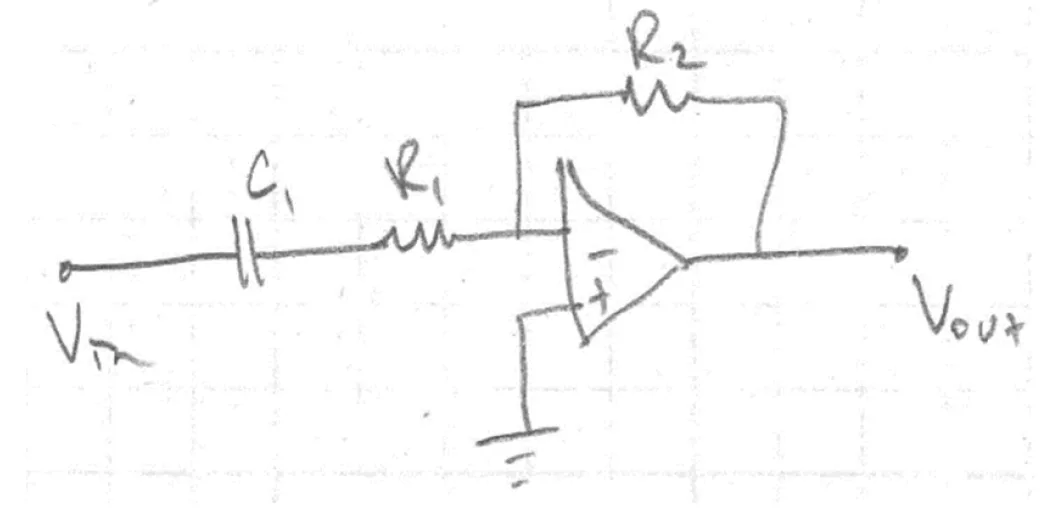
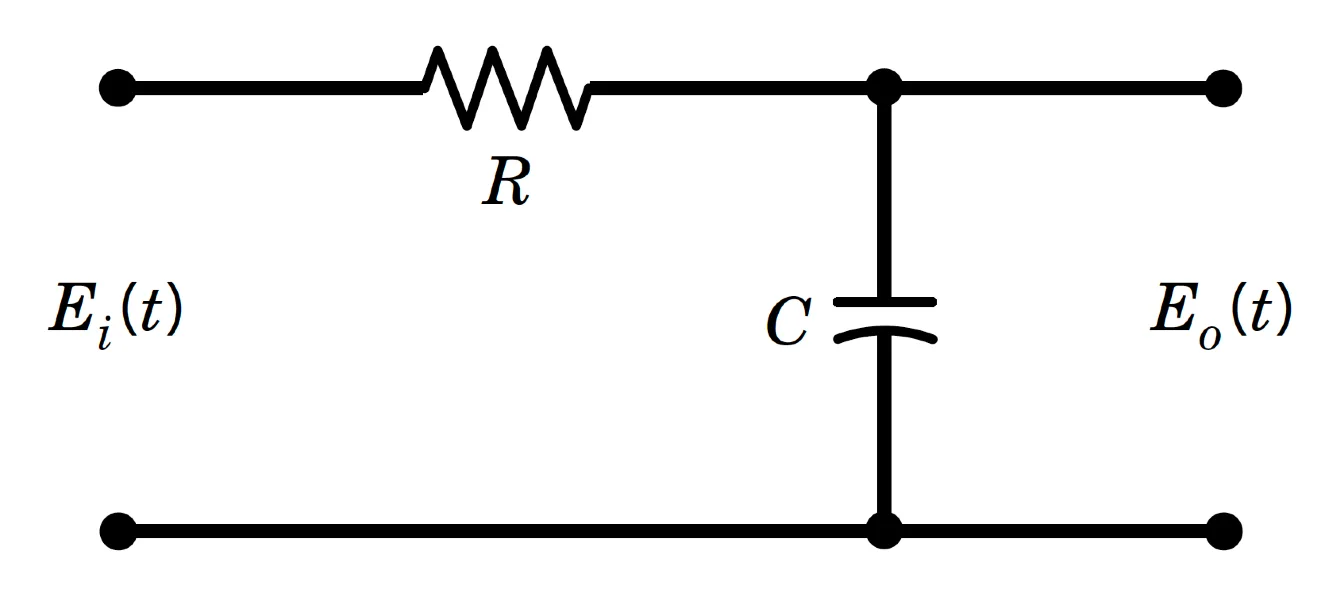
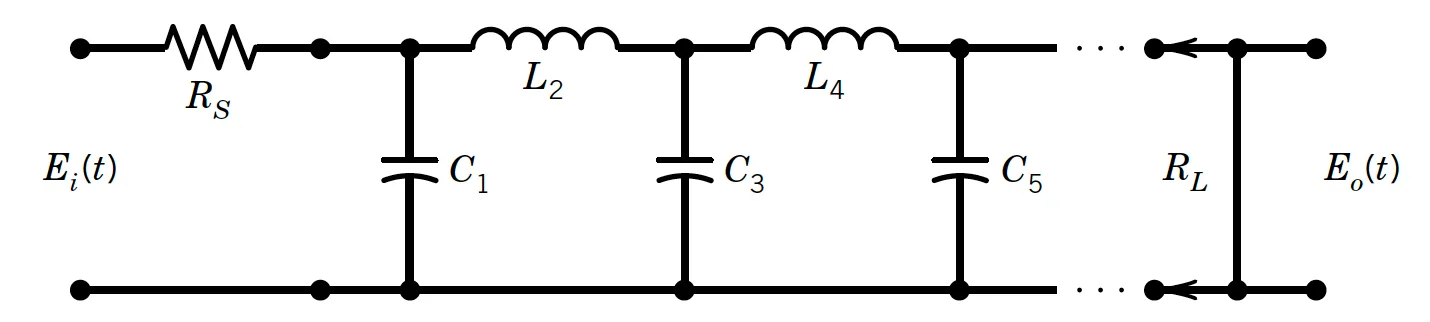
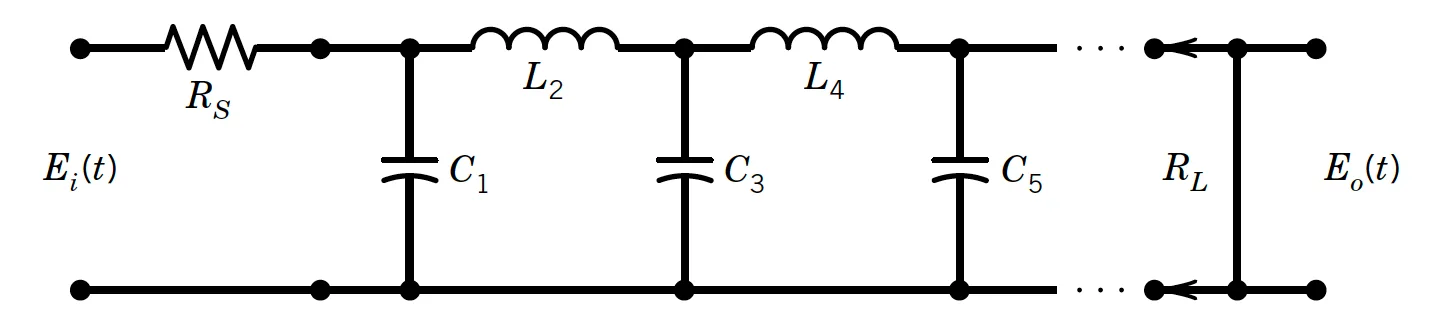
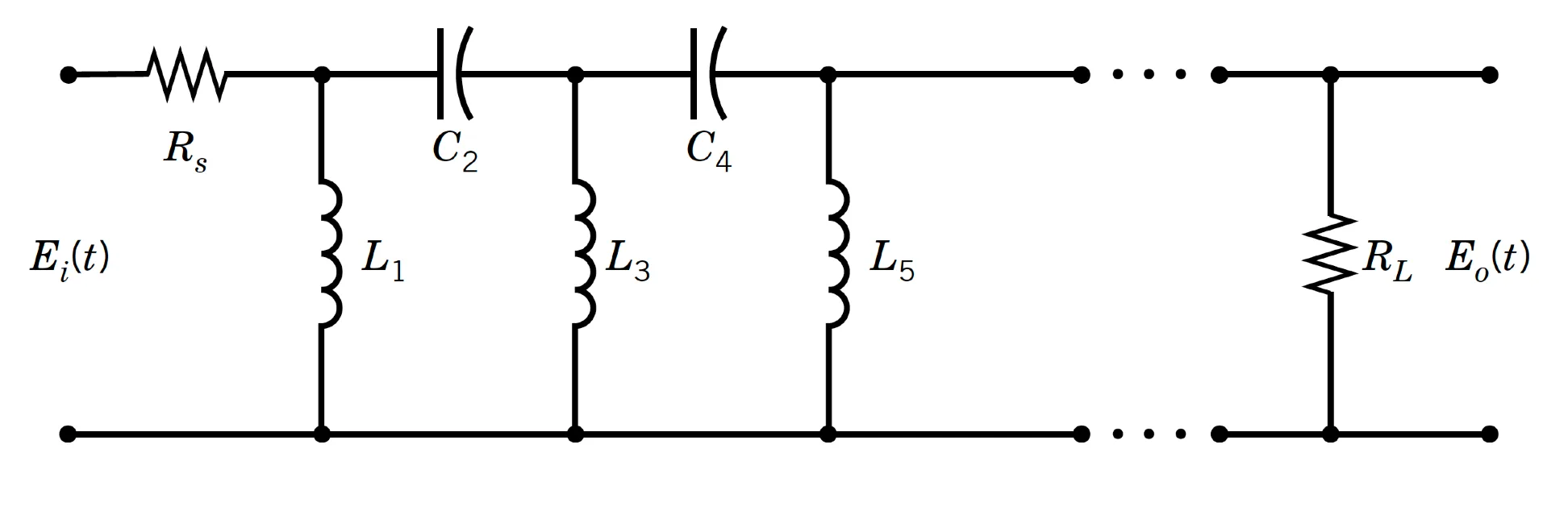
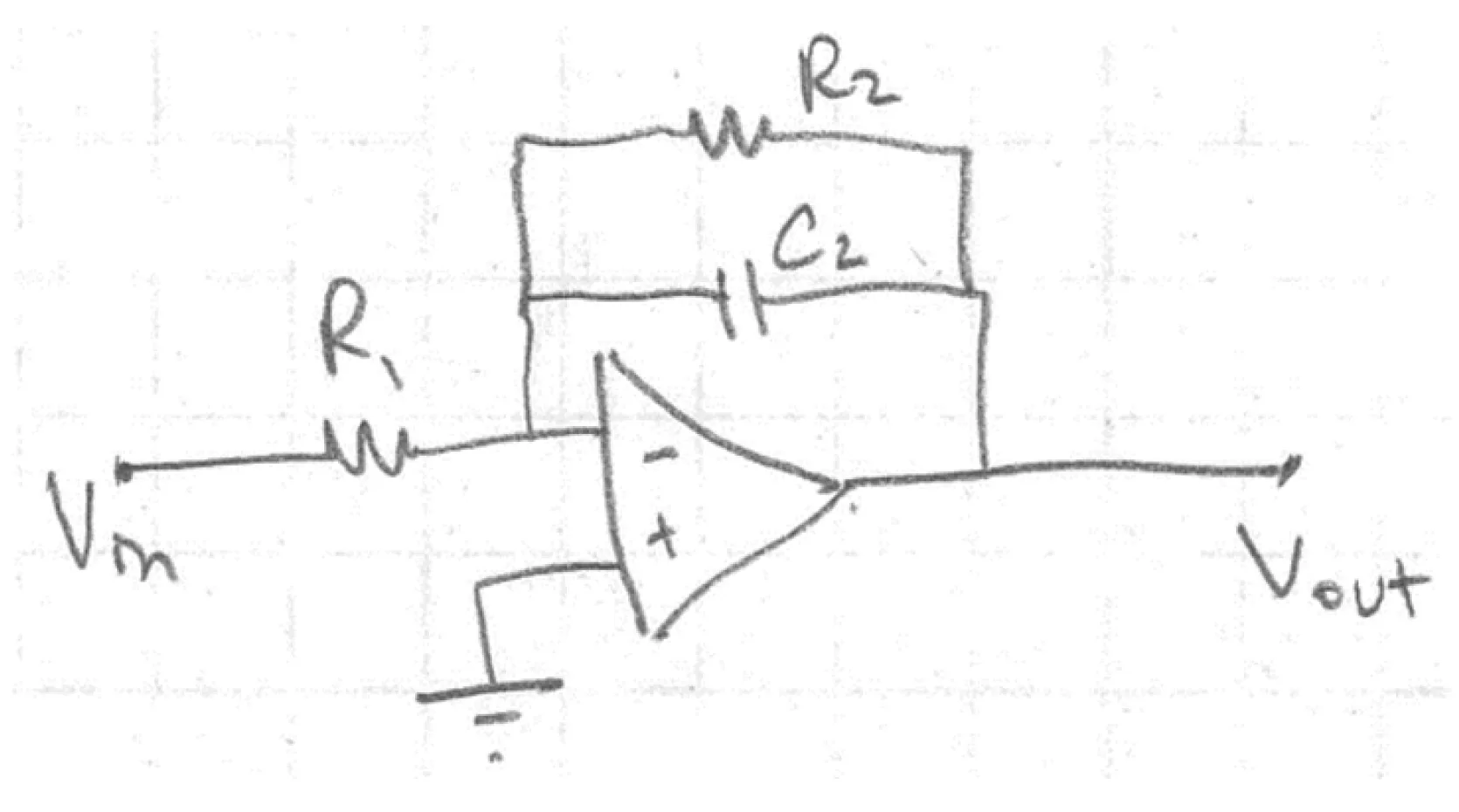
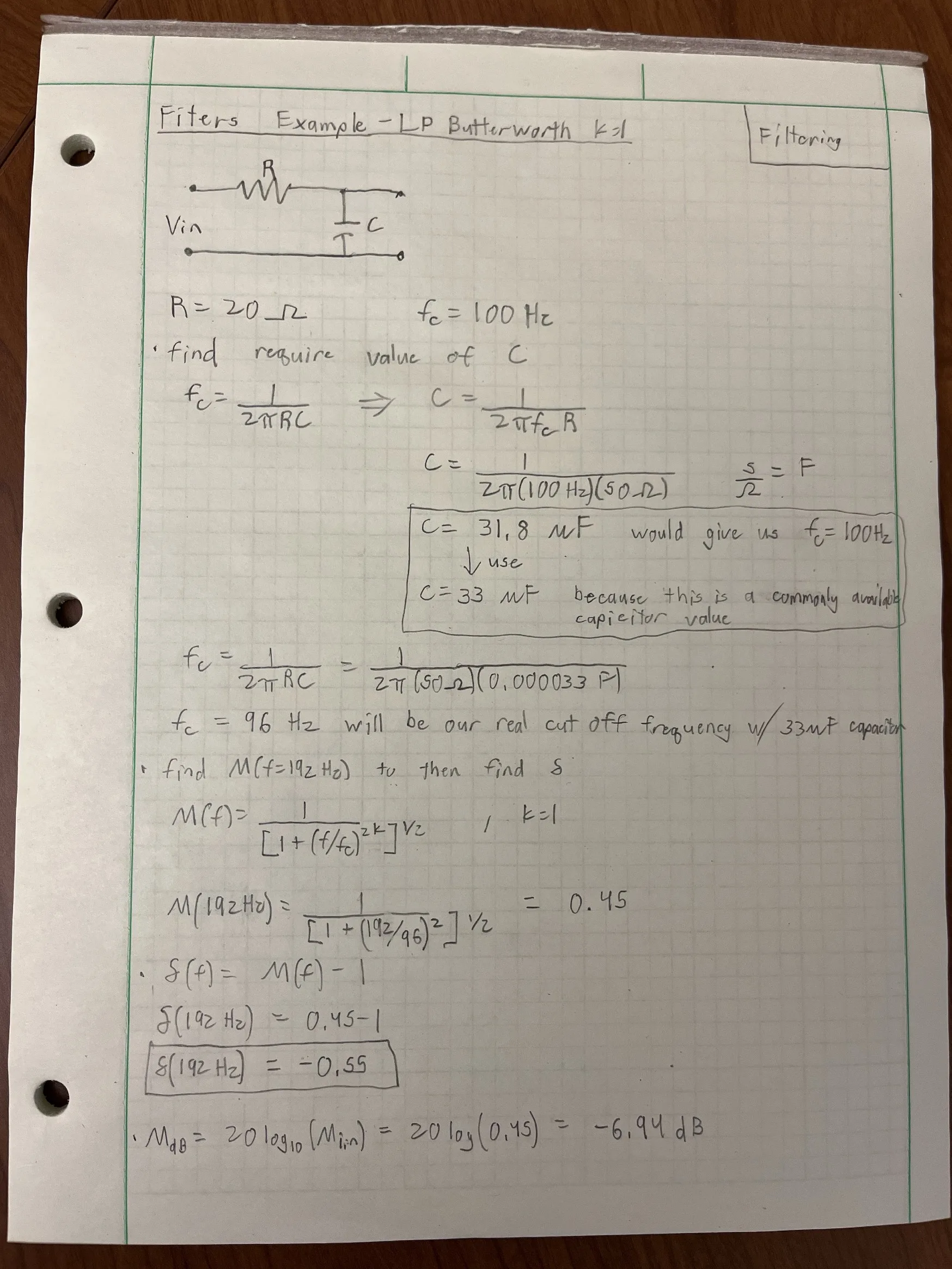
Designing a low-pass Butterworth filter involves specific calculations for the circuit components.

  • Components: Use resistors and capacitors to create the filter circuit.
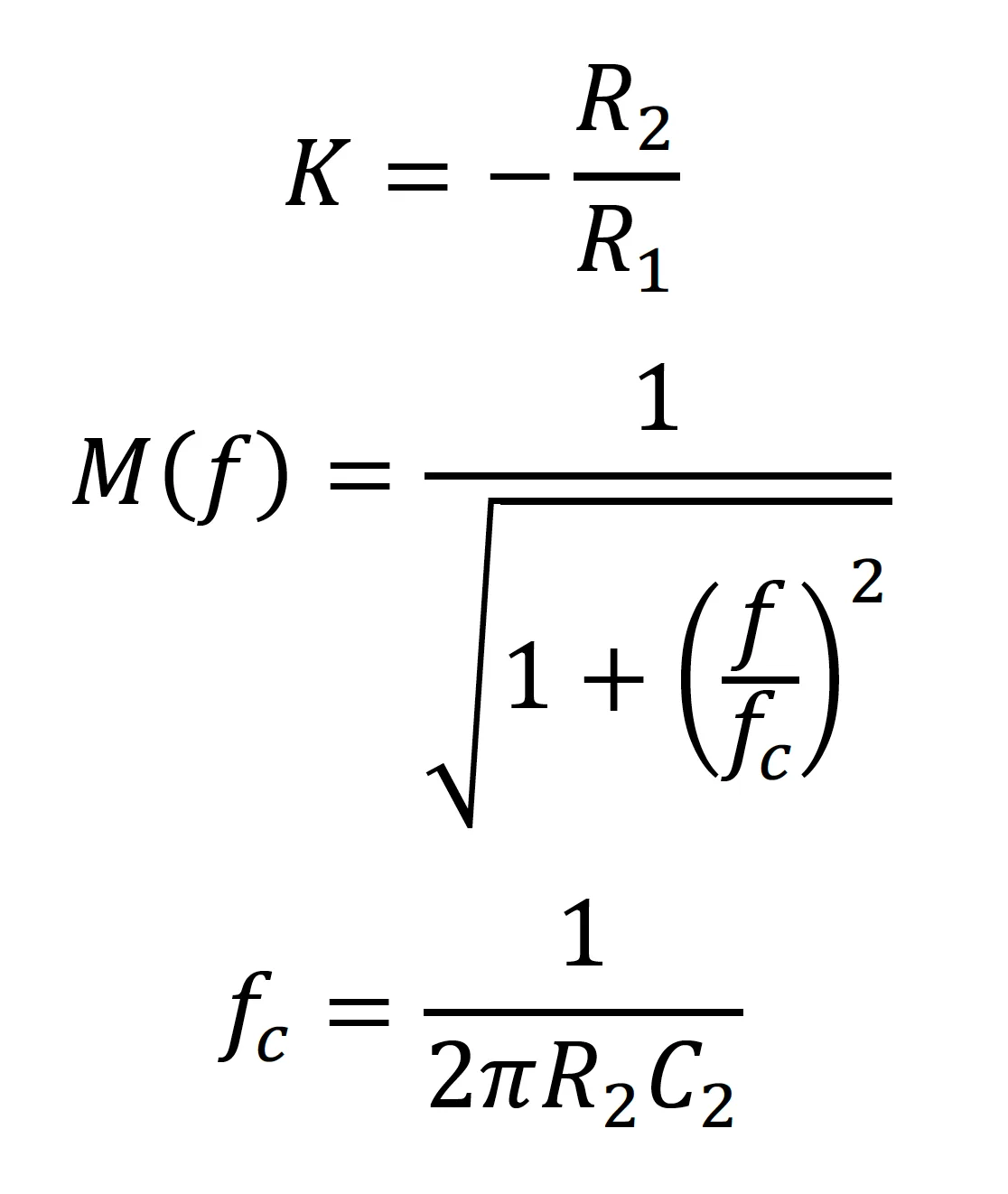
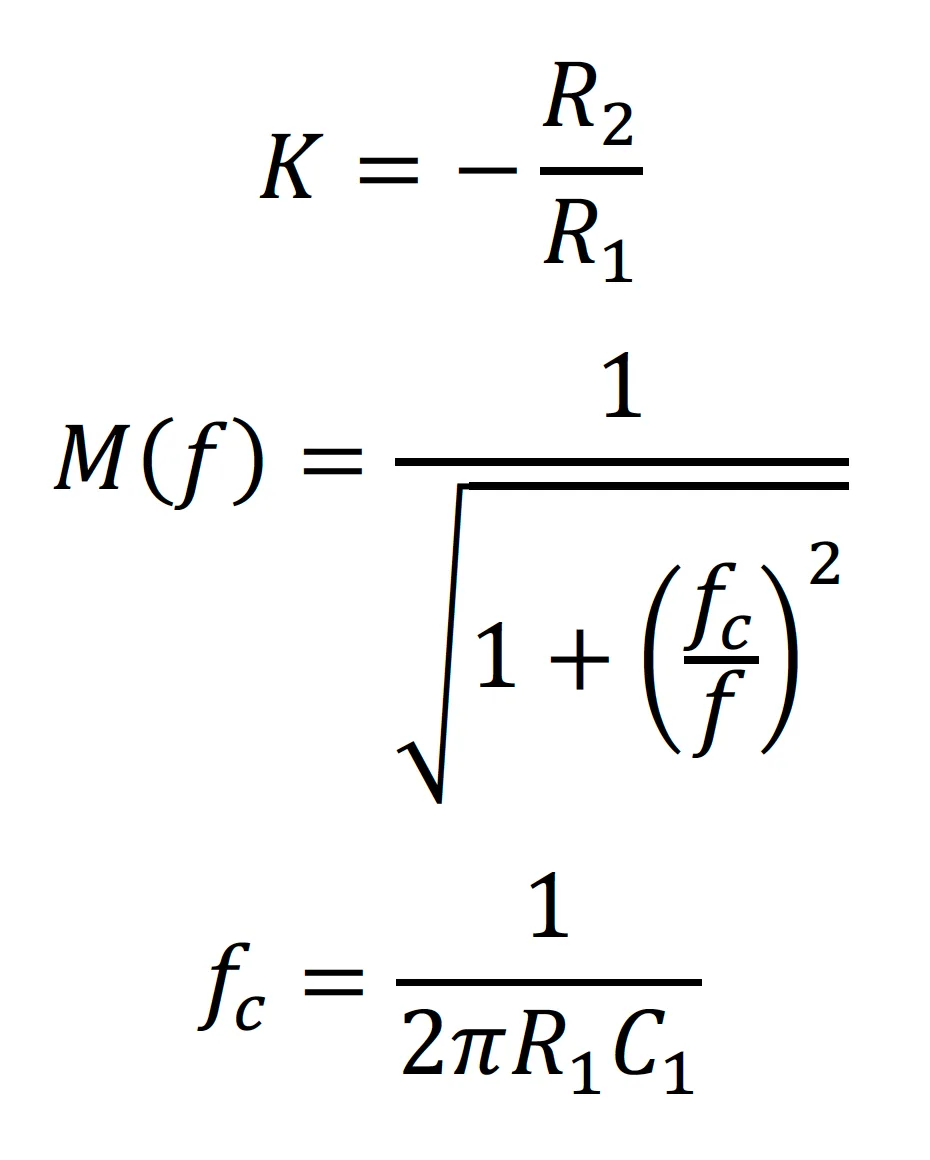
  • Cutoff Frequency: Determine the cutoff frequency using the formula: fc = 1/(2πRC).
  • Flat Response: The Butterworth filter is chosen for its flat passband response, ideal for minimizing distortion.

what are the applications of filtering techniques in engineering measurements
Filtering techniques are widely used across various engineering fields for numerous applications.

  • Signal Processing: Used in telecommunications to enhance signal quality.
  • Audio Engineering: Applied in sound systems to manage frequency response.
  • Control Systems: Essential for improving the stability and performance of control systems.

what is the difference between analog and digital filtering techniques in engineering measurements
The main difference between analog and digital filtering techniques lies in their application stages and methods.

  • Analog Filtering: Involves physical components like resistors and capacitors to filter signals before digitization.
  • Digital Filtering: Utilizes algorithms to process signals after they have been digitized, allowing for more complex operations.

how do real filters differ from ideal filters in engineering measurements
Real filters differ from ideal filters primarily in their response characteristics.

  • Gradual Changes: Real filters exhibit gradual changes in magnitude ratio rather than the sharp cutoffs of ideal filters.
  • Phase Shift: Real filters introduce phase shifts that can affect signal timing.
  • Design Optimization: They are designed to optimize either magnitude response or phase response, but not both simultaneously.

what is the role of attenuation in filtering techniques in engineering measurements
Attenuation plays a critical role in filtering techniques by determining how much a filter reduces unwanted signal components.

  • Measurement: Attenuation is typically measured in decibels (dB).
  • Signal Integrity: High attenuation of unwanted frequencies helps maintain the integrity of the desired signal.
  • Performance Metrics: It is a key performance metric when evaluating filter effectiveness.

what are Butterworth filters and their significance in engineering measurements
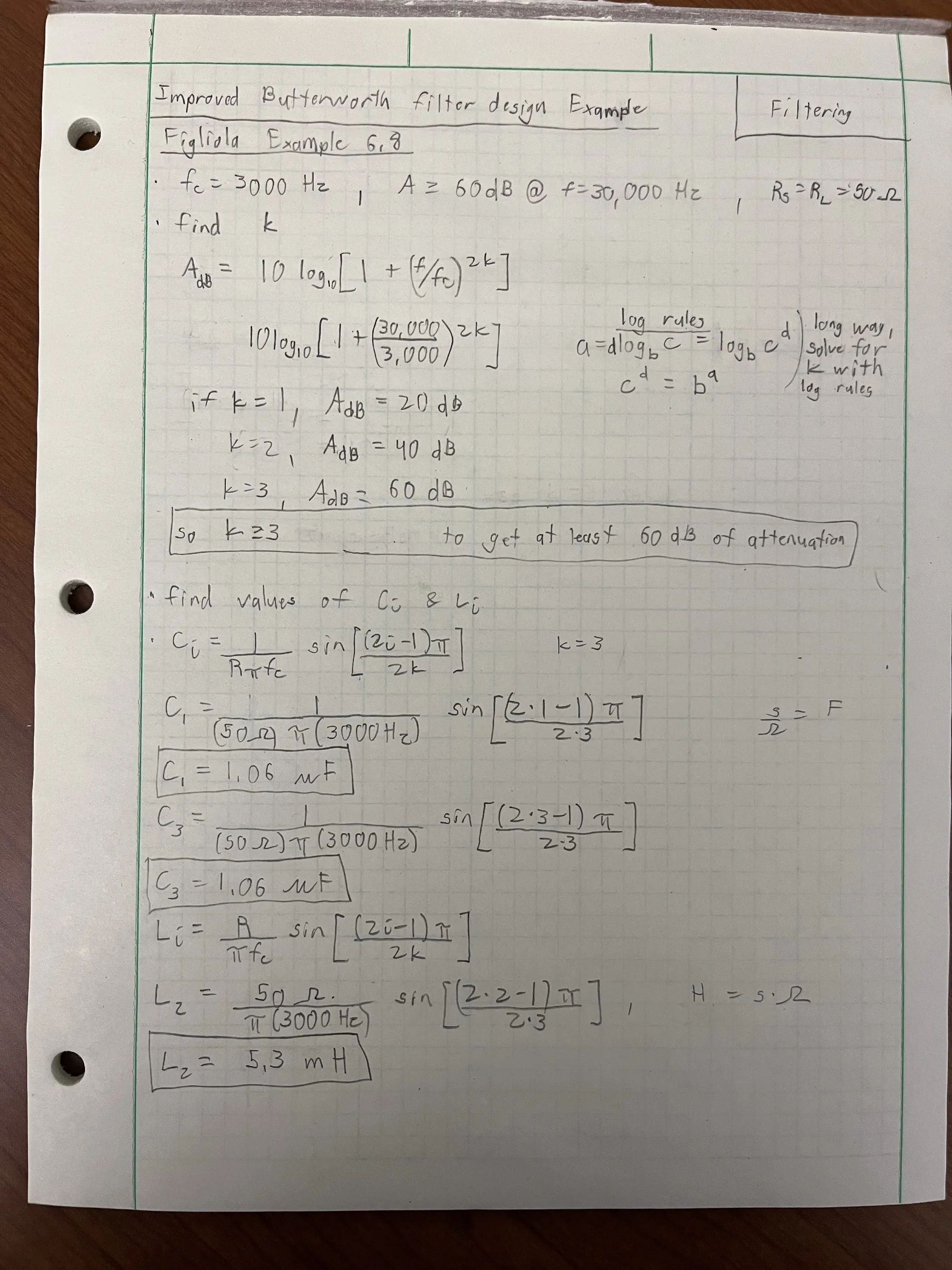
Butterworth filters are a type of filter known for their maximally flat frequency response in the passband.

  • Flat Magnitude Response: They provide a smooth response without ripples, making them ideal for many applications.
  • Common Use: Frequently used as anti-aliasing filters in data acquisition systems.
  • Design Simplicity: Their design is straightforward, allowing for easy implementation in various systems.