General principles in the management of poisons cover the definition of toxins, causes of poisoning, and symptoms associated with various poisons. This document outlines clinical evaluation methods and emergency stabilization techniques for respiratory and circulatory failure due to poisoning. It also discusses the administration of antidotes and the importance of supportive care and monitoring in patients affected by toxic substances. Aidoo’s work is essential for healthcare professionals in pharmacology and toxicology, providing critical insights into the management of poison cases.

Key Points

  • Defines toxins and their origins, including examples like bungarotoxins and botulinum toxin
  • Outlines emergency stabilization techniques for respiratory and circulatory failure due to poisoning
  • Describes the administration of antidotes and their mechanisms of action
  • Emphasizes the importance of supportive care and monitoring in poisoned patients
Pamella Bonsu
Edition:2025
67 pages
Language:English
Type:Lecture Notes
Pamella Bonsu
Edition:2025
67 pages
Language:English
Type:Lecture Notes
356
/ 67
GENERAL PRINCIPLES IN
MANAGEMENT OF POISONS
MATTHEW AIDOO
Department of Pharmacology and Toxicology
School of Pharmacy and Pharmaceutical Sciences
University for Development Studies, Tamale
OUTLINE
Introduction
Definition of toxin/overdosage/poison
Causes of poisons
General symptoms of poisons
Clinical evaluation of poisons
General principles of management and monitoring of drug
overdosage/poison
INTRODUCTION
HISTORY
Ancient civilizations in Africa and Asia were knowledgeable about
natural poisons which they used in Hunting, Rituals, Medicine.
The Greeks and Romans used poisons (hemlock plant, opium etc.)
in warfare and execution.
Victims of poison execution include Socrates (made to drink a cup
of hemlock) convicted of corrupting the youth of Athens and
introducing strange gods.
/ 67
End of Document
356

FAQs

what are the general principles in management of poisons

The general principles in management of poisons involve a systematic approach to treat and evaluate poisoning cases effectively.

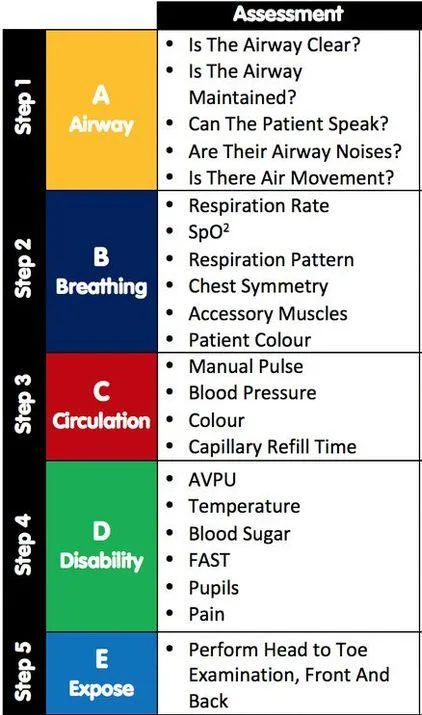
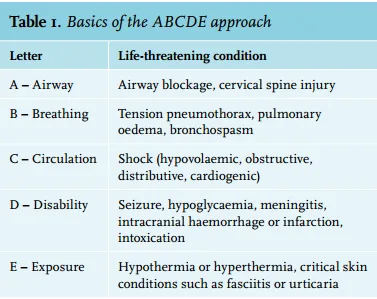
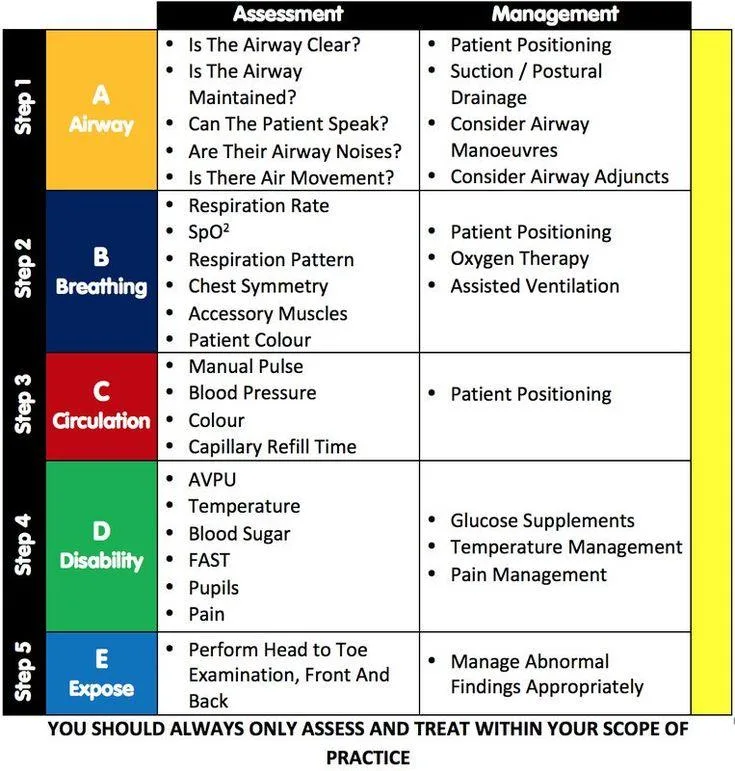
  • Emergency Stabilization: Address immediate life-threatening issues using the ABCDE approach (Airway, Breathing, Circulation, Disability, Exposure).
  • Clinical Evaluation: Conduct thorough assessments to determine the type and extent of poisoning.
  • Decontamination: Implement methods to eliminate the poison from the body, such as activated charcoal or gastric lavage.
  • Supportive Care: Monitor vital signs and provide symptomatic treatment.
  • Administration of Antidotes: Use specific antidotes when available to counteract the effects of poisons.

how to treat poisoning according to general principles in management of poisons

Treating poisoning according to the general principles in management of poisons involves several critical steps.

  • Initial Assessment: Quickly evaluate the patient's condition to identify any life-threatening symptoms.
  • Decontamination: Remove the poison from the body through methods like emesis or gastric lavage.
  • Supportive Care: Provide necessary medical support, including fluids and monitoring of vital signs.
  • Antidotes: Administer specific antidotes if applicable, such as naloxone for opioid overdose.
  • Follow-up Monitoring: Continuously monitor the patient's recovery and any potential complications.

what are common symptoms of poisoning in general principles in management of poisons

Common symptoms of poisoning can vary widely depending on the substance involved.

  • Gastrointestinal Symptoms: Nausea, vomiting, abdominal pain, and diarrhea.
  • Neurological Symptoms: Confusion, dizziness, loss of consciousness, or seizures.
  • Respiratory Symptoms: Difficulty breathing or respiratory depression.
  • Cardiovascular Symptoms: Changes in heart rate, blood pressure fluctuations, or arrhythmias.
  • Skin Reactions: Rashes, hives, or other allergic reactions.

what is the definition of poisons in general principles in management of poisons

A poison is defined as a natural or synthetic compound that produces harmful effects on living organisms when sufficient quantities are absorbed.

  • Origin: Poisons can be derived from both natural sources (e.g., plants, animals) and synthetic chemicals.
  • Effects: They can cause noxious, morbid, or fatal effects depending on the dose.
  • Classification: Poisons can be classified based on their origin, physical form, and chemical nature.

what are the causes of poisoning in general principles in management of poisons

Causes of poisoning can stem from various sources and circumstances.

  • Chemicals: Industrial and household chemicals can be toxic if misused.
  • Drugs: Prescription or recreational drugs used improperly can lead to poisoning.
  • Natural Toxins: Plants, mushrooms, and animal venoms are common sources of natural poisons.
  • Food Contaminants: Additives or contaminants in food can also cause poisoning.

what are the actions of poisoning in general principles in management of poisons

The actions of poisoning can be categorized into local and systemic effects.

  • Local Effects: These occur at the site of exposure, such as skin irritation or inflammation.
  • Systemic Effects: These affect multiple organ systems after the poison enters the bloodstream, leading to widespread symptoms.
  • Combined Effects: Some poisons may cause both local and systemic effects, complicating treatment.

what is the role of activated charcoal in general principles in management of poisons

Activated charcoal plays a crucial role in the management of poisoning by adsorbing toxins.

  • Mechanism: It binds to various poisons in the gastrointestinal tract, reducing their absorption into the bloodstream.
  • Administration: It is usually given as soon as possible after ingestion of the poison.
  • Indications: Particularly effective for substances that undergo enterohepatic recirculation.
  • Dosage: The recommended dose is typically 1–2 g/kg, depending on the toxin involved.

how is gastric lavage performed in general principles in management of poisons

Gastric lavage is a procedure used to remove unabsorbed poison from the stomach.

  • Indications: It is most effective when performed within 1 hour of ingestion of toxic substances.
  • Procedure: A wide bore orogastric tube is inserted, and saline is used to flush out stomach contents.
  • Complications: Risks include aspiration pneumonitis and esophageal perforation, making careful assessment essential.

what are the key points in clinical evaluation of poisoning in general principles in management of poisons

Clinical evaluation of poisoning is essential for effective treatment and involves several key points.

  • Patient Assessment: Determine if the patient is in critical condition and prioritize care accordingly.
  • History Taking: Gather information on the time and route of exposure, as well as any substances ingested.
  • Physical Examination: Conduct a thorough examination to identify symptoms and potential complications.
  • Diagnostic Testing: Utilize laboratory tests to confirm the presence of specific toxins when necessary.

what are the principles of supportive care in general principles in management of poisons

Supportive care is a fundamental aspect of managing poisoning cases.

  • Monitoring: Continuous assessment of vital signs and neurological status is crucial.
  • Fluid Management: Administer intravenous fluids to prevent dehydration and maintain electrolyte balance.
  • Symptomatic Treatment: Address specific symptoms such as pain, nausea, or seizures as they arise.
  • Long-term Care: Plan for follow-up monitoring to ensure recovery and manage any complications.