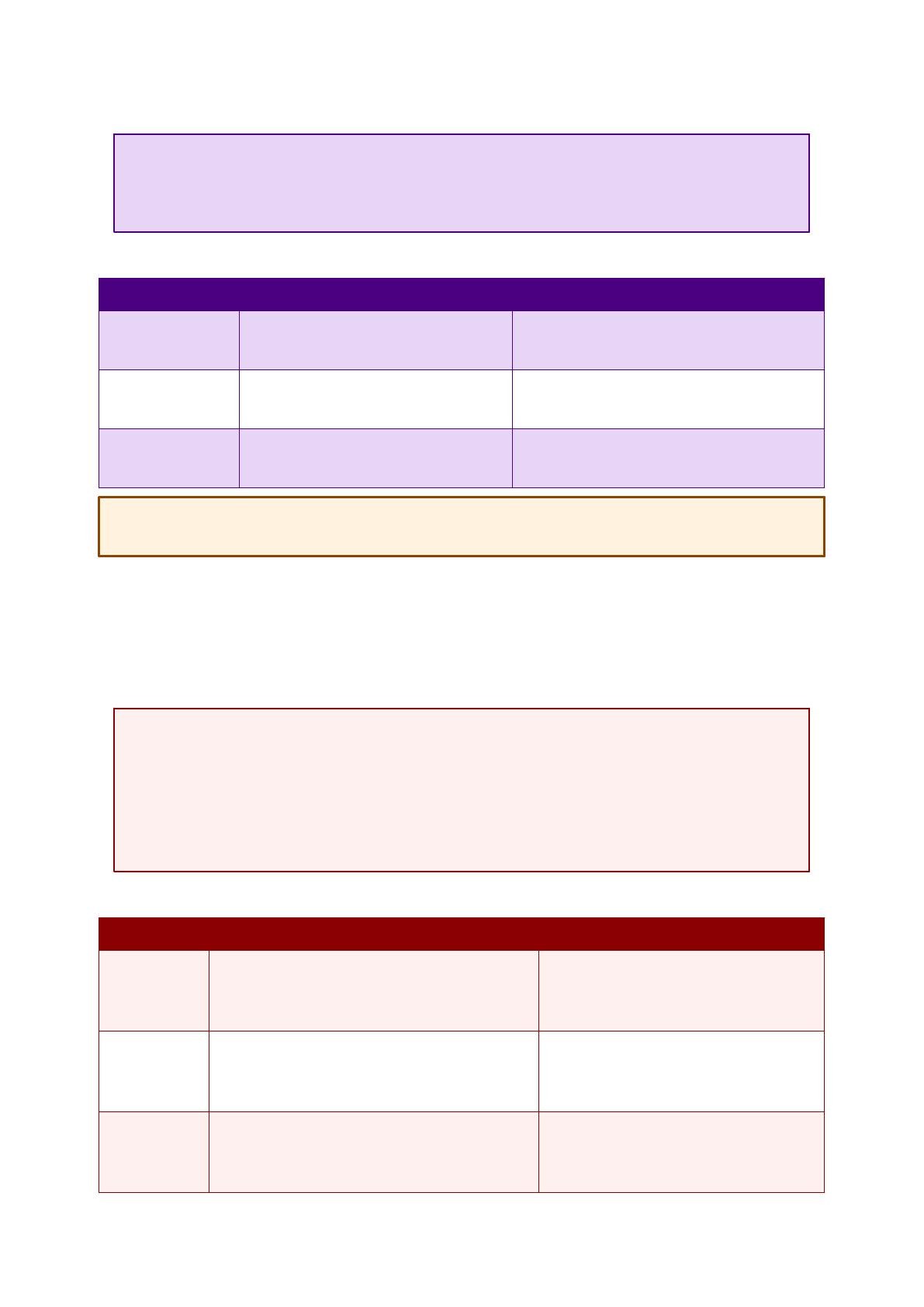
Direct Request Pattern — How to Write:
Para 1: Ask immediately for the information or action you want.
Para 2: Provide all necessary details the reader needs to act.
Para 3: Restate the action you want clearly.
When to Use Which Strategy?
Strategy Use When... Example Situations
Direct Request No resistance expected; routine
request
Following up, scheduling a meeting, asking
for confirmation
Problem-Solving Reader may resist; needs logic and
evidence
Requesting equipment, policy exceptions,
unfair review appeals, IT requests
Sales / AIDA High resistance; emotions and desire
needed
Sponsorship requests, guest speaker invites,
free trial requests, promotions
■ EXAM TIP: Identify the situation first — resistant reader = Problem-Solving or Sales. No
resistance = Direct. Emotional appeal needed = Sales/AIDA.
B. NEGATIVE (BAD NEWS) LETTERS
Negative letters deliver bad news — a rejection, denial, refusal, or disappointing information. The goal is to
maintain goodwill and professionalism while delivering unwelcome news clearly.
Types of Negative Messages:
• Refusing a request or claim
• Rejecting a job application
• Declining an invitation or order
• Announcing a policy change that is unfavorable
• Delivering poor performance news
The Indirect (Buffer) Method — How to Write a Negative Letter:
Step What to Do Example
1. BUFFER Start with a neutral or positive statement. Do
NOT state the bad news yet. Thank,
appreciate, or acknowledge.
"Thank you for your application for the
Marketing Manager position."
2. REASONS Explain the reasons BEFORE giving the bad
news. Build logical justification so the reader
understands.
"After reviewing all applications, we
prioritized candidates with 5+ years of
industry experience."
3. BAD
NEWS
State the bad news clearly but tactfully. Use
positive language. Avoid harsh or blaming
words.
"We will not be moving forward with your
application at this time."