Physics Notes provides an in-depth overview of key physics concepts, formulas, and principles essential for students. Covering topics such as mechanics, thermodynamics, and electromagnetism, this resource is ideal for high school and college students preparing for exams. It includes detailed explanations, example problems, and diagrams to enhance understanding. Perfect for those studying for AP Physics or similar courses, these notes serve as a valuable study aid.

Key Points

  • Covers fundamental physics concepts including mechanics and thermodynamics
  • Includes detailed example problems and solutions for better understanding
  • Features diagrams to illustrate complex physics principles
  • Ideal for students preparing for AP Physics exams

Bhagyshree Sonwane
47 pages
Language:English
Type:Study Guide
Bhagyshree Sonwane
47 pages
Language:English
Type:Study Guide
137
/ 47
U N I T
Fundamentals of Photonics
1
Index
Sr.No. Contents Page No.
1 Laser
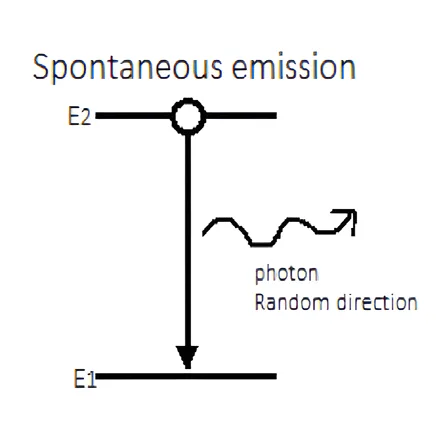
1.1 Spontaneous and stimulated emission
4
1.2 Population inversion
8
1.3 Pumping
9
1.4 Active medium & active center
10
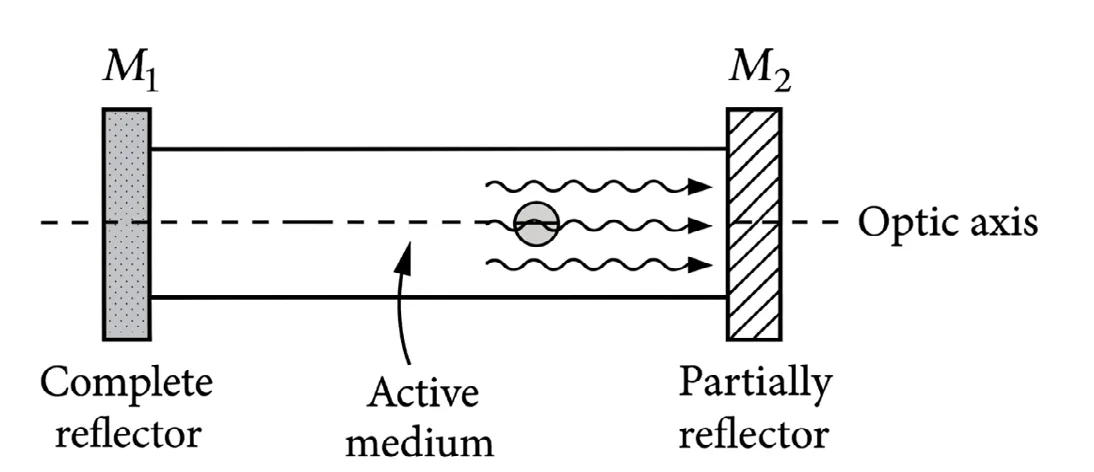
1.5 Resonant cavity
11
1.6 Characteristics of lasers
11
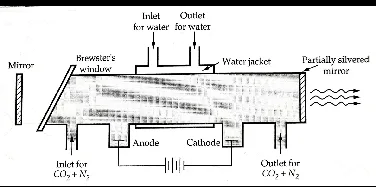
1.7 CO₂ laser: construction and working
14
1.8 Engineering applications of laser (IT, medical, industry)
17
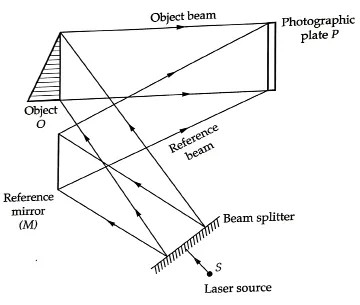
1.9 Holography (recording, reconstruction, applications)
19
2
Optical Fibers
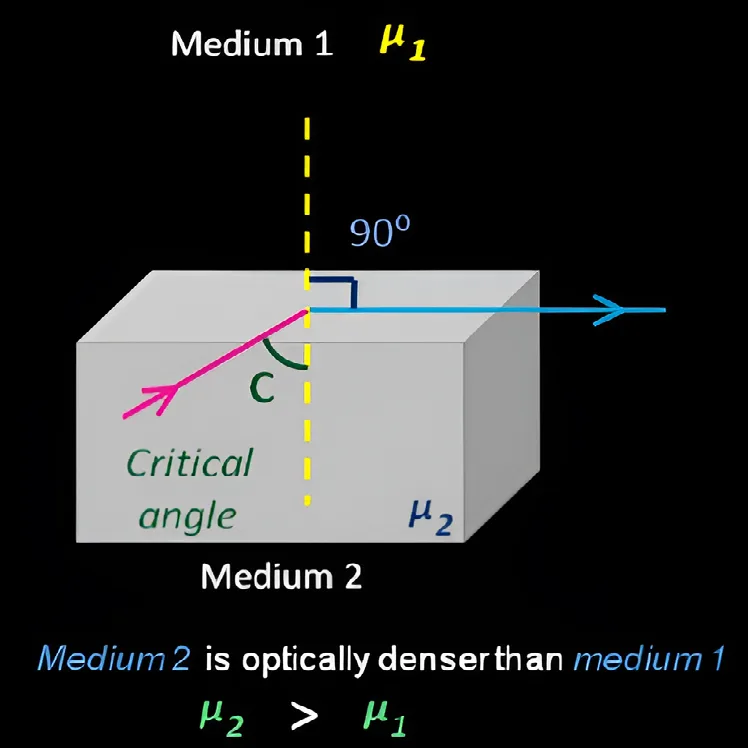
2.1 Critical angle
22
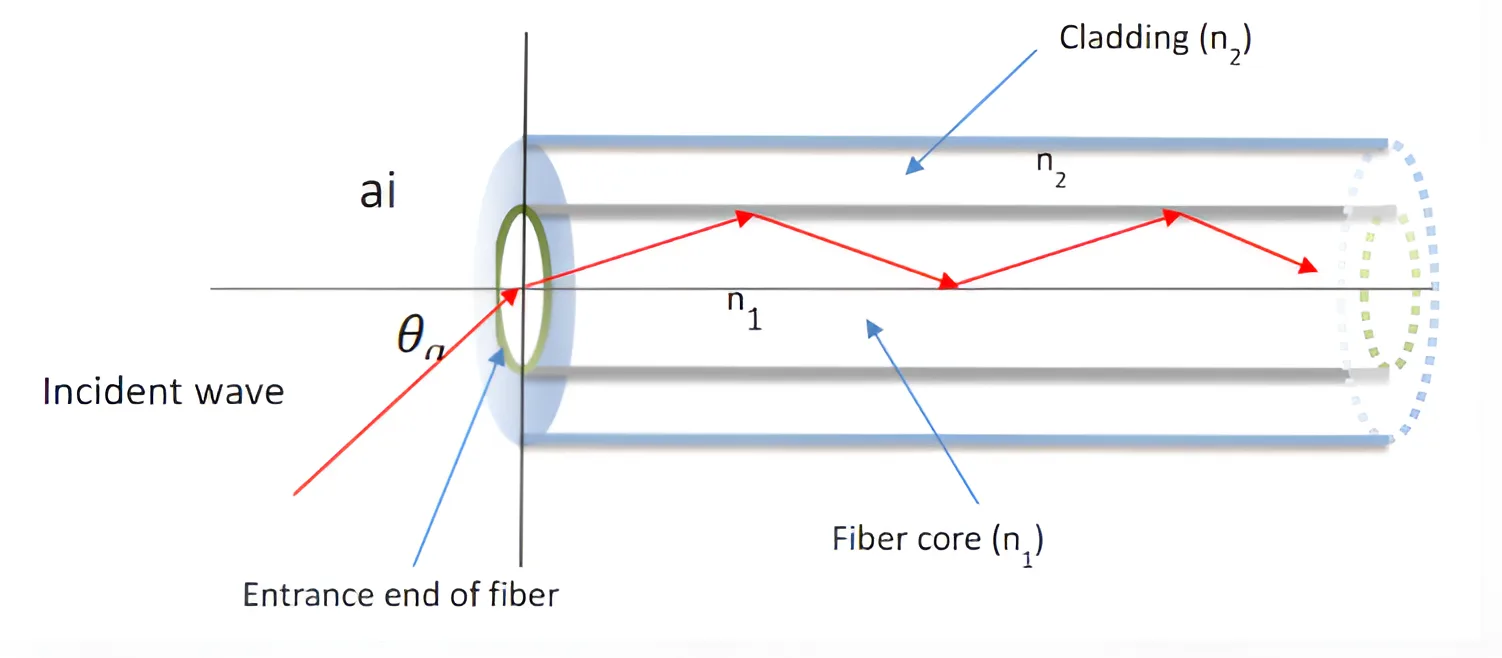
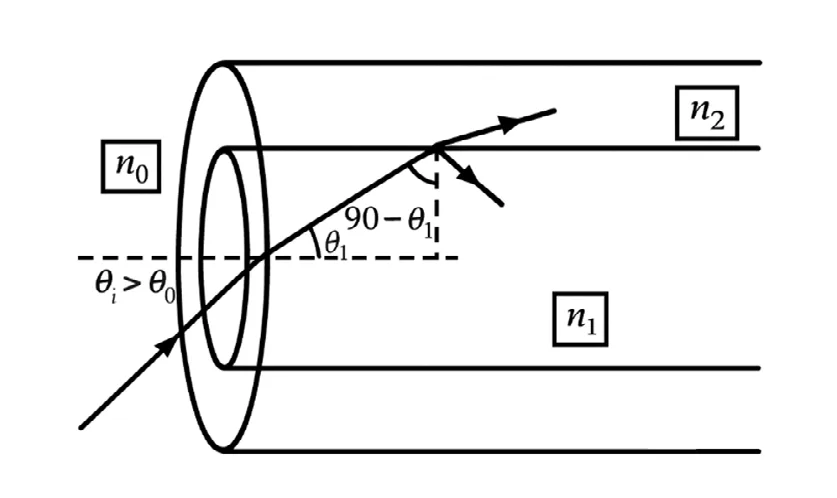
2.2 Acceptance angle
23
2.3 Acceptance cone
26
2.4 Numerical aperture
25
2.5 Total internal reflection and propagation of laser
27
2.6 Classification of optical fibers:
29
- Single mode & multimode
30
- Step index & graded index
2.7 Attenuation:
( attenuation coefficient, causes of attenuation ) 34
2.8 Advantages of optical fiber communication
36
2.9 Numerical problems on parameters of optical fiber
40
Click on the page number to directly jump to that page.
diagram name
1. LASER
1.1 Spontaneous & Stimulated Emission
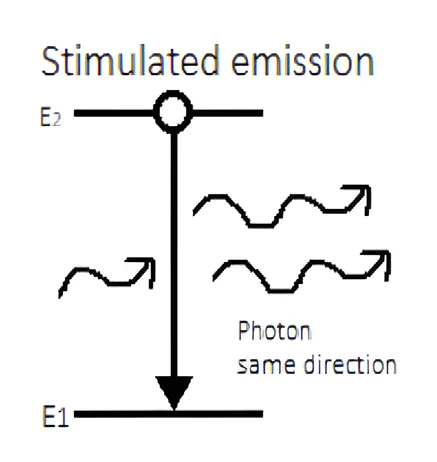
Q. Define Stimulated emission. (Nov 2024)
Q. What is stimulated emission? Explain its significance in the production of
lasers. (April 2025)
1.2 Population Inversion
Q. Define Population inversion. (Nov 2024)
1.6 Characteristics of Lasers
Q. State characteristics of a laser. Explain any one of them in brief.
(April 2025)
Q. What is a LASER? State important characteristics of a laser. (Nov 2024)
1.7 CO₂ Laser – Construction & Working
Q. With a neat labelled diagram, explain the construction and working of
a CO₂ laser. (Nov 2024)
Q. With the help of an energy level diagram, explain the construction and
working of CO₂ laser. (April 2025)
Previous Year Question
(2024 Pattern)
/ 47
End of Document
137

FAQs

what is physics notes - comprehensive study guide about

The Physics Notes - Comprehensive Study Guide covers essential concepts in physics, including the fundamentals of photonics, laser technology, and optical fibers.

  • Lasers: Discusses spontaneous and stimulated emission, population inversion, and characteristics of lasers.
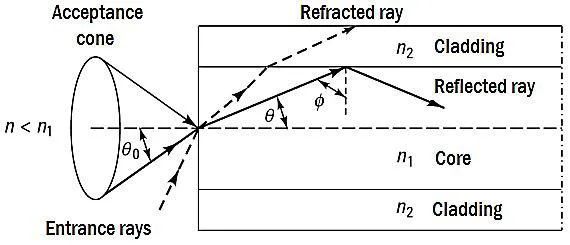
  • Optical Fibers: Explains critical angles, acceptance angles, and numerical aperture.
  • Applications: Covers engineering applications of lasers in various fields, including IT and medicine.

what are the key characteristics of lasers in physics notes - comprehensive study guide

The key characteristics of lasers, as outlined in the Physics Notes - Comprehensive Study Guide, include:

  • Highly Directional: Lasers emit light in a narrow beam without significant spreading.
  • Monochromatic: Laser light consists of a single wavelength, producing a specific color.
  • Coherent: The light waves emitted are in phase, resulting in a powerful and focused beam.

how does stimulated emission work in physics notes - comprehensive study guide

Stimulated emission, as explained in the Physics Notes - Comprehensive Study Guide, is a process where an incoming photon stimulates an excited electron to drop to a lower energy level, emitting a second photon that is coherent with the first.

  • Process: An external photon triggers the emission, resulting in two identical photons.
  • Significance: This principle is crucial for laser operation, allowing for the amplification of light.

what is population inversion in physics notes - comprehensive study guide

Population inversion is a condition described in the Physics Notes - Comprehensive Study Guide where more atoms are in an excited state than in a lower energy state, which is essential for laser operation.

  • Mechanism: Achieved by supplying energy to atoms, pushing them into higher energy levels.
  • Importance: Without population inversion, stimulated emission cannot occur, preventing laser light production.

what are the types of pumping in lasers according to physics notes - comprehensive study guide

The Physics Notes - Comprehensive Study Guide outlines several types of pumping methods used in lasers to achieve population inversion:

  1. Optical Pumping: Uses light energy to excite electrons.
  2. Electrical Pumping: Applies electric current to excite electrons in gases or semiconductors.
  3. Chemical Pumping: Utilizes energy from chemical reactions.
  4. Thermal Pumping: Employs heat energy to excite atoms.

what is the significance of the active medium in lasers in physics notes - comprehensive study guide

The active medium is crucial in lasers, as described in the Physics Notes - Comprehensive Study Guide, because it is the material that produces laser light when energy is supplied.

  • Characteristics: It can be solid, liquid, gas, or semiconductor and must support stimulated emission.
  • Examples: Different lasers use various active media, such as ruby crystals in ruby lasers and gas mixtures in helium-neon lasers.

how do optical fibers work in physics notes - comprehensive study guide

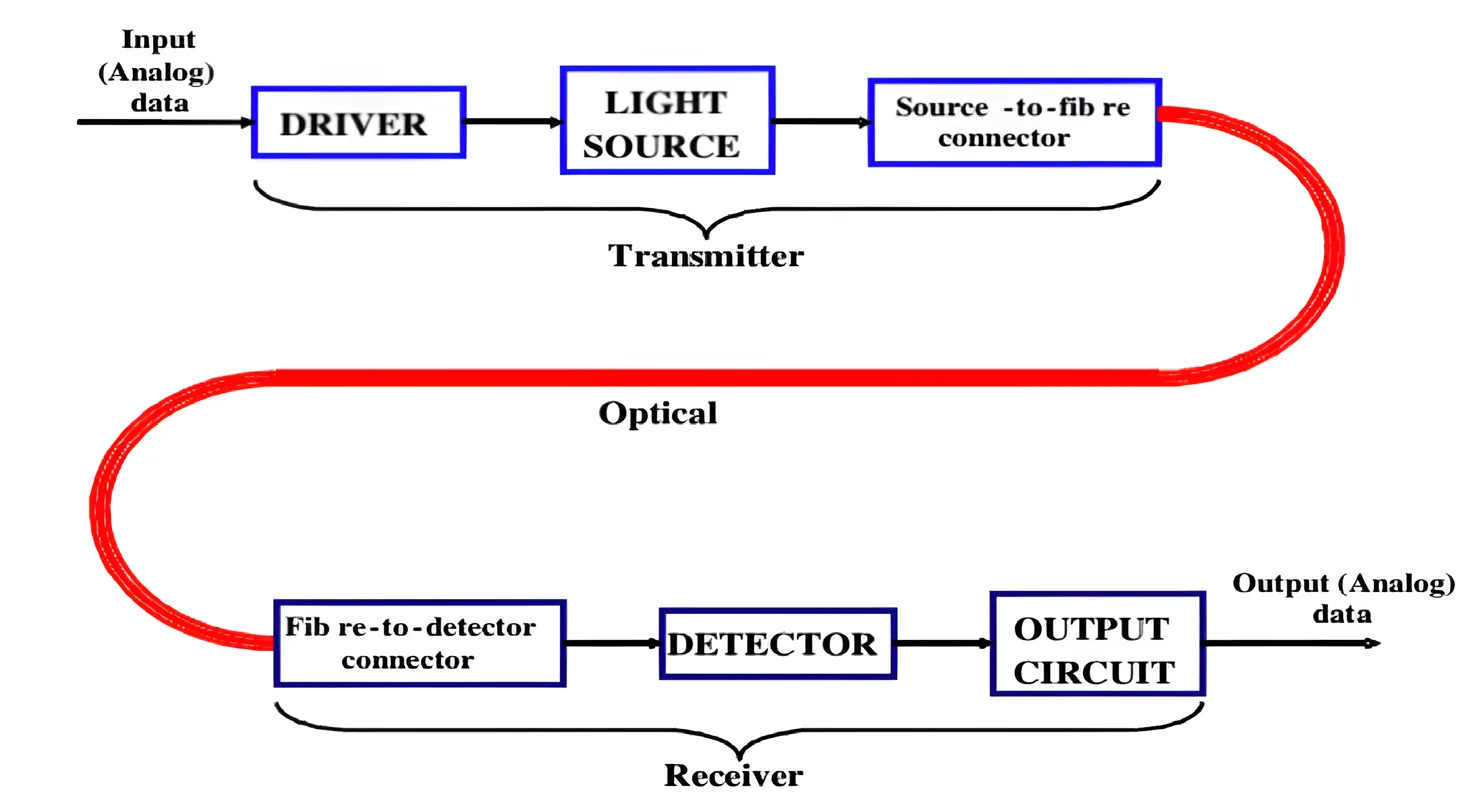
Optical fibers transmit light through total internal reflection, as explained in the Physics Notes - Comprehensive Study Guide.

  • Critical Angle: The minimum angle at which light can enter the fiber to be transmitted.
  • Acceptance Angle: The maximum angle at which light can enter the fiber and still be guided.
  • Numerical Aperture: A measure of the light-gathering ability of the fiber.

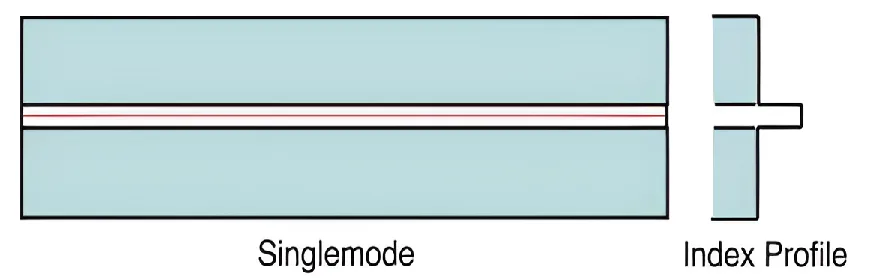
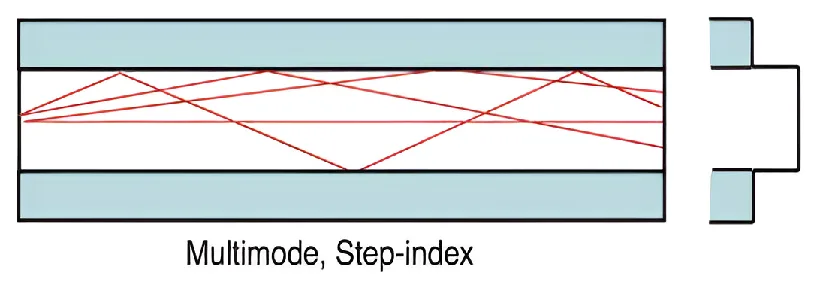
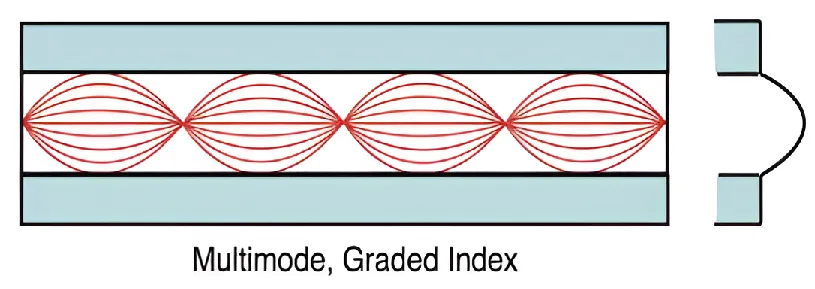
what are the differences between step index and graded index fibers in physics notes - comprehensive study guide

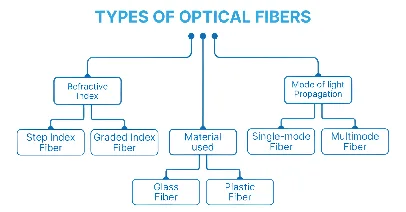
The Physics Notes - Comprehensive Study Guide highlights the differences between step index and graded index optical fibers:

FeatureStep Index FibersGraded Index Fibers
Refractive Index ProfileConstant refractive index in the coreGradually changing refractive index
Light PropagationLight travels in straight linesLight travels in curved paths
ApplicationsUsed for shorter distancesUsed for longer distances

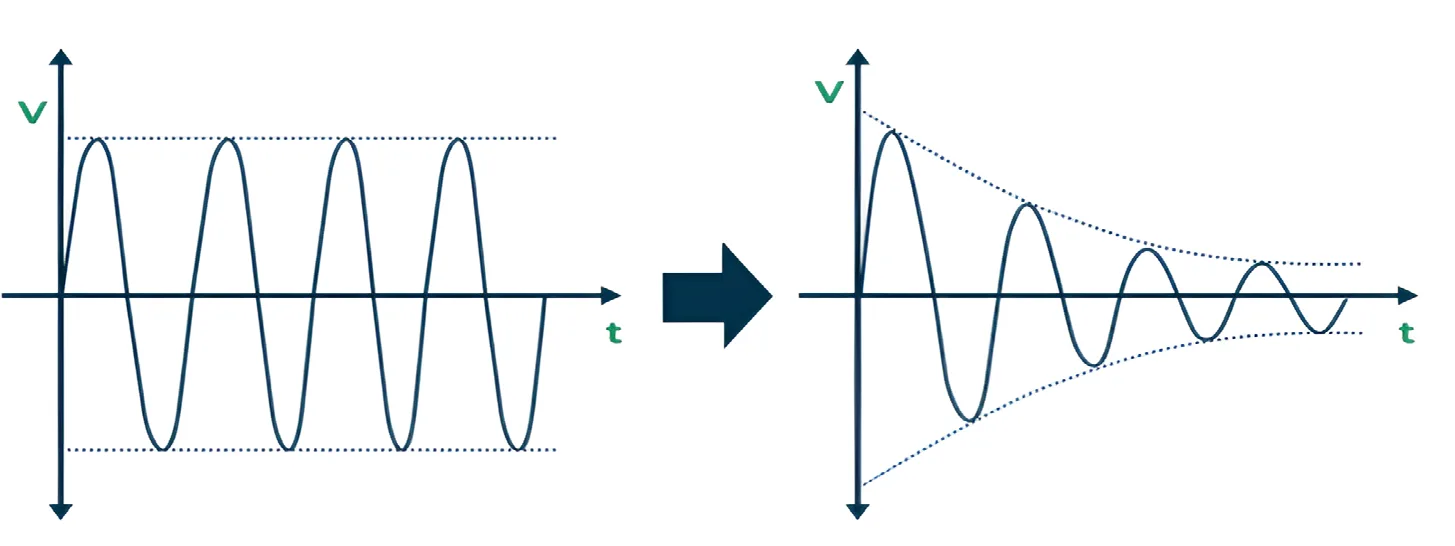
what is attenuation in optical fibers in physics notes - comprehensive study guide

Attenuation in optical fibers refers to the loss of signal strength as light travels through the fiber, as described in the Physics Notes - Comprehensive Study Guide.

  • Causes: Internal factors like scattering and absorption, and external factors like bends and connectors.
  • Measurement: Attenuation is typically measured in decibels per kilometer (dB/km).

what are the engineering applications of lasers in physics notes - comprehensive study guide

Lasers have various engineering applications, as outlined in the Physics Notes - Comprehensive Study Guide, including:

  • Medical: Used in surgeries for precision cutting and cauterization.
  • Manufacturing: Employed in cutting, welding, and engraving materials.
  • Telecommunications: Essential for fiber optic communication systems.