

Access an extensive, community-driven archive of English PDFs, lecture summaries, grammar worksheets, and literary analysis guides curated to maximize your academic grades and linguistic research. This dedicated resource library tracks the mechanics of language expression, textual critique, and global communication across historical and contemporary eras. Whether you are dissecting the syntax of a complex clause, analyzing narrative motifs in classic prose, or preparing for an upcoming English proficiency exam, these files give you instant, downloadable clarity.
The academic study of English is a multi-faceted discipline that encompasses literature, language mechanics (ruling grammar and syntax), creative writing, and rhetoric. Beyond basic reading comprehension, an advanced English curriculum trains students to critically analyze texts, decode cultural and historical contexts, and construct persuasive, well-structured arguments. By exploring diverse literary genres and linguistic frameworks, students build advanced communication, textual interpretation, and analytical reasoning skills essential for fields like journalism, law, marketing, and global education.
Our collaborative document network hosts student-shared reading notes, syntax templates, and exam reviews meticulously categorized across the core domains of English studies:
The Narrative Blueprint: Download comprehensive study sheets analyzing thematic structures, character development, and stylistic motifs in classic and contemporary literature.
Critical Frameworks: Access analytical essays applying major theoretical lenses—such as historical context, structuralism, and psychoanalytic criticism—to foundational texts, helping you map out high-scoring essays.
The Structural Mechanics: Review advanced lecture sheets covering phonology, morphology, and syntax trees. Master the structural architecture of sentences, clause dependencies, and word formations.
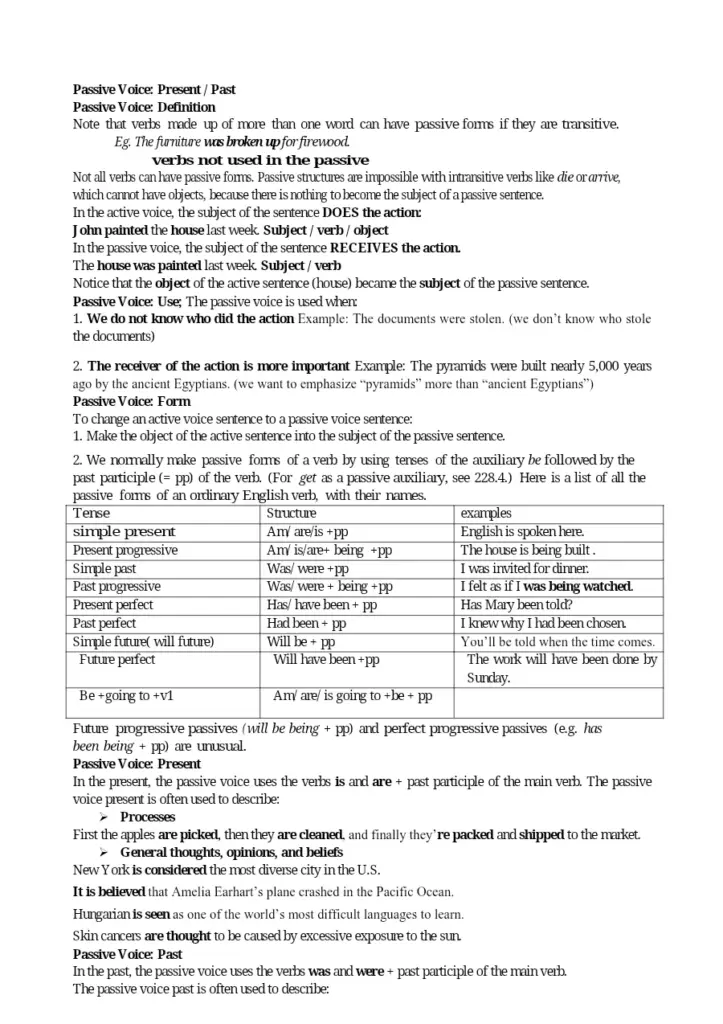
Practical Grammar Checklists: Download print-ready cheat sheets detailing verb tenses, punctuation rules, sentence structures, and common stylistic pitfalls to instantly clean up your writing.
English as a Second Language (ESL): Access practical worksheets, interactive vocabulary drills, and conversation templates tailored for non-native speakers building conversational and academic fluency.
Proficiency Exam Prep: Study peer-shared test banks and study blueprints for global English evaluations (such as IELTS, TOEFL, or Cambridge assessments), focusing on targeted reading, listening, writing, and speaking strategies.
| Academic Branch | Core Conceptual Focus | Primary Document Formats | Best Applied To |
| English Literature | Narrative themes, motifs, historical context | Essay blueprints, character maps, PDF | Thesis formulation, literature exam prep |
| Grammar & Syntax | Mechanics, sentence structures, punctuation | Rule sheets, editing checklists, DOCX | Essay editing, writing correction drills |
| Linguistics | Phonology, syntax trees, morphology | Graphic diagrams, parsing worksheets | Advanced language theory, semantic analyses |
| ESL / Language Learning | Fluency, vocabulary, phrase structures | Drill worksheets, idiom guides, PDF | Language proficiency tests, speech practice |
A strong literary analysis essay requires an introductory paragraph ending in a clear, arguable thesis statement. The body paragraphs must follow a structured claim framework (Point, Evidence, Explanation, Link), analyzing specific text evidence or quotes to support the thesis. Finally, the conclusion must synthesize the points without simply repeating them, explaining the text’s wider real-world significance. Our database holds hundreds of sample essays to guide your writing layout.
A main clause (or independent clause) contains a subject and a verb and expresses a complete thought, meaning it can stand alone as a sentence. A subordinate clause (or dependent clause) also contains a subject and a verb but starts with a subordinating conjunction, leaving the thought incomplete. It must be attached to an independent clause to make grammatical sense.
Our student-shared ESL worksheets focus on contextual language learning instead of isolated memorization. By completing localized situational dialogues, filling in matching verb charts, and reading contextual vocabulary prompts, non-native speakers learn to apply English rules naturally to real-world scenarios, accelerating both reading and speaking retention.
Yes. Practicing with real prompts is one of the best ways to prepare for timed essay writing and grammar tests. Our user community regularly uploads official sample prompts, past reading comprehension sections, and verified rubric sheets. Use our localized folders or search tool to discover targeted exam materials uploaded by peers at your specific academic level.
Every analysis sheet, grammar template, and literature outline across our English indices is uploaded by students and language educators who believe in decentralized, open educational tools. To see where this linguistic discipline connects with broader historical timelines or cultural media, return to our primary Chesser Resources Browse Directory.
Ready to download comprehensive literature summaries or grammar drill worksheets? Join our shared academic network: navigate to your user dashboard, upload 5 of your own lecture sheets, course notes, or analytical essays, and instantly secure unrestricted access to the high-yield PDFs you need to maximize your grades today.