Explore the environmental and societal impacts of agricultural practices, including pollution, land cover change, and desertification. This comprehensive overview delves into the effects of modern farming techniques on ecosystems and human health. Designed for students and professionals in environmental science and agriculture, it provides insights into conservation efforts and sustainable practices. Key topics include soil salinization, the role of women in agriculture, and changing diets influenced by economic development.

Key Points

  • Analyzes the environmental effects of agricultural land use, including pollution and soil degradation.
  • Examines the impact of agricultural practices on land cover change and desertification.
  • Discusses the significance of conservation efforts in sustainable agriculture.
  • Highlights the role of women in agricultural production and changing dietary patterns.
Jacky
33 pages
Language:English
Type:Presentation
Jacky
33 pages
Language:English
Type:Presentation
73
/ 33
Consequences of
Agricultural Practices
RRHS 2025-26
1
Environmental Effects of Ag Land Use
Pollution
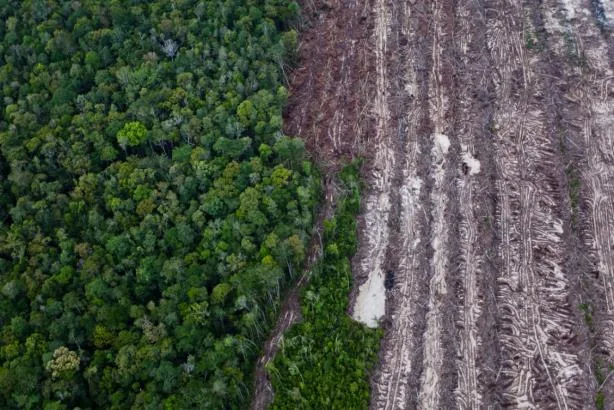
Land cover change
Desertification
Soil salinization
Conservation efforts
2
Pollution
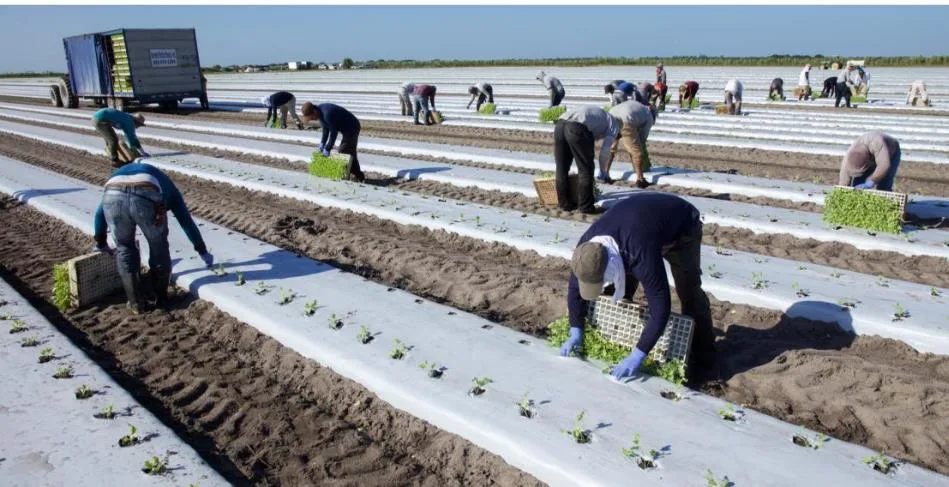
Agricultural pollution is the contamination we release into the environment as a by-product
of growing and raising livestock, food crops, animal feed, and biofuel crops. In recent
decades, we’ve also radically industrialized our methods and developed more resilient (and
productive) crop species. It’s this growth in productivity that’s been credited with
skyrocketing yields and reducing the cost of food. However, many of the tools enabling this
high-input, high-volume commodity agriculture have also contributed massive amounts of
agricultural pollution.
Agricultural pollution is generally divided into two categories: pollution that comes from
raising animals and pollution from growing crops including animal feed, human food, and
biofuel crops: Agricultural pollution from growing crops from the inputs: Nitrogen-based
fertilizers produce greenhouse gases and can contaminate waterways with dangerous
pollutants; chemical pesticides with varying toxic effects end up in our air and water or leave
residue directly on our food. Sometimes we can actually see (or smell) the pollution and its
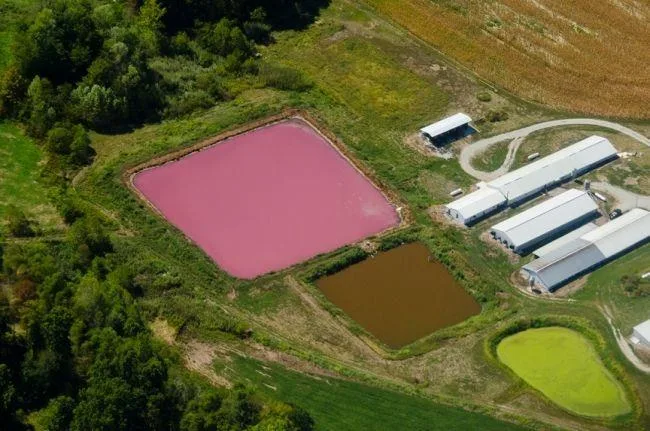
source, like manure from a farm (yes, manure when used in excess can also run off and
pollute waterways, and the particles can become airborne). Other times, the pollutant may
be caused by the crops themselves cows produce large amounts of methane gas in their
digestive tracts and release it into the air. The animals also are the source of manure, which if
not collected properly can cause significant environmental harm.
3
/ 33
End of Document
73

FAQs

what are the environmental effects of agricultural practices

The environmental effects of agricultural practices are significant and varied.

  • Pollution: Agricultural activities contribute to pollution through the use of fertilizers and pesticides, which can contaminate waterways and air.
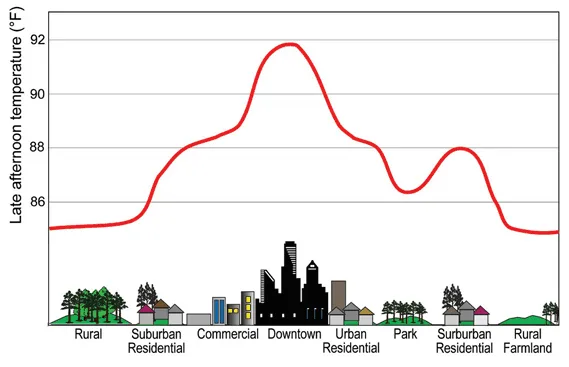
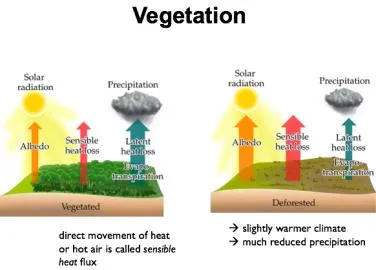
  • Land Cover Change: Conversion of natural landscapes to agricultural land alters the climate and affects greenhouse gas emissions.

  • Desertification: Unsustainable practices can lead to desertification, reducing the land's fertility.
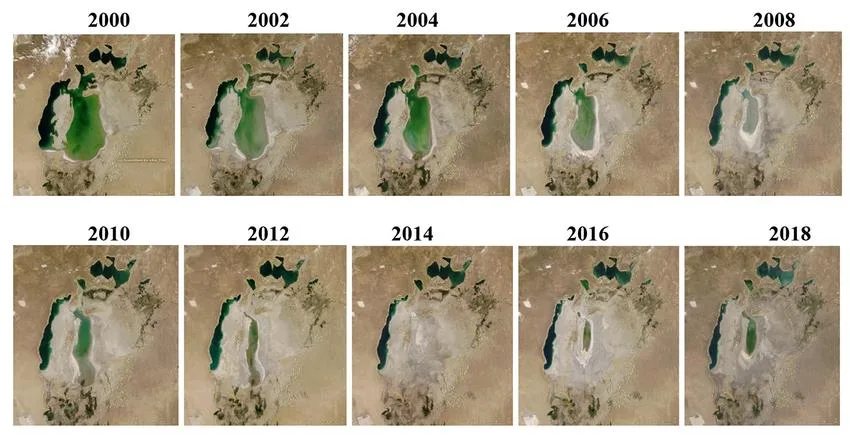
  • Soil Salinization: Irrigation practices can result in salt accumulation in the soil, hindering crop growth.
  • Conservation Efforts: There are ongoing efforts to promote sustainable agricultural practices to mitigate these effects.

how does agriculture contribute to pollution

Agriculture significantly contributes to pollution through various means.
  • Fertilizers: Nitrogen-based fertilizers can produce greenhouse gases and contaminate waterways.
  • Pesticides: Chemical pesticides can leave residues in the air and water, affecting ecosystems.
  • Animal Waste: Manure from livestock can pollute waterways if not managed properly, leading to health hazards.
  • Machinery Emissions: The heavy machinery used in farming contributes to air pollution through fossil fuel use.

what is desertification in agriculture

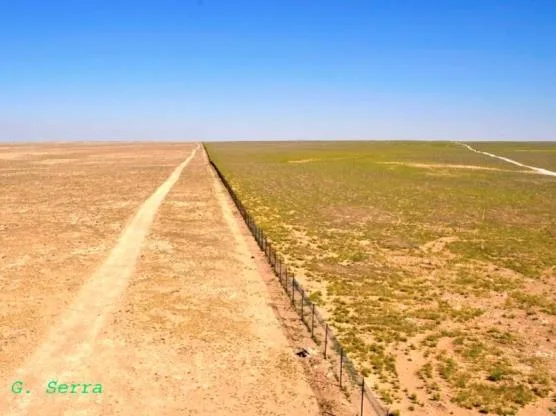
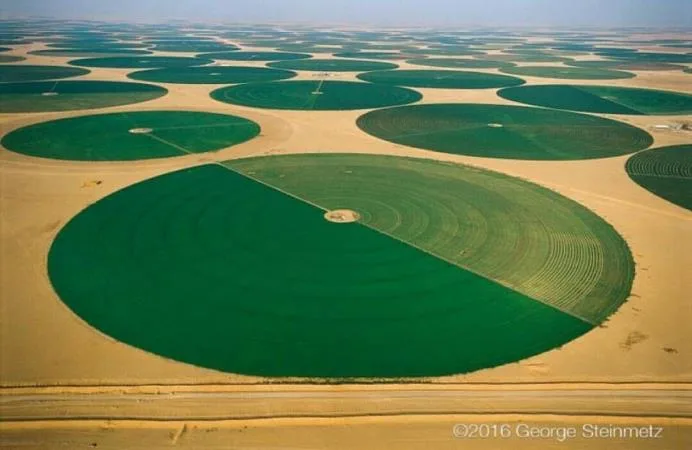
Desertification is the process by which fertile land becomes desert, often due to agricultural practices.

  • Causes: Major causes include overgrazing, deforestation, and inappropriate agricultural methods.
  • Impact: It leads to a loss of arable land, reduced crop yields, and increased food insecurity.
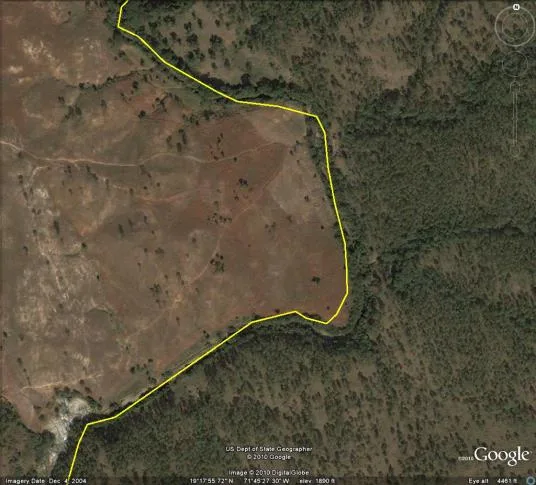
  • Example: The border between Haiti and the Dominican Republic illustrates desertification, with one side experiencing severe land degradation.

how does soil salinization affect agriculture

Soil salinization is a critical issue that affects agricultural productivity.

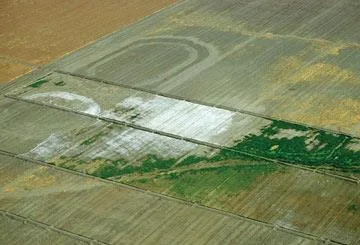
  • Definition: It occurs when water-soluble salts accumulate in the soil, limiting crop growth.
  • Causes: Salinization can occur naturally or due to irrigation practices that leave salts behind as water evaporates.
  • Impact: This condition is particularly devastating in arid climates, leading to decreased yields of food grains.
  • Examples: Regions like the American West and Southern Australia are significantly affected by salinization.

what are conservation efforts in agriculture

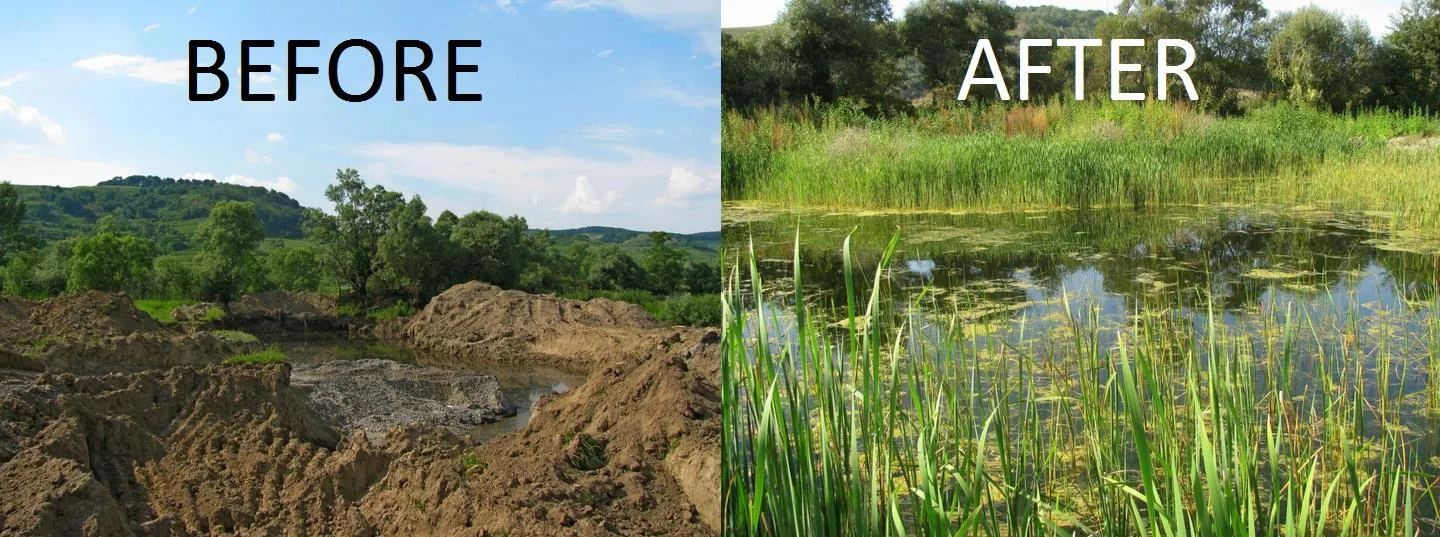
Conservation efforts in agriculture aim to promote sustainable practices.

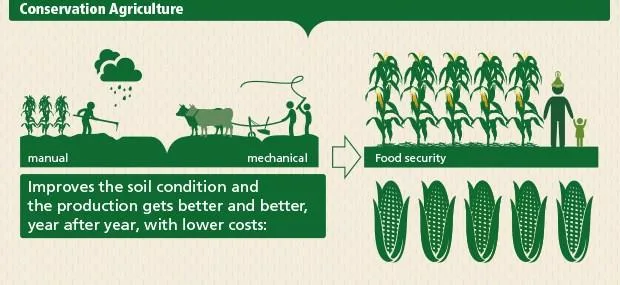
  • No-Till Farming: This method minimizes soil disturbance, preserving soil structure and fertility.
  • Crop Rotation: Diverse crop rotations help control pests and diseases, enhancing soil health.
  • Wildlife-Friendly Farming: Setting aside land for biodiversity can improve ecosystem health.
  • Land Sparing: Increasing yields on existing farmland allows for conservation of other areas.

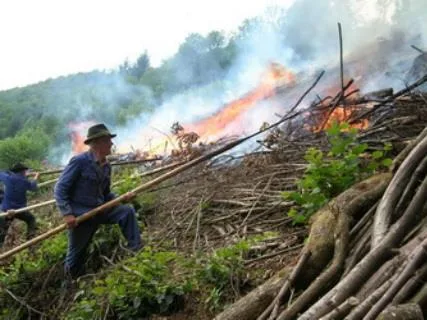
what is slash-and-burn agriculture

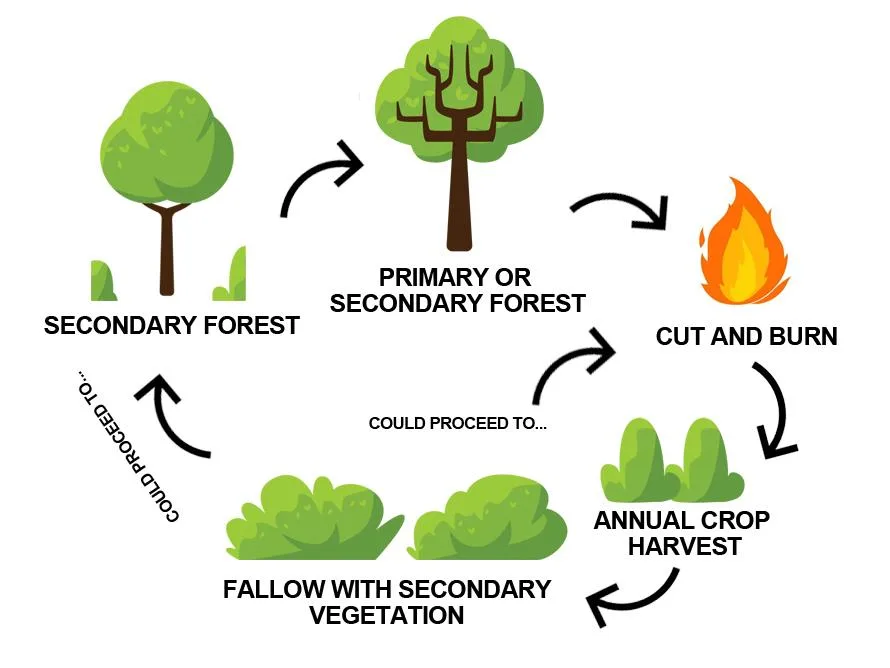
Slash-and-burn agriculture is a traditional farming method that involves clearing land for cultivation.

  • Process: This method includes cutting down trees and burning them to fertilize the soil.
  • Advantages: It can eliminate weeds and pests effectively in dense vegetation areas.
  • Disadvantages: It leads to soil erosion and air pollution, particularly if practiced unsustainably.

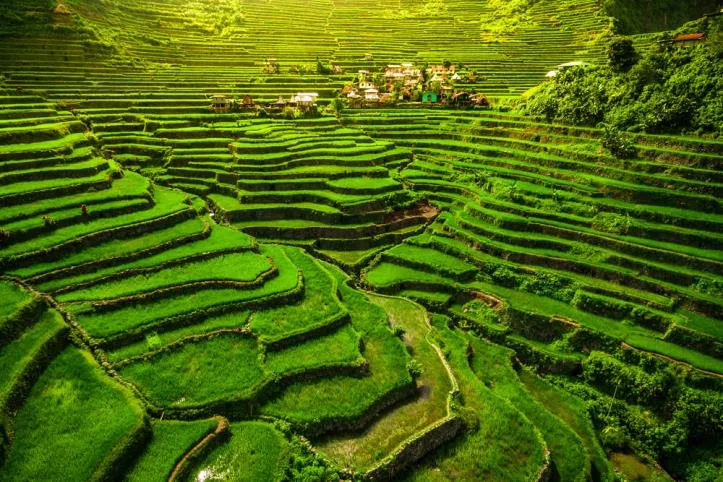
how does irrigation impact agriculture

Irrigation plays a crucial role in enhancing agricultural productivity.

  • Water Supply: It allows farming in arid regions by providing necessary water for crops.
  • Crop Yield: Proper irrigation can significantly increase crop yields and expand agricultural land.
  • Environmental Concerns: However, it can lead to issues like water source depletion and soil salinization.

what are the societal effects of agricultural practices

Agricultural practices have profound societal effects, influencing diets and economies.

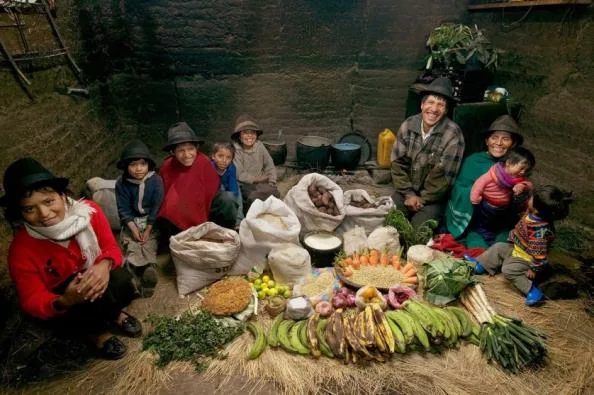
  • Changing Diets: Economic development leads to shifts from traditional diets to more energy-dense foods.
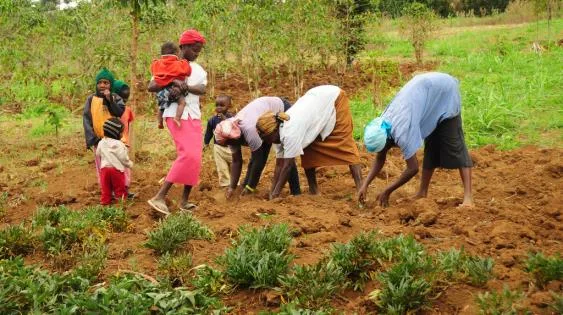
  • Role of Women: Women's participation in agriculture is changing, with more women engaging in market activities.
  • Economic Purpose: Transitioning from subsistence to commercial farming is essential for economic development.

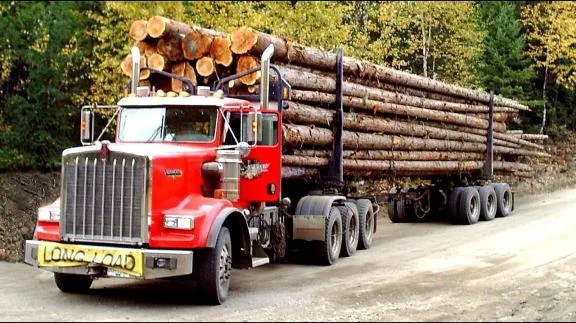
what are the impacts of deforestation in agriculture

Deforestation has significant impacts on agriculture and the environment.

  • Soil Erosion: The removal of trees can lead to increased soil erosion and degradation.
  • Water Cycle Disruption: It affects local climates and can lead to desertification.
  • Greenhouse Gas Emissions: Deforestation contributes to climate change by releasing stored carbon.
  • Biodiversity Loss: It results in habitat loss, threatening various species.

what is the role of biotechnology in agriculture

Biotechnology plays a transformative role in modern agriculture.

  • Genetic Modification: It allows for the development of crops with beneficial traits, such as pest resistance.
  • Improved Yields: Biotech crops often yield more than conventional varieties.
  • Environmental Benefits: They can reduce the need for chemical inputs, leading to less environmental impact.
  • Concerns: There are debates about the long-term viability and ecological effects of GMOs.