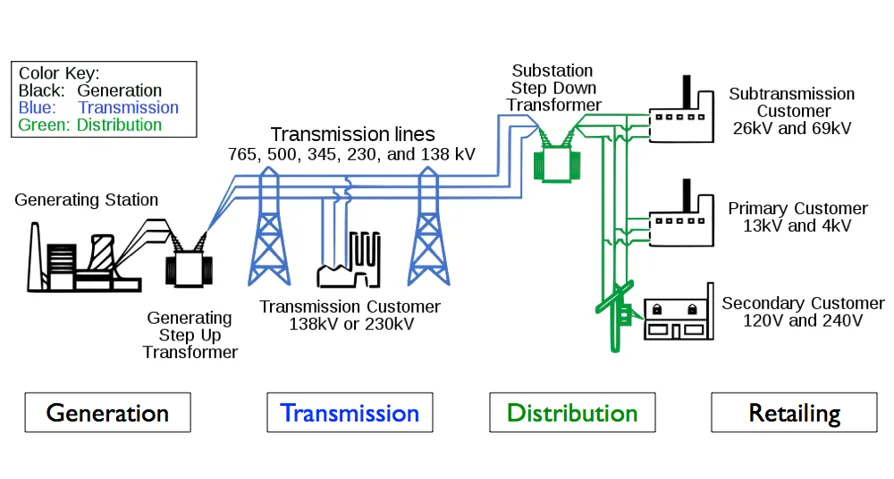
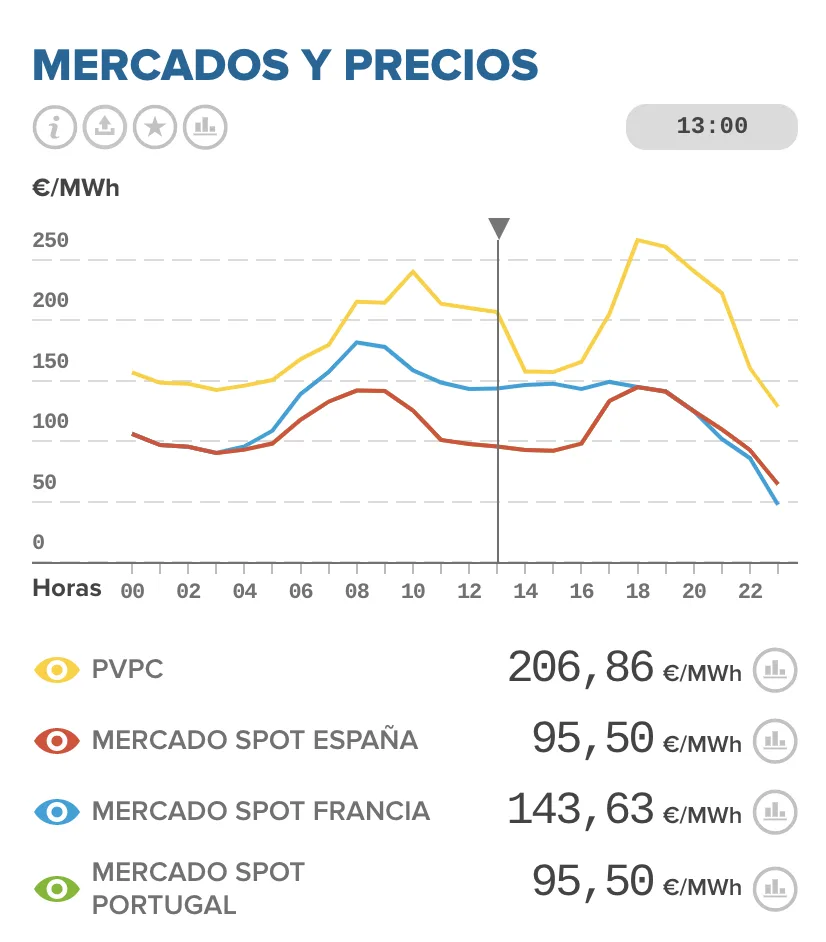
Empirical Methods for the Analysis of the Energy Transition explores the dynamics of electricity markets and the impact of renewable energy sources. This slide set, created by Prof. Mar Reguant for the 2025/2026 academic year, provides an overview of major topics in the energy transition, including the value of renewable power and case studies like wind power in Spain. It aims to equip students with knowledge about electricity market operations and the datasets used in the sector. The content is designed for students interested in energy policy and market data analysis, focusing on practical applications and theoretical frameworks.

Key Points

  • Covers major topics in the energy transition, including renewable power valuation and market dynamics.
  • Includes case studies such as the economic impact of wind power in Spain.
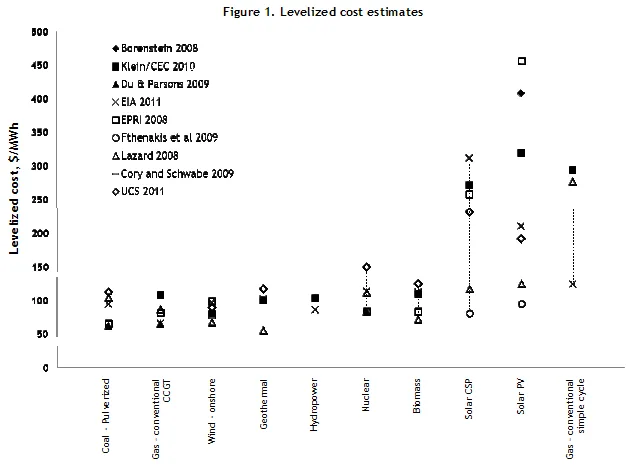
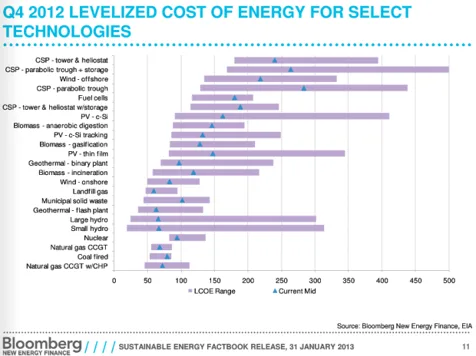
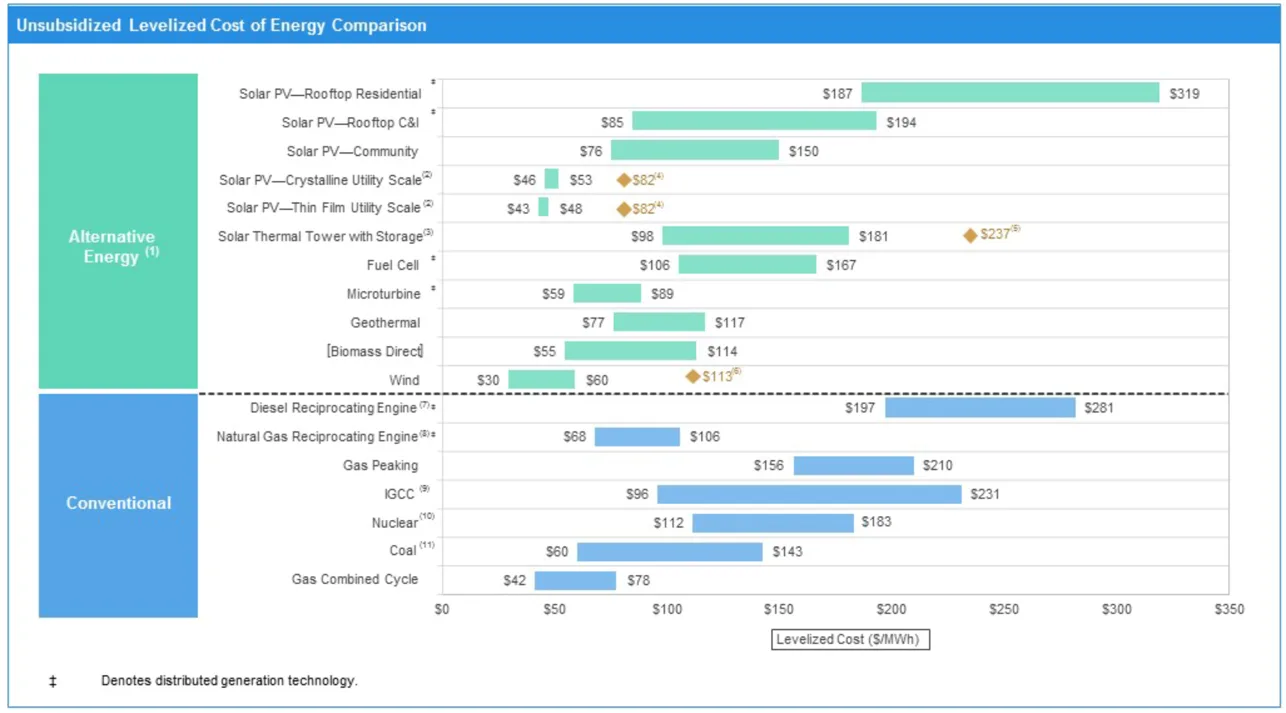
  • Provides insights into the Levelized Cost of Electricity (LCOE) and its limitations.
  • Focuses on hands-on practice with electricity market data and theoretical background.

Nathan Lubega
Edition:2025/2026
69 pages
Language:English
Type:Presentation
Nathan Lubega
Edition:2025/2026
69 pages
Language:English
Type:Presentation
394
/ 69
Empirical Methods for the Analysis of the Energy Transition
Slide Set 1
Prof. Mar Reguant
2025/2026
/ 68
Outline
0. Introduction and Organizational Issues
Organization
Goal
Content
Requirements
I. Overview of major topics in the energy transition
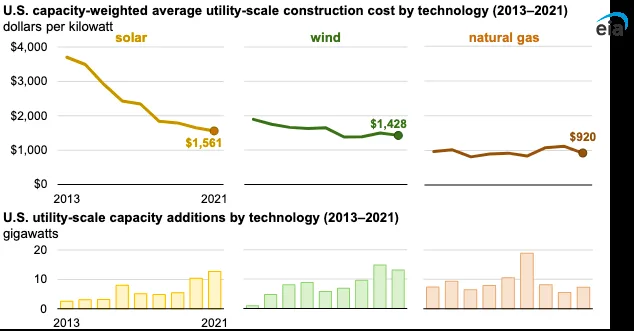
II. The value of renewable power
Levelized Cost of Electricity
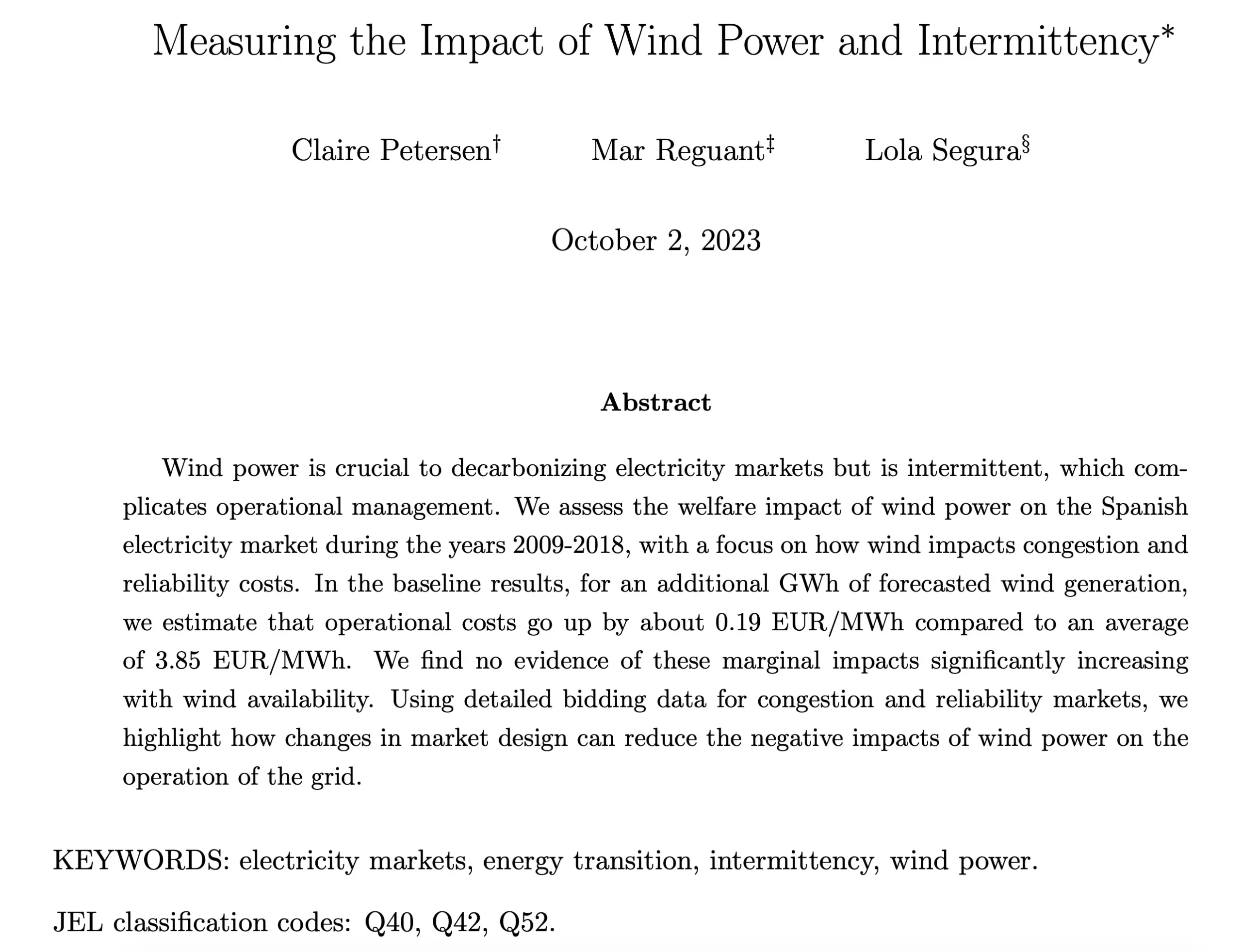
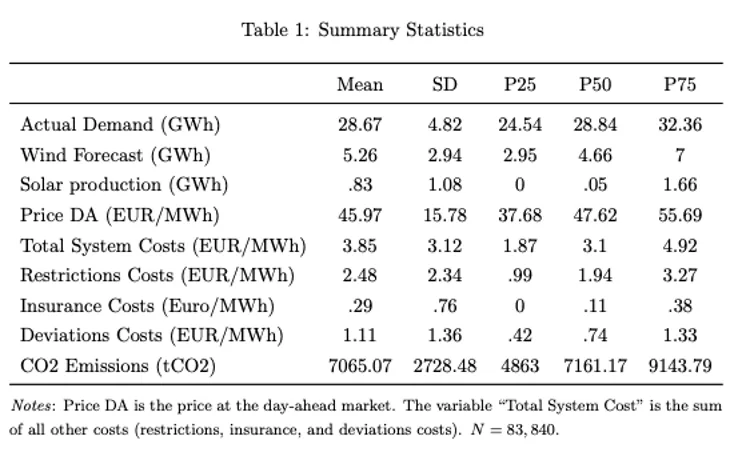
Case Study: Wind Power in Spain
1 / 68
0. Introduction and Organizational Issues
2 / 68
/ 69
End of Document
394

FAQs

what are empirical methods for the analysis of the energy transition

Empirical methods for the analysis of the energy transition involve using data-driven approaches to understand how electricity markets evolve during the transition to renewable energy sources.

  • These methods include regression analysis, model building, and machine learning techniques.
  • They help analyze various datasets, such as time series and smart meter data.
  • Key goals include assessing the impacts of renewable energy on market prices, emissions, and consumer benefits.

how does the energy transition impact electricity markets

The energy transition significantly impacts electricity markets by shifting the dynamics of supply and demand.

  • As renewable energy sources like wind and solar become more prevalent, traditional market structures must adapt.

  • This transition leads to changes in pricing, reliability, and infrastructure needs.
  • Electricity markets are increasingly focused on decarbonization, which involves reducing greenhouse gas emissions from electricity generation.

what is the value of renewable power in the energy transition

The value of renewable power in the energy transition lies in its potential to reduce greenhouse gas emissions and provide sustainable energy solutions.

  • Renewables offer a pathway to decarbonize the electricity sector, which is responsible for a significant portion of global emissions.
  • They also contribute to energy security by diversifying energy sources.
  • The economic analysis of renewables often involves calculating the levelized cost of electricity (LCOE) to assess their competitiveness against fossil fuels.

what are the major topics covered in empirical methods for the analysis of the energy transition

Major topics covered in empirical methods for the analysis of the energy transition include the following:

  • Overview of electricity market dynamics and the role of renewable energy.
  • Analysis of the levelized cost of electricity for various energy sources.
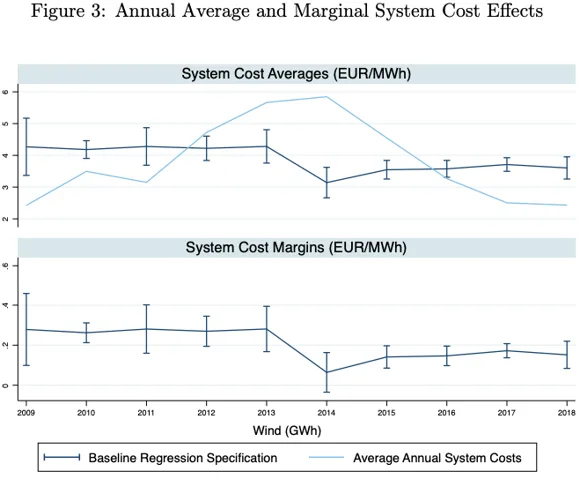
  • Case studies, such as the impact of wind power in Spain, using regression analysis.
  • Hands-on practice with real electricity market data to understand demand and supply interactions.

how do empirical methods assess the impact of wind power in Spain

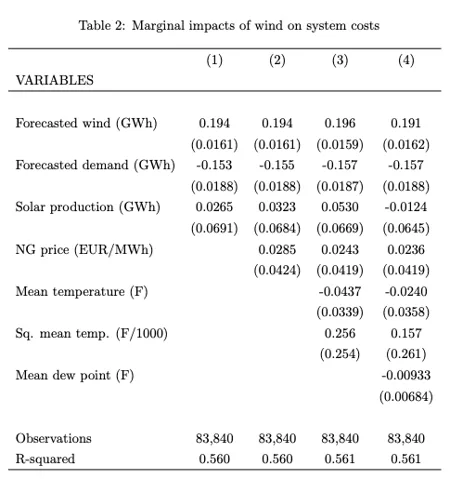
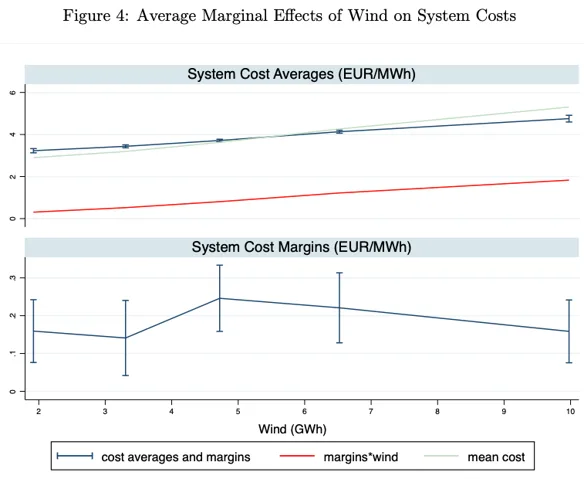
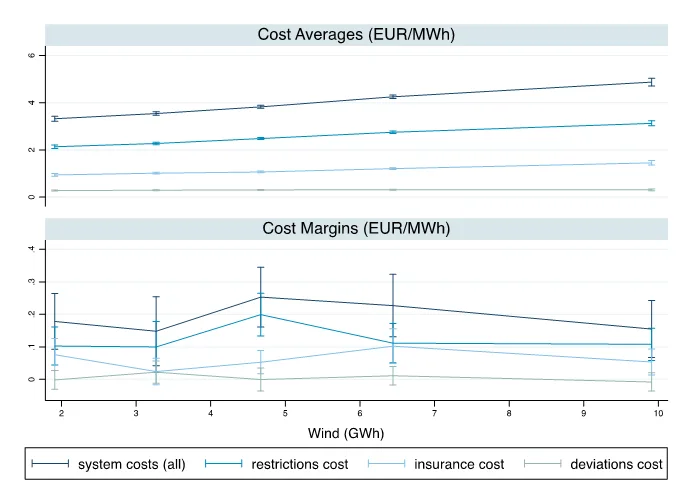
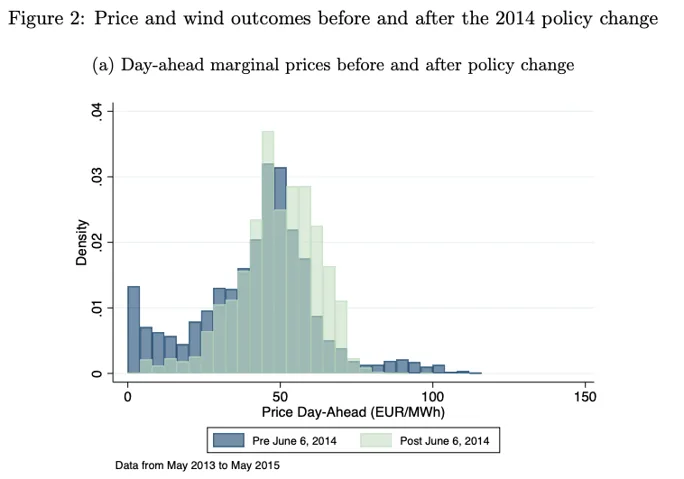
Empirical methods assess the impact of wind power in Spain through detailed regression analysis of operational data.

  • This includes examining hourly data on prices, emissions benefits, and congestion costs over a decade.
  • The findings indicate that consumers benefit from wind power, even after accounting for subsidies.
  • Such analyses help understand the broader implications of integrating wind energy into the electricity market.

what challenges are associated with the energy transition

The energy transition faces several challenges that impact its effectiveness and implementation.

  • Intermittency of renewable energy sources can lead to supply-demand mismatches.
  • Infrastructure improvements are necessary to support high and low voltage systems.
  • There are vulnerabilities due to climate shocks and pressures from decarbonizing other sectors, such as transportation.

how do empirical methods contribute to understanding electricity market dynamics

Empirical methods contribute to understanding electricity market dynamics by providing data-driven insights into market behavior.

  • They allow for the analysis of historical data to identify trends and predict future outcomes.
  • These methods help quantify the effects of policy changes and technological advancements on market efficiency.
  • By employing tools like regression and machine learning, researchers can model complex interactions within the electricity sector.

what is the importance of modeling in the energy transition

Modeling is crucial in the energy transition as it helps simulate various scenarios and assess potential outcomes.

  • It enables stakeholders to understand the economic incentives and regulatory impacts on electricity markets.
  • Different models can highlight strengths and weaknesses in proposed solutions for integrating renewables.
  • Effective modeling can guide policymakers in making informed decisions about energy strategies.

what are the implications of renewable energy intermittency

Renewable energy intermittency has significant implications for electricity markets and grid management.

  • It can lead to challenges in balancing supply and demand, necessitating more flexible energy systems.
  • Utilities may need to invest in storage solutions and backup generation to ensure reliability.
  • Understanding these implications is essential for developing effective policies and market designs that accommodate high levels of renewable energy.