CVE 401 Civil Engineering Practice – Case Studies on Highways and Pavements
Case studies on highways and pavements explore the requirements and classifications of pavements, as well as the types of highways. This presentation provides insights into flexible and rigid pavement types, their functions, and the United States Interstate System. It is designed for civil engineering students and professionals interested in highway design and construction. The document also covers significant case studies, including sewage treatment works and industrial buildings, providing a comprehensive overview of civil engineering practices.
Key Points
Explains the requirements for highway pavements including thickness and strength.
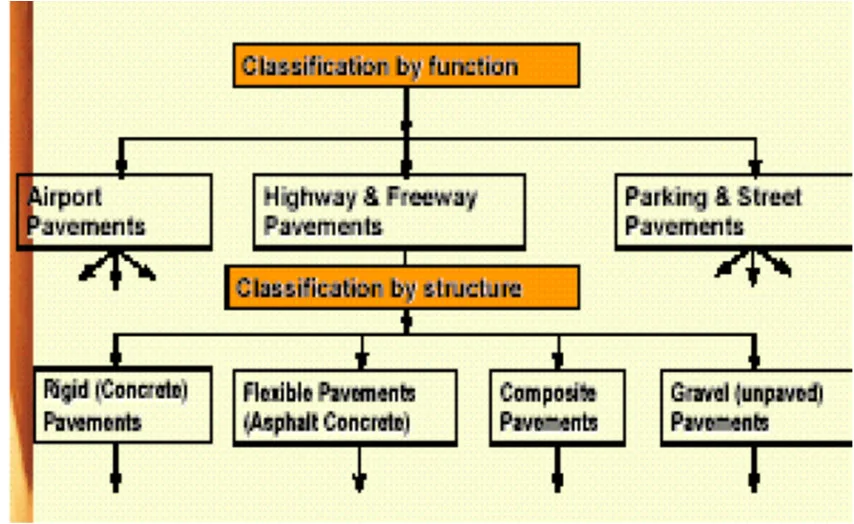
Covers classifications of pavements, including flexible and rigid types.
Details the functions of pavements in distributing traffic loads and ensuring safety.
Discusses the United States Interstate System and its construction history.
This link leads to an external site. We do not know or endorse its content, and are not responsible for its safety. Click the link to proceed only if you trust this site.
Credit Management: Types, Processes, and Best PracticesPresentation
PDF
Cambridge O Level Business Studies 7115/22 Case Study 2022
PDFPresentation
Présenter Un Projet De VoyagePresentation
PDFPresentation
History of Ethiopia and the Horn – Lecture Notes Chapters 1 and 2Presentation
PDFPresentation
Infrared Spectroscopy (IR) – Unit 5Presentation
PDFPresentation
Universal Gravitation – Physics Concepts and ApplicationsPresentation
PDFPresentation
Business Proposal Presentation: Blue Modern DesignPresentation
PDFPresentation
Blue Modern Business Proposal Presentation 20260104 211018Presentation
FAQs
What are the functions of pavements in highway construction?
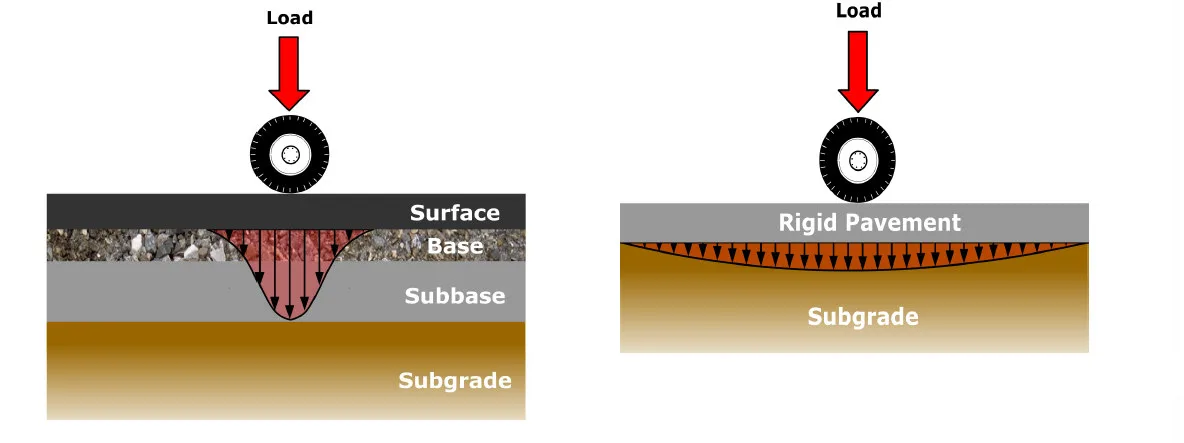
Pavements serve several critical functions in highway construction. They reduce and distribute traffic loading to prevent damage to the subgrade. Additionally, pavements provide vehicular access between two points under various weather conditions. They ensure a safe, smooth, and comfortable ride for road users, minimizing delays and excessive wear and tear on vehicles.
What are the requirements for effective pavement design?
Effective pavement design requires several key considerations. The pavement must have sufficient thickness to spread loading to a pressure intensity that is tolerable by the subgrade. It should be strong enough to carry imposed stresses from traffic loads and prevent frost effects on susceptible subgrades. Furthermore, the materials used must be impervious to surface water penetration, and the pavement surface should be skid-resistant to ensure safety.
What are the two main types of highway pavements discussed?
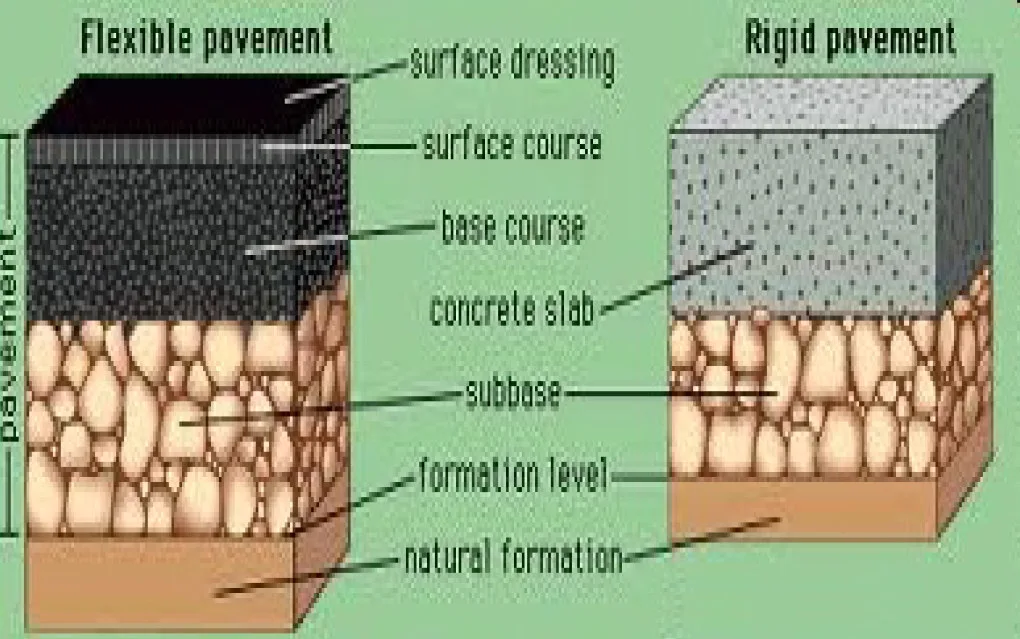
The document discusses two primary types of highway pavements: flexible pavements and rigid pavements. Flexible pavements typically involve deep foundations or multi-layer construction, which makes them less expensive to construct. In contrast, rigid pavements consist of a single-layer construction, generally offering a longer lifespan but at a significantly higher construction cost.
What is the significance of the United States Interstate System?
The United States Interstate System, initiated by President Dwight D. Eisenhower in 1956, was designed to facilitate military troop movement and meet civilian transportation needs. Spanning 46,876 miles and costing approximately $128.9 billion, it features a combination of flexible and rigid pavements tailored to specific requirements. The system also includes over 205 bridges, highlighting its extensive infrastructure.
What are the key features of concrete pavements?
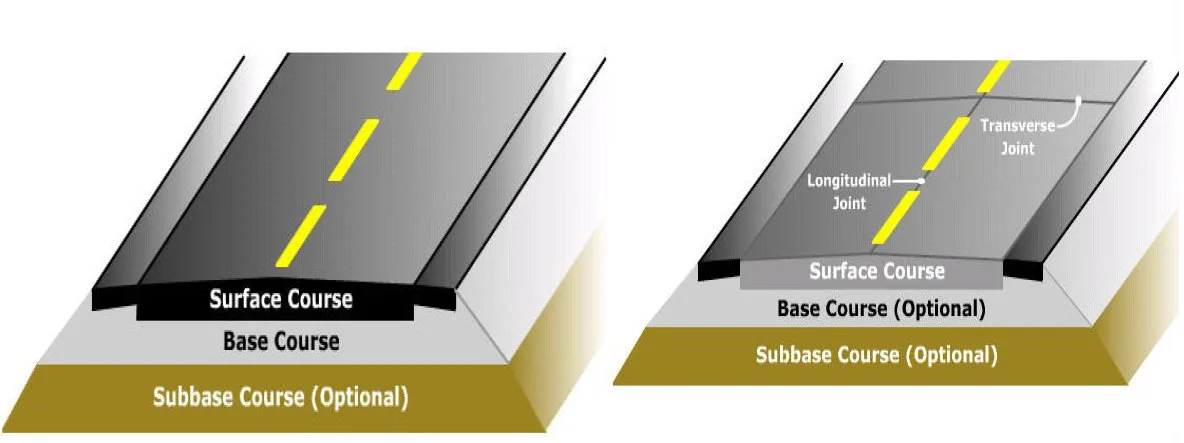
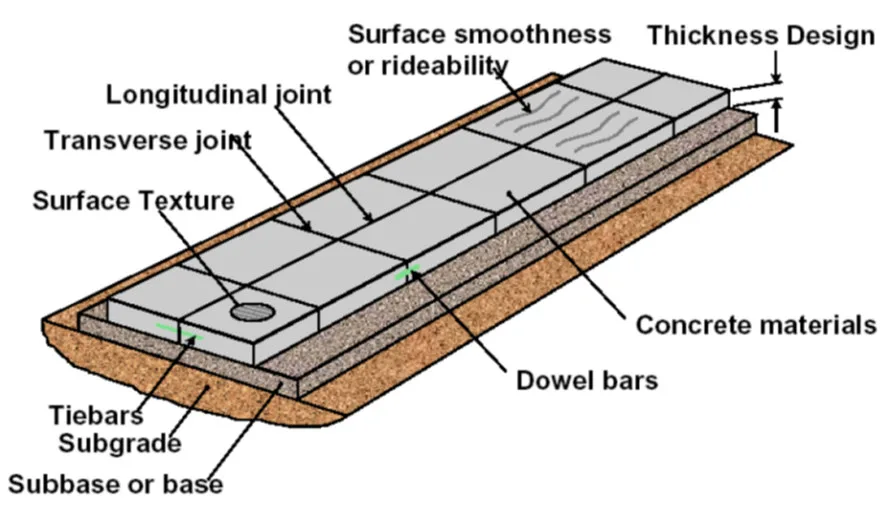
Concrete pavements have several key features that enhance their performance. These include surface smoothness, thickness design, and the materials used in construction. Additionally, concrete pavements must have proper joint designs, such as transverse joints, to accommodate expansion and contraction. The overall design aims to ensure durability and longevity under traffic loads.
How does the Nigerian Society of Engineers categorize its membership?
The Nigerian Society of Engineers (NSE) categorizes its membership into six grades, including Student Member, Graduate Member, and Corporate Member. Each category has specific qualifications and experience requirements. For instance, Corporate Members must hold a Bachelor's degree in Engineering from accredited institutions and have been registered by COREN as professional engineers.
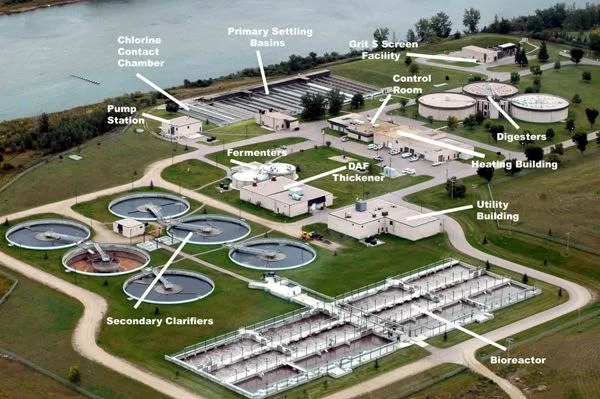
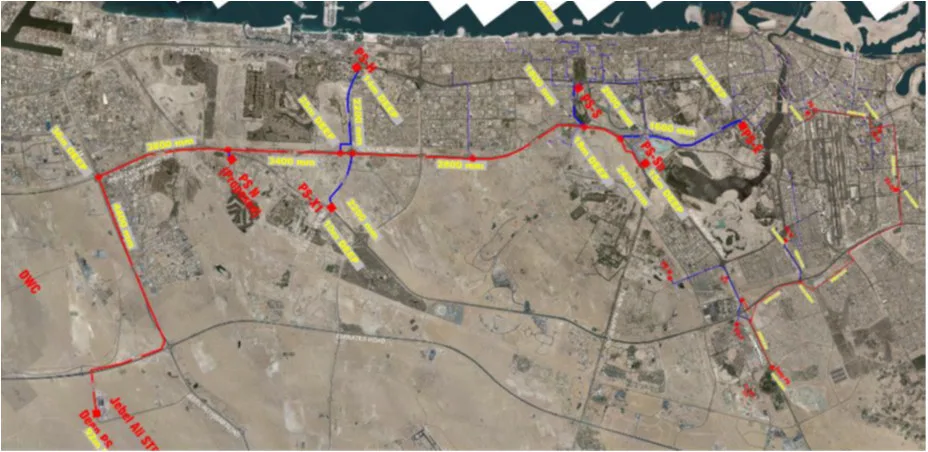
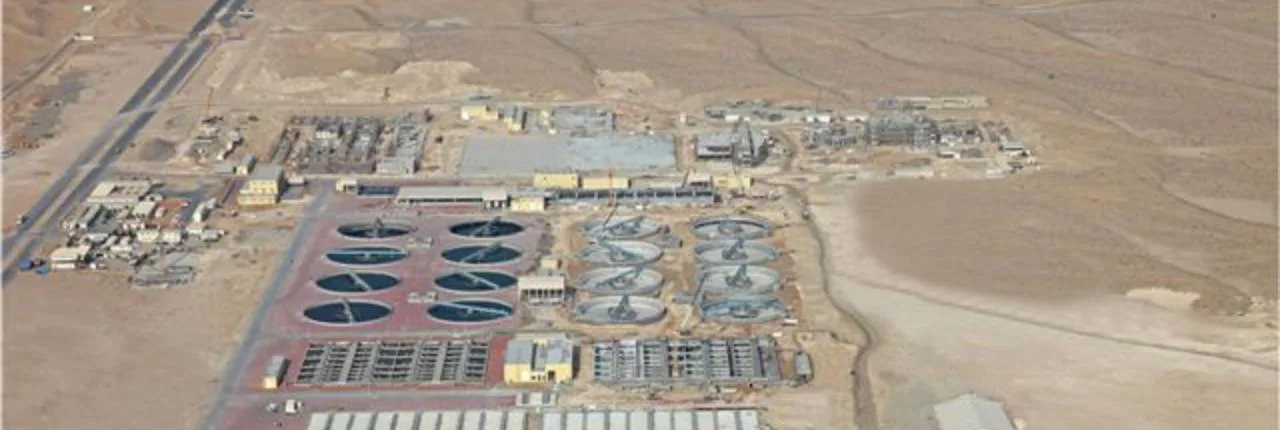
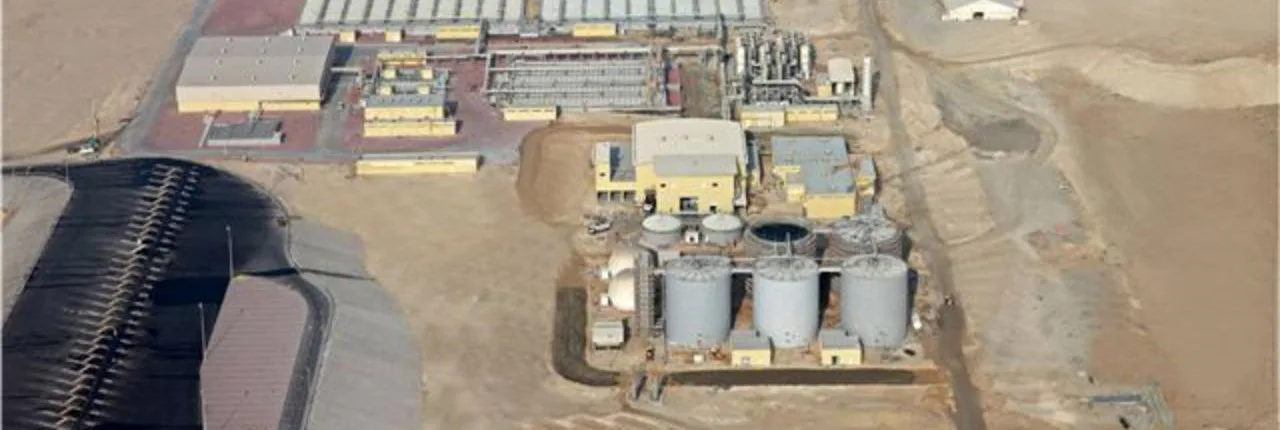
What are the phases involved in the Jebel Ali Sewage Treatment Plant project?
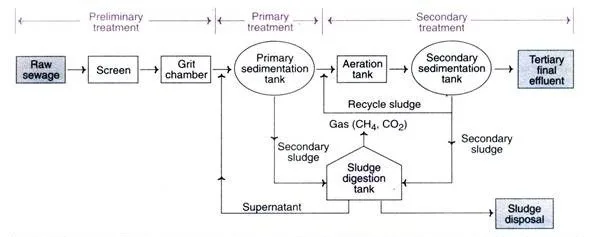
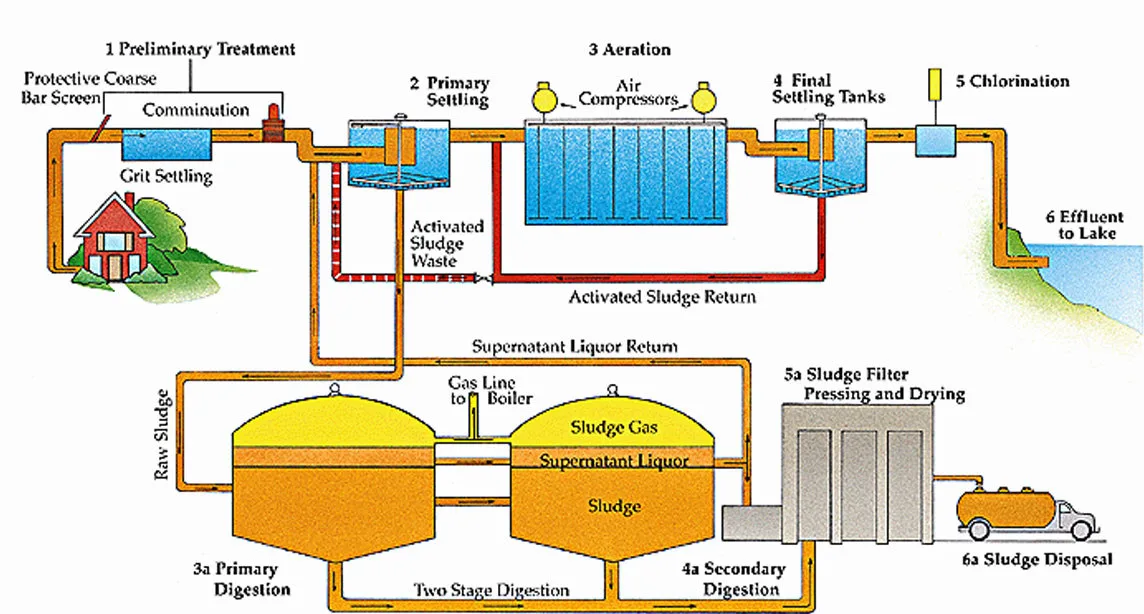
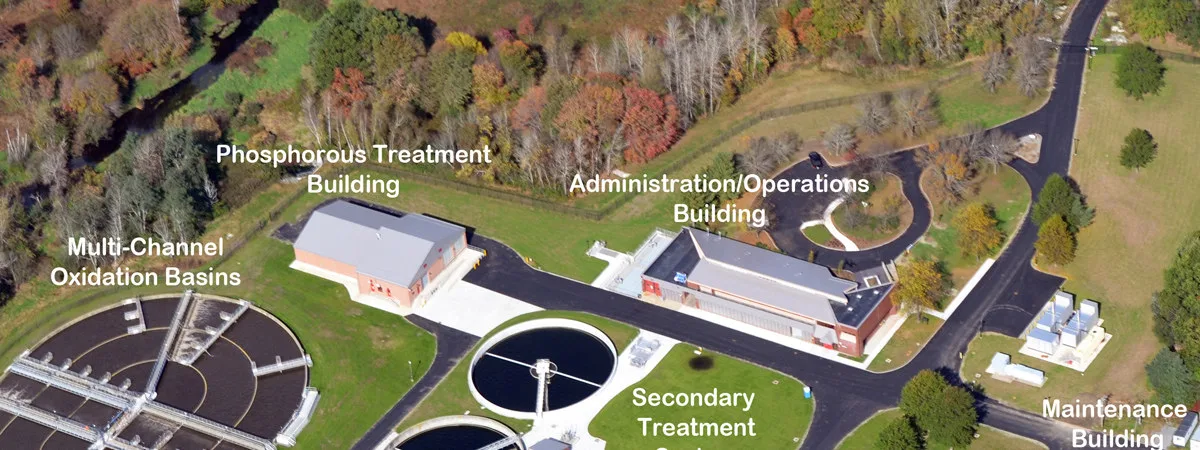
The Jebel Ali Sewage Treatment Plant in Dubai has two phases. Phase 1 has a capacity of 300,000 m³/day, while Phase 2 increases the capacity to 675,000 m³/day. The total cost for the plant is AED 2.8 billion, with Phase 1 costing AED 1.5 billion and Phase 2 costing AED 1.3 billion. The plant serves a population of approximately 1.35 million.