

Zoology is the profound study of the animal kingdom, encompassing everything from the simplest single-celled protozoans to the most complex mammalian systems. It is a vast, integrative field that examines the anatomy, physiology, genetics, behavior, evolution, and classification of all animal life on Earth. As a discipline, zoology does not exist in a vacuum; it is the study of how life has adapted, specialized, and diversified over millions of years to inhabit every corner of our planet.
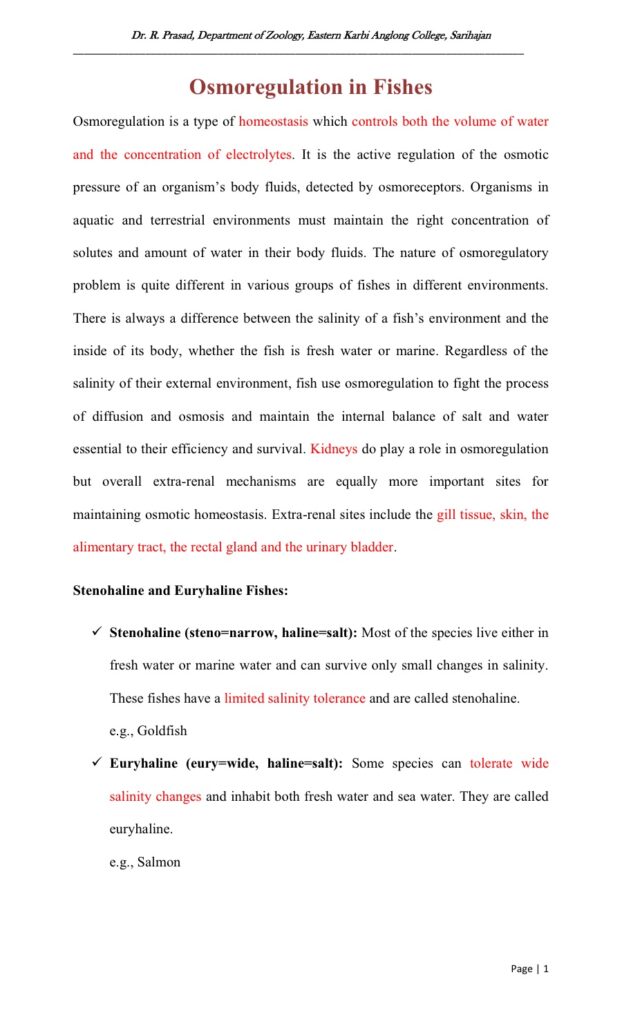
To master zoology is to master the mechanisms of survival. Whether investigating the osmotic regulation of deep-sea invertebrates, the social hierarchy and communication behaviors of primates (ethology), or the intricate developmental patterns of chordate embryos, zoologists uncover the fundamental principles that govern biological existence. On Chesser Resources, we curate a massive repository of animal biology content that bridges the gap between foundational taxonomy and cutting-edge ecological and physiological research.
Our library organizes the complexity of the animal kingdom into manageable, high-yield frameworks:
Invertebrate Zoology: Explore the 95% of animal life that lacks a backbone. Our materials cover sponges (Porifera), stinging animals (Cnidaria), mollusks, arthropods, and echinoderms, focusing on their unique survival adaptations.
Vertebrate Zoology (Chordates): Deep-dive into the phylum Chordata. Study the evolutionary progression from jawless fish to cartilaginous/bony fish, amphibians, reptiles, birds, and mammals.
Comparative Anatomy & Physiology: Compare systems across species. How does a bird’s respiratory system differ from a mammal’s? How does circulatory efficiency change across species? These worksheets are essential for understanding evolutionary trade-offs.
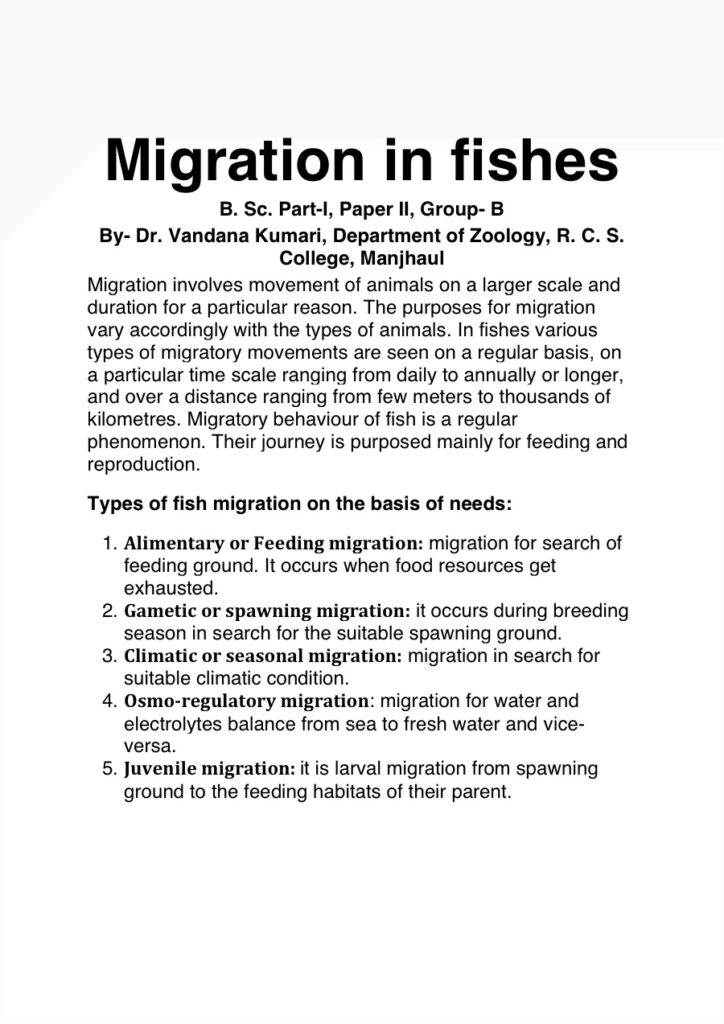
Ethology (Animal Behavior): Analyze the “why” behind animal actions. Study instincts, learning processes, mating strategies, migration, and complex social structures within animal groups.
Phylogenetics & Evolutionary Biology: Trace the tree of life. Use our classification guides to understand cladistics, common ancestry, and the divergence of species through natural selection.
To be classified as an animal (Animalia), an organism must be: Multicellular, Eukaryotic, and Heterotrophic (it must ingest organic matter for energy). Additionally, almost all animals are capable of motility at some stage in their life cycle, and their cells lack the rigid cell walls found in plants and fungi, allowing for greater structural flexibility and movement.
Comparative anatomy is the study of similarities and differences in the structures of different species. By identifying homologous structures—features that share a common evolutionary origin, such as the human arm, the bat’s wing, and the whale’s flipper—zoologists can build a map of ancestral relationships. It provides the physical proof of how species diverge to adapt to different environments while maintaining a shared genetic heritage.
While all vertebrates (animals with backbones) are chordates, the vast majority of animal biodiversity exists within the invertebrate groups. Invertebrates are incredibly diverse, showing a wider range of physiological solutions to survival than vertebrates. Comparing the two helps zoologists identify key evolutionary innovations, such as the development of endoskeletons, complex closed circulatory systems, and high-level cephalization (brain development).
Ethology is the scientific study of animal behavior. It isn’t just about observation; it’s about understanding behavior as an evolutionary adaptation. By studying how animals find food, choose mates, or defend territory, we can understand the selection pressures that shaped their anatomy and physiology. Behavioral studies are also critical for modern conservation biology, as they help us understand the requirements for species survival in threatened habitats.
Modern classification is moving away from purely physical observations to Cladistics, which uses molecular data (DNA and RNA sequencing) alongside traditional morphology. This ensures that classification reflects true evolutionary lineage rather than just superficial resemblance. Our library includes resources on both classical Linnaean taxonomy and modern molecular phylogeny.
Zoology provides the data necessary to protect biodiversity. By understanding the life cycles, reproductive needs, and habitat requirements of specific species, we can develop targeted conservation strategies. Without a deep understanding of zoological principles—like niche partitioning and carrying capacity—we cannot effectively manage ecosystems, mitigate the impact of invasive species, or prevent mass extinction events.
Chesser Resources is designed to be the ultimate high-performance hub for academic research. With over 300,000 documents and a community contributing 90+ uploads every day, our library is an evolving, living repository.
Why rely on Chesser Resources?
Instant Comprehension: Use our AI-powered summaries to digest dense research papers or long-form lecture notes in seconds.
Ask-AI Interaction: Need to know how a specific invertebrate taxon manages nitrogenous waste? Ask-AI the document directly.
High-Fidelity Viewing: Our browser-based reader preserves the visual integrity of complex anatomical diagrams, flowcharts, and phylogenetic trees, ensuring no information is lost in conversion.