

Access an extensive, community-driven library of ecology PDFs, food web worksheets, population dynamics flowcharts, and ecosystem study guides on Chesser Resources. We provide a centralized, 100% free-to-read hub for environmental and biological study material, featuring over 300,000 documents across the sciences. This dedicated collection tracks the complex web of life—ranging from the microscopic interactions within local communities to the global cycles of nutrients and energy. Whether you are troubleshooting the mathematics of population growth models, mapping the flow of energy through trophic levels, or preparing for an advanced university ecology or conservation exam, our browser-based reader, AI summaries, and Ask-AI tools provide instant, deep-dive clarity.
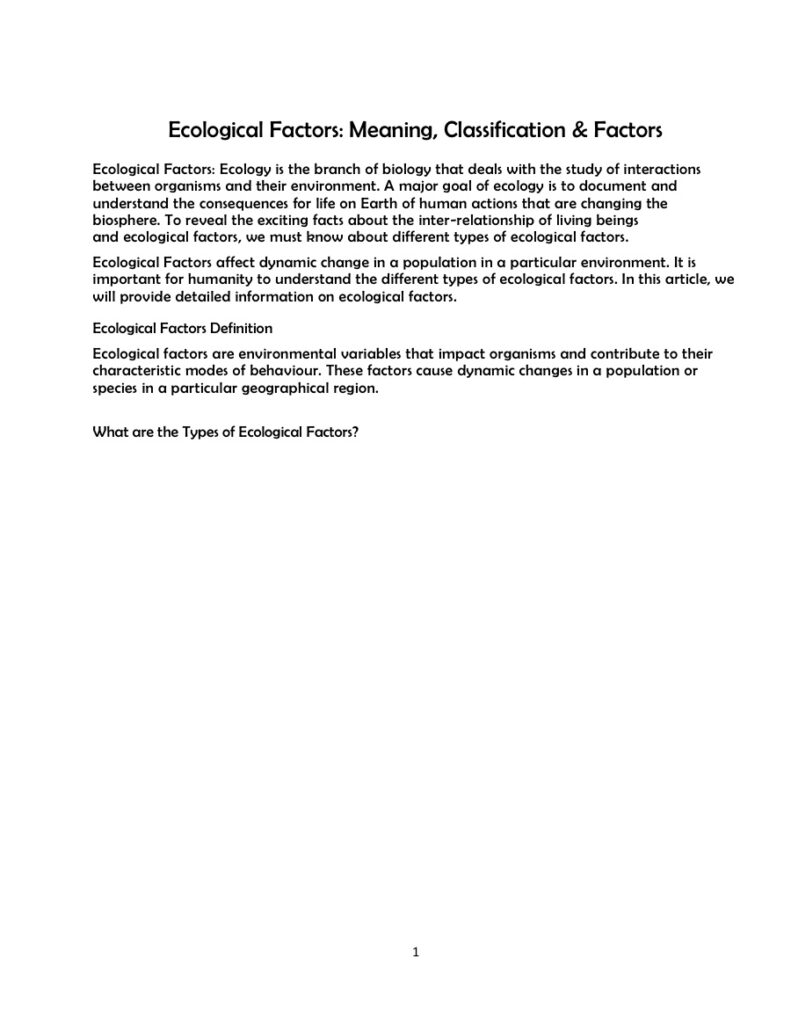
Ecology is the multidisciplinary scientific study of the interactions between living organisms and their environment. It explores the hierarchical structure of biological systems, from the individual organism to global biomes. The field branches into three fundamental frameworks: Organismal & Population Ecology (the life history, survival, and growth of single species), Community & Ecosystem Ecology (the networks of species interactions, biodiversity, and energy flux), and Global Ecology (the study of biogeochemical cycles and human impact). Studying ecology builds advanced competencies in data analysis, systems modeling, and environmental stewardship—skills foundational to every career in conservation, environmental law, urban planning, and sustainability.
Our library hosts a vast array of student-shared field reports, ecosystem models, and comprehensive review packages organized for deep study:
Dynamics & Models: Find high-yield population growth model worksheets detailing exponential ($J$-curve) and logistic ($S$-curve) growth patterns.
Life History: Access life table and survivorship curve guides analyzing how species allocate energy toward reproduction and survival.
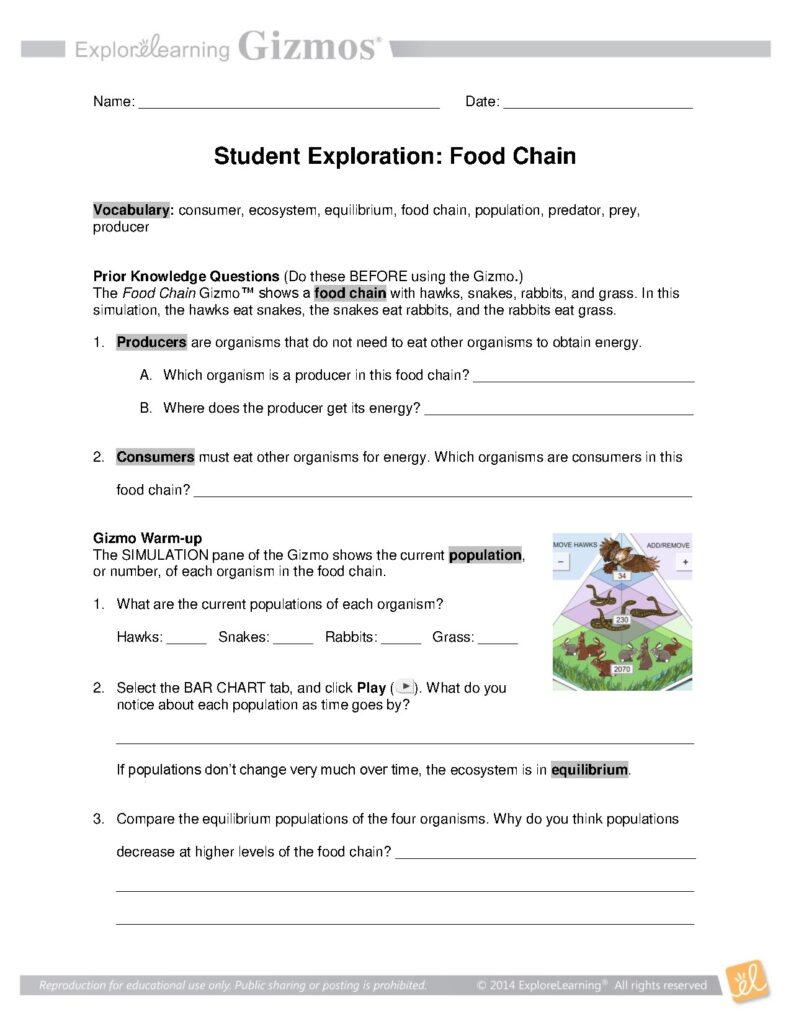
Interactions: Download functional food web and trophic level diagrams mapping the movement of biomass through producers, consumers, and decomposers.
Niches: Browse ecological niche and habitat study guides explaining competitive exclusion, resource partitioning, and species coexistence.
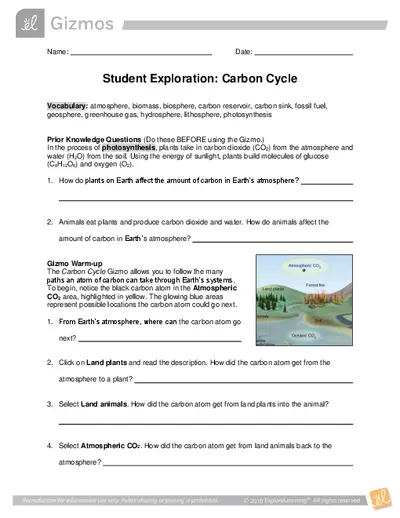
Nutrient Flux: Access biogeochemical cycle notes detailing the nitrogen, carbon, and phosphorus cycles that sustain global life.
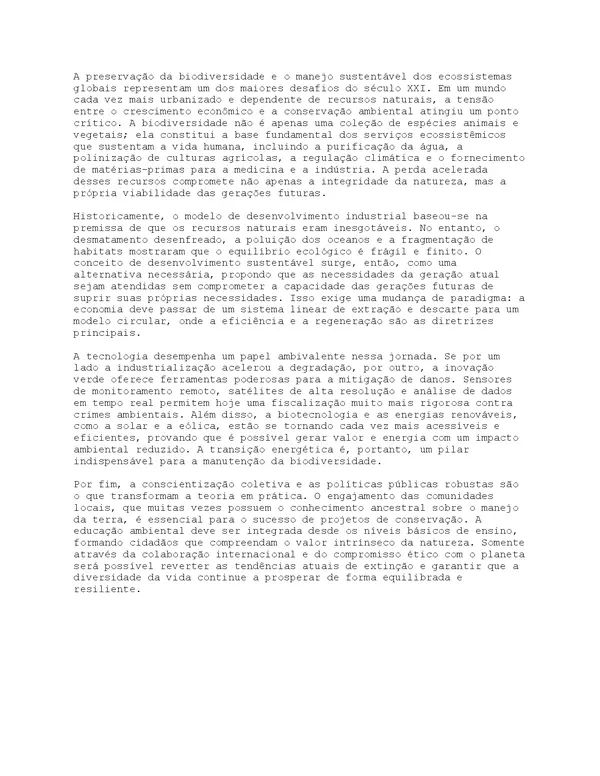
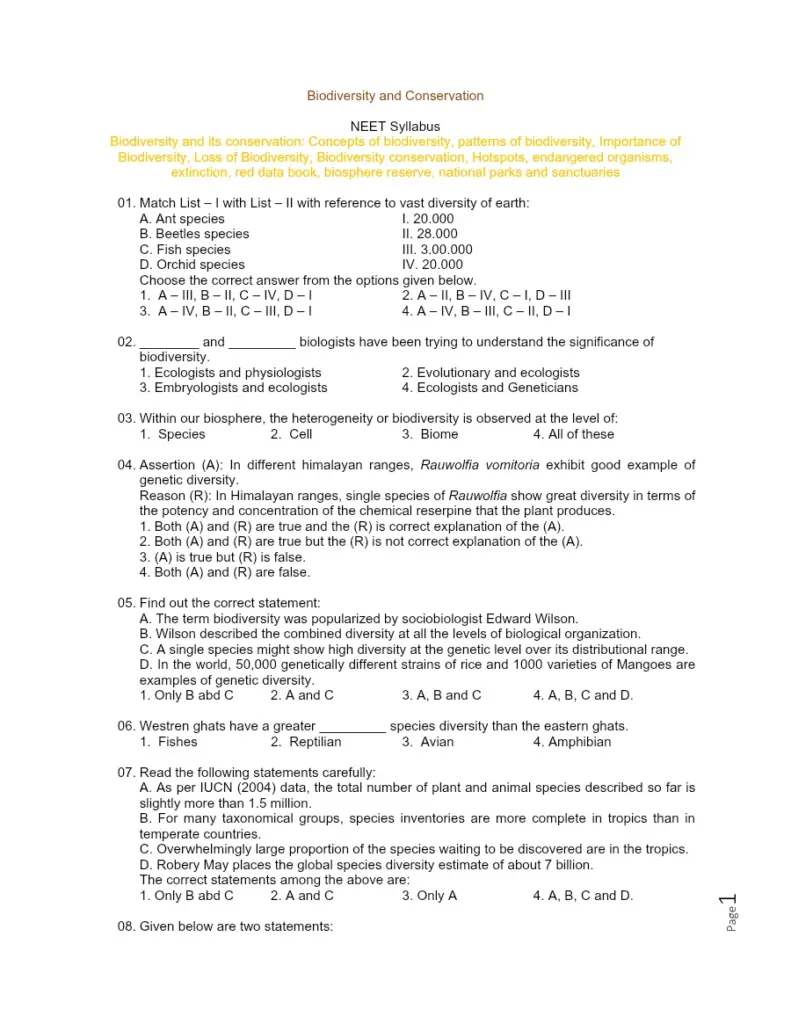
Applied Conservation: Browse dossiers on biodiversity and ecosystem service guides, focusing on the preservation of resilience in the face of environmental change.
| Ecological Variable | Definition | Systemic Significance |
| Carrying Capacity ($K$) | Max population size an environment can support | Limit on population growth in logistic models |
| Trophic Efficiency | Energy transferred between levels | Typically ~10% (The 10% Rule) |
| Biomass | Total mass of organisms in a given area | Metric for ecosystem productivity |
| Resilience | Ability of an ecosystem to recover from disturbance | Measure of ecological stability |
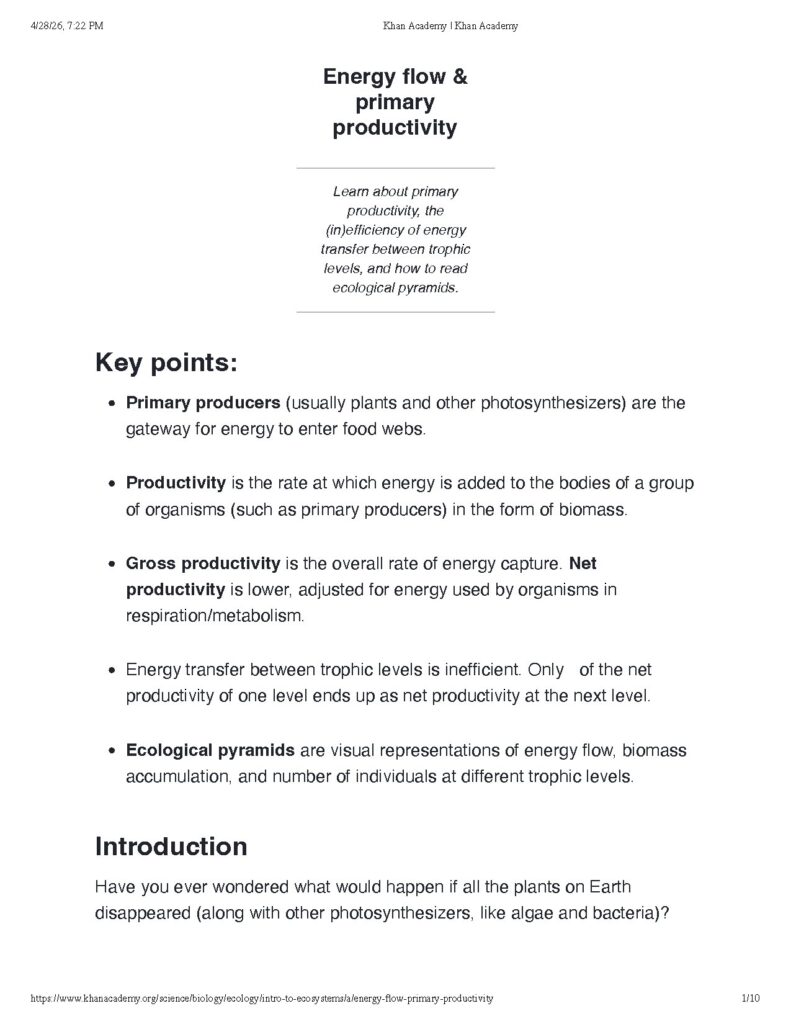
The 10% rule describes the efficiency of energy transfer between trophic levels in a food chain. Because organisms use the vast majority of the energy they consume for their own respiration, movement, and heat loss, only about 10% of the energy from one level is stored as biomass available to the next consumer. This is why food chains rarely exceed 4 or 5 levels; there simply isn’t enough energy remaining to support a predator at the top.
An ecological niche is the functional “role” an organism plays in its environment. It includes not just where it lives (its habitat), but what it eats, when it is active, and how it interacts with other species. According to the Competitive Exclusion Principle, two species cannot occupy the exact same niche in the same environment for long; eventually, one will outcompete the other, or they will evolve to specialize in different resources (resource partitioning).
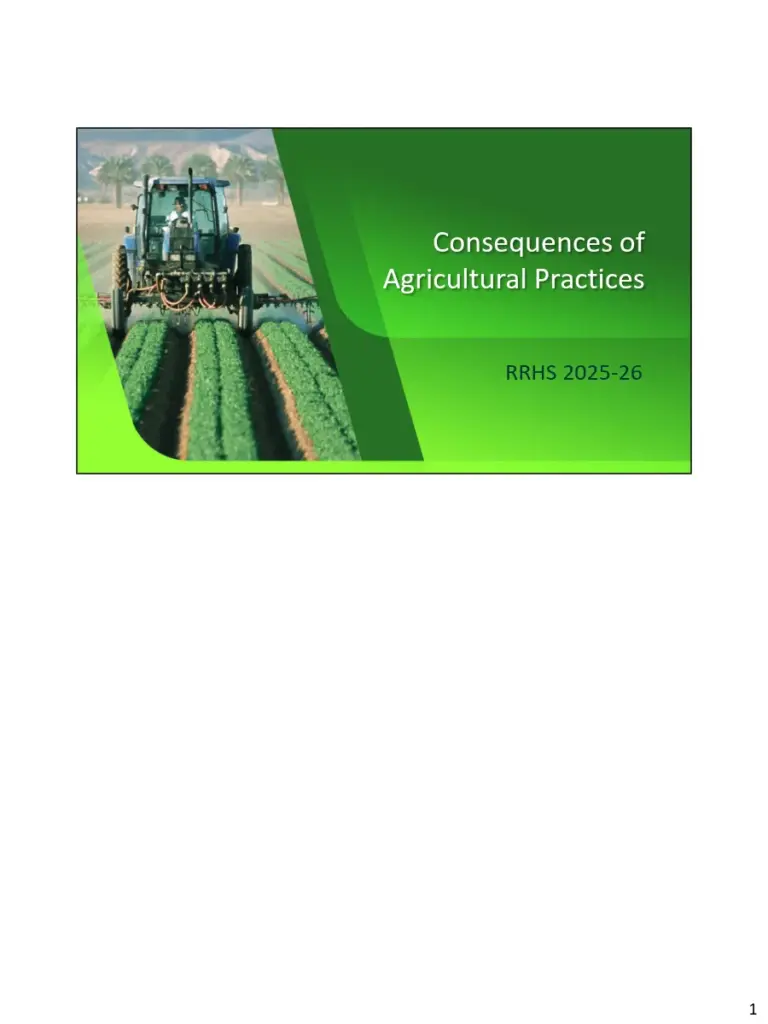
Humans have drastically altered the Earth’s natural nutrient cycles. By burning fossil fuels, we are pumping stored carbon into the atmosphere at rates far beyond natural sequestration, causing climate instability. Similarly, through industrial fertilizers, we have more than doubled the global flow of reactive nitrogen, which leads to “dead zones” in aquatic ecosystems where massive algal blooms deplete oxygen, killing off fish and other aquatic life.
Chesser Resources is a free, open library of study and research material designed to democratize access to academic success. We host over 300,000+ documents—including textbooks, lecture notes, research papers, and study guides—across every subject imaginable. We believe students shouldn’t have to navigate paywalls or blurry preview pages just to get the information they need to learn.
Everything on Chesser Resources is free to read and search in your browser. We’ve built in powerful, free tools to help you actually learn from the material: AI summaries for fast comprehension, an Ask-AI chatbot to answer specific questions about your document, highlighting and annotation tools, and even read-aloud audio. Our platform is kept free by the community; by contributing your own notes or sharing content, you earn credits that unlock document downloads and prints, ensuring the library remains a high-performance, open-access resource for students everywhere.
Ready to dive into ecology study guides or population growth models? You don’t need to sign up to start learning. Browse our library, use our AI tools to summarize complex environmental pathways, and contribute your own notes to help the student community grow.