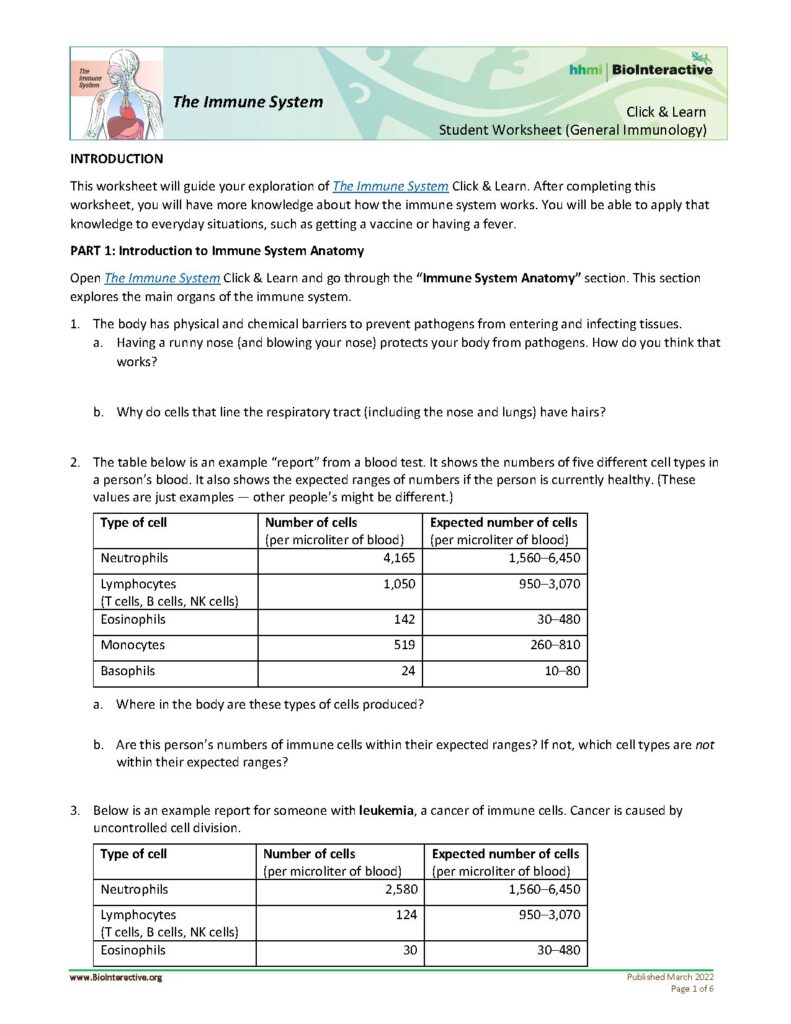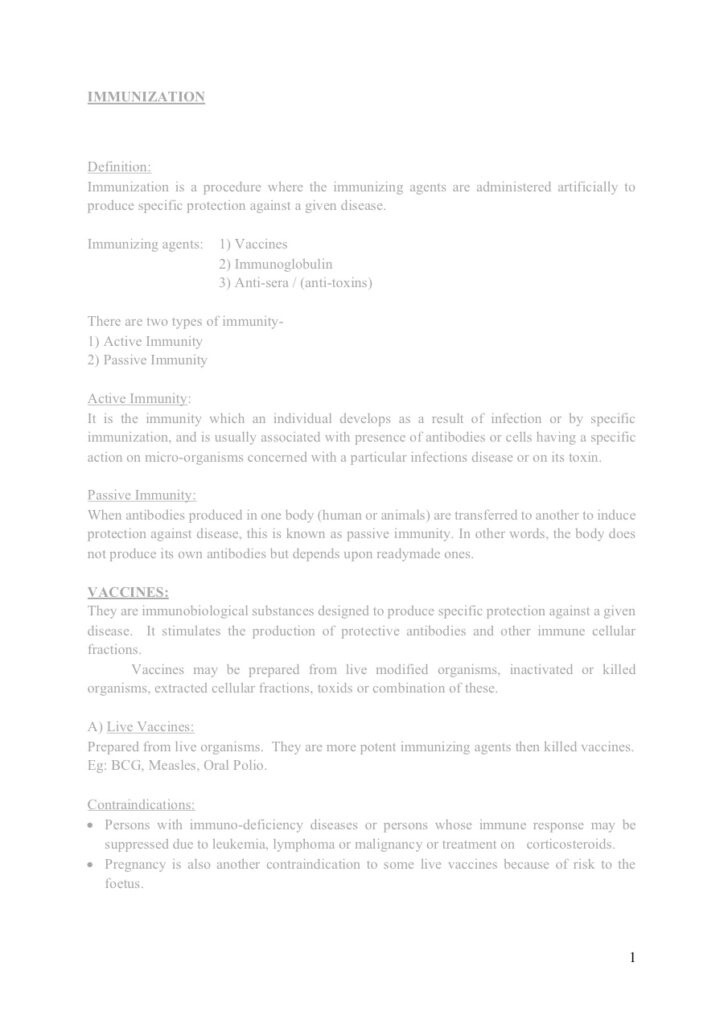


Access an extensive, community-driven library of immunology PDFs, immune system worksheets, pathogen interaction diagrams, and clinical defense study guides on Chesser Resources. We provide a centralized, 100% free-to-read hub for biological and medical study material, featuring over 300,000 documents across the sciences. This dedicated collection tracks the sophisticated defense network of the body—ranging from the microscopic precision of antibody-antigen binding to the systemic coordination of the inflammatory response. Whether you are troubleshooting the complexities of $T$-cell activation, mapping the distinction between innate and adaptive immunity, or preparing for an advanced university medical or biology exam, our browser-based reader, AI summaries, and Ask-AI tools provide instant, deep-dive clarity.
Immunology is the branch of biomedical science that studies the structure and function of the immune system. It encompasses the study of the body’s mechanisms to recognize and eliminate pathogens (bacteria, viruses, parasites) and tumor cells, as well as the study of immune system dysfunction (autoimmunity, hypersensitivity, and immunodeficiency). The field branches into three fundamental frameworks: Innate Immunity (the non-specific, rapid-response first line of defense), Adaptive Immunity (the highly specific, memory-based defense involving $B$ and $T$ cells), and Clinical/Applied Immunology (immunotherapy, vaccine development, and diagnostic assays). Studying immunology builds advanced competencies in molecular recognition, signal transduction, and clinical diagnostics—skills foundational to every career in medicine, pathology, biotechnology, and public health.
Our library hosts a vast array of student-shared experiment logs, signaling pathway maps, and comprehensive review packages organized for deep study:
Innate Systems: Find high-yield innate immunity notes detailing physical barriers, phagocytes, complement systems, and inflammatory responses.
Adaptive Systems: Access adaptive immunity worksheets tracking the clonal selection of $B$ cells (antibodies) and $T$ cells (cell-mediated immunity).
The Cytokine Network: Download functional cytokine signaling PDFs analyzing how immune cells communicate through chemical messengers.
Antigen Presentation: Browse study materials on Major Histocompatibility Complex (MHC) I and II and how they present foreign peptides to the immune system.
Pathological Deviations: Access immunodeficiency and autoimmune disease guides analyzing what happens when the immune system fails to differentiate “self” from “non-self.”
Advanced Therapeutics: Browse dossiers on vaccine mechanisms and immunotherapy, focusing on how we leverage immune memory to prevent or treat infectious diseases and cancer.
| Immune Component | Mechanism | Biological Role |
| Phagocytes | Engulfment and degradation | Innate non-specific clearance |
| $B$ Cells | Antibody production | Humoral adaptive response |
| $T$ Cells | Cytolysis and signal regulation | Cell-mediated adaptive response |
| Complement | Cascade-based lysis | Innate enhancement of pathogen clearance |
The Innate immune system is your “first responder.” It is present from birth, reacts immediately, and is non-specific—meaning it attacks anything it recognizes as “not self” using broad-spectrum defenses. The Adaptive immune system is your “specialized task force.” It takes days or weeks to fully activate, but it is highly specific and creates “memory.” Once it defeats a pathogen, it remembers the signature for years, ensuring that if you encounter the same virus again, your response is much faster and stronger.
This is known as self-tolerance. During development, immune cells that react strongly against the body’s own proteins are identified and eliminated (a process called negative selection). Autoimmune diseases occur when this “quality control” process fails, causing the immune system to mistakenly identify the body’s own healthy tissues as foreign invaders, triggering a damaging inflammatory attack.
Vaccines are a form of “proactive” immunity. By introducing a harmless piece of a pathogen (like an antigen or a weakened virus), we “train” the Adaptive immune system to create memory cells without the risk of an actual infection. If you encounter the real pathogen later, your immune system has a head start—the “specialized task force” is already armed and ready to neutralize the threat before you even show symptoms.
Chesser Resources is a free, open library of study and research material designed to democratize access to academic success. We host over 300,000+ documents—including textbooks, lecture notes, research papers, and study guides—across every subject imaginable. We believe students shouldn’t have to navigate paywalls or blurry preview pages just to get the information they need to learn.
Everything on Chesser Resources is free to read and search in your browser. We’ve built in powerful, free tools to help you actually learn from the material: AI summaries for fast comprehension, an Ask-AI chatbot to answer specific questions about your document, highlighting and annotation tools, and even read-aloud audio. Our platform is kept free by the community; by contributing your own notes or sharing content, you earn credits that unlock document downloads and prints, ensuring the library remains a high-performance, open-access resource for students everywhere.
Ready to dive into immunology study guides or immune response diagrams? You don’t need to sign up to start learning. Browse our library, use our AI tools to summarize complex defense pathways, and contribute your own notes to help the student community grow.