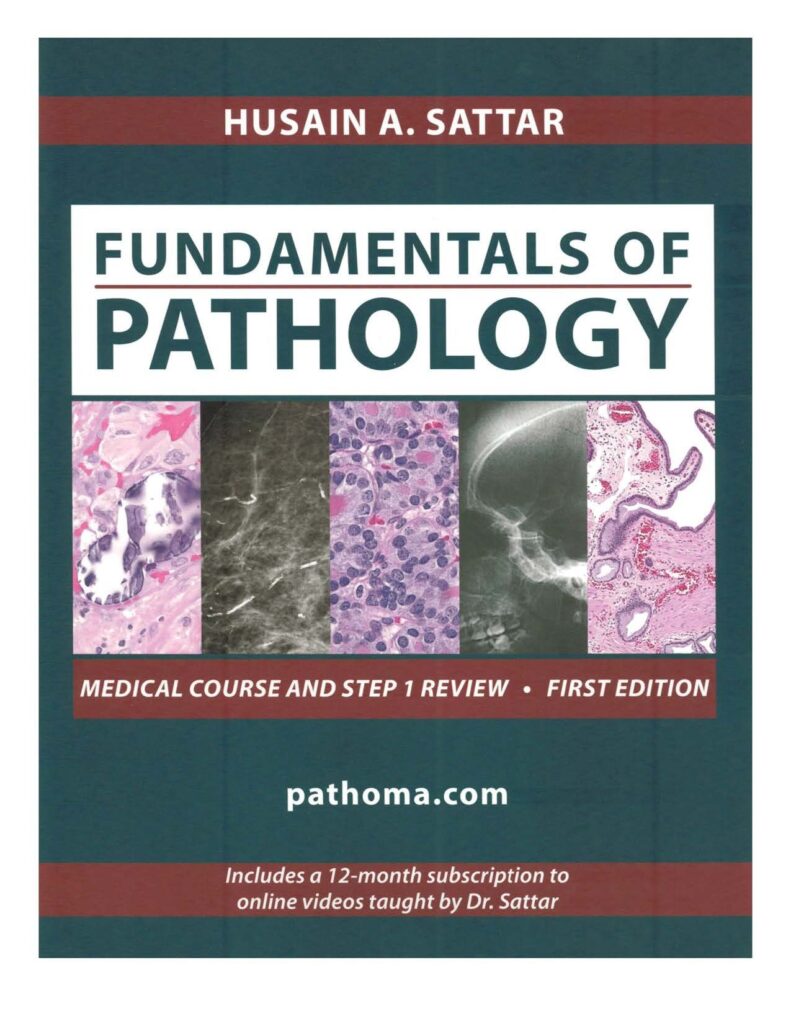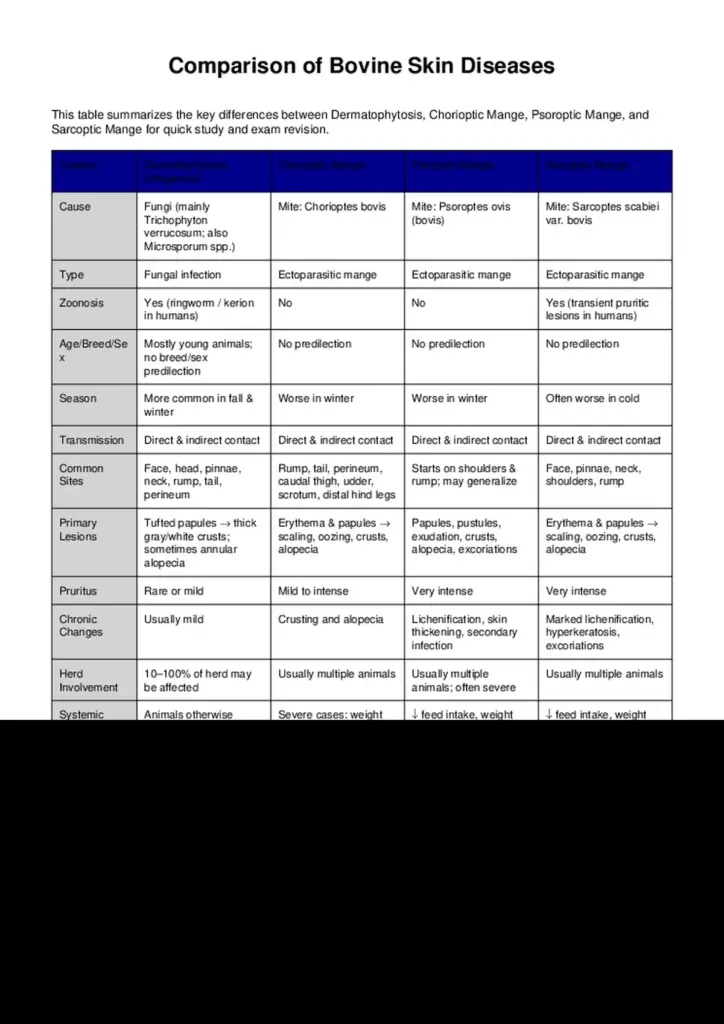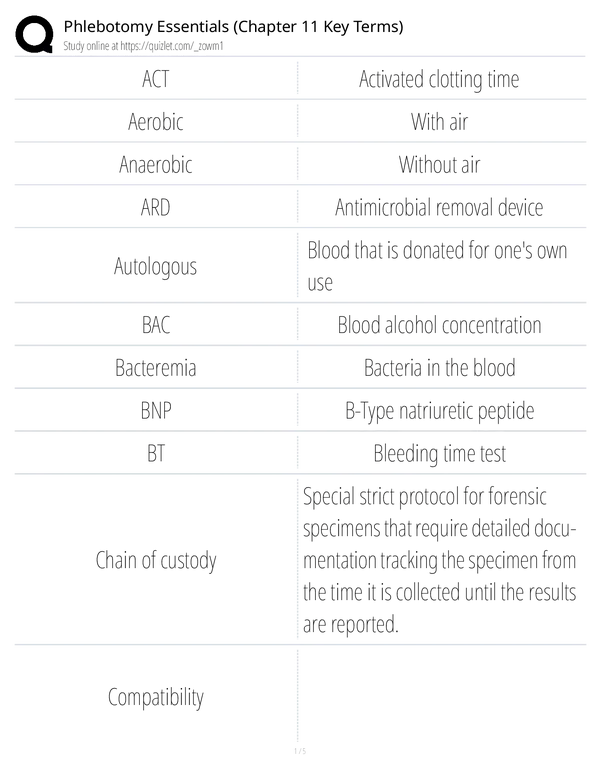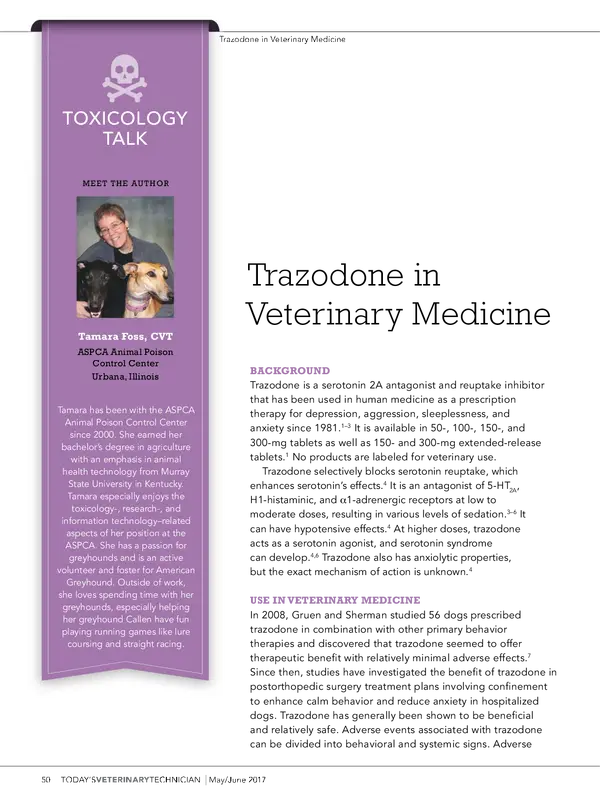


Access an extensive, community-driven library of pathology PDFs, disease mechanism worksheets, histopathology diagrams, and clinical diagnostic study guides on Chesser Resources. We provide a centralized, 100% free-to-read hub for biological and medical study material, featuring over 300,000 documents across the sciences. This dedicated collection tracks the fundamental language of medicine—the study of disease. Ranging from the microscopic precision of cellular injury and adaptation to the systemic complexity of neoplasia and inflammatory responses, our library is built for depth. Whether you are troubleshooting the etiology of a specific syndrome, mapping the structural changes in biopsy tissue, or preparing for an advanced university clinical pathology or medical board exam, our browser-based reader, AI summaries, and Ask-AI tools provide instant, deep-dive clarity.
Our library hosts a vast array of student-shared case reports, diagnostic flowcharts, and comprehensive review packages organized for deep study:
Fundamental Responses: Find high-yield cellular injury and adaptation worksheets detailing necrosis, apoptosis, atrophy, hypertrophy, hyperplasia, and metaplasia.
Inflammation & Repair: Access inflammation and wound healing guides mapping the acute and chronic response pathways that govern tissue repair.
Tissue Diagnosis: Download functional histopathology and organ-system study guides analyzing how normal tissue architecture deviates in inflammatory, infectious, or neoplastic states.
Neoplasia: Browse study materials on oncogenesis, tracking the molecular hallmarks that transform healthy cells into uncontrolled malignant growth.
Lab Analysis: Access clinical laboratory diagnostic guides covering hematology, urinalysis, serum chemistry, and microbiological culture interpretation.
Applied Science: Browse dossiers on etiology and pathogenesis, focusing on how specific genetic, environmental, and infectious factors initiate disease.
| Pathological Process | Definition | Clinical/Structural Significance |
|---|---|---|
| Etiology | The underlying cause of a disease | Genetic, environmental, or infectious |
| Pathogenesis | The mechanism of disease development | The sequence of events from insult to manifestation |
| Morphology | The structural alterations in cells/tissues | Observed via microscopy or gross examination |
| Neoplasia | “New growth” (benign or malignant) | Uncontrolled cellular proliferation |
Etiology is the why—it identifies the initiating cause of a disease (e.g., a specific virus, a genetic mutation, or a toxin). Pathogenesis is the how—it describes the step-by-step biological “story” of how that cause triggers structural and functional changes in the body. Understanding both is critical; you can have the same etiology in two people, but different pathogenic outcomes based on their individual biology.
While imaging (like CT or MRI) tells us where a problem is, histopathology tells us what the problem is at the most fundamental level. By examining thin sections of tissue under a microscope, pathologists can visualize cellular abnormalities, architectural changes, and inflammatory patterns that no scan can detect. It provides the definitive “ground truth” for staging cancer, identifying infection types, and tailoring patient treatment plans.
Cells are surprisingly resilient. Before they succumb to irreversible injury (like necrosis), they often adapt to environmental stress. For example, if a tissue is under constant demand, its cells might increase in size (hypertrophy) or number (hyperplasia). If they are exposed to harsh conditions, they might change their cell type (metaplasia) to better handle the environment. Pathology study focuses on identifying these transitions, as they are often the “early warning signs” that a healthy tissue is moving toward dysfunction.
Chesser Resources is a free, open library of study and research material designed to democratize access to academic success. We host over 300,000+ documents—including textbooks, lecture notes, research papers, and study guides—across every subject imaginable. We believe students shouldn’t have to navigate paywalls or blurry preview pages just to get the information they need to learn.
Everything on Chesser Resources is free to read and search in your browser. We’ve built in powerful, free tools to help you actually learn from the material: AI summaries for fast comprehension, an Ask-AI chatbot to answer specific questions about your document, highlighting and annotation tools, and even read-aloud audio. Our platform is kept free by the community; by contributing your own notes or sharing content, you earn credits that unlock document downloads and prints, ensuring the library remains a high-performance, open-access resource for students everywhere.
Ready to dive into pathology study guides or histopathology diagrams? You don’t need to sign up to start learning. Browse our library, use our AI tools to summarize complex disease mechanisms, and contribute your own notes to help the student community grow.