

Access an extensive, community-driven library of mycology PDFs, fungal identification worksheets, spore dispersal diagrams, and clinical pathology study guides on Chesser Resources. We provide a centralized, 100% free-to-read hub for biological and botanical study material, featuring over 300,000 documents across the sciences. This dedicated collection tracks the diverse kingdom of Fungi—ranging from the microscopic complexity of hyphal growth and spore formation to the sophisticated biochemical interactions in both symbiotic and pathogenic environments. Whether you are troubleshooting the identification of mold species, mapping the life cycles of Ascomycota and Basidiomycota, or preparing for an advanced university microbiology or plant pathology exam, our browser-based reader, AI summaries, and Ask-AI tools provide instant, deep-dive clarity.
Mycology is the branch of biology concerned with the study of fungi—including their genetic and biochemical properties, their taxonomy, their use to humans as a source for tinder, medicine (e.g., penicillin), and food, as well as their dangers, such as poisoning or infection. The field branches into three fundamental frameworks: Basic Mycology (the cellular structure, hyphal growth, and reproduction of fungi), Ecological Mycology (the role of fungi as decomposers, symbionts, and plant pathogens), and Medical/Clinical Mycology (the study of fungal infections, or mycoses, and their treatment). Studying mycology builds advanced competencies in taxonomic analysis, environmental monitoring, and diagnostic pathology—skills foundational to every career in microbiology, agriculture, clinical medicine, and biotechnology.
Our library hosts a vast array of student-shared field observations, culture logs, and comprehensive review packages organized for deep study:
Morphology: Find high-yield fungal structure diagrams detailing the distinction between yeasts, molds, and macroscopic fruiting bodies.
Reproductive Cycles: Access spore dispersal and reproduction worksheets tracking the complex life cycles of diverse phyla, including asexual conidiation and sexual sporulation.
The Decomposers: Download functional fungal metabolism and ecology guides analyzing how fungi bridge the gap between organic decay and nutrient cycling.
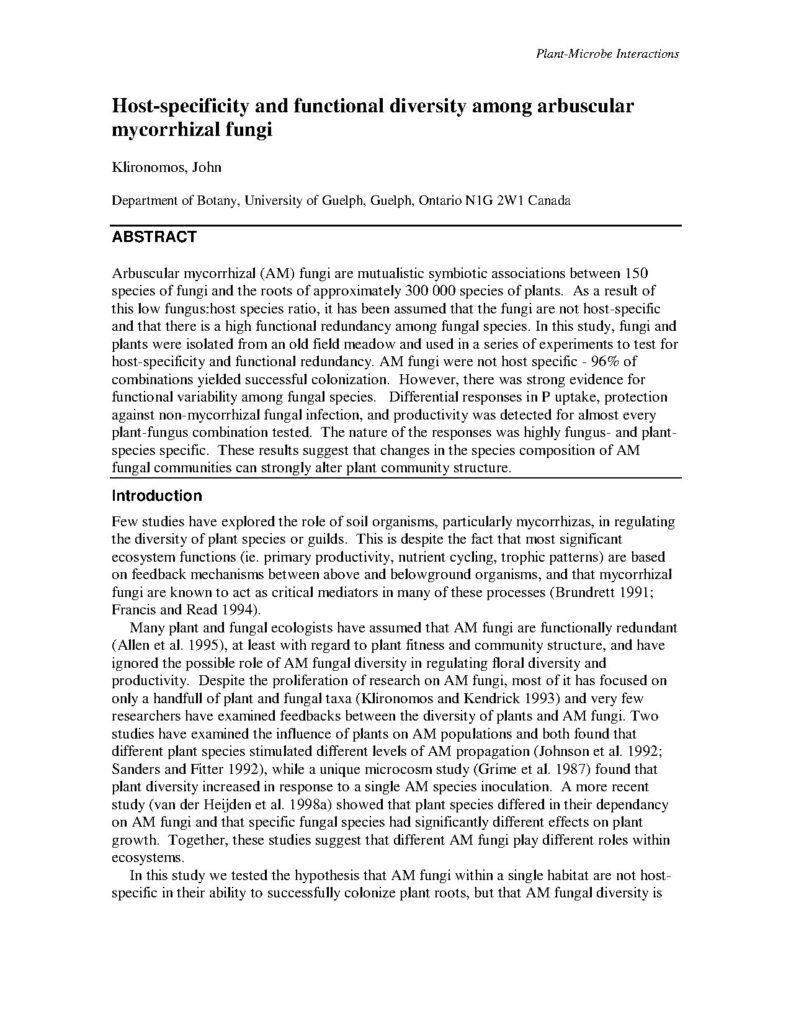
Symbiosis: Browse study materials on mycorrhizal networks—the critical symbiotic relationships between fungi and plant roots that sustain forest health.
Infectious States: Access pathogenic fungi and infection guides analyzing mycoses, from common skin infections to systemic, life-threatening fungal diseases.
Diagnostics: Browse dossiers on yeast and mold identification techniques, focusing on diagnostic staining and culture methods used in clinical laboratories.
| Fungal Feature | Biological Definition | Functional Significance |
| Hyphae | Filamentous growth structures | Nutrient absorption and exploration |
| Mycelium | Mass of hyphae | The “body” of the fungus |
| Chitin | Polymer in fungal cell walls | Provides structural rigidity and protection |
| Spore | Reproductive unit | Dispersal and survival in harsh conditions |
Though historically grouped with plants, fungi are distinct. Fungi are heterotrophs (they must consume organic matter to survive, unlike plants that photosynthesize) and their cell walls are made of chitin rather than cellulose. Furthermore, fungi possess unique life stages and reproductive cycles that are more closely aligned with animal biology in some aspects than with the plant kingdom.
Fungi are Earth’s primary “recyclers.” Through the secretion of extracellular enzymes, they break down complex organic materials—like lignin in wood—that almost no other organisms can digest. Without fungi, the planet would be buried in dead organic matter, and the nutrient cycles (carbon, nitrogen, phosphorus) that plants rely on would completely grind to a halt.
A mycosis is a fungal infection in humans or other animals. These infections range from superficial (like athlete’s foot, which affects only the outer layer of skin) to subcutaneous and systemic (which can invade internal organs). While human immune systems are generally very good at keeping fungi at bay, mycoses are a major concern for immunocompromised individuals, where fungi can opportunisticly invade tissues that would normally be protected.
Chesser Resources is a free, open library of study and research material designed to democratize access to academic success. We host over 300,000+ documents—including textbooks, lecture notes, research papers, and study guides—across every subject imaginable. We believe students shouldn’t have to navigate paywalls or blurry preview pages just to get the information they need to learn.
Everything on Chesser Resources is free to read and search in your browser. We’ve built in powerful, free tools to help you actually learn from the material: AI summaries for fast comprehension, an Ask-AI chatbot to answer specific questions about your document, highlighting and annotation tools, and even read-aloud audio. Our platform is kept free by the community; by contributing your own notes or sharing content, you earn credits that unlock document downloads and prints, ensuring the library remains a high-performance, open-access resource for students everywhere.
Ready to dive into mycology study guides or fungal structure diagrams? You don’t need to sign up to start learning. Browse our library, use our AI tools to summarize complex fungal pathways, and contribute your own notes to help the student community grow.