3
having a pH range between 5.5 to 6.8.
3. b. Soil Water: Soil water is more important than any other ecological factor as it is one of
the inorganic substances required for photosynthesis. Capillary water held between spaces of soil
particles is the most important form of water available to the plants.
4. c. Soil Temperature: Soil temperature plays an essential role in determining the
geographical distribution of plants. Low temperature reduces the use of water and solute
absorption by roots and vice-versa.
5. d. Soil Atmosphere (soil air): Soil contains several gases in the pores found between the soil
particles. These gases mainly include oxygen, carbon dioxide, nitrogen, and water vapour.
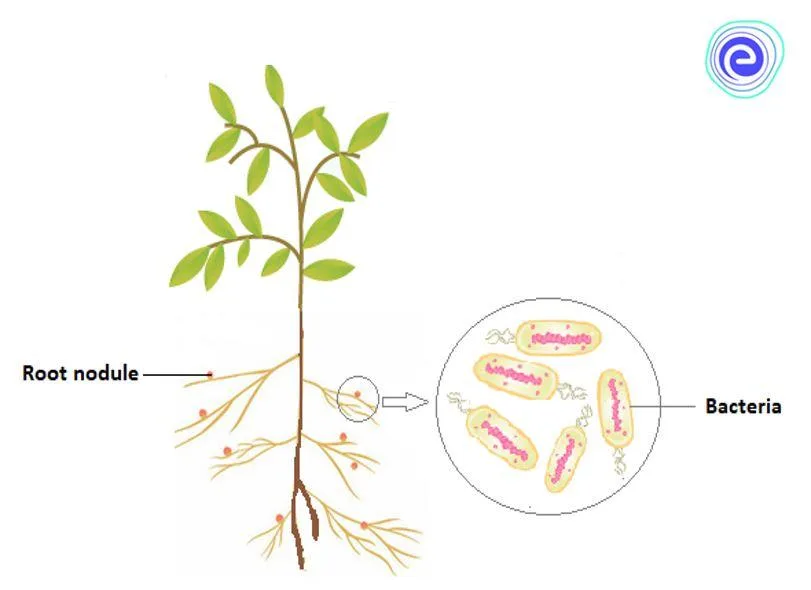
6. e. Soil Organisms: Many organisms inhabit the soil, such as bacteria, fungi, algae,
protozoans, nematodes, insects, earthworms, etc. These are called soil organisms. These organisms
help in the aeration of soil, nitrogen fixation, and therefore affect the growth of vegetation.
Besides this, soil organisms are also affected by the other physical and chemical properties of soil.
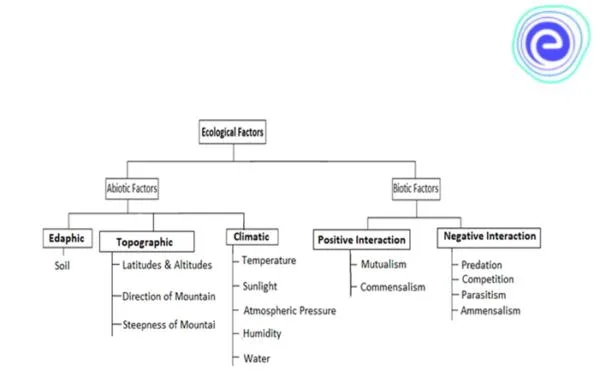
7. 2. Topographic Factor: These factors are concerned with the surface features of the Earth.
Topographic factors affect the climate of different regions. These factors include latitude,
altitude, the direction of the mountain, the steepness of the mountain etc.
8. a. Latitudes and Altitudes: Latitudes represent the distance from the equator. Altitudes
represent the height above sea level. These factors affect the temperature values, the velocity of
wind, oxygen availability, and light intensity. The temperature is maximum at the equator and
minimum at the poles.
At high altitudes, the velocity of wind increases, air pressure and temperature decrease while the
intensity of light and humidity increases. Because of these variations, vegetation at different
altitudes varies, showing distinct zonation.
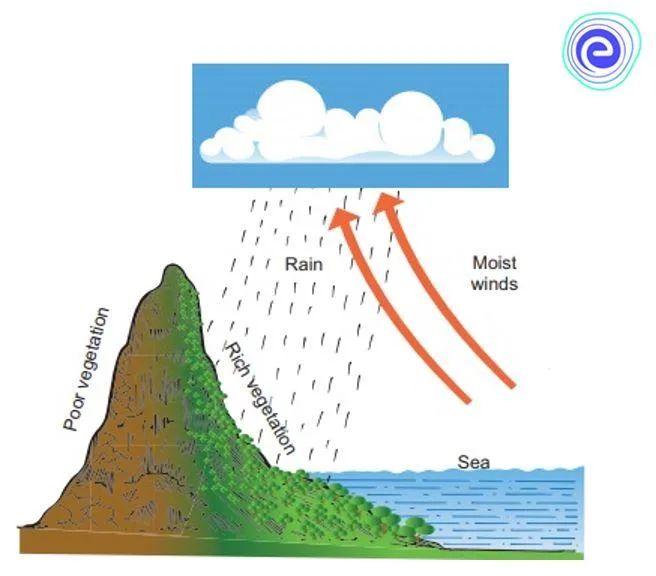
b. The Direction of Mountains: North and south faces of mountains possess different types of
flora and fauna because they differ in certain climatic factors such as humidity, rainfall, light
intensity, light duration, and temperature regions.
c. The Steepness of the Mountains: The steepness of the mountain affects the rainfall in a specific
region and allows the rainwater to run off. The loss of hilly areas causes water deficit and quick
erosion of the topsoil that results in poor vegetation. On the other hand, the plains are rich in
vegetation due to the slow drain of surface water and better retention of water in the soil.