Basic Principles of Blood Banking: Antigens and Antibodies
Basic Principles of Blood Banking focuses on the essential concepts of blood banking, including the roles of antigens and antibodies in blood transfusion. It covers the ABO and Rh blood group systems, methods for blood group determination, and the significance of naturally occurring antibodies. This resource is valuable for students and professionals in biomedical laboratory science and clinical diagnosis. It provides insights into blood typing, testing for infectious diseases, and the importance of compatibility in transfusions. The document serves as a comprehensive guide for understanding blood banking principles and practices.
Key Points
Explains the ABO and Rh blood group systems and their significance in transfusions.
Covers methods of blood group determination including forward and reverse grouping.
Discusses the role of antigens and antibodies in the immune response.
Details the importance of naturally occurring antibodies in blood typing.
This link leads to an external site. We do not know or endorse its content, and are not responsible for its safety. Click the link to proceed only if you trust this site.
History of Ethiopia and the Horn – Lecture Notes Chapters 1 and 2Presentation
PDFPresentation
Infrared Spectroscopy (IR) – Unit 5Presentation
PDFPresentation
Universal Gravitation – Physics Concepts and ApplicationsPresentation
PDFPresentation
Business Proposal Presentation: Blue Modern DesignPresentation
PDFPresentation
Blue Modern Business Proposal Presentation 20260104 211018Presentation
PDFPresentation
Clinical Toxicology of Alcohol Abuse and Addiction 2025Presentation
FAQs
What is blood banking and its main components?
Blood banking is the process of collecting, storing, and preparing blood and blood products for transfusion. It ensures safety and compatibility for patients through blood typing, testing for infectious diseases, and separating blood into its components. This specialized field of laboratory medicine is crucial for providing safe blood products for medical treatments, surgeries, or emergencies.
What are antigens and their role in the immune response?
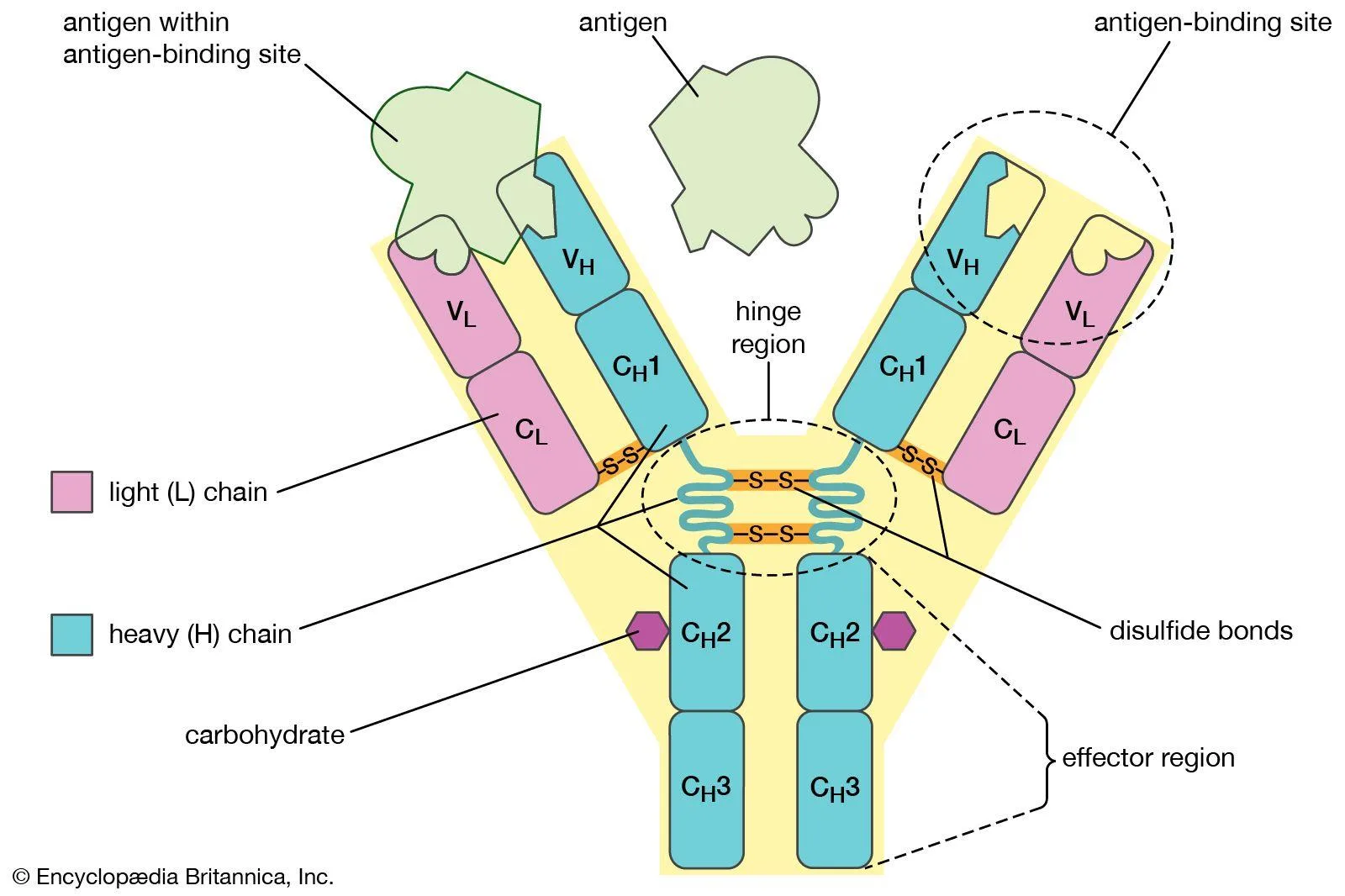
An antigen is a molecule that initiates the production of an antibody and triggers an immune response. Antigens are typically large protein molecules found on the surface of pathogens, such as bacteria and viruses. When these harmful agents enter the body, they induce an immune response, prompting the production of antibodies to combat the invaders.
What are the types of antigens categorized in the document?
The document categorizes antigens into several types: exogenous antigens, which come from external sources like viruses and bacteria; endogenous antigens, which exist on cells inside the body; autoantigens, which are normal proteins mistakenly targeted in autoimmune diseases; and tumor antigens, which are markers found on the surface of tumors. Each type plays a distinct role in how the immune system recognizes and responds to threats.
How is the ABO blood group system defined?
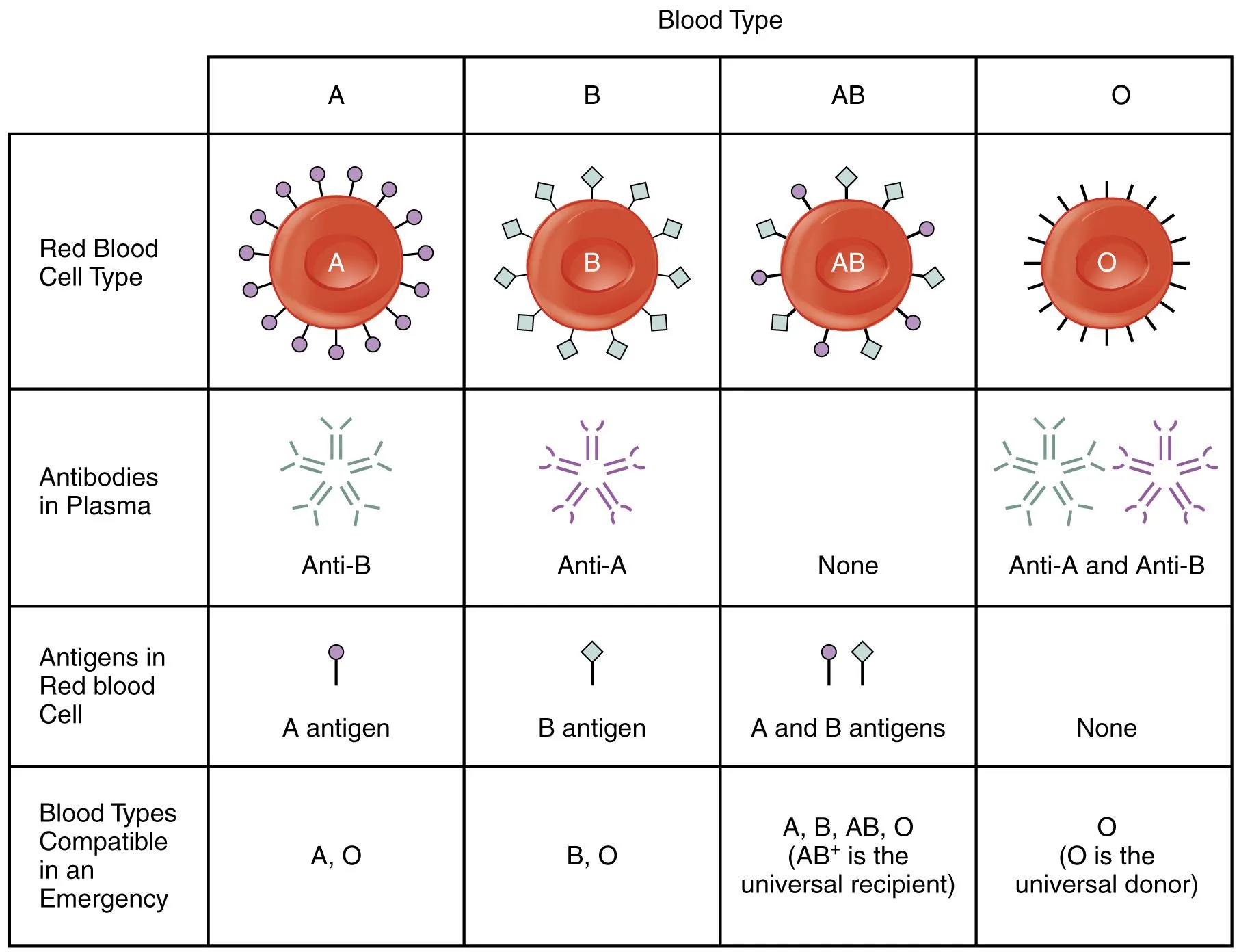
The ABO blood group system is defined by the presence or absence of antigens A and B on the surface of red blood cells. There are four main blood types: A, B, AB, and O. Blood group A has A antigens with anti-B antibodies, group B has B antigens with anti-A antibodies, group O has no antigens but both anti-A and anti-B antibodies, and group AB has both A and B antigens with no antibodies.
What is the difference between forward and reverse blood grouping?
Forward grouping, or antigen typing, identifies the antigens present on a patient's red blood cells by mixing them with known antibodies. In contrast, reverse grouping, or antibody typing, identifies the antibodies present in the patient's plasma by mixing it with known red blood cells. Both methods are essential for accurately determining a person's blood type.
What are naturally occurring antibodies (NAbs)?
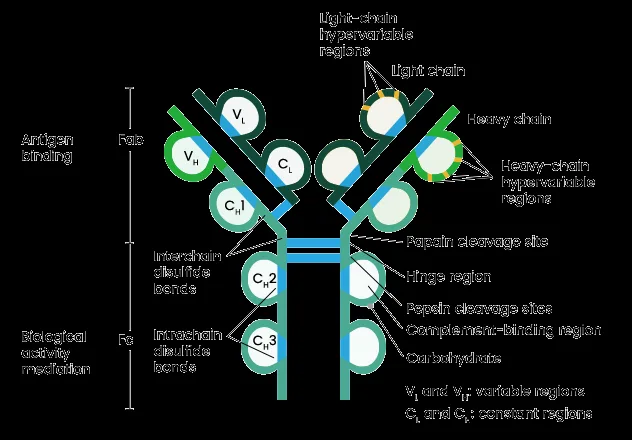
Naturally occurring antibodies, or NAbs, are antibodies found in healthy individuals without prior exposure to specific antigens. Examples include anti-A and anti-B antibodies, which are part of the innate immune system. These antibodies play a role in recognizing and neutralizing pathogens and are often IgM antibodies, although IgGs and IgAs can also be classified as NAbs.
What methods are used for blood group determination?
Blood group determination is essential in transfusion medicine and includes several methods: Slide Agglutination Method, Tube Method (the gold standard), Microplate Method, Gel Card Method, Solid-Phase Red Cell Adherence Assay, and Molecular (DNA-Based) Typing. Each method has its own procedures and applications for identifying blood types accurately.