Blood Components and Their Preparation, HDN, Stem Cell Banking
Blood components and their preparation are crucial for effective transfusion practices. This document explores various blood components, including packed red blood cells, plasma, and platelets, detailing their preparation, storage, and transportation. It also covers hemolytic disease of the newborn (HDN) and the significance of stem cell banking in modern medicine. Intended for healthcare professionals and students in biomedical fields, this resource provides essential insights into blood transfusion protocols and stem cell applications. The document serves as a comprehensive guide for understanding blood component management and its clinical implications.
Key Points
Explains the preparation and storage of blood components like packed red blood cells and plasma.
Covers hemolytic disease of the newborn (HDN) and its causes.
Details the importance of stem cell banking for future medical use.
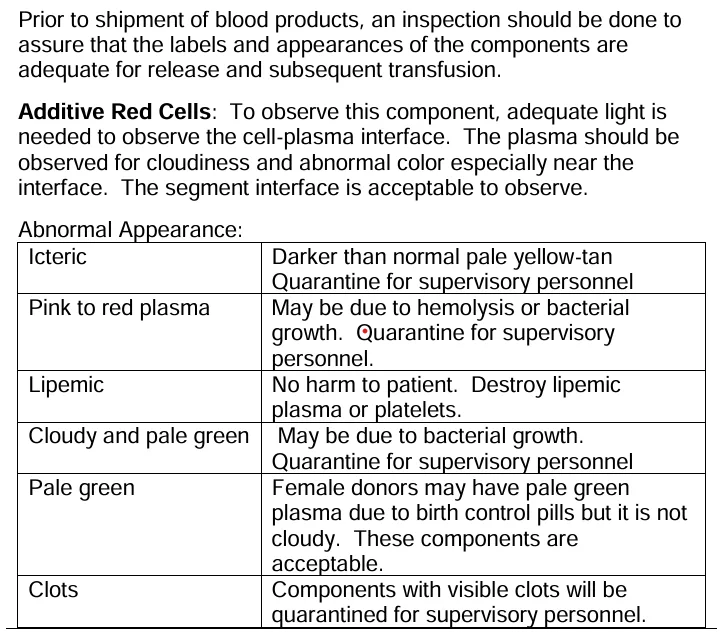
Discusses the transportation guidelines for blood products to ensure safety.
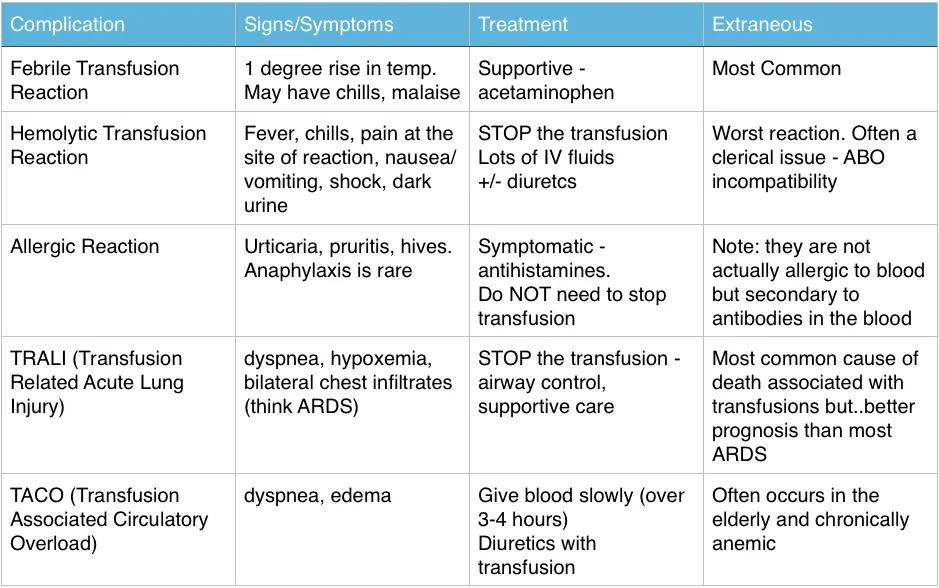
Includes information on blood transfusion reactions and their management.
This link leads to an external site. We do not know or endorse its content, and are not responsible for its safety. Click the link to proceed only if you trust this site.
History of Ethiopia and the Horn – Lecture Notes Chapters 1 and 2Presentation
PDFPresentation
Infrared Spectroscopy (IR) – Unit 5Presentation
PDFPresentation
Universal Gravitation – Physics Concepts and ApplicationsPresentation
PDFPresentation
Business Proposal Presentation: Blue Modern DesignPresentation
PDFPresentation
Blue Modern Business Proposal Presentation 20260104 211018Presentation
FAQs
What are the main components of whole blood prepared for transfusion?
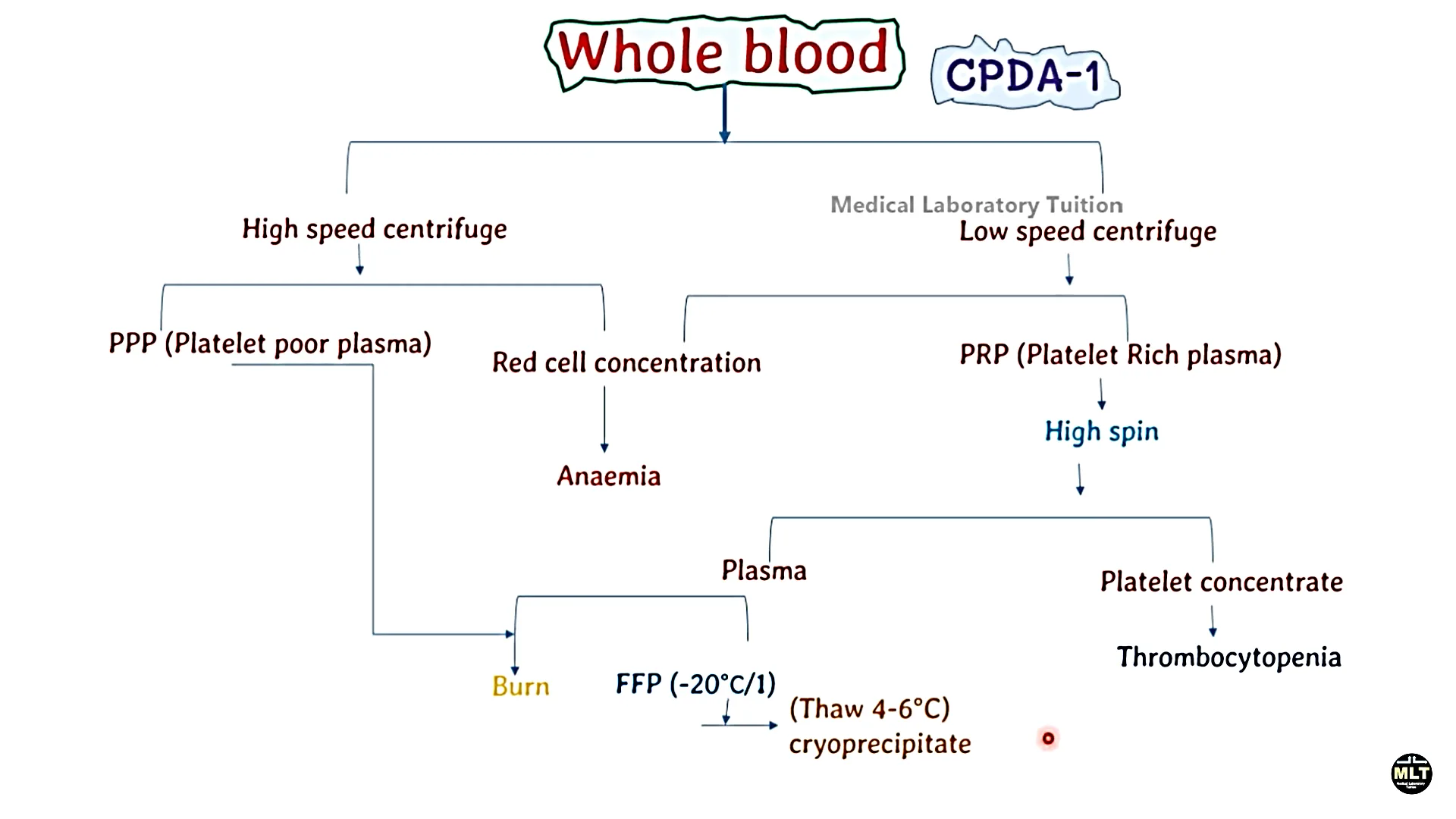
The main components of whole blood prepared for transfusion include Packed Red Blood Cells, Platelet Rich Plasma, Platelet Concentration, Fresh Frozen Plasma, and Cryoprecipitate. Additionally, specialized components such as Granulocyte Concentration, Leukocyte Depleted RBC, Frozen RBC, and Albumin are also prepared. Each component serves specific medical needs, such as treating anemia or providing clotting factors.
How is Packed Red Blood Cell (PRBC) prepared and stored?
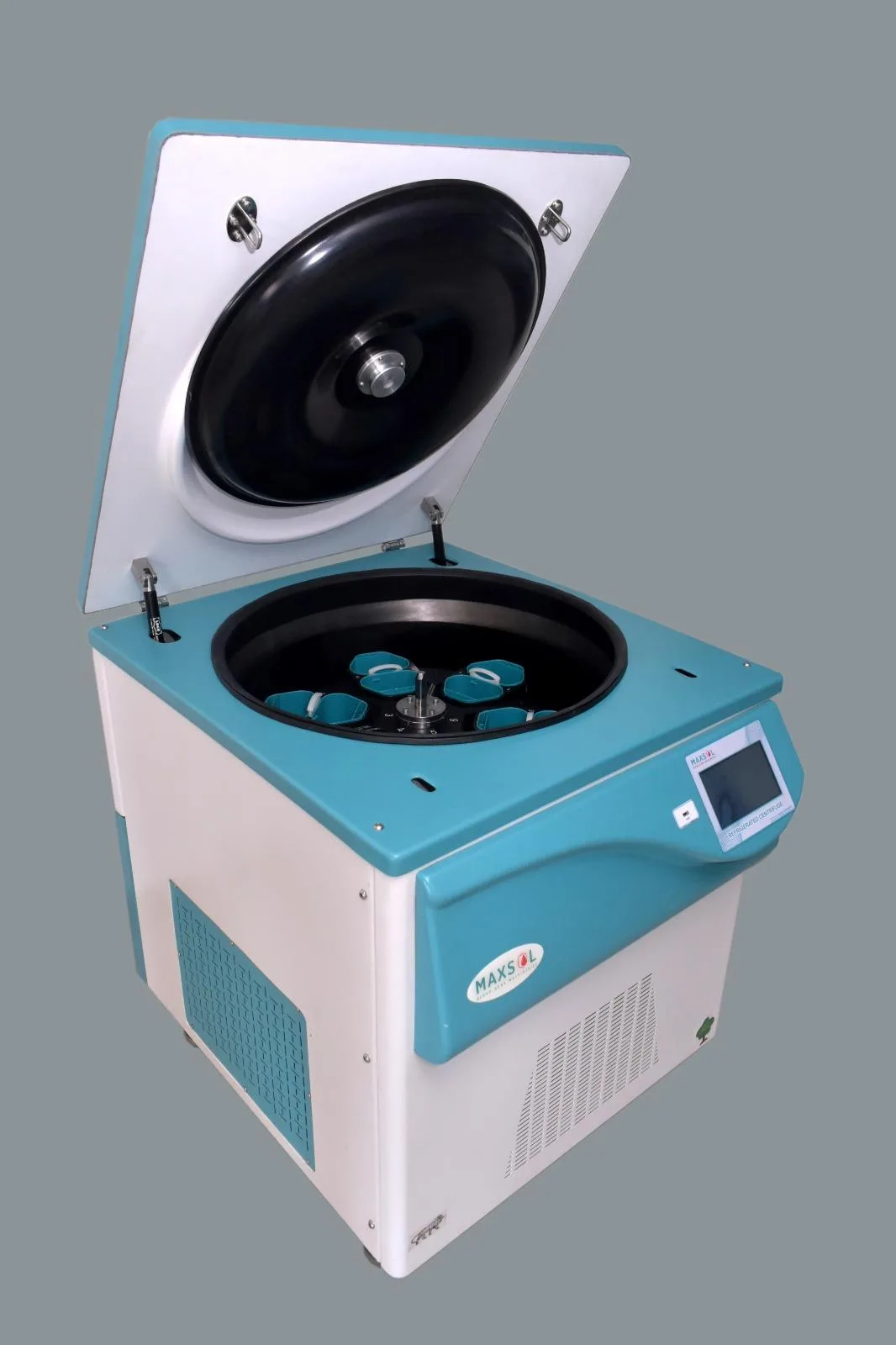
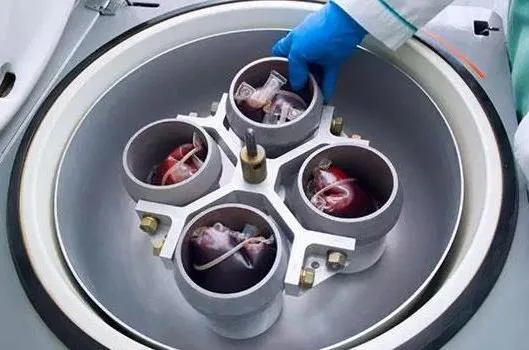
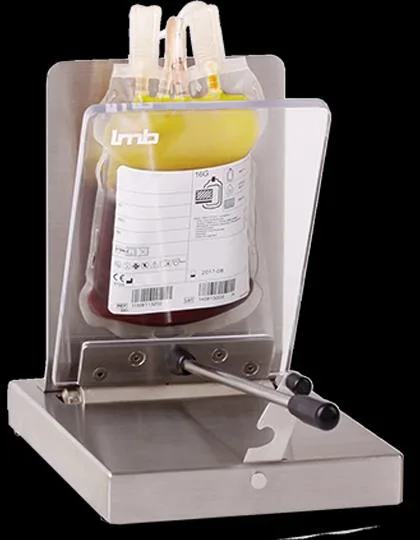
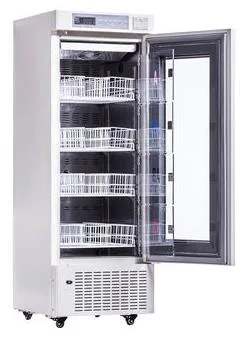
Packed Red Blood Cells are prepared by removing the supernatant plasma from centrifuged whole blood. The procedure must be completed within 8 hours of collection, and the PRBCs are stored at 4 degrees Celsius for up to 35 days using CPDA-1 anticoagulant. The centrifugation process typically runs at 3800-4000 RPM for 5-7 minutes, ensuring that the RBCs are adequately separated from the plasma.
What causes Hemolytic Disease of the Newborn (HDN)?
Hemolytic Disease of the Newborn occurs when a Rh negative mother has a baby with a Rh positive father. If the baby's Rh positive red blood cells cross into the mother's bloodstream, her immune system may recognize them as foreign and produce antibodies against them. This sensitization usually does not pose a problem in the first pregnancy but can lead to complications in subsequent pregnancies, resulting in conditions like erythroblastosis fetalis.
What is the process of stem cell banking?
Stem cell banking involves collecting, processing, and storing stem cells for future medical use. The most commonly stored cells are hematopoietic stem cells, typically collected from umbilical cord blood at birth. These cells can treat various diseases, including leukemia and certain genetic disorders. There are public banks for donations and private banks for personal use, reflecting the growing importance of stem cell banking in regenerative medicine.
What are the symptoms of HDN in a newborn?
Symptoms of Hemolytic Disease of the Newborn can manifest after birth and may include pale-looking skin due to anemia, jaundice characterized by yellow coloring of the skin and eyes, and an enlarged liver or spleen. In severe cases, hydrops fetalis may occur, leading to significant swelling of the body. These symptoms can vary, but they typically arise within the first 24 to 36 hours after birth.
What is the storage requirement for Fresh Frozen Plasma (FFP)?
Fresh Frozen Plasma must be prepared within 6 to 8 hours of collection and stored at -20 degrees Celsius for up to 1 year, or at -70 degrees Celsius for 5 years. When thawed, it can be kept at 4 degrees Celsius for 24 hours before use. Proper handling is crucial, as thawing should occur at 37 degrees Celsius in a water bath, and FFP should be used immediately after thawing to maintain its efficacy.
How does a bone marrow transplant (BMT) work?
A bone marrow transplant involves taking stem cells from the bone marrow, filtering them, and then transfusing them back to the donor or to another recipient. This procedure aims to replace unhealthy bone marrow with healthy cells, often after high doses of chemotherapy or radiation have been administered. BMT is effective in treating various conditions, including leukemias and immune deficiency disorders.