Module 3 focuses on essential hematological tests including Hemoglobin (Hb) estimation, Packed Cell Volume (PCV), and various coagulation studies. It details the principles, procedures, and normal values for tests such as Erythrocyte Sedimentation Rate (ESR), Prothrombin Time, and Activated Partial Thromboplastin Time (aPTT). This module is designed for students and professionals in biomedical laboratory science, providing critical insights into blood analysis techniques. The content is authored by Sujoy Tontubay, an expert in Biomedical Laboratory Science and Clinical Diagnosis, making it a valuable resource for those in the field.
Key Points
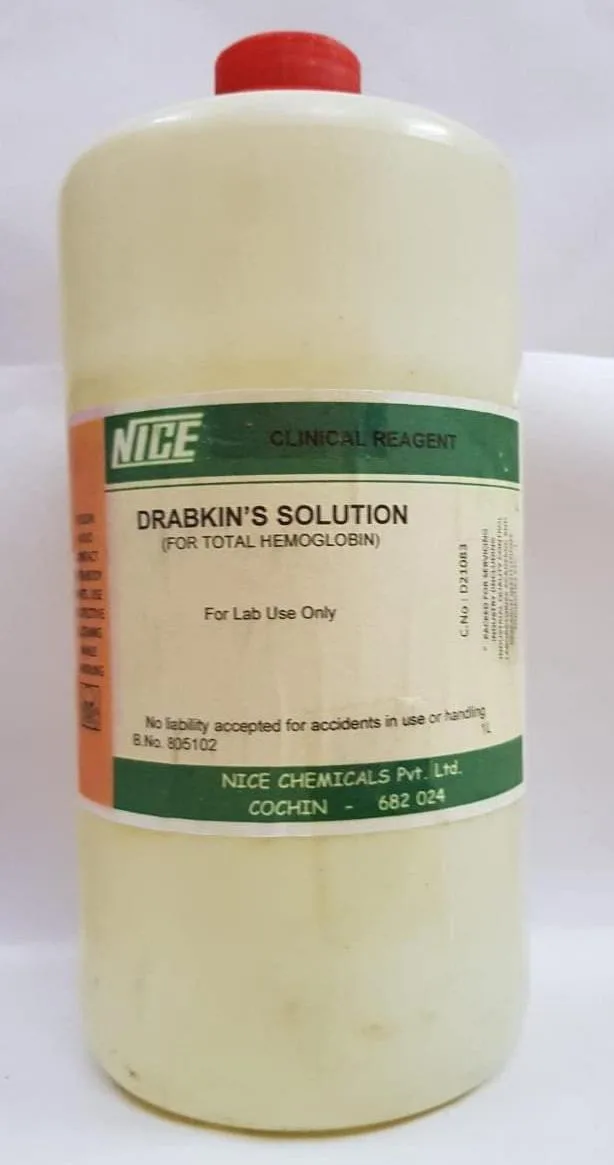
Explains the principle and procedure for Hemoglobin estimation and its normal values.
Details the methods for determining Packed Cell Volume (PCV) and Erythrocyte Sedimentation Rate (ESR).
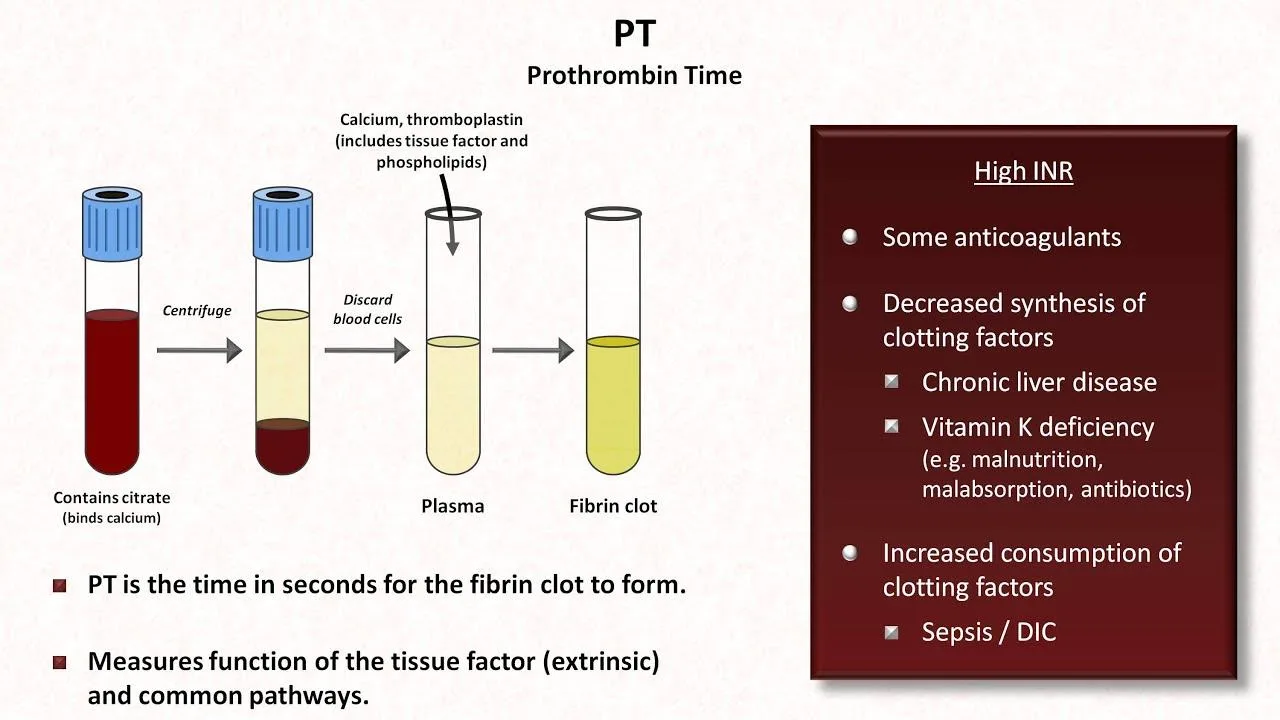
Covers coagulation studies including Prothrombin Time and Activated Partial Thromboplastin Time (aPTT) with normal ranges.
Discusses the significance of ESR in diagnosing chronic inflammatory disorders.
This link leads to an external site. We do not know or endorse its content, and are not responsible for its safety. Click the link to proceed only if you trust this site.
Soft Skills Notes Module I – Applied Grammar and UsageLecture Notes
PDFPresentation
Basic Principles of Blood Banking: Antigens and AntibodiesPresentation
PDFPresentation
Blood Components and Their Preparation, HDN, Stem Cell BankingPresentation
PDFLecture Notes
Aldehyde and Ketone: Properties, Preparation, and ReactionsLecture Notes
PDFLecture Notes
Sensation and Perception – Chapter 2Lecture Notes
PDFLecture Notes
Essence of Psychology – Chapter 1 OverviewLecture Notes
PDFLecture Notes
Filtering Techniques in Engineering MeasurementsLecture Notes
PDFLecture Notes
BIO 001 Notes on Systematics and EcologyLecture Notes
PDFLecture Notes
Geodinâmica Externa – Formação de Glaciares e HidrogeologiaLecture Notes
PDFLecture Notes
Digital Electronics: Complements and Binary ArithmeticLecture Notes
FAQs
What are the different methods for estimating hemoglobin?
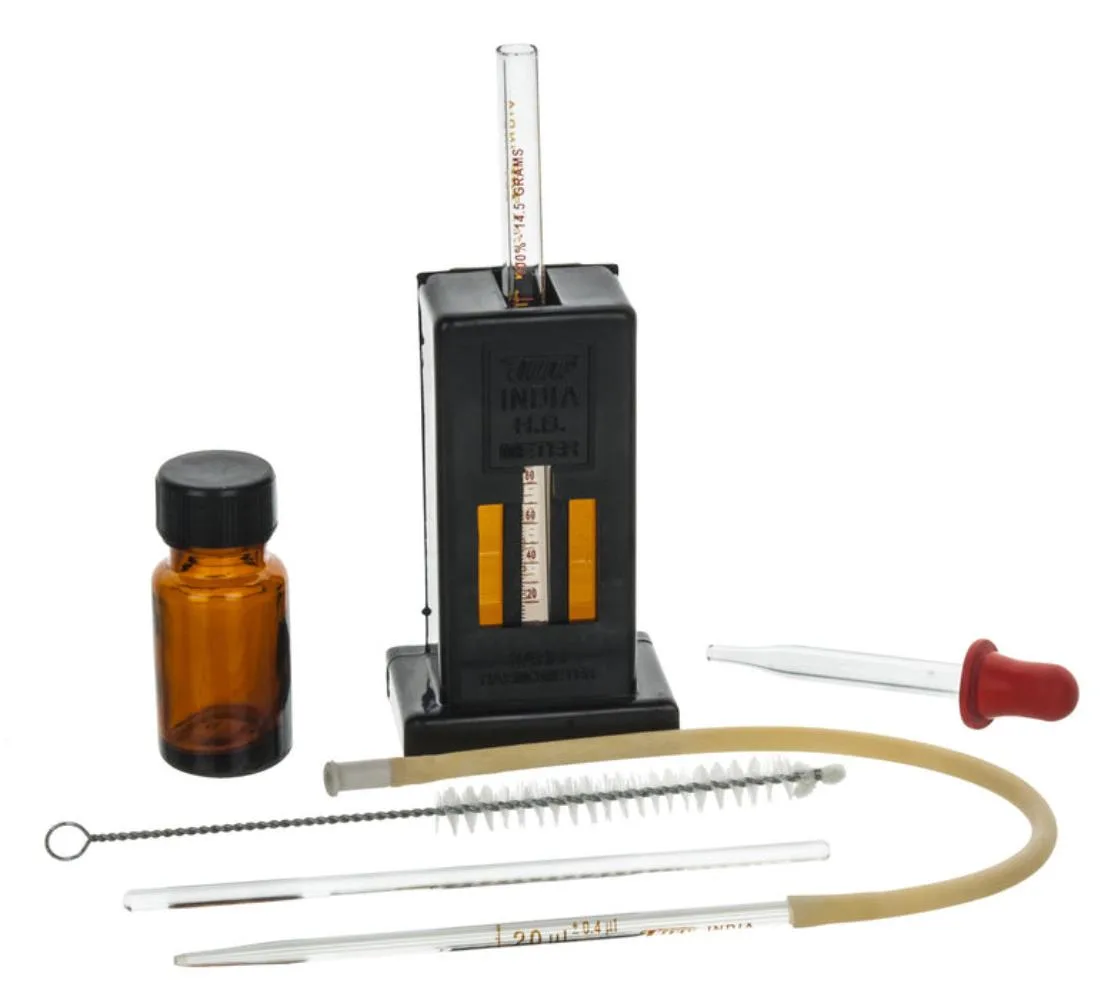
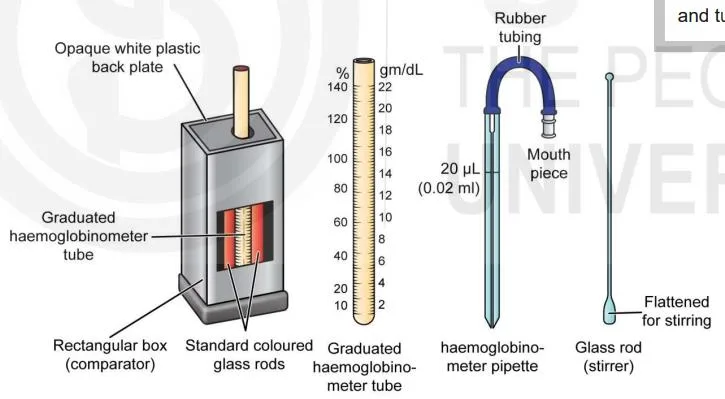
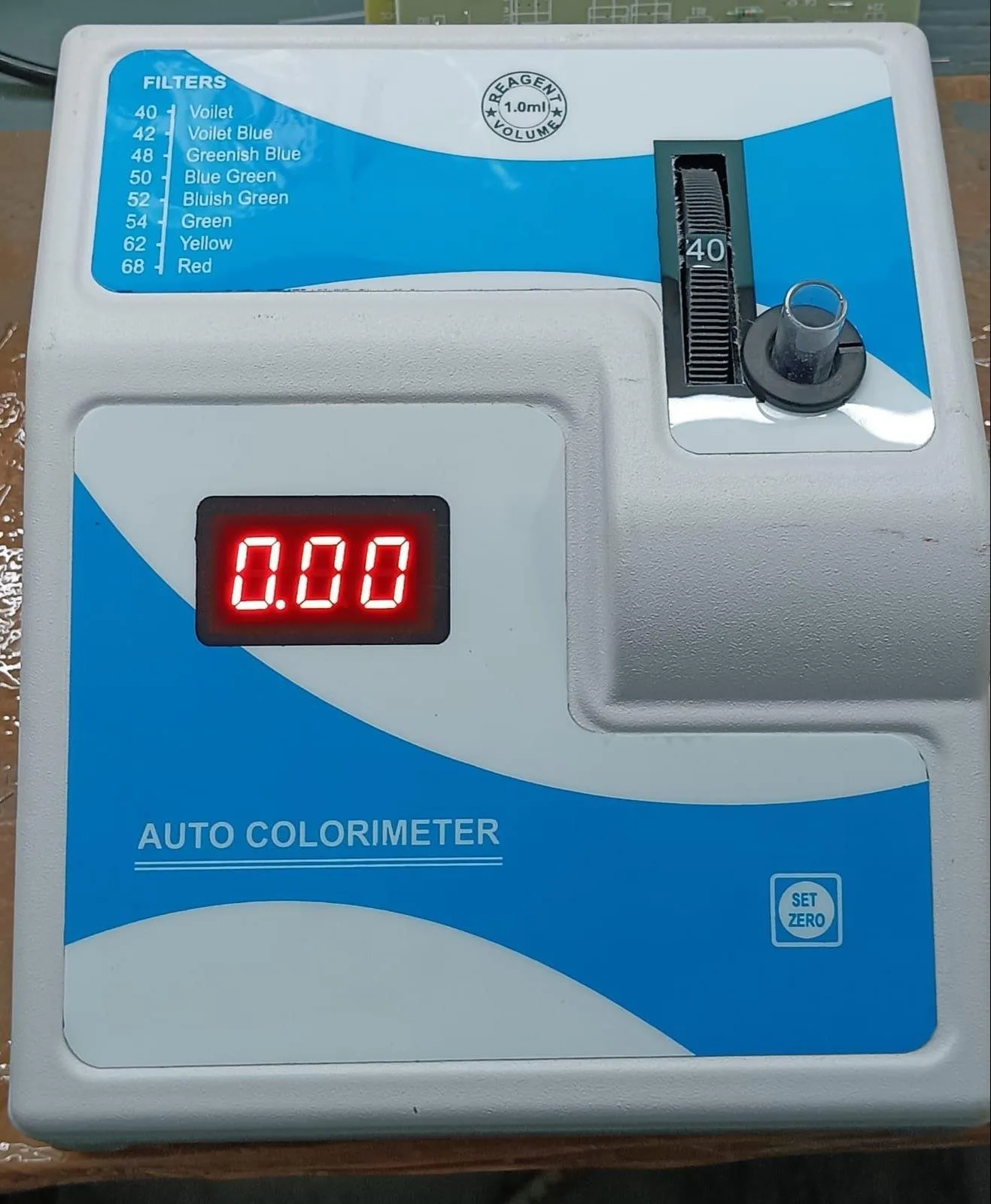
The document outlines various methods for estimating hemoglobin, categorized into visual methods, spectrophotometric methods, and other methods. Visual methods include Sahli’s method, Dare method, Haden method, Wintrobe method, and Tallqvist method. Spectrophotometric methods consist of the Oxyhemoglobin method, Cyanmethemoglobin method, Gasometric method, and Automated hemoglobinometry. Additionally, other methods mentioned are the Alkaline-hematin method, Specific gravity method, and Lovibond Comparator method.
What is the principle behind Sahli’s method for hemoglobin estimation?
Sahli’s method, also known as the acid hematin method, is based on the conversion of hemoglobin in red blood cells to brown-colored acid hematin when blood is mixed with dilute hydrochloric acid (HCl). The resulting acid hematin solution is diluted until its color matches a standard brown glass for visual comparison. Although easy to perform, this method is not recommended today due to its imprecision compared to spectrophotometric methods.
How is the Packed Cell Volume (PCV) determined?
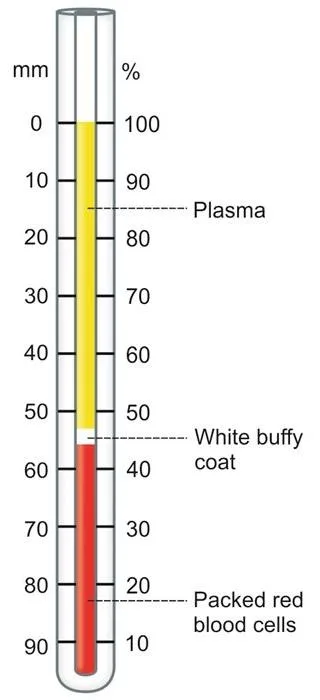
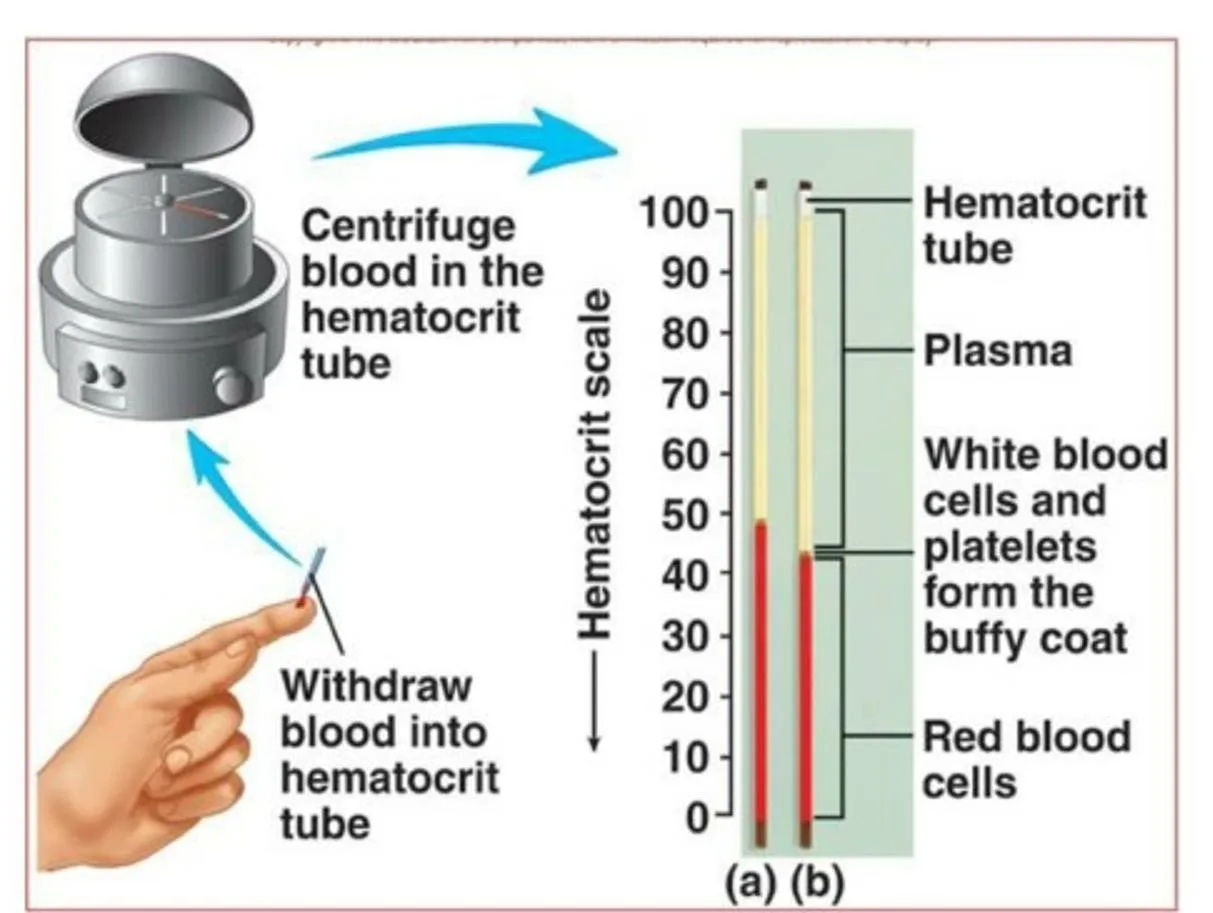
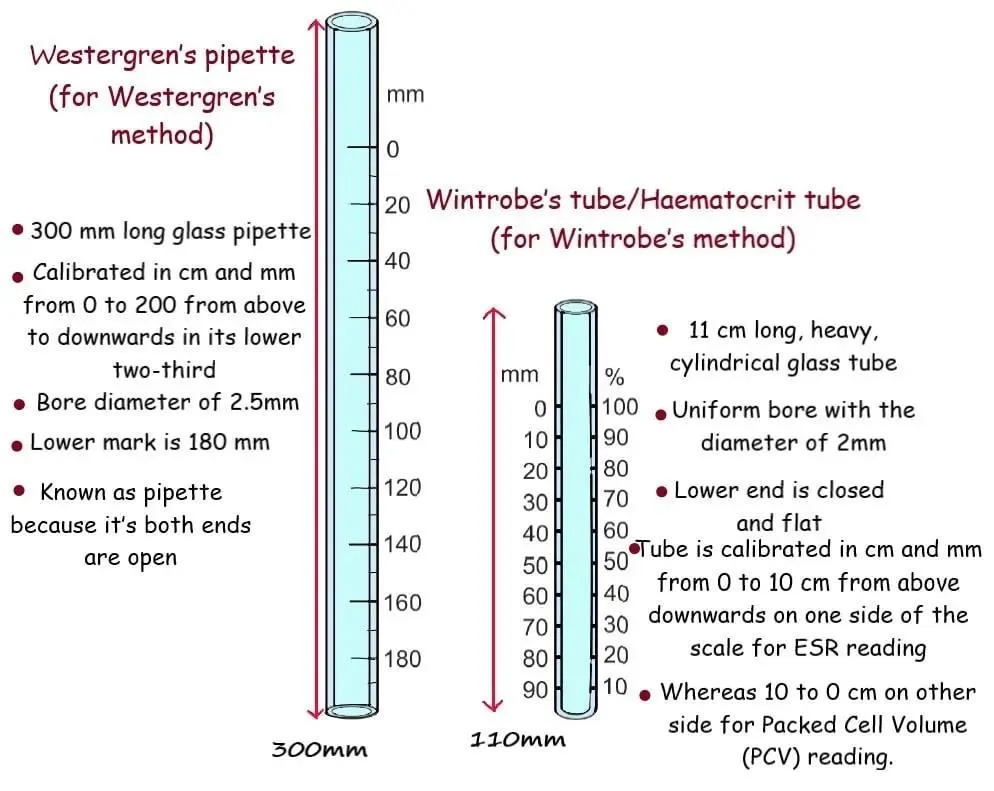
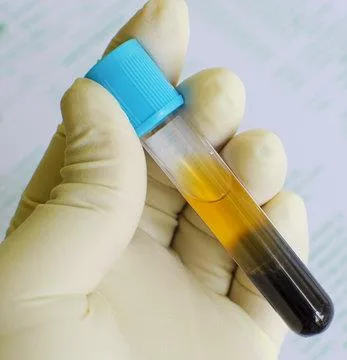
Packed Cell Volume (PCV) is determined by mixing blood with an anticoagulant, such as ethylenediamine (EDTA) or heparin, and filling it into a hematocrit or Wintrobe tube. The tube is then centrifuged at a speed of 3000 to 4000 revolutions per minute for 10 to 20 minutes. After centrifugation, the volume of red blood cells packed at the bottom is measured, with normal PCV values being 40% to 45% in males and 38% to 42% in females.
What is the significance of Erythrocyte Sedimentation Rate (ESR)?
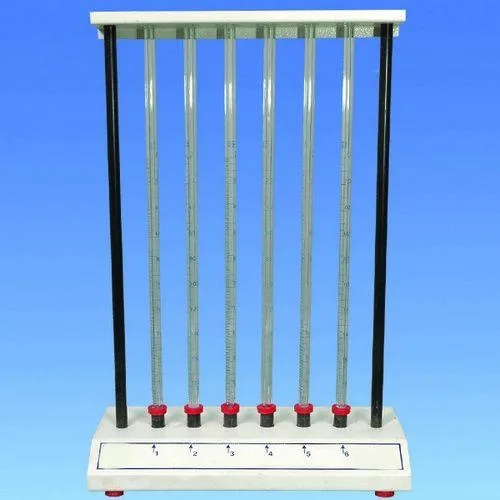
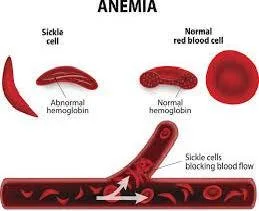
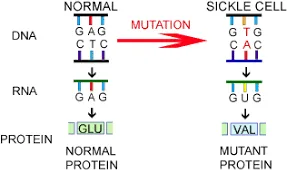
Erythrocyte Sedimentation Rate (ESR) is a non-specific test used to help diagnose and monitor inflammatory conditions. It measures the rate at which red blood cells settle in a vertical tube over a specific period. Normal ESR values vary by age and sex, with men under 50 having less than 15 mm/hr and women under 50 less than 20 mm/hr. Elevated ESR can indicate conditions like tuberculosis, anemia, and rheumatoid arthritis, while decreased ESR may occur in conditions like polycythemia and sickle cell anemia.
What is the purpose of the Prothrombin Test?
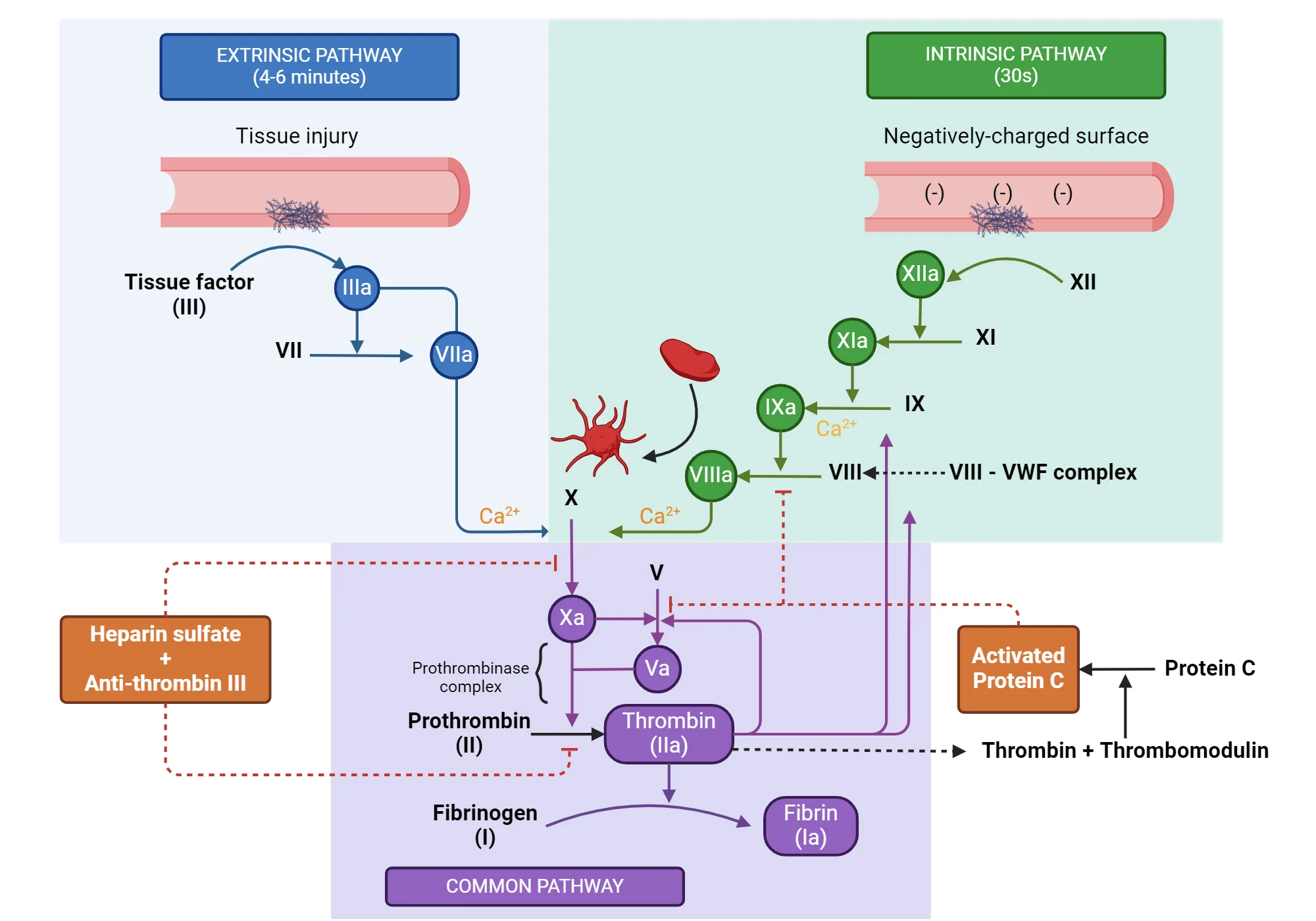
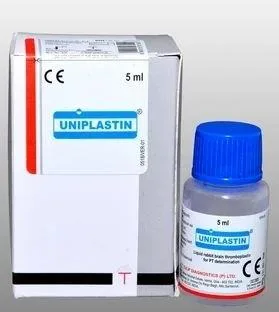
The Prothrombin Test measures the function of the extrinsic and common pathways of blood coagulation. It is used to assess how well anticoagulants like warfarin are working, check clotting functions before surgery, and evaluate liver function. Normal prothrombin time ranges from 11 to 16 seconds, and prolonged prothrombin time indicates defects in the extrinsic pathway, which may be due to liver disease or vitamin K deficiency.
What factors can prolong the clotting time?
Clotting time can be prolonged due to several conditions, including Hemophilia, Christmas disease, afibrinogenemia, vitamin K deficiency, liver disease, anticoagulant therapy, and in newborns. These conditions affect the intrinsic and common pathways of coagulation, leading to delayed fibrin thread formation.
What are the stages of Primary Hemostasis?
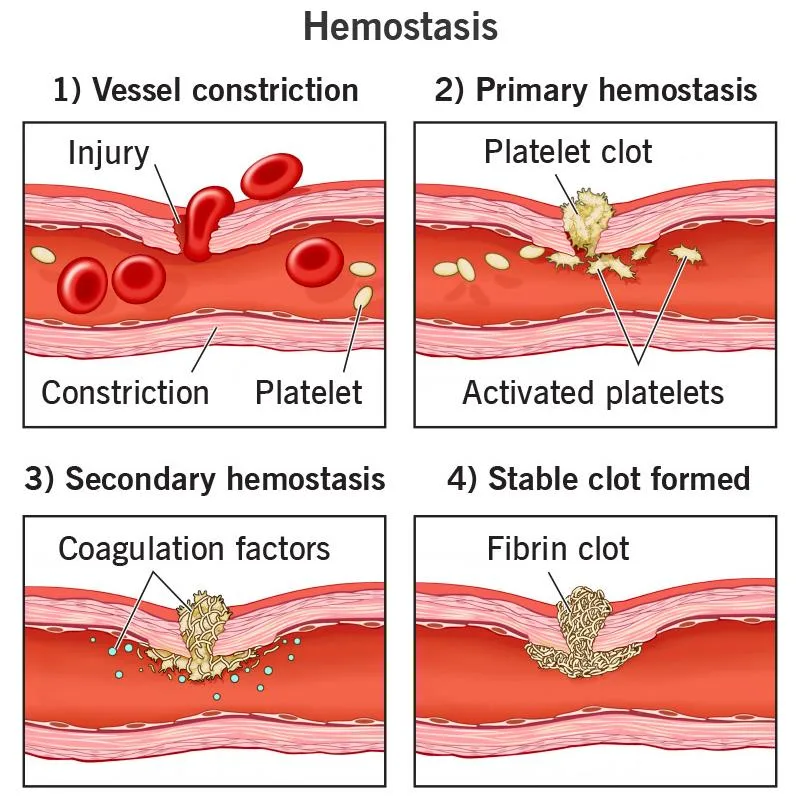
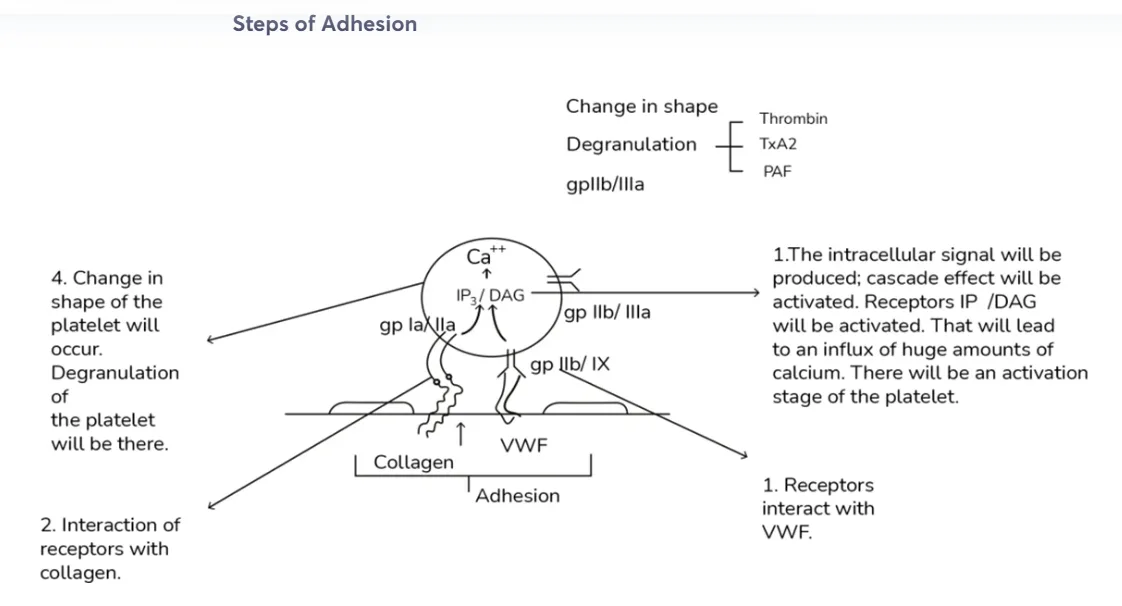
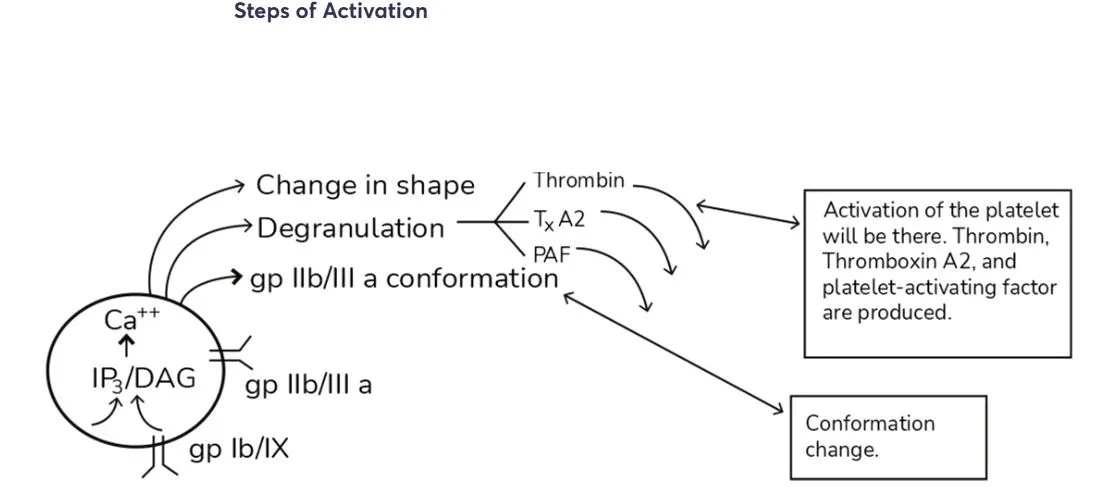
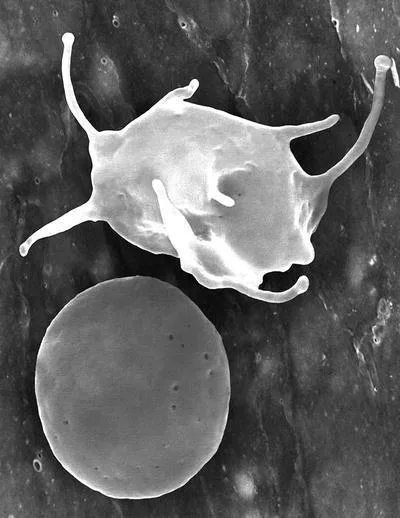
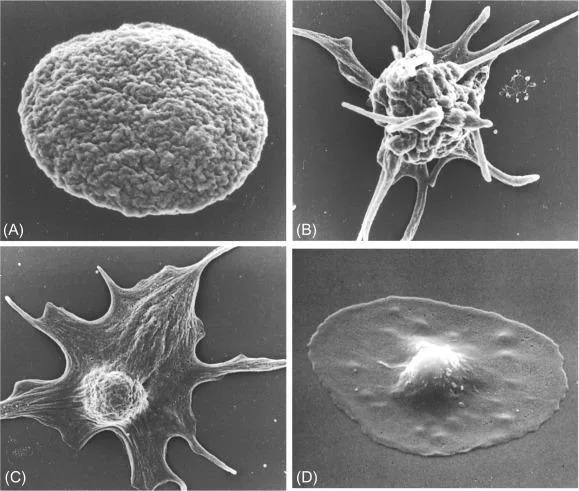
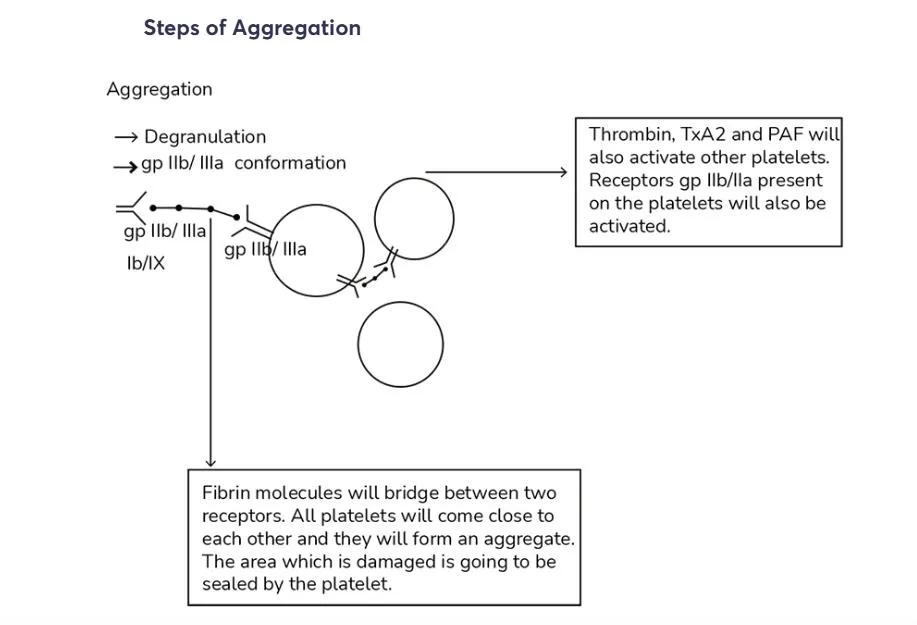
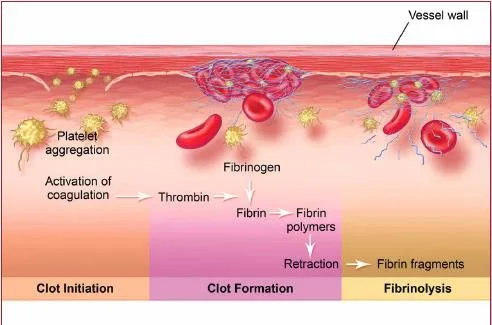
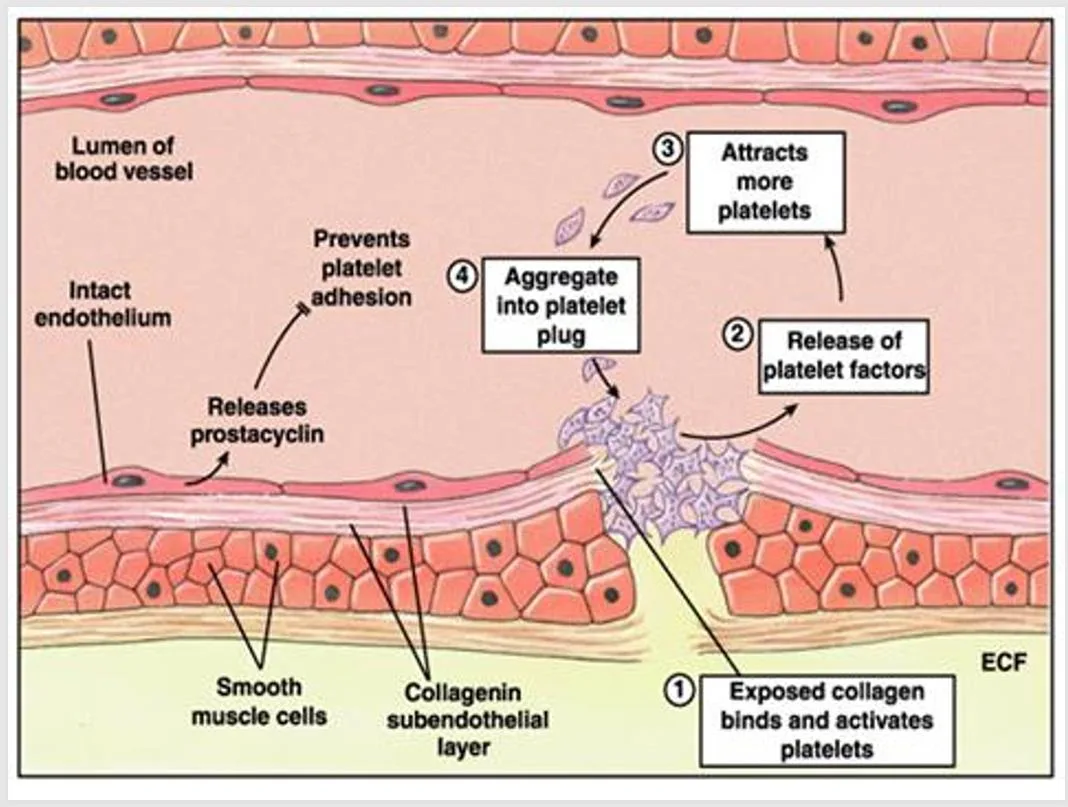
Primary Hemostasis involves three stages: Adhesion, Activation, and Aggregation. During adhesion, platelets bind to exposed collagen via von Willebrand factor (VWF). Activation follows, where platelets release ADP and other factors, leading to a change in shape and further platelet activation. Finally, in the aggregation stage, platelets bind to each other using GPIIb/IIIa receptors, forming a platelet plug at the injury site.