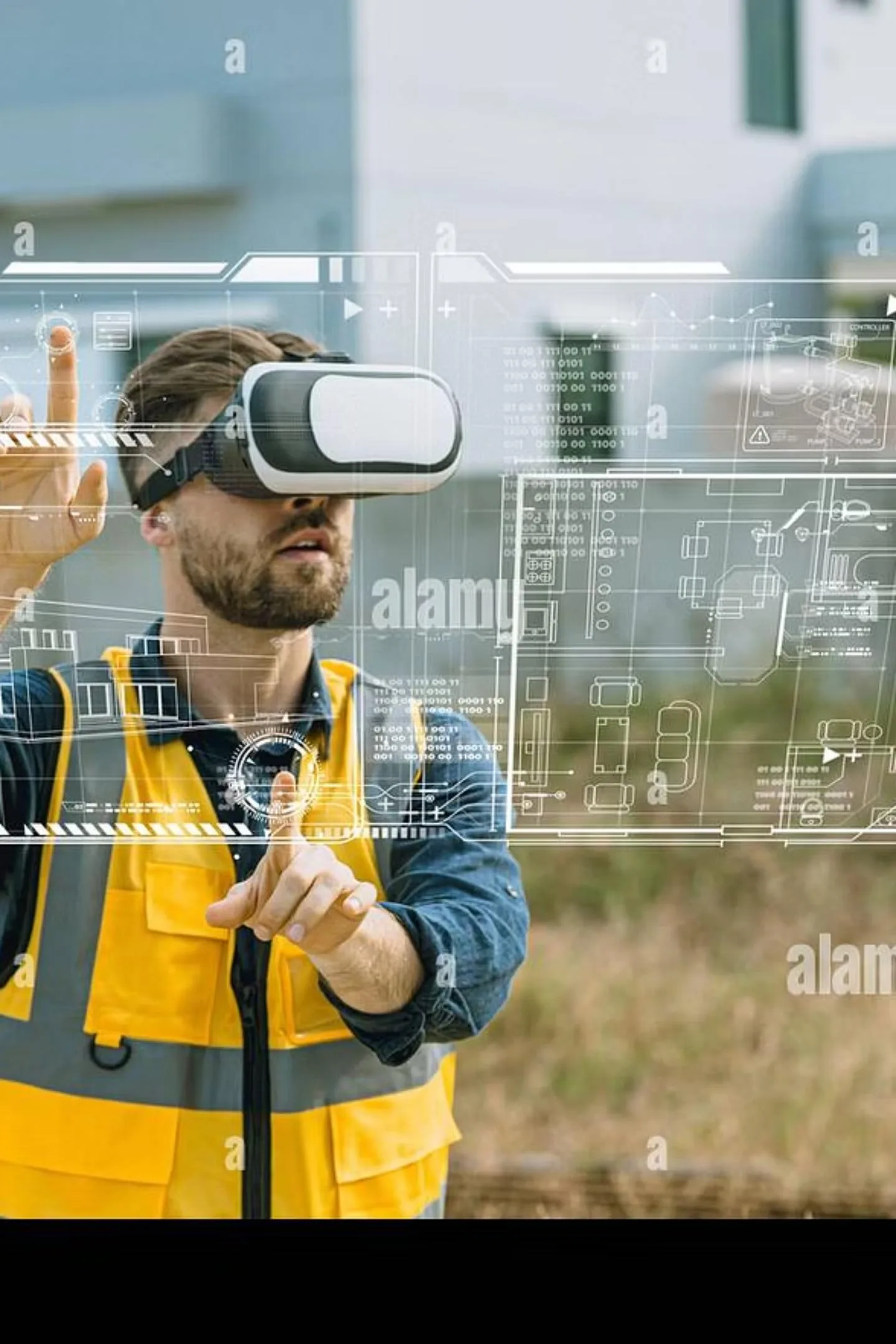
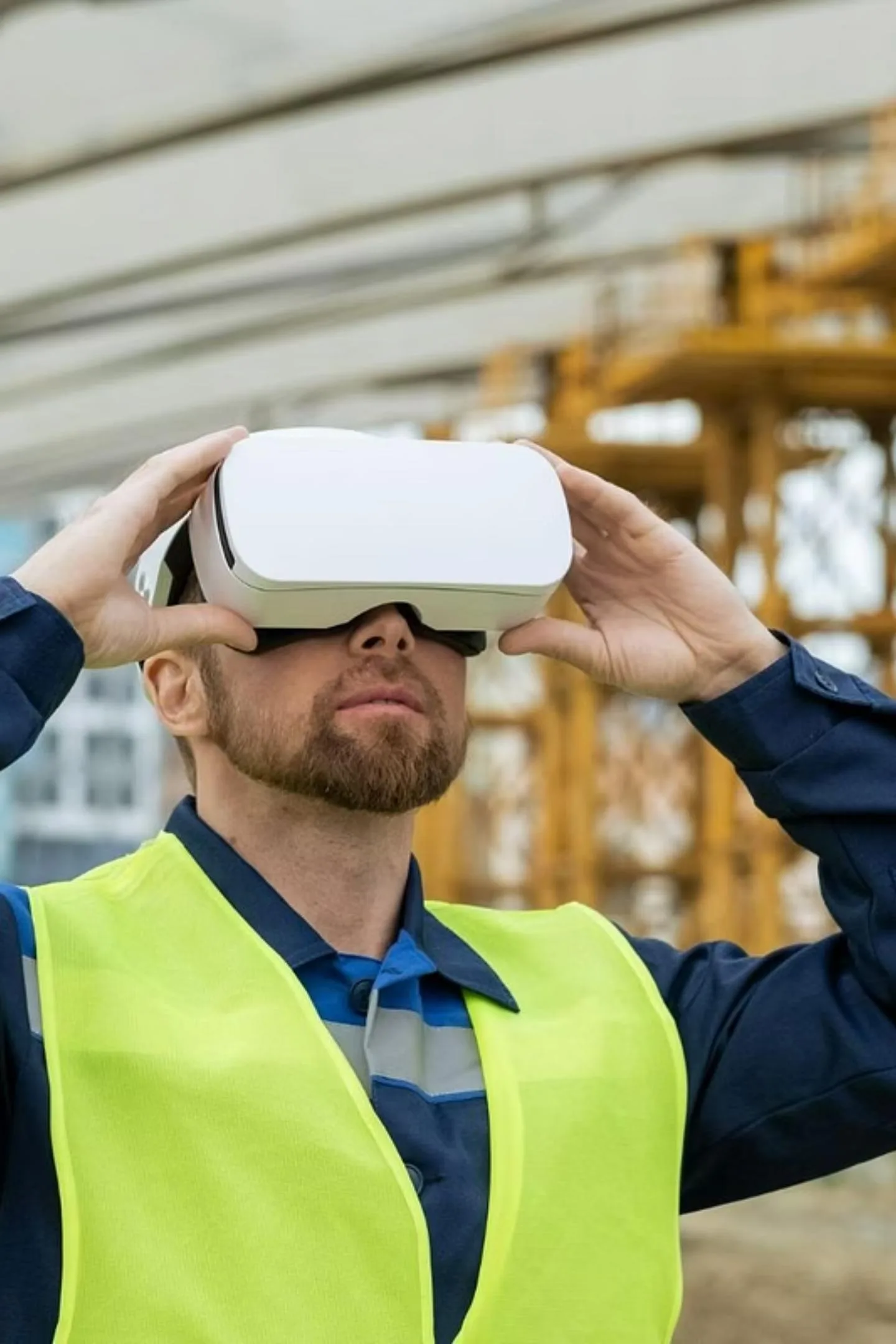
Explore how augmented reality (AR) and virtual reality (VR) are revolutionizing the construction industry. This presentation covers the integration of AR and VR technologies in construction workflows, enhancing design visualization, safety training, and on-site assistance. Key applications include immersive design reviews, real-time guidance for field teams, and effective clash detection using Building Information Modeling (BIM). Ideal for construction professionals and students interested in advanced construction technologies, this resource highlights the benefits, limitations, and future scope of AR and VR in construction.
Key Points
Explains the role of AR and VR in enhancing construction workflows.
Covers applications like immersive design reviews and safety training simulations.
Discusses the integration of BIM with AR for real-time guidance.
Highlights advantages such as error reduction and improved safety.
This link leads to an external site. We do not know or endorse its content, and are not responsible for its safety. Click the link to proceed only if you trust this site.
Structural Systems Composite Construction for Gravity and Lateral LoadingPresentation
PDFPresentation
Présenter Un Projet De VoyagePresentation
PDFPresentation
History of Ethiopia and the Horn – Lecture Notes Chapters 1 and 2Presentation
PDFPresentation
Infrared Spectroscopy (IR) – Unit 5Presentation
PDFPresentation
Universal Gravitation – Physics Concepts and ApplicationsPresentation
PDFPresentation
Business Proposal Presentation: Blue Modern DesignPresentation
PDFPresentation
Blue Modern Business Proposal Presentation 20260104 211018Presentation
PDFPresentation
Ethical Principles and Their ApplicationsPresentation
PDFPresentation
Clinical Toxicology of Alcohol Abuse and Addiction 2025Presentation
PDFPresentation
Nutrition Disorders 2026Presentation
PDFPresentation
Pharmacotherapy of Hypertension: Current Guidelines and ManagementPresentation
PDFPresentation
Updated SERVM and RESOLVE Analysis Presentation – January 2024Presentation
FAQs
What are the main applications of AR and VR in construction?
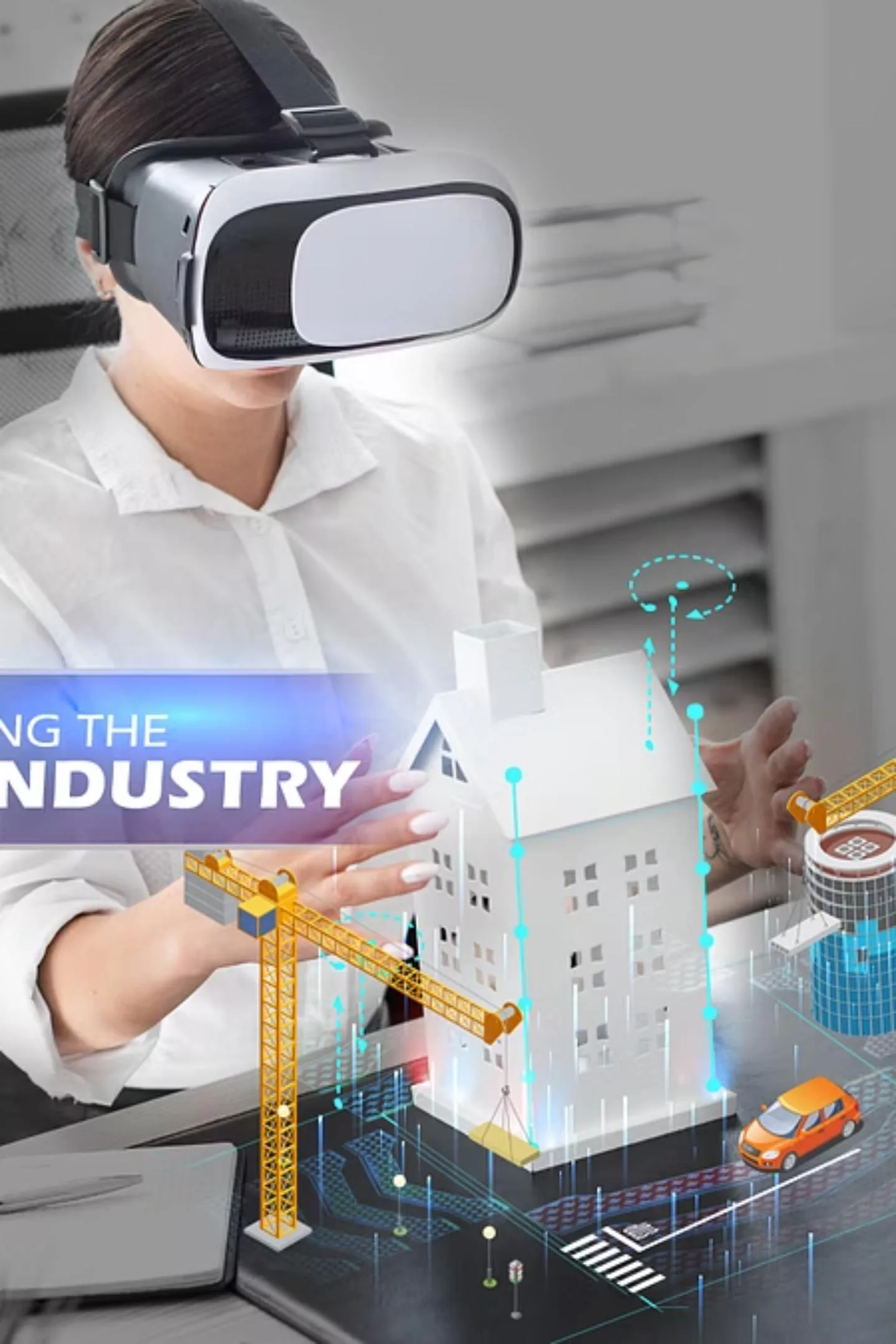
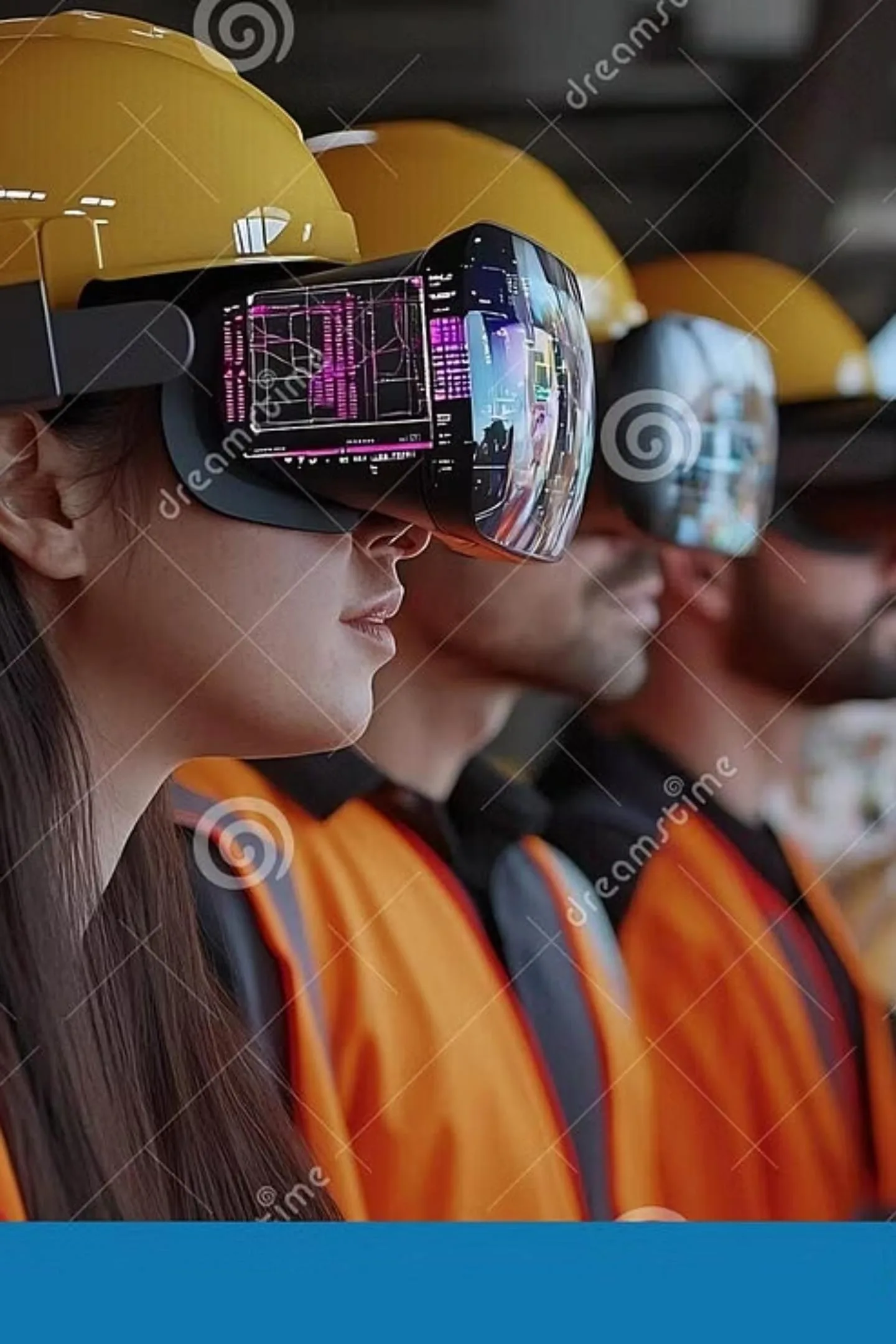
AR and VR are utilized in several key applications within construction, including immersive design reviews, client presentations, and safety training. Architects and engineers can conduct virtual walkthroughs at a 1:1 scale to identify spatial issues before construction begins. Stakeholders can experience proposed designs in VR, allowing for informed decisions based on realistic visualizations. Additionally, VR safety training simulations enable workers to practice high-risk scenarios in safe environments, enhancing overall safety on-site.
How does AR enhance on-site assistance for construction teams?
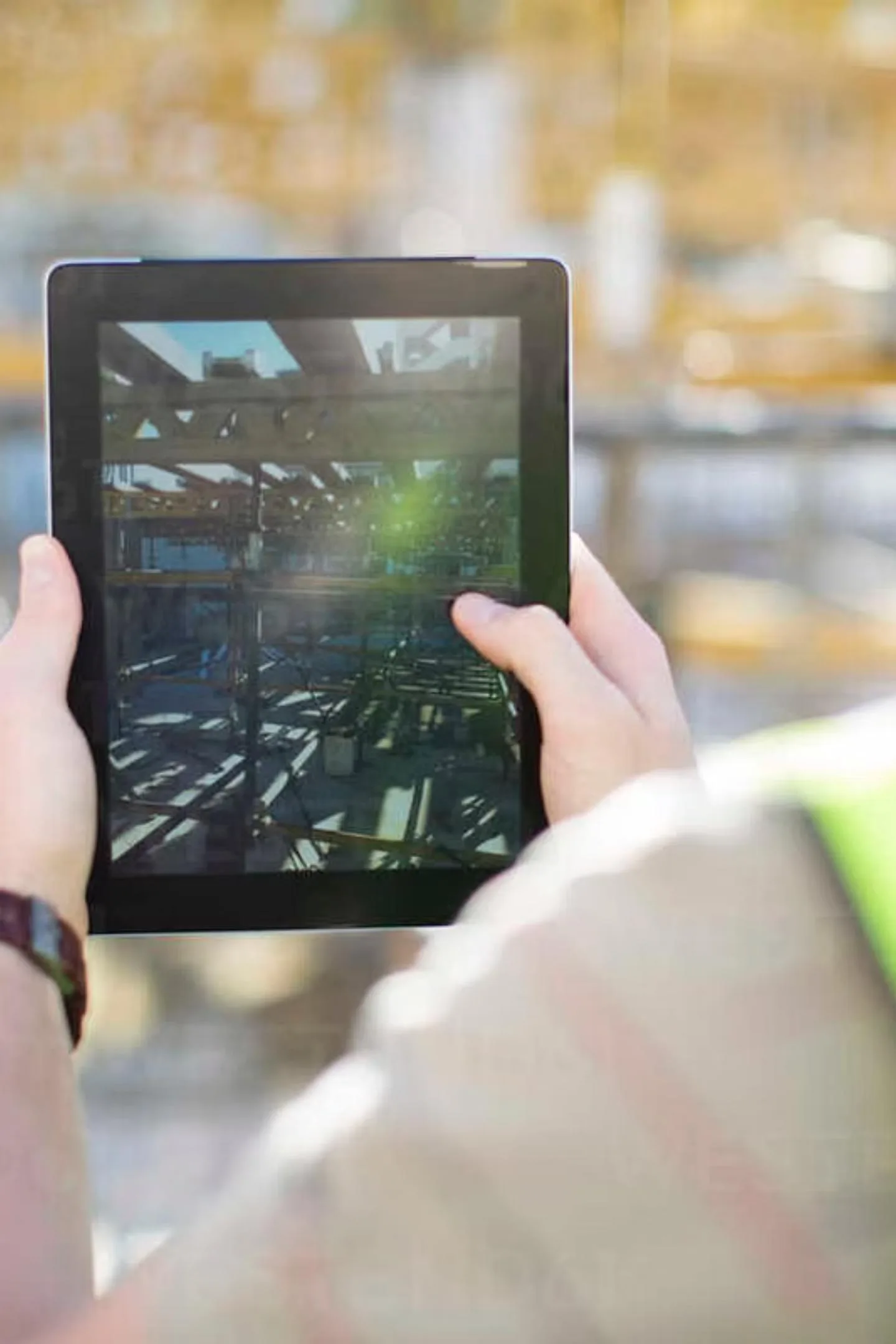
AR enhances on-site assistance by providing real-time guidance to field teams. Workers can access installation instructions, specifications, and quality requirements directly through AR devices, eliminating the need for paper documents. Furthermore, AR displays hidden infrastructure like electrical conduits and plumbing, which helps prevent costly mistakes during excavation and installation. Dimensional verification is also facilitated, allowing workers to instantly check alignment and distances against BIM models on-site.
What are the benefits of using AR and VR in construction?
The use of AR and VR in construction offers numerous benefits, including enhanced visualization of complex designs, which improves stakeholder understanding and accelerates approval processes. These technologies also lead to error reduction by enabling early detection of design conflicts and construction issues, thus saving time and materials. Improved safety is another significant advantage, as VR training reduces accidents through realistic scenario practice, while AR provides real-time hazard awareness on-site.
What challenges are associated with implementing AR and VR in construction?
Implementing AR and VR in construction presents several challenges, including high initial investment costs for hardware and software, which can be prohibitive for smaller firms. Additionally, a skilled workforce is required to effectively operate these technologies, necessitating specialized training in BIM modeling and software use. Hardware limitations, such as battery life and processing power in harsh environments, also hinder widespread adoption. Lastly, the complexity of integrating AR and VR systems with existing project management and ERP platforms requires extensive customization and IT support.
What future developments are anticipated for AR and VR in construction?
Future developments for AR and VR in construction include integration with AI for predictive analytics and real-time monitoring through IoT sensors. The capabilities of AR and VR are expected to expand significantly with the incorporation of digital twin technology. By 2024-2025, widespread adoption in large-scale projects is anticipated, followed by the introduction of AI-powered AR assistants and automated clash detection by 2026-2028. By 2029-2030, metaverse-enabled construction collaboration and digital twins are projected to revolutionize construction workflows.