Accounting for Special Transactions by CA Sanket Shah provides a comprehensive overview of various financial instruments and their implications in business law. It covers essential topics such as bills of exchange, promissory notes, and demand bills, offering insights into their definitions and applications. The document is designed for accounting students and professionals seeking to understand the nuances of special transactions in accounting. Key concepts include the renewal of bills, noting charges, and the retirement of bills, making it a valuable resource for exam preparation and practical application in the field of accounting.

Key Points

  • Explains the fundamentals of bills of exchange and promissory notes in accounting.
  • Covers the process of renewing bills and the implications of dishonored bills.
  • Details the accounting entries for genuine and accommodation bills.
  • Discusses the sale of goods on approval or return basis and its accounting treatment.
Keertimathi M P
Author:CA Sanket Shah
18 pages
Language:English
Type:Textbook
Keertimathi M P
Author:CA Sanket Shah
18 pages
Language:English
Type:Textbook
301
/ 18
Page 67
ACCOUNTS
6. Accounting for Special Transactions
CA SANKET SHAH
6
6
.
.
A
A
C
C
C
C
O
O
U
U
N
N
T
T
I
I
N
N
G
G
F
F
O
O
R
R
S
S
P
P
E
E
C
C
I
I
A
A
L
L
T
T
R
R
A
A
N
N
S
S
A
A
C
C
T
T
I
I
O
O
N
N
S
S
U
U
N
N
I
I
T
T
1
1
:
:
B
B
I
I
L
L
L
L
O
O
F
F
E
E
X
X
C
C
H
H
A
A
N
N
G
G
E
E
A
A
N
N
D
D
P
P
R
R
O
O
M
M
I
I
S
S
S
S
O
O
R
R
Y
Y
N
N
O
O
T
T
E
E
S
S
C
C
O
O
N
N
C
C
E
E
P
P
T
T
1
1
:
:
B
B
A
A
S
S
I
I
C
C
S
S
T
T
R
R
A
A
D
D
E
E
B
B
I
I
L
L
L
L
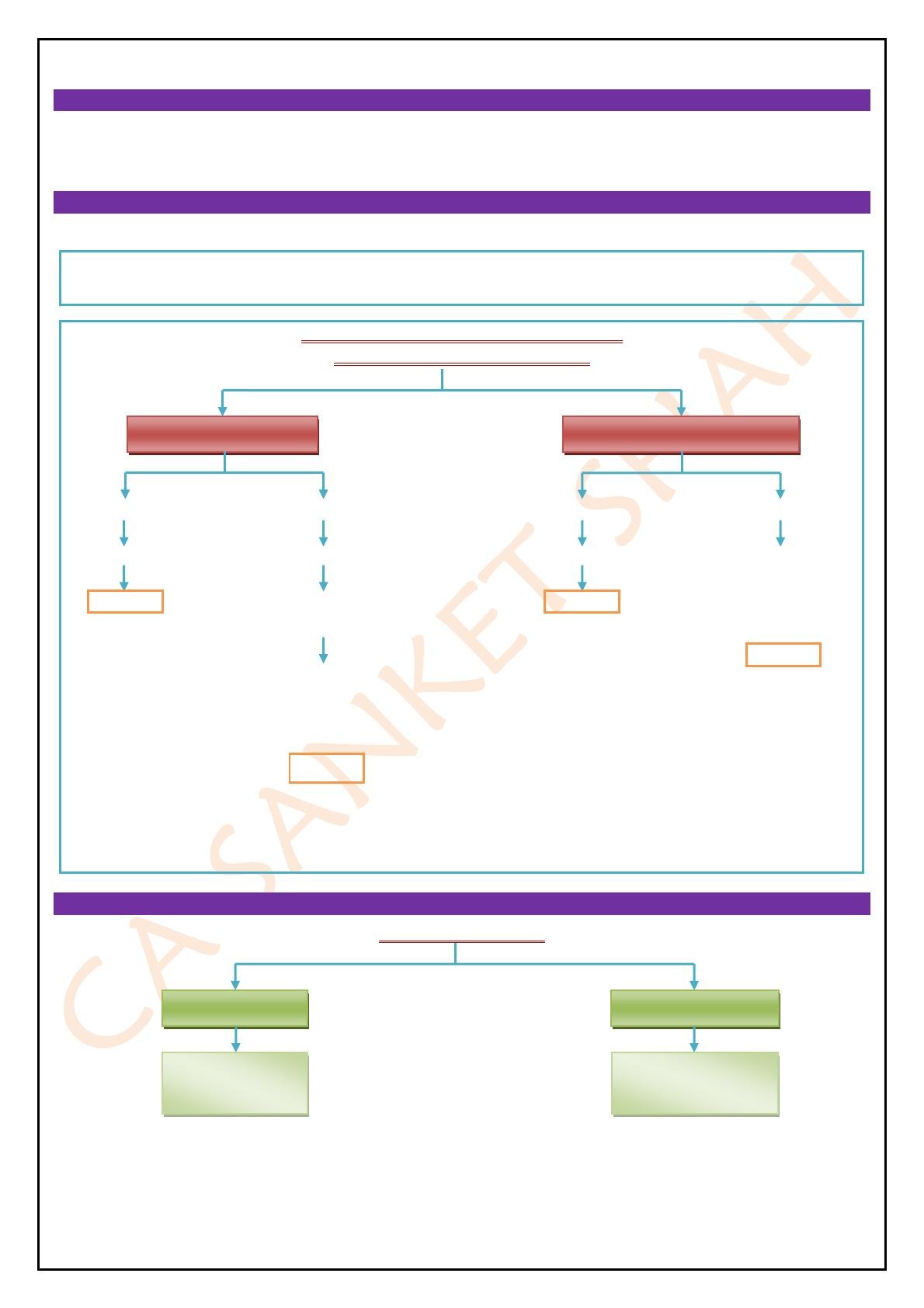
Goods are sold on credit, then buyer promises to pay after some days, on a specific date.
Commercial practice has developed to convert these written promises into valuable instrument of
credit.
When written promise is made in proper format & is property stamped it is obligation of the buyer to
settle it on future date.
Seller can request bank to give advance against that instrument.
Such promissory note, Such bills are known as Trade Bills, Genuine bills.
C
C
O
O
N
N
C
C
E
E
P
P
T
T
2
2
:
:
T
T
Y
Y
P
P
E
E
S
S
O
O
F
F
B
B
I
I
L
L
L
L
S
S
C
C
O
O
N
N
C
C
E
E
P
P
T
T
3
3
:
:
B
B
I
I
L
L
L
L
O
O
F
F
E
E
X
X
C
C
H
H
A
A
N
N
G
G
E
E
(
(
T
T
Q
Q
1
1
)
)
It must be in writing.
It must be dated.
It must contain an order to pay a certain sum of money.
The promise to pay must be unconditional.
The money must be payable to a definite person or to his order to the bearer.
The draft must be accepted for payment by the party to whom the order is made.
It should be properly stamped.
Payment must be in legal currency of the country.
Note :-
A cheque is bill of exchange, but every BOE is not a cheque.
C
C
O
O
N
N
C
C
E
E
P
P
T
T
4
4
:
:
P
P
R
R
O
O
M
M
I
I
S
S
S
S
O
O
R
R
Y
Y
N
N
O
O
T
T
E
E
(
(
T
T
Q
Q
1
1
)
)
An instrument in writing
Not a bank note or currency note
Containing an unconditional and clear undertaking (promise).Mere acknowledgement of debt is not
promissory Note.
Signed by maker (promisor)
To pay a certain sum of money
Only to or to the order of certain person
Bearer not allowed.
No acceptance required
Bill of exchange
Promissory note
Order
Promise
Seller to Buyer
Parties :
Drawer, Drawee
Page 68
ACCOUNTS
6. Accounting for Special Transactions
CA SANKET SHAH
C
C
O
O
N
N
C
C
E
E
P
P
T
T
5
5
:
:
D
D
E
E
M
M
A
A
N
N
D
D
B
B
I
I
L
L
L
L
Bill which is payable as & when demanded by payee is known as demand bill.
No specific period
C
C
O
O
N
N
C
C
E
E
P
P
T
T
6
6
:
:
U
U
S
S
U
U
A
A
N
N
C
C
E
E
B
B
I
I
L
L
L
L
O
O
R
R
T
T
I
I
M
M
E
E
B
B
I
I
L
L
L
L
Payable after a certain period specified in the bill.
Due date Don’t add three grace days .
Maturity date Add three grace days
Bill drawn on 10.03 & accepted on 14.03.
Eg. Calc. due date if term of bill is
1) 16.12 + 184 days 18 June
2) 05.06 + 190 days 12 Dec.
3) 15.09 + 280 days 22 June
C
C
O
O
N
N
C
C
E
E
P
P
T
T
7
7
:
:
E
E
F
F
F
F
E
E
C
C
T
T
O
O
F
F
H
H
O
O
L
L
I
I
D
D
A
A
Y
Y
S
S
W
W
H
H
I
I
L
L
E
E
Ascertaining due date
Date of bill (10.03)
Or
Date of acceptance (14.03)
Months Given
3 months
10.06
Days given
90 Days
Don’t convert
into month
Calc. : 90
- 21 March
- 30 April
- 31 May
8 June
Months given
3 months
14.06
Days given
Calc. : 90
- 17 March
- 30 April
- 31 May
12.06
Public Holiday
Emergency
Holiday
Preceeding
Working day
Subsequent/next
working day
Page 69
ACCOUNTS
6. Accounting for Special Transactions
CA SANKET SHAH
C
C
O
O
N
N
C
C
E
E
P
P
T
T
8
8
:
:
R
R
E
E
N
N
E
E
W
W
A
A
L
L
O
O
F
F
B
B
I
I
L
L
L
L
(
(
T
T
Q
Q
1
1
)
)
If acceptor is unable to pay amt. of bill on maturity date.
Renewal means giving further time for making payment.
Drawer changes interest on delayed period.
Renewal bill amt. = old bill cash paid + interest on Balance
C
C
O
O
N
N
C
C
E
E
P
P
T
T
9
9
:
:
N
N
O
O
T
T
I
I
N
N
G
G
C
C
H
H
A
A
R
R
G
G
E
E
S
S
(
(
T
T
Q
Q
1
1
)
)
When bill is dishonored.
Bill is to be presented to notary public (govt. appointed authority)
Notary public will note the fact of dishonor, so it becomes evidence for court cases.
Charges of notary public are known as noting charges.
Noting charges are paid by holder & recovered from drawee.
C
C
O
O
N
N
C
C
E
E
P
P
T
T
1
1
0
0
:
:
R
R
E
E
T
T
I
I
R
R
E
E
M
M
E
E
N
N
T
T
O
O
F
F
B
B
I
I
L
L
L
L
Payment is made before maturity date.
So, drawee receives discount/rebate.
Concept is opposite of renewal.
C
C
O
O
N
N
C
C
E
E
P
P
T
T
1
1
1
1
:
:
A
A
C
C
C
C
O
O
M
M
M
M
O
O
D
D
A
A
T
T
I
I
O
O
N
N
B
B
I
I
L
L
L
L
(
(
T
T
Q
Q
1
1
)
)
When 2 parties are in need of funds.
One party draws a bill and second party accepts the bill.
There is no purchase & sell between 2 parties.
It is not a trade bill.
This mechanism is utilized to raise finance.
At the end, drawer sends certain amt. to drawee for settlement of the bill.
Compulsory bill discounting .
C
C
O
O
N
N
C
C
E
E
P
P
T
T
1
1
2
2
:
:
A
A
C
C
C
C
O
O
U
U
N
N
T
T
I
I
N
N
G
G
E
E
N
N
T
T
R
R
I
I
E
E
S
S
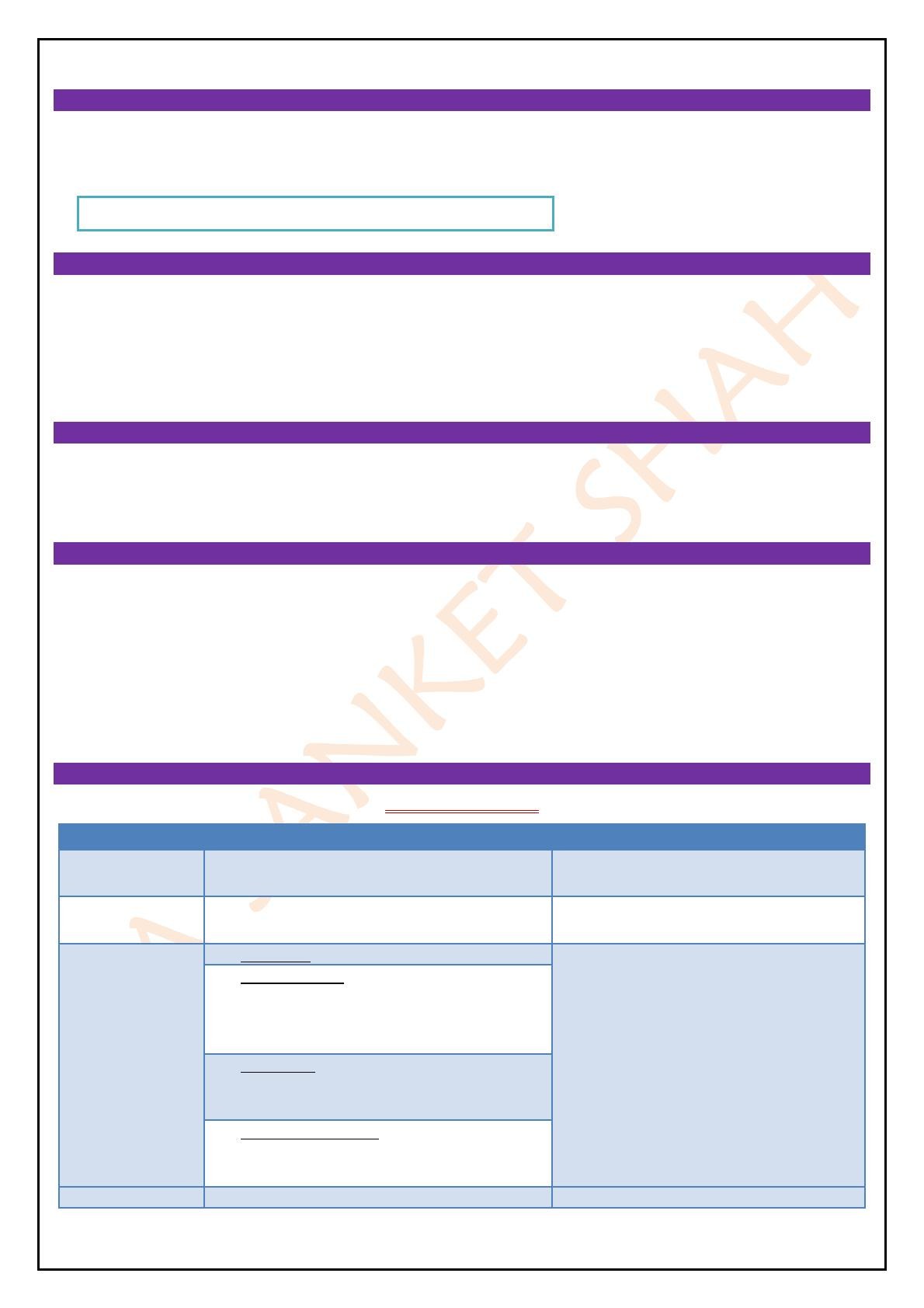
Case I : Genuine Bill
Particulars
Books of Drawer
Drawee
Bills created
Debtors /Drawee A/c --- Dr.
To Sales
Purchases A/c --- Dr.
To Cred. /drawer
Bills drawn
Bills receivable A/c --- Dr.
To Debtors /drawee A/c
Drawer a/c --- Dr.
To B/P
Options after
bills drawn
Retained :- No entry
Discounted :-
Bank/ Cash A/c --- Dr.
Discount A/c --- Dr.
To B/R a/c
Endorsed :-
Creditors/ Endorsee A/c --- Dr.
To B/R
Sent for collection :-
Bill sent for coll. --- Dr.
To B/R
/ 18
End of Document
301

FAQs

What are the types of bills in accounting for special transactions?
In accounting for special transactions, there are several types of bills outlined. These include Demand Bills, which are payable on demand without a specific period, and Usance Bills, which are payable after a specified period. Additionally, there are Trade Bills, which are genuine bills that represent a promise to pay for goods sold on credit. Each type of bill has unique characteristics and implications for accounting practices.
What is a promissory note and its key features?
A promissory note is an instrument in writing that contains an unconditional promise to pay a certain sum of money to a specified person or their order. Key features include that it must be signed by the maker, and it cannot be a bearer instrument. Unlike a bill of exchange, no acceptance is required for a promissory note, making it a straightforward financial instrument for credit transactions.
How is the due date calculated for bills of exchange?
The due date for a bill of exchange is calculated by adding the stated number of months or days to the date of the bill, along with three grace days. If the maturity day falls on a holiday, the due date is adjusted to the preceding business day. This method ensures that the payment schedule is clear and accounts for potential delays caused by holidays.
What is the process of bill renewal in accounting?
Bill renewal occurs when the acceptor is unable to pay the amount of the bill on the maturity date. This process involves extending the payment period, and the drawer may charge interest for the delayed period. The amount of the renewal bill is calculated as the sum of the old bill amount and the interest on the outstanding balance, effectively providing the acceptor with additional time to fulfill their obligation.
What is the difference between a bill of exchange and a cheque?
A bill of exchange must be in writing, dated, and contain an order to pay a specific sum of money to a definite person or their order. While a cheque is a type of bill of exchange, not all bills of exchange qualify as cheques. The key distinction lies in the fact that a cheque is always payable on demand, while a bill of exchange may have a specified due date.
What are the accounting entries for a genuine bill?
For a genuine bill, the accounting entries involve debiting the Bills Receivable account and crediting the Debtors or Drawee account when the bill is drawn. If the bill is retained, no further entry is needed. However, if the bill is discounted, the Bank or Cash account is debited along with the Discount account, with the Bills Receivable account credited accordingly.
How does the retirement of a bill work before its maturity date?
The retirement of a bill refers to the payment made before its maturity date, allowing the drawee to receive a discount or rebate. This practice is the opposite of bill renewal, as it involves settling the bill early rather than extending the payment period. The discount received incentivizes early payment, benefiting both the drawee and the drawer.