Annual Planning for Spotlight 1 and 2 outlines a structured curriculum for 7th, 8th, and 9th grades, focusing on English language learning. This planning document details the scope and sequence of lessons, including unit breakdowns and assessment schedules. It is designed for educators to effectively implement the Spotlight curriculum over the academic year, ensuring comprehensive coverage of essential topics. The plan includes specific weeks dedicated to revision and exams, facilitating a balanced approach to learning and assessment.
Key Points
Outlines a six-week unit structure for Spotlight 1 and 2 curriculum
Includes assessment schedules with quizzes and global tests
This link leads to an external site. We do not know or endorse its content, and are not responsible for its safety. Click the link to proceed only if you trust this site.
Marketing Management Study Material 2025 – AuthorTextbook
PDFTextbook
Marketing Management Study Material 2025Textbook
PDFTextbook
Cours de l’organisation judiciaire 2025Textbook
PDF
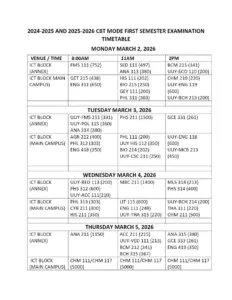
2024 2025 And 2025 2026 First Semester CBT Examination Timetable
PDF
First Semester Examination 2025 2026 2.Docx 20260514 061922 0000
PDF
USIU Africa Fee Structure 2025 2026
PDFSyllabus
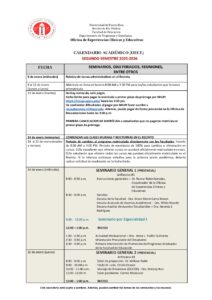
Calendario Académico Segundo Semestre 2025-2026 – Universidad de Puerto RicoSyllabus
PDFPresentation
Agricultural Production Regions – APHG 2025-2026Presentation
PDFReport
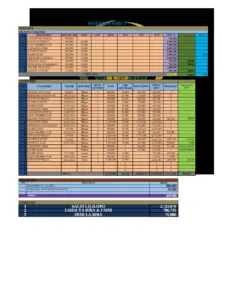
Wekeza Family Financial Overview 2025-2026Report
PDFOther
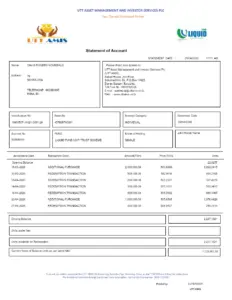
Liquid Fund Unit Trust Scheme 2025 – 2026Other
PDFPractice Test
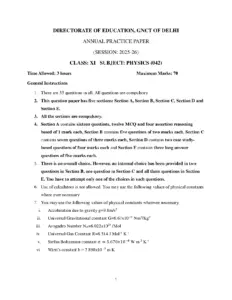
Physics Annual Practice Paper Class XI 2025-26Practice Test
FAQs
What is the structure of each unit in Spotlight 1 and 2?
Each unit in Spotlight 1 and 2 consists of 8 lessons, designed to be completed over 6 weeks, totaling 10 sessions. Specific lessons, such as Lesson 3 (DEAR), Lesson 5 (Culture and Fun Review), and Lesson 8, are intended to take only 1 session each. Other lessons, including Lessons 1, 2, 4, 6, and 7, may take either 1 or 2 sessions depending on the content.
What is the schedule for teaching the units in the 2025/2026 plan?
The teaching schedule for the 2025/2026 academic year is organized by months, with specific weeks allocated to each unit. For example, in September, the focus is on Unit 1, while in October, the teaching continues with Unit 1 and then transitions to Unit 2 in November. Each month has designated weeks for lessons, assessments, and breaks, ensuring a structured approach to learning.
How are assessments structured in the Annual Planning document?
Assessments in the Annual Planning document include quizzes and global tests, strategically placed throughout the academic year. For instance, Quiz 1 is scheduled after completing Unit 1, followed by a Global Test that encompasses the material from the units taught. This systematic approach allows for regular evaluation of student understanding and retention of the content.
What are the key months for breaks in the teaching schedule?
The teaching schedule includes several key breaks throughout the academic year. Notably, there are breaks in November, December, and February, which provide students with time off between units. These breaks are strategically placed to allow for revision and to prepare for upcoming assessments, ensuring a balanced academic experience.
What lessons are emphasized during the Encounter Basics weeks?
During the Encounter Basics weeks, lessons 1 through 4 are emphasized, focusing on foundational skills and knowledge. These initial weeks are crucial for setting the stage for more advanced topics in subsequent units. The structure allows for a gradual buildup of concepts, ensuring students have a solid grasp before moving on to more complex lessons.