CVE 401 Civil Engineering Practice: Case Studies on Foundations
The case study on foundations explores the Burj Khalifa project, detailing its construction overview, geotechnical foundations, and testing methods. It covers the overall stability assessment and pile load testing, providing insights into the engineering challenges faced during the project. This material is essential for civil engineering students and professionals interested in high-rise building foundations and geotechnical engineering practices. The presentation includes detailed analysis and findings relevant to modern construction techniques.
Key Points
Examines the Burj Khalifa's foundation design and construction techniques.
Details geotechnical investigation phases and testing methods used.
Analyzes overall stability assessment and factors of safety for the foundation.
Discusses the significance of pile load testing in high-rise construction.
This link leads to an external site. We do not know or endorse its content, and are not responsible for its safety. Click the link to proceed only if you trust this site.
Credit Management: Types, Processes, and Best PracticesPresentation
PDF
Cambridge O Level Business Studies 7115/22 Case Study 2022
PDFPresentation
Présenter Un Projet De VoyagePresentation
PDFPresentation
History of Ethiopia and the Horn – Lecture Notes Chapters 1 and 2Presentation
PDFPresentation
Infrared Spectroscopy (IR) – Unit 5Presentation
PDFPresentation
Universal Gravitation – Physics Concepts and ApplicationsPresentation
PDFPresentation
Business Proposal Presentation: Blue Modern DesignPresentation
PDFPresentation
Blue Modern Business Proposal Presentation 20260104 211018Presentation
FAQs
What are the main construction materials used in the Burj Khalifa?
The Burj Khalifa primarily utilizes reinforced concrete, steel, aluminum, and glass as its main construction materials. These materials contribute to the building's structural integrity and aesthetic appeal, allowing it to reach a height of 828 meters (2,717 feet) with 163 floors above ground. The choice of materials is crucial for supporting the mixed-use functions of the building, which include both commercial and residential spaces.
How was the foundation of the Burj Khalifa constructed?
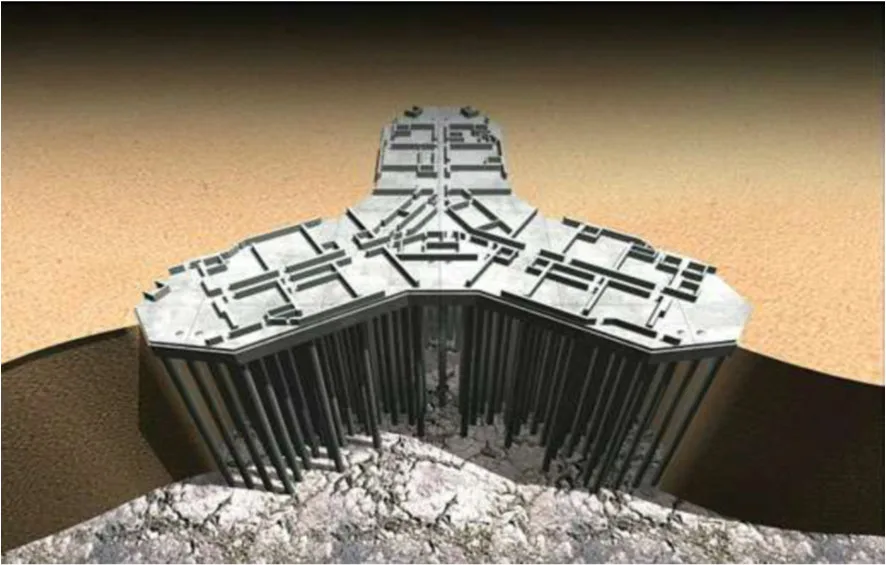
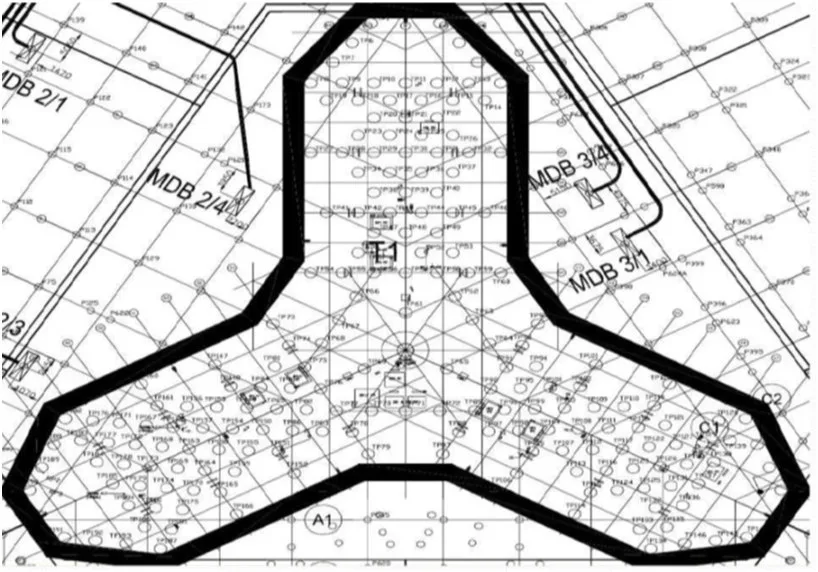
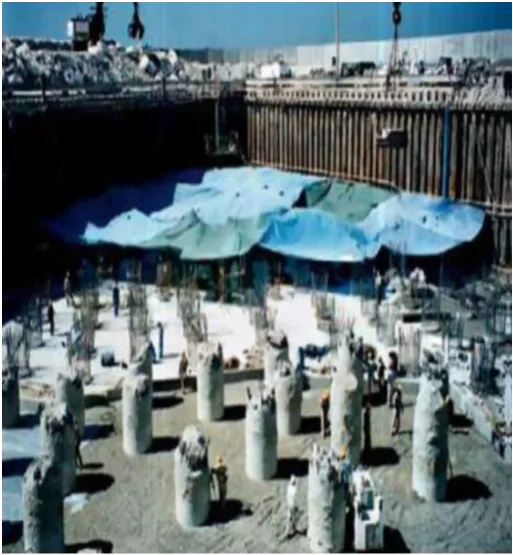
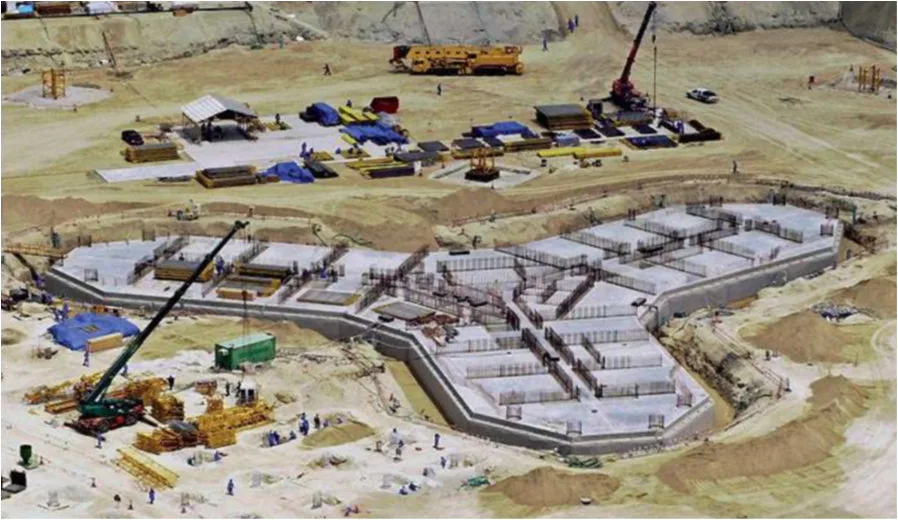
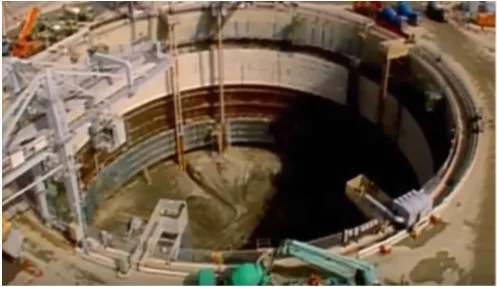
The foundation of the Burj Khalifa is a piled raft system, founded on a 3.7-meter thick raft supported by bored piles that are 1.5 meters in diameter and extend approximately 50 meters below the base of the raft. This design was essential for ensuring stability, given the building's height and the geotechnical conditions of the site. The foundation's construction involved extensive geotechnical investigations and testing phases to assess soil conditions and ensure adequate load-bearing capacity.
What factors were considered in the overall stability assessment of the Burj Khalifa's foundation?
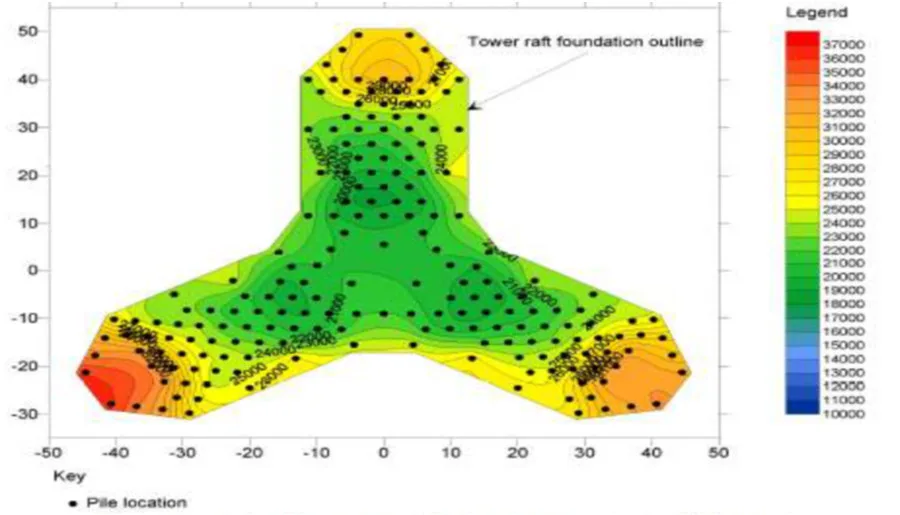
In assessing the overall stability of the Burj Khalifa's foundation, a minimum center-to-center spacing of the piles was established at 2.5 times the pile diameter. The assessment included checks for both vertical and lateral stability, with a factor of safety of just less than 2 for vertical movements and greater than 2 for lateral movements. Additionally, a factor of safety of approximately 5 was achieved against overturning, ensuring the foundation could withstand various loads and environmental conditions.
What were the key findings from the geotechnical investigation for the Burj Khalifa?
The geotechnical investigation for the Burj Khalifa was conducted in four phases, which included standard penetration tests, pressuremeter tests, drilling of geophysical boreholes, and installation of standpipe piezometers. These investigations were crucial for understanding the soil and rock conditions at the site, which informed the design of the foundation. The results indicated that the design of the foundation would be governed primarily by tolerable settlement rather than overall allowable bearing capacity.
What is the significance of the Akashi Kaikyō Bridge's design?
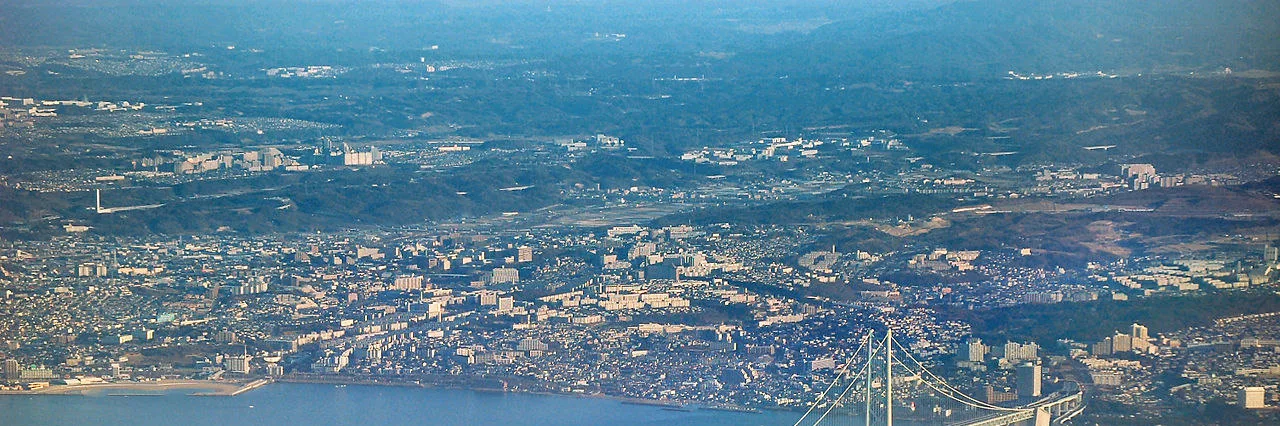
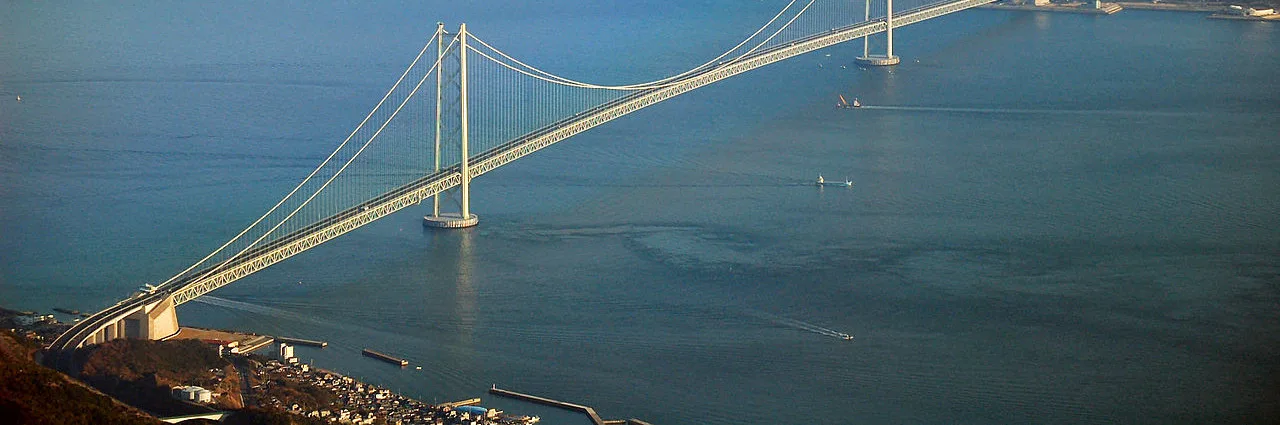
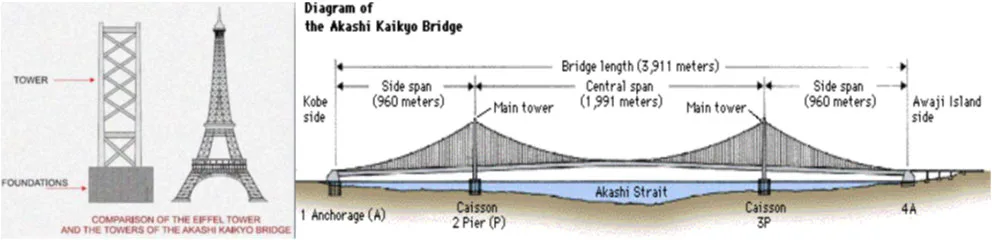
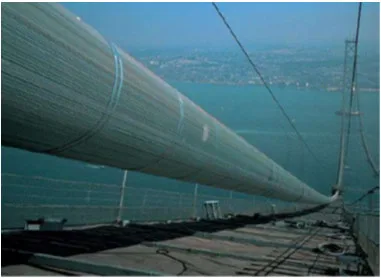
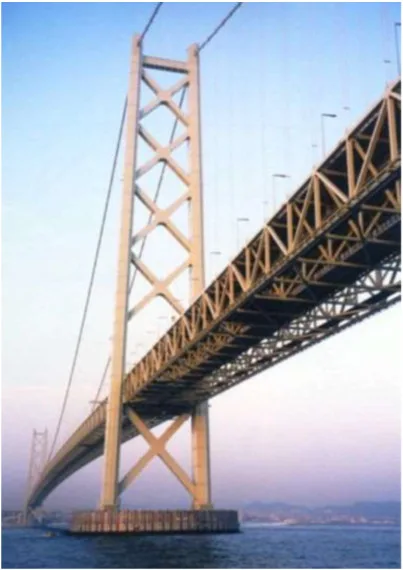
The Akashi Kaikyō Bridge features the longest central span of any suspension bridge in the world, measuring 1,991 meters (6,532 feet). Its design includes some of the tallest towers for a suspension bridge at 297 meters, which enhances its structural stability. The bridge was constructed to accommodate six lanes of roadway and is capable of handling approximately 23,000 cars per day, making it a vital transportation link between Kobe and Awaji Island.
What materials were used in the construction of the Akashi Kaikyō Bridge?
The Akashi Kaikyō Bridge was constructed using major components made of steel, including pre-fabricated steel shapes for the towers and deck. The bridge contains approximately 250,000 tons of steel, which was selected for its lightweight properties and strength. Advanced technology was employed to prevent rusting and corrosion, ensuring the longevity and durability of the bridge's structure.
How does the Akashi Kaikyō Bridge resist wind and earthquakes?
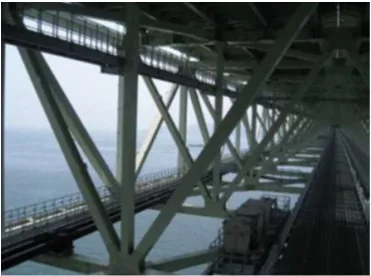
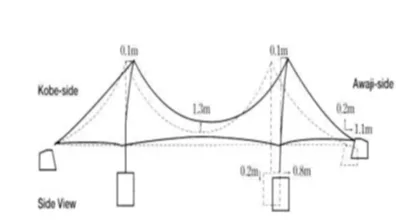
The Akashi Kaikyō Bridge incorporates several design features to resist wind and earthquakes. It utilizes triangular stiffening steel girders that allow for the complete passage of wind while being lighter than traditional steel boxes. Additionally, the bridge is equipped with 20 Tuned Mass Dampers (TMD) that reduce deflection in the towers and can withstand earthquakes of up to 8.5 magnitude, demonstrating its resilience against natural forces.