Control and coordination in plants and humans explores how organisms respond to stimuli through various mechanisms. It details the role of plant hormones like auxins, gibberellins, and cytokinins in growth and movement. The document also covers human nervous and endocrine systems, explaining how neurons transmit impulses and how hormones regulate bodily functions. Ideal for biology students, this resource provides insights into plant movements such as tropisms and nastic responses, as well as reflex actions in humans. It serves as a comprehensive guide for understanding biological coordination and response mechanisms.
Key Points
- Explains plant hormones and their roles in growth and response to stimuli.
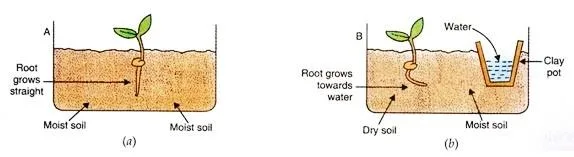
- Describes types of plant movements, including tropic and nastic movements.
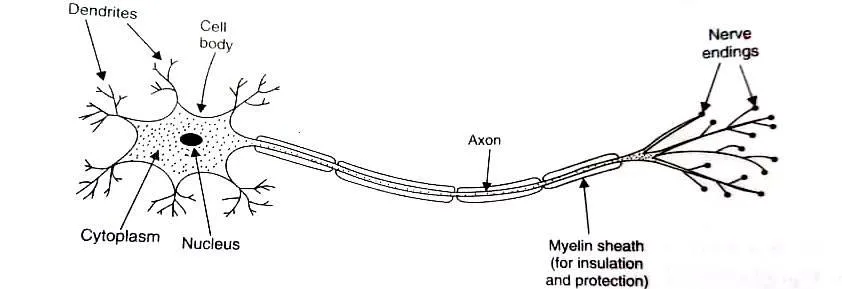
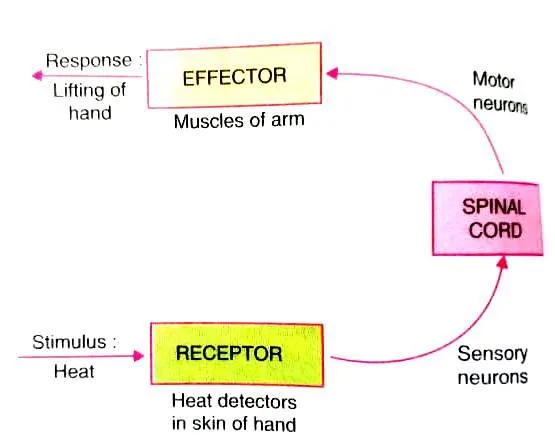
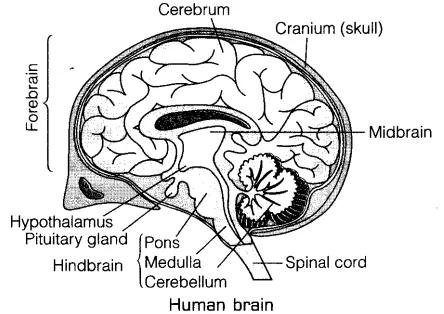
- Covers the structure and function of the human nervous system.
- Details the endocrine system and the role of hormones in regulating bodily functions.
- Includes experiments demonstrating plant responses to environmental stimuli.