Communication Skills Project: Importance and Techniques
Effective communication skills are essential for personal and professional success. This project explores various types of communication, including verbal, non-verbal, and visual methods. It emphasizes the importance of active listening, empathy, and positive body language in fostering strong relationships. The content is designed for students and professionals seeking to enhance their communication abilities. Key topics include barriers to communication and strategies for overcoming them.
This link leads to an external site. We do not know or endorse its content, and are not responsible for its safety. Click the link to proceed only if you trust this site.
Project Management Unit 4 Estimation TechniquesTextbook
PDFAssignment
Communication Skills ProjectAssignment
PDFTextbook
Project Management Unit 4 SEPMTextbook
PDFGuide
Effective Communication: Listening Skills and EmpathyGuide
PDF
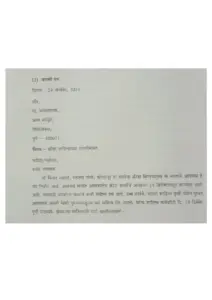
Marathi Writing Skills for Effective Communication
PDF
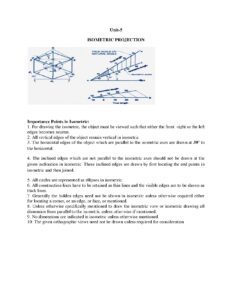
Isometric Projection Techniques and Applications
PDFTextbook
General Psychology (Psyc 1011)Textbook
PDFTextbook
Logic and Critical Thinking Lecture Notes – Chapters 1–6Textbook
PDFTextbook
History Lecture Notes – Chapters 3 and 4Textbook
PDFTextbook
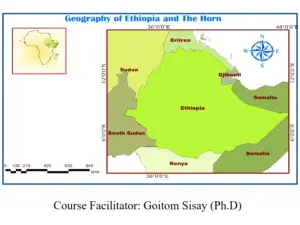
Geography Lecture Notes 1: Chapters 1–6Textbook
PDFTextbook
Corn Growth Stages ChartTextbook
PDFTextbook
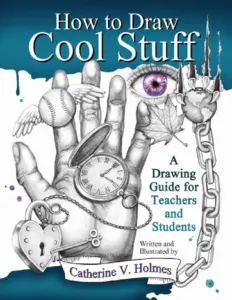
How To Draw Cool Stuff by Catherine V HolmesTextbook
FAQs
What are the main types of communication discussed in the document?
The document outlines several types of communication, including verbal, non-verbal, visual, written, and digital communication. Verbal communication involves spoken words, while non-verbal communication encompasses body language and expressions. Visual communication utilizes images and visual aids, such as charts and diagrams, to convey information. Written communication includes letters, emails, and reports, and digital communication refers to interactions through technology and social media. Each type serves a unique purpose and is crucial in daily interactions.
What is the communication cycle described in the document?
The communication cycle consists of several stages: sender, encoding, message, channel, receiver, decoding, feedback, and noise. The sender initiates the process by encoding ideas into a message, which is then transmitted through a chosen channel to the receiver. The receiver decodes the message to understand it, and feedback is provided to the sender. Noise refers to any disturbances that may affect the clarity of the communication. A successful cycle ensures that the intended message is accurately understood.
What barriers to communication are identified in the document?
The document identifies several barriers that can hinder effective communication, including language differences, poor listening skills, physical distractions, emotional factors, cultural differences, lack of clarity, and technical problems. These barriers can lead to misunderstandings and misinterpretations. By recognizing and addressing these obstacles, individuals can improve their communication effectiveness and foster better understanding in interactions.
What are some important communication skills mentioned in the document?
Important communication skills highlighted in the document include active listening, confidence, empathy, respect, and positive body language. Active listening involves fully focusing on the speaker, while confidence allows individuals to express their ideas clearly. Empathy is crucial for understanding others' feelings, and respect involves valuing different opinions. Additionally, maintaining positive body language can enhance communication effectiveness and create a good impression.
How does the document define verbal communication?
Verbal communication is defined in the document as the exchange of information using spoken language. It is one of the most common forms of communication, evident in classroom discussions, speeches, interviews, and everyday conversations. Effective verbal communication requires clear pronunciation, confidence, proper vocabulary, and active listening skills. The advantages of verbal communication include immediate feedback, the ability to build strong relationships, and quick problem-solving.
What is the significance of visual communication as per the document?
According to the document, visual communication plays a significant role in conveying information effectively. It utilizes images and visual aids, such as charts, graphs, and infographics, to make complex information easier to understand and remember. By presenting data visually, individuals can enhance comprehension and retention, making visual communication an essential tool in both educational and professional settings.
What advanced communication skills are described in the document?
The document describes several advanced communication skills, including public speaking, effective writing, teamwork and collaboration, asking relevant questions, giving and receiving feedback, and conflict resolution. These skills are essential for enhancing overall communication effectiveness. Regular practice of these skills can help individuals become more confident and proficient communicators, which is vital in both academic and professional environments.