Effective communication skills are crucial for personal and professional success. This project explores the various types of communication, including verbal, non-verbal, and visual methods. It highlights the importance of active listening, empathy, and clear expression in building relationships. Additionally, the project addresses common barriers to communication and offers strategies for overcoming them. Ideal for students and professionals looking to enhance their communication abilities, this project serves as a comprehensive guide to mastering essential skills.
Key Points
Explores verbal, non-verbal, and visual communication techniques.
Highlights the significance of active listening and empathy in interactions.
Discusses barriers to effective communication and strategies to overcome them.
Offers practical tips for improving personal and professional communication skills.
This link leads to an external site. We do not know or endorse its content, and are not responsible for its safety. Click the link to proceed only if you trust this site.
Communication Skills Project: Importance and TechniquesTextbook
PDFGuide
Effective Communication: Listening Skills and EmpathyGuide
PDF
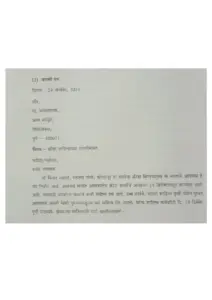
Marathi Writing Skills for Effective Communication
PDFAssignment
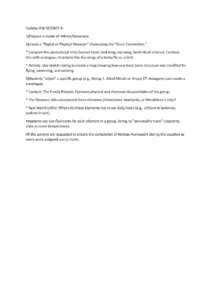
Holiday Homework Science – Motor/Generator and Element TravelogueAssignment
PDFAssignment
Electrolytic Solutions AssignmentAssignment
PDFAssignment
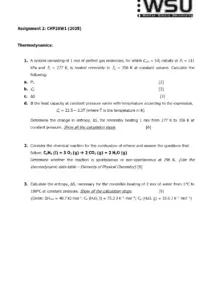
Entropy and Chemical Kinetics Assignment 2 – 2024Assignment
PDFAssignment
Physical Chemistry II Assignment 1 2024Assignment
PDFAssignment
Chemical Equilibrium Assignment 3 – 2025Assignment
PDFAssignment
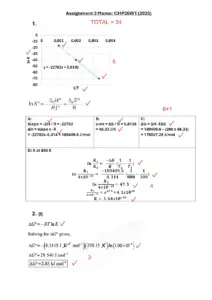
Chemistry Assignment 3 Memo 2025Assignment
PDFAssignment
Physical Chemistry Practice Problems and MemosAssignment
PDFAssignment
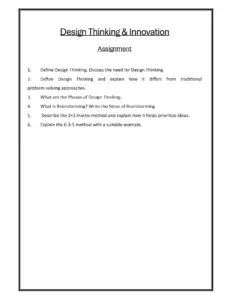
Design Thinking and Innovation AssignmentAssignment
PDFAssignment
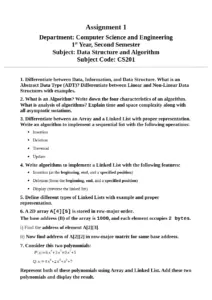
Data Structure and Algorithm Assignment – CS201Assignment
FAQs
What are the main types of communication covered in the document?
The document outlines five main types of communication: Verbal Communication, Non-Verbal Communication, Visual Communication, Written Communication, and Digital Communication. Each type plays a significant role in daily interactions and is essential for effective communication in various contexts.
What is the communication cycle described in the document?
The communication cycle consists of several key components: Sender, Message, Encoding, Channel, Receiver, Decoding, Feedback, and Noise. Successful communication occurs when the receiver accurately understands the message and provides appropriate feedback, ensuring clarity and reducing misunderstandings.
What barriers to communication are mentioned in the document?
Common barriers to communication include language differences, poor listening skills, distractions, emotional issues, cultural differences, lack of clarity, and technical problems. These barriers can lead to misunderstandings and hinder effective communication, making it crucial to address them for better interactions.
What communication skills are highlighted in the document?
The document emphasizes several important communication skills, including active listening, speaking clearly, empathy, confidence, respect, and maintaining positive body language. These skills are vital for improving personal and professional relationships, enhancing overall communication effectiveness.
How does visual communication aid understanding according to the document?
Visual communication employs images, symbols, charts, diagrams, posters, presentations, and videos to convey information. This method makes complex information easier to understand and remember, thereby enhancing the effectiveness of the message being communicated.
Why are communication skills important for students as per the document?
According to the document, communication skills are crucial for students as they help improve academic performance, build confidence, develop leadership qualities, enhance teamwork, resolve conflicts, and foster strong relationships. In the workplace, these skills are essential for collaboration, decision-making, and achieving success.
What does the document say about non-verbal communication?
Non-verbal communication encompasses body language, facial expressions, gestures, eye contact, posture, and tone of voice. These non-verbal signals often convey emotions and attitudes more effectively than words, playing a critical role in how messages are interpreted and understood.