Engineering Mechanics: Statics and Structures – Chapter 1
Engineering Mechanics: Statics and Structures introduces key concepts in statics, including Newton’s Laws of Motion, types of forces, and problem-solving techniques. This resource is essential for engineering students studying statics, providing a comprehensive overview of fundamental principles. It covers essential topics such as force types, units of measurement, and detailed problem-solving methods for trusses. The content is structured to support learners in understanding the mechanics of static structures, making it suitable for coursework and exam preparation in engineering disciplines.
Key Points
Covers Newton’s Laws of Motion and their applications in statics.
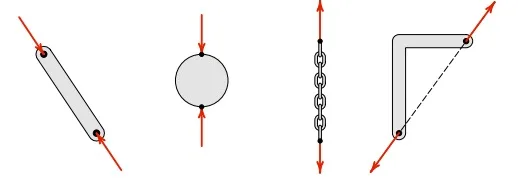
Explains different types of forces including point, body, and distributed forces.
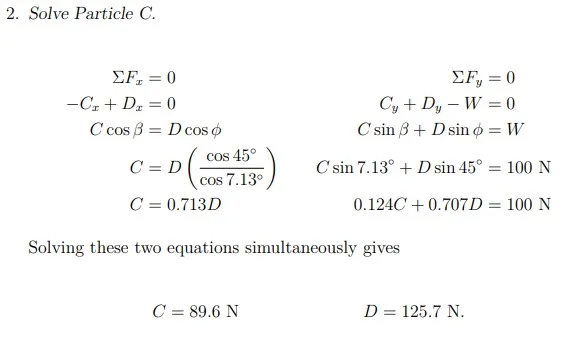
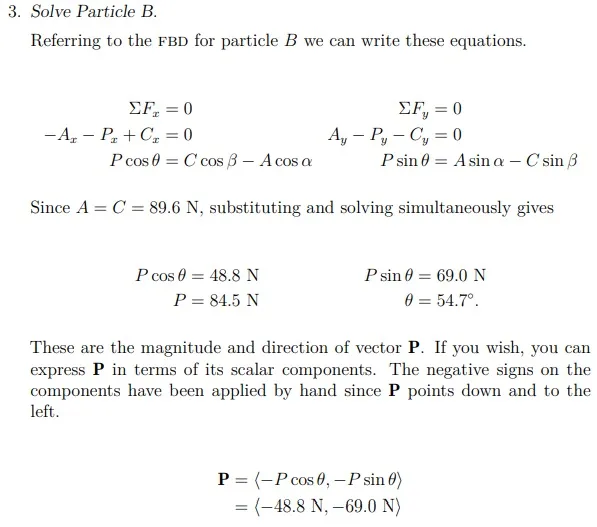
Details the method of joints for solving unknown forces in trusses.
Includes problem-solving techniques relevant to engineering mechanics.
This link leads to an external site. We do not know or endorse its content, and are not responsible for its safety. Click the link to proceed only if you trust this site.
Logic and Critical Thinking Lecture Notes – Chapters 1–6Textbook
PDFTextbook
History Lecture Notes – Chapters 3 and 4Textbook
PDFTextbook
Geography Lecture Notes 1: Chapters 1–6Textbook
PDFTextbook
Data Structures and Algorithms – Reema TharejaTextbook
PDFTextbook
Engineering Graphics and Design Question Bank 1Textbook
PDFTextbook
C Programming Unit 1 Notes: Language Elements and Control StructuresTextbook
PDFTextbook
Introduction to Petroleum Industry – Chapter 1Textbook
PDFTextbook
Economic Principles and Theories – Chapter OverviewTextbook
PDFTextbook
Computer Parts – Chapter 2b UpdatedTextbook
PDFTextbook
Introductory Computer Science – Chapter One: Introduction and History of ComputersTextbook
PDFTextbook
Applied Mechanics – Introduction to Mechanics and DynamicsTextbook
PDFTextbook
Devotional Paths to the Divine – History ChapterTextbook
FAQs
What are Newton's Laws of Motion in statics?
Newton's Laws of Motion are fundamental principles in statics. The 1st Law states that an object remains at rest or in uniform motion unless acted upon by an external force. The 2nd Law indicates that a force causes an object to accelerate in the direction of the net force, with the acceleration's magnitude being proportional to the net force and inversely proportional to the object's mass. The 3rd Law asserts that for every action, there is an equal and opposite reaction. These laws form the foundation for analyzing forces in static systems.
What are the fundamental units used in statics?
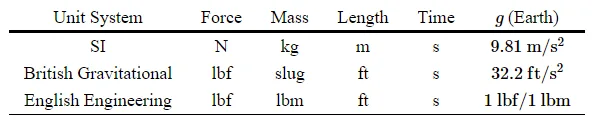
In statics, fundamental units are based on seven base units. The important base units include mass, length, and time. For example, in the SI unit system, force is measured in Newtons (N), mass in kilograms (kg), length in meters (m), and time in seconds (s). The British Gravitational system uses pounds-force (lbf) for force, and specific conversions exist for different unit systems, emphasizing the need for consistent units in calculations.
What are the steps for solving statics problems?
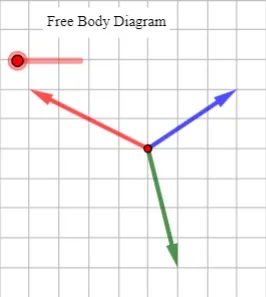
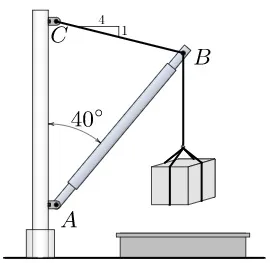
The steps for solving statics problems include: 1) Reading and understanding the problem; 2) Identifying the knowns and unknowns; 3) Developing a strategy; 4) Drawing a free-body diagram; 5) Applying the chosen strategy to solve for unknowns; 6) Writing and checking equilibrium equations; and 7) Conceptually checking the solutions. These steps help ensure a systematic approach to problem-solving in statics.
What types of forces are discussed in statics?
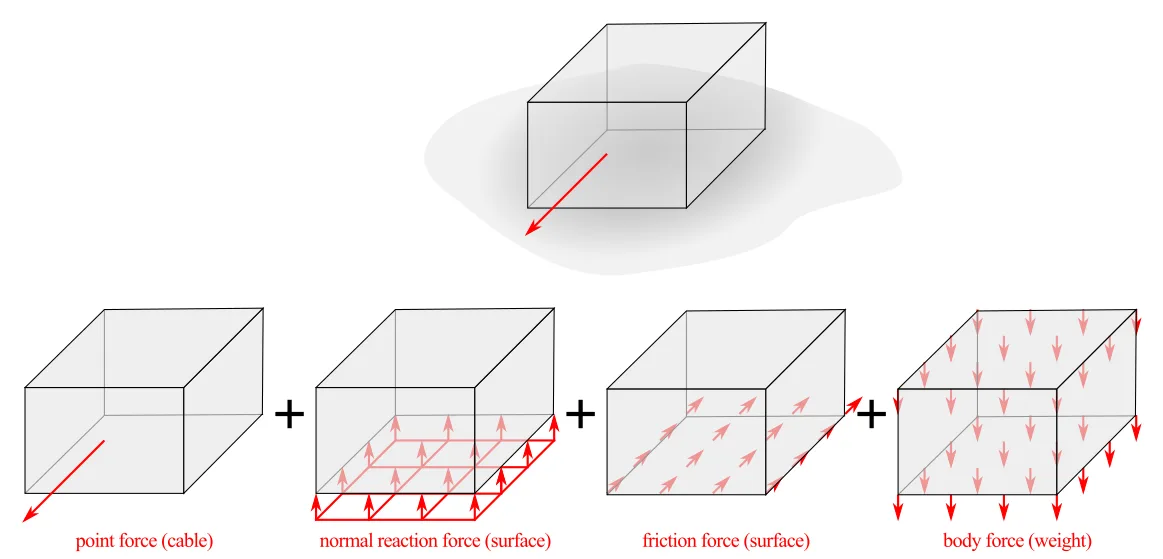
In statics, forces are categorized into several types: Point Force, which acts at a single point; Body Force, which acts throughout the volume of a body; Reaction Force, which occurs at supports or connections; and Distributed Force, which is spread over an area or length. Understanding these types is crucial for analyzing structures and ensuring equilibrium.
How is a free-body diagram used in statics?
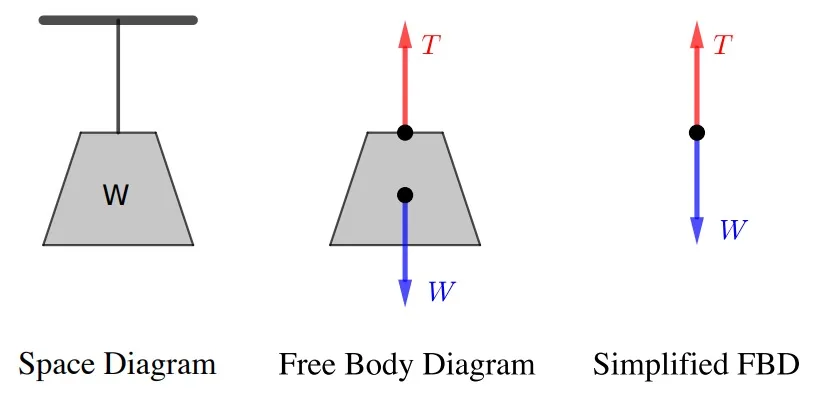
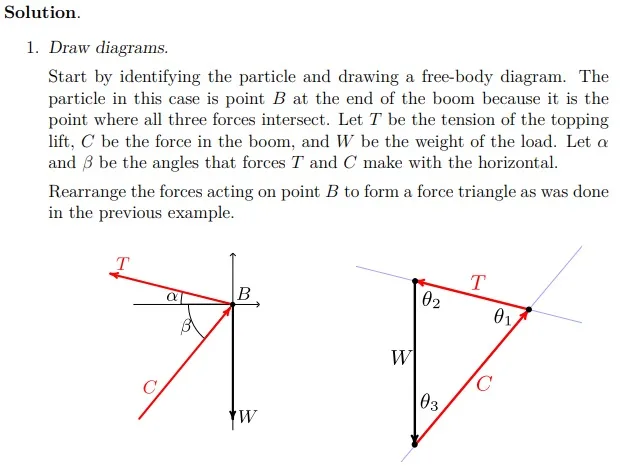
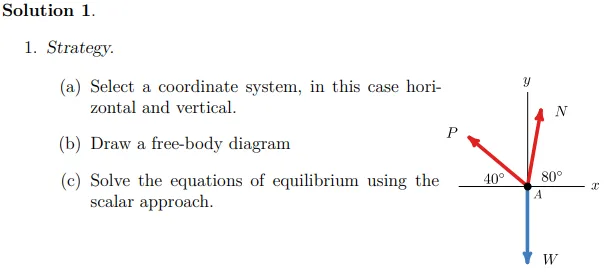
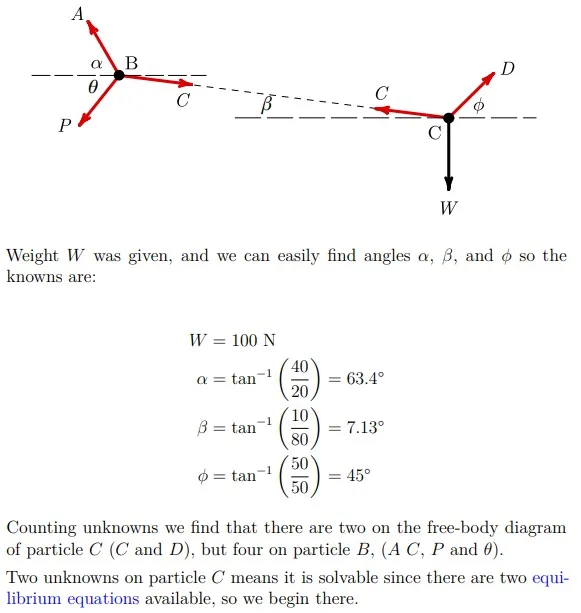
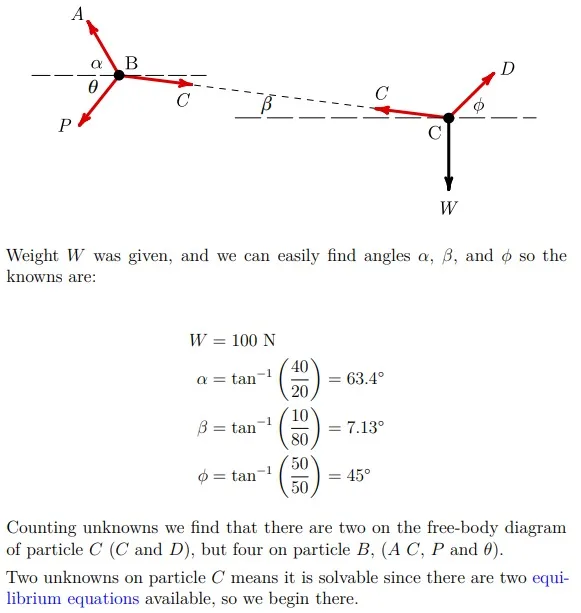
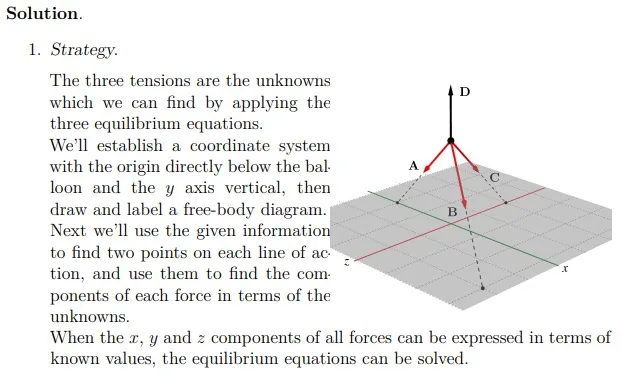
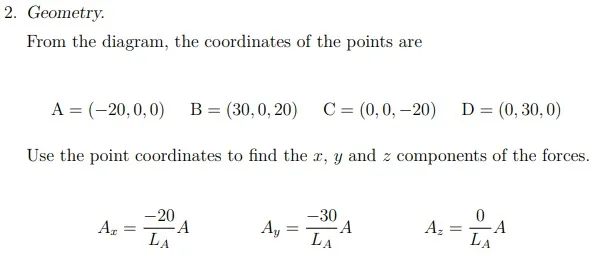
A free-body diagram (FBD) is a crucial tool in statics that illustrates all the forces acting on an object. It focuses solely on the object of interest, isolating it from its surroundings. The FBD includes all external forces, moments, and reactions, allowing for a clear visualization of the problem. This diagram serves as the foundation for applying equilibrium equations and solving for unknown forces and moments.
What is the significance of equilibrium in statics?
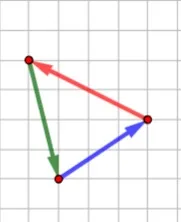
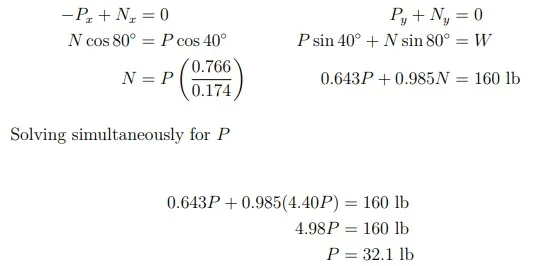
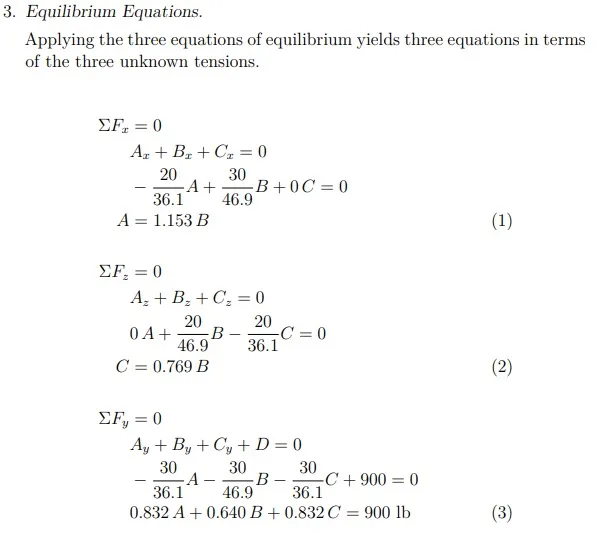
Equilibrium in statics is significant because it describes a state where an object is not accelerating, meaning that all forces and moments acting on it balance out. For a body to be in static equilibrium, the sum of all forces must equal zero, and the sum of all moments about any point must also equal zero. This concept is fundamental in analyzing structures and ensuring their stability under applied loads.