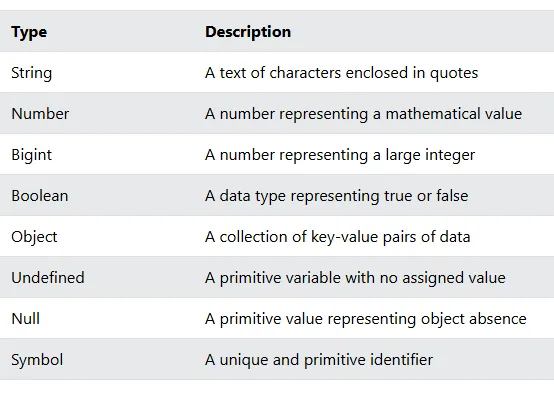
CPE 314 Lesson 4 focuses on the fundamentals of JavaScript, the programming language essential for web development. It covers key concepts such as the use of the tag in HTML, JavaScript functions, and event handling. The lesson also introduces the conditional (ternary) operator and the switch statement, providing syntax examples and practical applications. Designed for students in web technology courses, this lesson equips learners with the necessary skills to manipulate and validate data on web pages effectively. Engr. Israel Umana leads this comprehensive exploration of JavaScript basics.
Key Points
Explains the role of JavaScript as the programming language of the web.
Covers the use of the tag to integrate JavaScript into HTML documents.
Introduces JavaScript functions and their importance in code reusability.
Details the conditional (ternary) operator and switch statement syntax.
This link leads to an external site. We do not know or endorse its content, and are not responsible for its safety. Click the link to proceed only if you trust this site.
Introduction to Petroleum and Gas Industry – Chapter 7Lecture Notes
PDFLecture Notes
PGE 101 Introduction to Petroleum and Gas Industry – Chapter 3Lecture Notes
PDFLecture Notes
Introduction to Computer ArchitectureLecture Notes
PDFLecture Notes
Device Management in Operating Systems – Lesson 6Lecture Notes
PDFLecture Notes
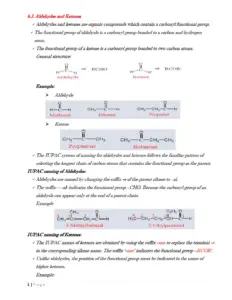
Aldehyde and Ketone: Properties, Preparation, and ReactionsLecture Notes
PDFLecture Notes
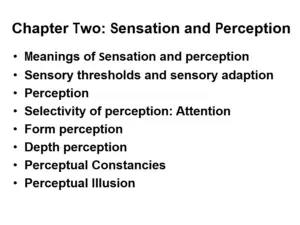
Sensation and Perception – Chapter 2Lecture Notes
PDFLecture Notes
Essence of Psychology – Chapter 1 OverviewLecture Notes
PDFLecture Notes
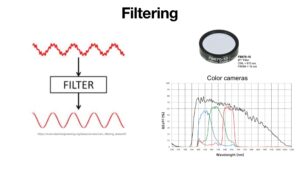
Filtering Techniques in Engineering MeasurementsLecture Notes
PDFLecture Notes
BIO 001 Notes on Systematics and EcologyLecture Notes
PDFLecture Notes
Geodinâmica Externa – Formação de Glaciares e HidrogeologiaLecture Notes
PDFLecture Notes
Digital Electronics: Complements and Binary ArithmeticLecture Notes
FAQs
What is JavaScript and its primary uses?
JavaScript is described as the programming language of the web. It is capable of calculating, manipulating, and validating data. Additionally, it can update and change both HTML and CSS, making it essential for dynamic web content.
How are JavaScript functions defined and used?
A JavaScript function is a block of code that can be executed when called. For example, a function can be triggered by an event, such as a user clicking a button. The document provides a sample function that changes the inner HTML of an element when called.
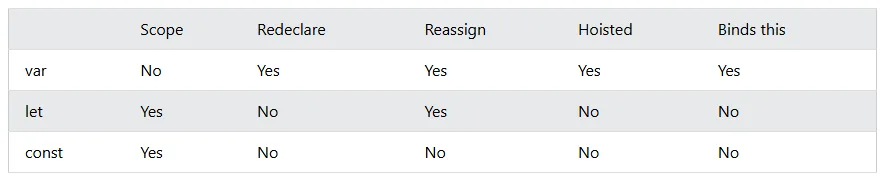
What are the main differences between var, let, and const in JavaScript?
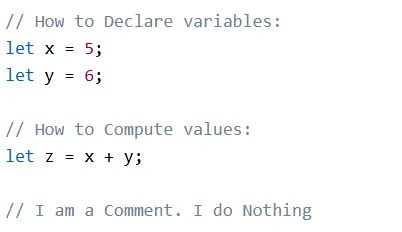
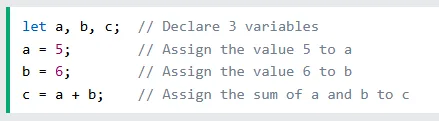
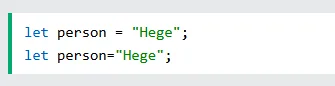
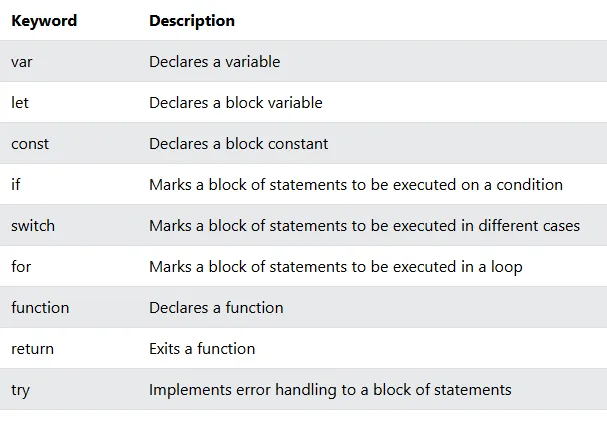
The document outlines that JavaScript variables can be declared using var, let, or const. It emphasizes that let and const are preferred in modern JavaScript. Specifically, const should be used when the value should not change, while let is used when reassigning values is necessary. Var is discouraged as it can lead to issues with variable scope.
How does the switch statement work in JavaScript?
The switch statement in JavaScript allows execution of different code blocks based on the value of an expression. It is evaluated once, and its value is compared against the values of each case. If a match is found, the corresponding block of code is executed, providing a more readable alternative to multiple if...else statements.
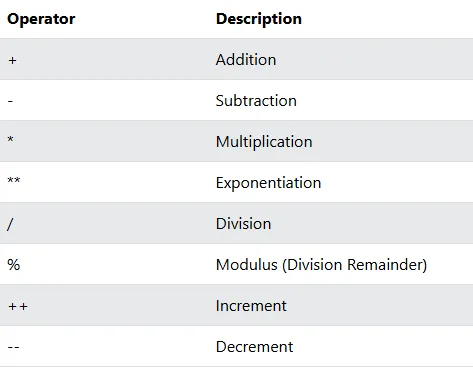
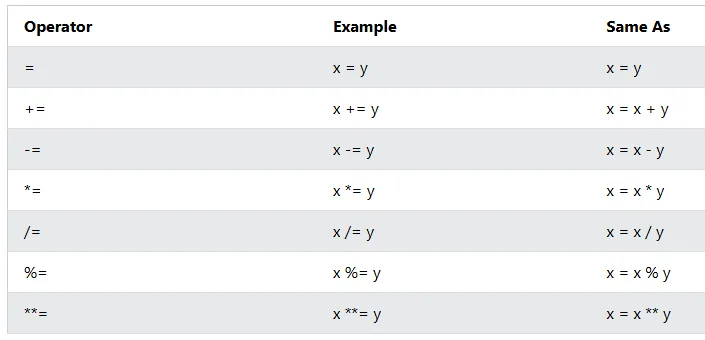
What are the different types of JavaScript operators?
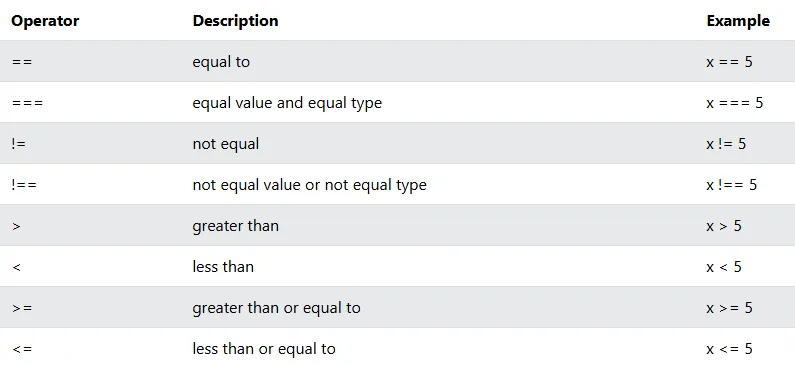
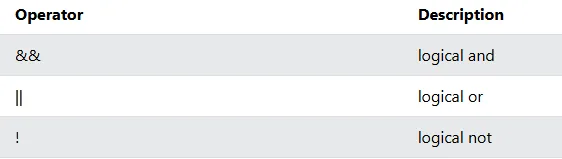
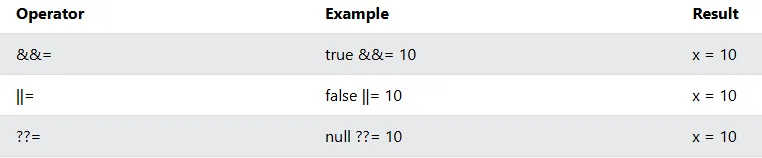
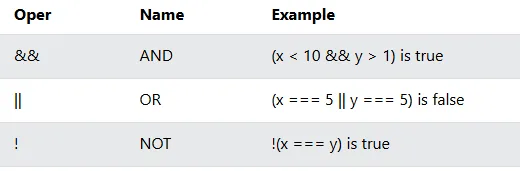
JavaScript includes several types of operators such as arithmetic, assignment, comparison, and logical operators. Each type serves a specific function in manipulating data and performing calculations. For example, arithmetic operators perform mathematical operations, while comparison operators evaluate conditions.
What is the purpose of the tag in HTML?
In HTML, the tag is used to insert JavaScript code. Scripts can be placed in various sections of an HTML document, such as the or . The document notes that placing scripts at the bottom of the can improve display speed, as script interpretation can slow down page rendering.
How can JavaScript display data on a webpage?
JavaScript can display data in multiple ways, including writing into an HTML element using innerHTML or innerText, writing to the HTML output using document.write(), displaying alerts with window.alert(), or logging information to the browser console using console.log(). Each method serves different purposes for user interaction and debugging.