

Web development is the multidisciplinary practice of building, maintaining, and scaling the applications that power the modern digital landscape. It bridges the gap between raw data storage and intuitive user interaction, requiring a mastery of distributed systems, network protocols, and interface engineering. In 2026, the field has evolved into a highly complex ecosystem where performance, accessibility, and security are non-negotiable requirements. Whether you are an aspiring frontend engineer, a backend architect, or a full-stack developer, Chesser Resources provides an extensive repository of lecture notes, framework documentation, and design blueprints to navigate the shifting landscape of the internet.
The architecture of a modern web application is fundamentally bifurcated into two environments:
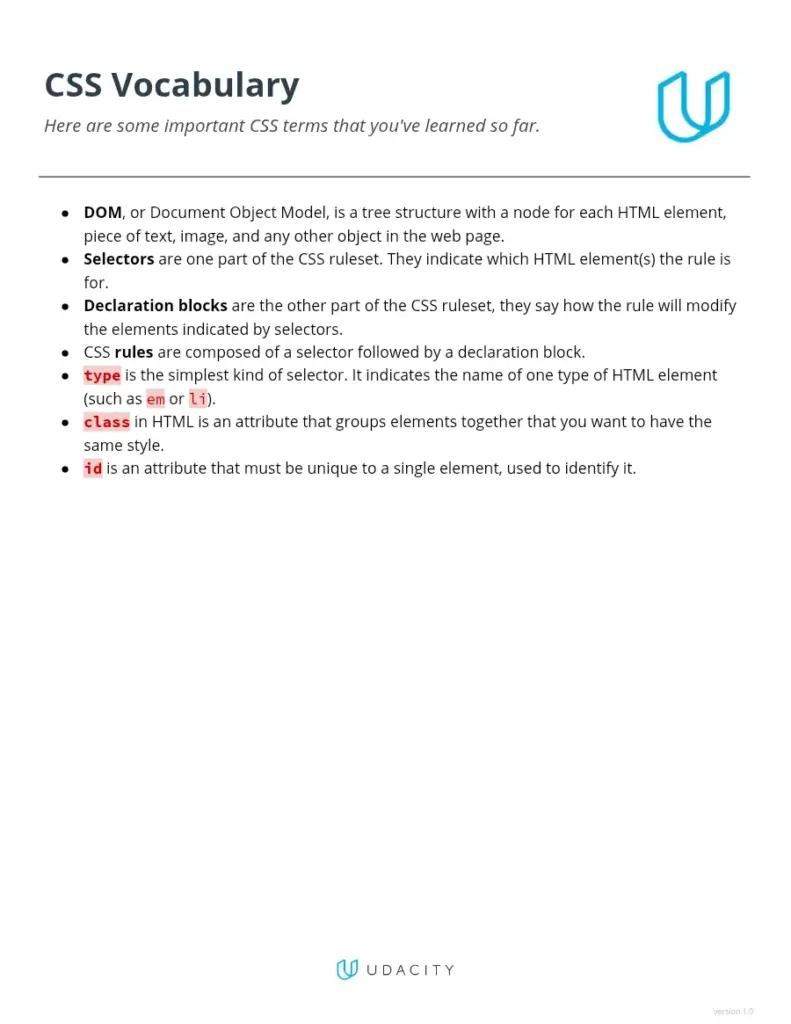
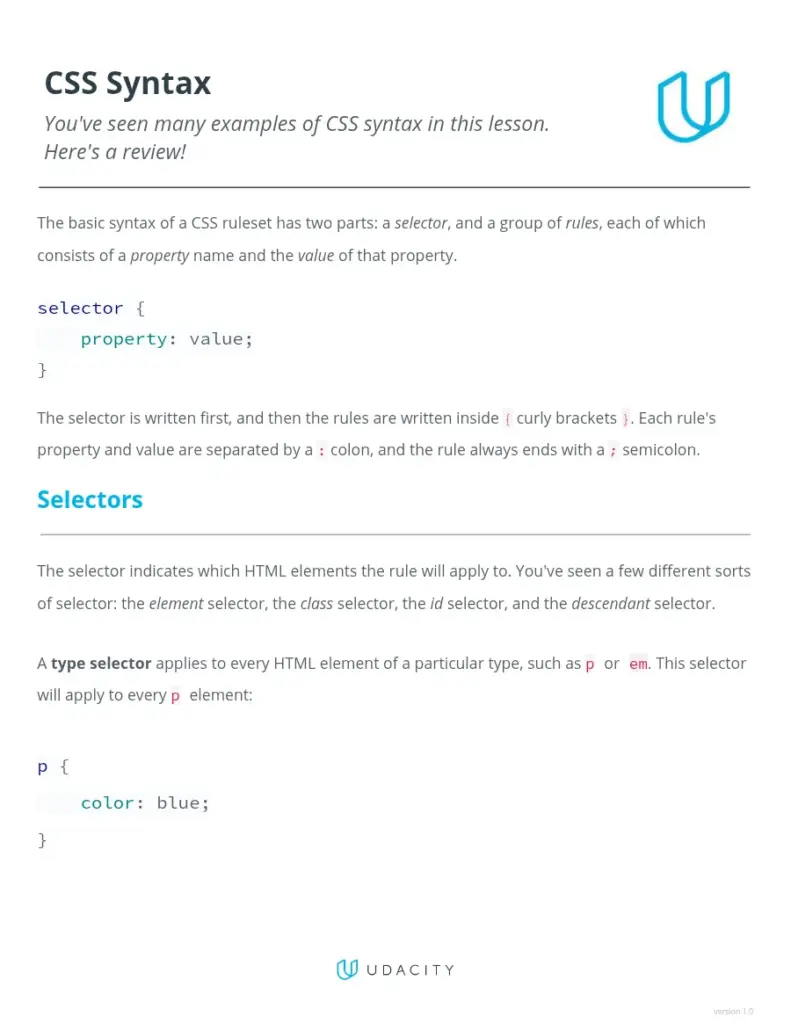
Frontend Development: Focused on the “client-side,” where code executes directly in the user’s browser. It involves crafting semantic structure (HTML), stylistic presentation (CSS), and interactive logic (JavaScript/TypeScript). Modern frontend engineering leverages component-based architectures to create highly responsive, state-driven interfaces.
Backend Development: Focused on the “server-side,” managing the logic that governs data persistence, authentication, and integration with third-party systems. This layer is responsible for processing requests, interacting with databases, and securing data transit through RESTful or GraphQL APIs.
The glue connecting these two layers is the network protocol stack. Web developers must understand how the Request-Response cycle works, how DNS resolution maps human-readable URLs to IP addresses, and how HTTP/3 and QUIC protocols facilitate high-speed data delivery. Beyond basic connectivity, performance is the primary differentiator for user engagement. Techniques such as edge caching, Content Delivery Networks (CDNs), lazy loading, and optimizing critical rendering paths are essential skills for any professional developer.
To understand how the expansive field of web development organizes its technologies, frameworks, and operational domains, review the following academic taxonomy:
Parent Category: Computer Science
Core Domain: Web Development
Frontend Engineering:
Semantic Markup (HTML5, Accessibility)
Responsive Styling (CSS Grid, Flexbox, Tailwind, SASS)
Interactive Logic (Vanilla JS, TypeScript, React, Vue, Next.js)
Backend Engineering:
Server Environments (Node.js, Python/Django, Go, Java/Spring)
Database Integration (SQL/PostgreSQL, NoSQL/MongoDB/Redis)
API Design (REST, GraphQL, WebSocket, gRPC)
Infrastructure & Operations:
Network Protocols (HTTP/1.1, HTTP/2, HTTP/3, TLS/SSL)
Web Performance (Lighthouse, Web Vitals, Edge Caching)
Deployment & Security (CI/CD pipelines, OAuth, JWT, Firewalls)
| Feature | Frontend Development | Backend Development |
| Primary Goal | User Interface & Experience (UI/UX) | Business Logic & Data Persistence |
| Execution Context | Browser (Client) | Server / Cloud Infrastructure |
| Core Technologies | HTML, CSS, JavaScript/TypeScript | Python, Node.js, Go, SQL, APIs |
| Main Challenge | Browser Compatibility & Responsiveness | Concurrency, Security & Scalability |
| Communication | Consumes APIs (Fetch, XHR) | Exposes APIs (REST, GraphQL) |
Chesser Resources is a free online study-and-research library at chesserresources.com. It holds 300,000+ documents — books, textbooks, past papers, lecture notes, study guides, research papers and much more — across exams, the sciences, math, literature, the humanities and beyond. Everything is readable in the browser with no account, alongside free AI summaries, an Ask-AI chatbot, highlights, notes and read-aloud audio. Instead of a subscription, downloads are unlocked by contributing back to the community, so the library stays genuinely free.
A REST API is resource-based, where each URL corresponds to a specific resource (e.g., /users/1). Clients receive a fixed, server-defined structure of data. GraphQL is query-based, allowing the client to explicitly define the structure of the data they need in a single request. This prevents “over-fetching” (receiving more data than needed) and “under-fetching” (requiring multiple requests for related data).
In CSR, the browser downloads a minimal HTML shell and uses JavaScript to fetch data and render the page, which can impact SEO and initial load speed. In SSR, the server generates the full HTML content before sending it to the client. This significantly improves search engine indexing and perceived performance, as users see content immediately upon navigation.
The Critical Rendering Path refers to the sequence of steps the browser must complete to convert HTML, CSS, and JavaScript into pixels on the screen: parsing HTML into the DOM, parsing CSS into the CSSOM, constructing the Render Tree, performing layout, and finally painting the pixels. Optimizing this path—by reducing render-blocking resources like large CSS or JS files—is crucial for achieving high Core Web Vitals scores.
JWT is a compact, URL-safe means of representing claims between two parties. It is stateless, meaning the server does not need to store session information in memory or a database for every user request. Once a user logs in, the server issues a signed JWT, which the client includes in the header of subsequent requests. This is highly efficient for distributed systems and microservices.
CORS (Cross-Origin Resource Sharing) is a browser security mechanism that restricts a webpage from making requests to a different domain than the one that served the page. This prevents malicious scripts from accessing sensitive data on another site. To allow legitimate cross-domain access, the server must explicitly include headers like Access-Control-Allow-Origin in its response.