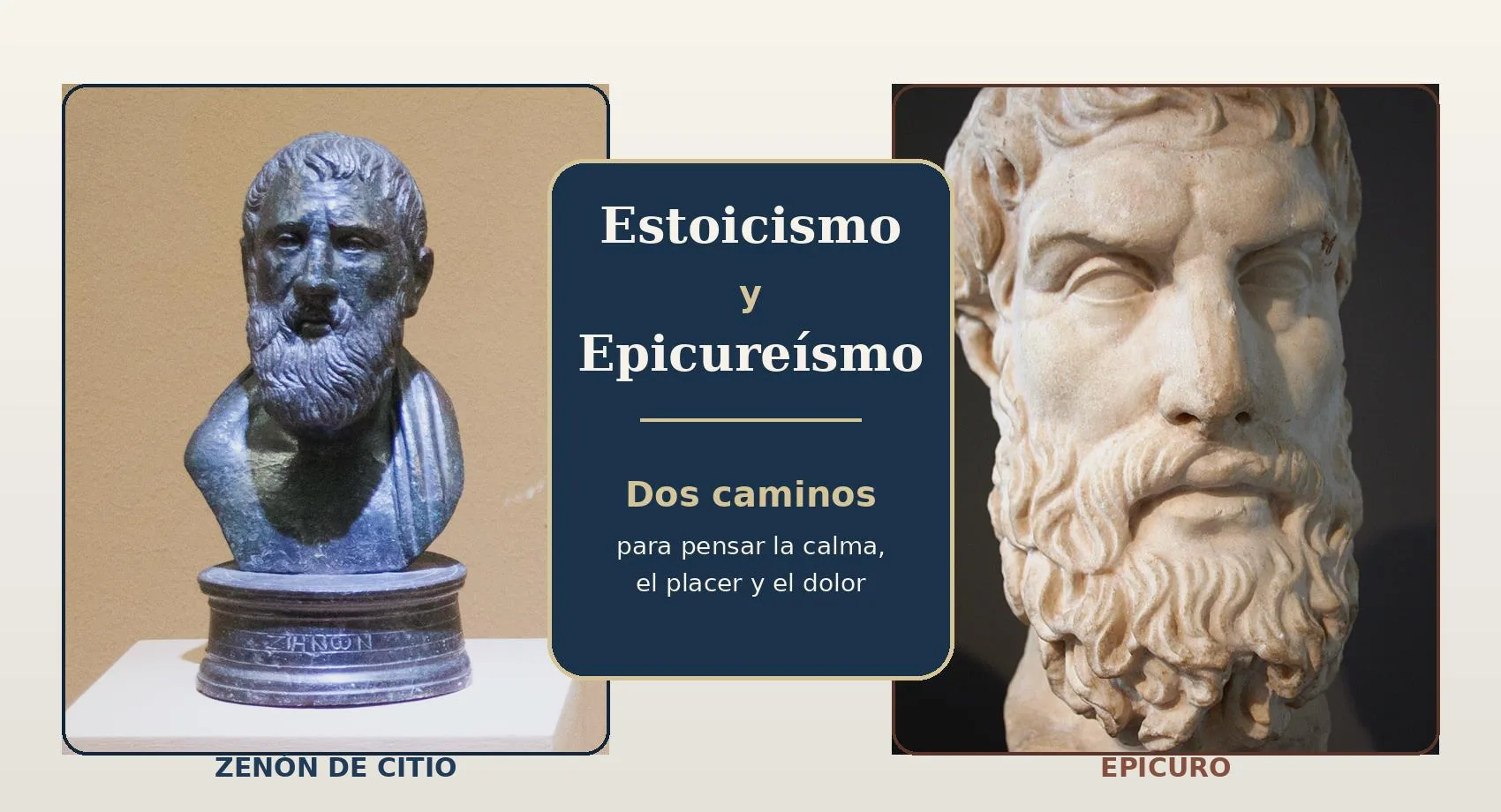
Guía de Filosofía para el 10° grado en el segundo trimestre, enfocada en el diálogo socrático y las escuelas helenísticas. Esta guía explora las enseñanzas de Sócrates, Platón y Aristóteles, así como el estoicismo y el epicureísmo. Incluye actividades semanales que fomentan el análisis crítico y la reflexión sobre la vida y la moral. Ideal para estudiantes que buscan profundizar en la filosofía y su aplicación en la vida cotidiana.

Key Points

  • Explores Socratic dialogue and its significance in philosophy
  • Covers teachings of Plato and Aristotle in depth
  • Includes weekly activities for critical analysis and reflection
  • Discusses Stoicism and Epicureanism as practical philosophies
Susi
28 pages
Language:Spanish
Type:Study Guide
Susi
28 pages
Language:Spanish
Type:Study Guide
Susi
28 pages
Language:Spanish
Type:Study Guide
100

Guía de Filosofía 10 – 2 Trimestre pdf

/ 28
COLEGIO COLOMBO INGLES
GUIA DE FILOSOFÍA II TRIMESTRE
10
Colegio Colombo Inglés
Asignatura: Filosofía Grado: 10°
UNIT 2
Del diálogo, la virtud y la búsqueda de una vida buena
Pensar no es repetir lo que todos dicen; pensar es atreverse a preguntar mejor.
Nombre del estudiante
Salón
Colegio Colombo Inglés · Filosofía 10° · Unit 2
Página 2
UNIT 2 · Del diálogo socrático a las escuelas helenísticas
En esta unidad vas a recorrer un momento decisivo de la historia del pensamiento occidental.
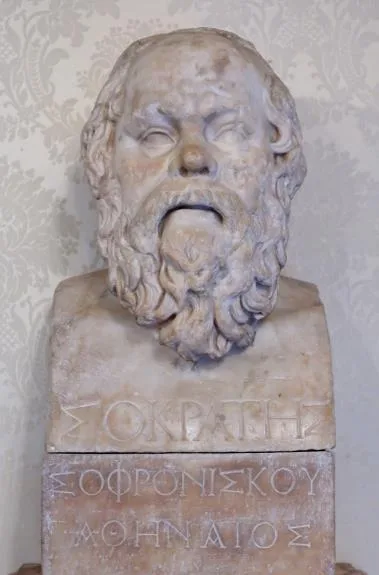
Comenzarás con Sócrates, el filósofo que convirtió la pregunta en una forma de examinar la vida;
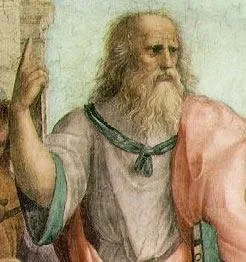
continuarás con Platón, quien imaginó que la realidad visible no agota todo lo que existe; seguirás con
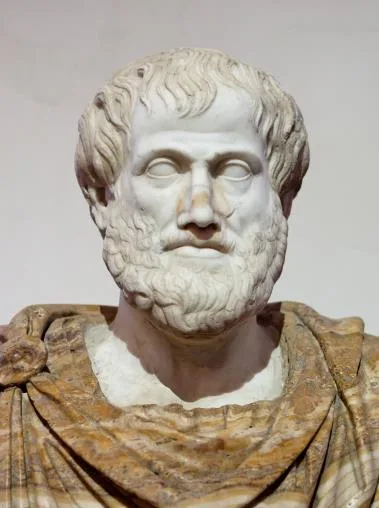
Aristóteles, que puso el acento en la observación, los hábitos y el equilibrio; y cerrarás con el estoicismo y
el epicureísmo, dos corrientes que intentaron responder a una pregunta que todavía nos acompaña:
¿cómo vivir con serenidad en medio de la incertidumbre?
La idea no es memorizar nombres o repetir definiciones. La idea es leer, pensar, preguntar, comparar y
argumentar. Por eso encontrarás explicaciones amplias, ejemplos concretos y actividades exigentes que te
invitan a tomar postura. La filosofía, en esta guía, aparece como una herramienta para entender mejor lo
que piensas, lo que sientes, lo que decides y la clase de persona que quieres llegar a ser.
Ruta de trabajo. La unidad está distribuida en 10 semanas: 3 para Sócrates, 3 para Platón, 2 para
Aristóteles y 2 para la filosofía helenística. Cada semana tiene una actividad principal, y cada clase combina
lectura, análisis y participación argumentada.
Tema
Actividad principal
Producto esperado
1
Sócrates
Lectura crítica y análisis escrito
Respuestas analíticas, tesis y
argumentos, falso/verdadero
justificado y texto de 2 páginas
2
Sócrates
Foro oral socrático
Intervención oral argumentada
sin apoyos
3
Sócrates
Diálogo mayéutico aplicado
Diálogo oral en parejas y bitácora
reflexiva
4
Platón
Lectura crítica sobre apariencias
y verdad
Análisis, cuadro comparativo y
ensayo de 2 páginas
5
Platón
Debate oral sobre justicia y
poder
Defensa oral de una postura sin
apoyos
6
Platón
Cartografía conceptual y diálogo
escrito
Tabla de ideas, relación con la
vida actual y diálogo filosófico
7
Aristóteles
Ética del justo medio
Comparación, falso/verdadero
justificado y texto de 1 página

Colegio Colombo Inglés · Filosofía 10° · Unit 2
Página 3
8
Aristóteles
Foro oral sobre hábitos y
felicidad
Participación oral sostenida con
argumentos
9
Helenismo
Comparación escrita entre
estoicismo y epicureísmo
Tabla comparativa, análisis y texto
de 1 página
10
Helenismo
Debate oral sobre calma y deseo
Postura oral argumentada y
respuesta a objeciones
Clase 1 · Sócrates
Lectura explicativa
Lee con atención, subraya las ideas que te ayuden
a comprender al autor y toma nota mental de los
ejemplos que conectan su pensamiento con
decisiones, conflictos y preguntas del presente.
Un filósofo del que se habla más de lo que se conserva
Sócrates es una de las figuras más conocidas de la filosofía, pero también una de las más difíciles de
reconstruir con total seguridad. Vivió en Atenas durante el siglo V a. C. y suele ser presentado como un
hombre que conversaba en plazas, gimnasios y calles con jóvenes, políticos, artesanos y ciudadanos
comunes. A diferencia de otros pensadores, no dejó libros escritos por su propia mano. Lo que hoy
sabemos de él viene, sobre todo, de sus discípulos y de quienes lo retrataron desde perspectivas distintas.
/ 28
End of Document
100

FAQs

What are the main themes explored in the Guía de Filosofía 10 - 2 Trimestre?
The main themes explored in the Guía de Filosofía 10 - 2 Trimestre include the transition from pre-Socratic to Socratic philosophy, the nature of virtue, and the quest for a good life. It delves into the philosophical contributions of Socrates, Plato, and Aristotle, emphasizing the importance of self-examination and moral integrity. Additionally, it addresses the Stoicism and Epicureanism schools, focusing on how they propose to live serenely amidst uncertainty.
How does Socratic dialogue contribute to philosophical inquiry?
Socratic dialogue is central to the philosophical inquiry presented in the guide. It emphasizes the importance of questioning and critical thinking as tools for examining life and understanding moral concepts. Socrates' method involves asking probing questions that reveal contradictions in thought, pushing individuals to clarify their beliefs and achieve a deeper understanding of justice, virtue, and truth.
What is the significance of the concept of the 'just mean' in Aristotle's ethics?
The concept of the 'just mean' in Aristotle's ethics is significant as it represents the balance between excess and deficiency in moral behavior. Aristotle argues that virtue is not merely about knowing what is good but about forming habits that lead to good actions. This idea encourages individuals to seek a prudent measure in their responses, ensuring that their actions are appropriate to the situation, thus fostering a well-rounded character.
What role does education play in Plato's philosophy according to the guide?
In Plato's philosophy, as outlined in the guide, education plays a crucial role in transforming the soul and guiding individuals toward truth. It is not merely about acquiring knowledge but involves a deeper understanding of the Forms or Ideas, which represent the true essence of concepts like justice and beauty. Education is depicted as a painful yet liberating process that helps individuals move beyond mere appearances to grasp deeper truths.
How do Stoicism and Epicureanism differ in their approach to happiness?
Stoicism and Epicureanism differ fundamentally in their approaches to happiness. Stoicism emphasizes achieving tranquility through virtue and rational acceptance of what is beyond one's control, advocating for emotional resilience. In contrast, Epicureanism focuses on attaining happiness through the pursuit of simple pleasures and the avoidance of unnecessary pain, promoting a balanced lifestyle that values friendship and moderation.
What is the 'Socratic problem' mentioned in the guide?
The 'Socratic problem' refers to the challenge of distinguishing the historical Socrates from the literary portrayals created by his students, particularly Plato. The guide highlights that while many historians agree on Socrates' existence, the difficulty lies in verifying which ideas and statements can be attributed directly to him, as they are often intertwined with the interpretations of his followers.
What activities are included in the unit on Socrates in the guide?
The unit on Socrates includes various activities designed to engage students in critical thinking and discussion. These activities range from written analyses and oral forums to dialogues that apply the Socratic method. Students are encouraged to explore themes such as justice and virtue through critical reading, analysis, and argumentation, fostering a deeper understanding of Socratic philosophy.