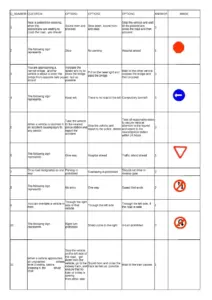
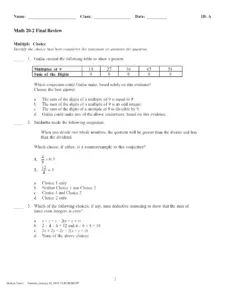
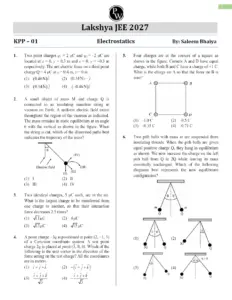
The G.C.E. (A/L) Physics Marking Scheme for 2024 outlines the evaluation criteria for physics examinations in Sri Lanka. It provides detailed marking guidelines for various physics topics, ensuring consistency and fairness in grading. This marking scheme is essential for examiners and educators involved in the assessment process. It includes specific criteria for different types of questions, including structured essays and problem-solving tasks. Designed for educators and examiners, this resource aids in understanding how to allocate marks effectively during evaluations.

Key Points

  • Outlines the marking criteria for G.C.E. (A/L) Physics exams in Sri Lanka
  • Includes detailed guidelines for structured essay questions and problem-solving tasks
  • Essential resource for educators and examiners in the assessment process
  • Ensures consistency and fairness in grading physics examinations
Lasini Jayasuriya
Author:Department of Examinations - Sri Lanka
47 pages
Language:English
Type:Answer Key
Lasini Jayasuriya
Author:Department of Examinations - Sri Lanka
47 pages
Language:English
Type:Answer Key
211
/ 47
https://t.me/englishmediumadvancelevel
/ 47
End of Document
211

FAQs

What topics are covered in the G.C.E. (A/L) Physics Marking Scheme?
The G.C.E. (A/L) Physics Marking Scheme covers a wide range of topics relevant to the physics curriculum in Sri Lanka. It includes guidelines for evaluating structured essay questions, practical assessments, and problem-solving tasks. Each section provides specific criteria for marking, ensuring that examiners can assess students' understanding of fundamental physics concepts accurately. Additionally, the scheme addresses common areas of difficulty for students, helping educators focus their teaching efforts.
How does the marking scheme ensure fairness in grading?
The marking scheme is designed to promote fairness by providing clear and detailed criteria for each type of question. By standardizing the evaluation process, it minimizes subjective judgment and ensures that all students are assessed based on the same standards. Examiners are guided on how to allocate marks for different responses, which helps maintain consistency across different examiners and examination sessions. This transparency in the marking process is crucial for maintaining the integrity of the examination system.
Who is the intended audience for the G.C.E. (A/L) Physics Marking Scheme?
The primary audience for the G.C.E. (A/L) Physics Marking Scheme includes educators, examiners, and academic institutions involved in the assessment of physics at the advanced level in Sri Lanka. It serves as a vital resource for teachers preparing students for the examination, as well as for examiners who need to understand the marking criteria. By providing a comprehensive framework for evaluation, the marking scheme supports educational standards and helps improve the quality of physics education.
What is the significance of the marking scheme for physics educators?
The marking scheme is significant for physics educators as it provides a structured approach to evaluating student performance. It helps teachers align their assessments with national standards, ensuring that they are preparing students adequately for the G.C.E. (A/L) examinations. Additionally, the scheme offers insights into common student misconceptions and areas where students may struggle, allowing educators to tailor their instruction accordingly. By using the marking scheme, teachers can enhance their assessment practices and contribute to improved student outcomes.