The Training Organisation Guide for TVET Certificate V in Electronics and Telecommunication outlines the pedagogical and resource organization for vocational training in electronics and telecommunications. This comprehensive guide details the qualifications, minimum entry requirements, and competencies necessary for trainers and students. It serves as a crucial resource for educational institutions and training organizations aiming to implement effective training programs. The guide includes information on material resources, safety protocols, and infrastructure requirements essential for delivering quality education in this field.

Key Points

  • Details the pedagogical organization for TVET Certificate V in Electronics and Telecommunication training.
  • Outlines minimum entry requirements and competencies for trainers and students.
  • Includes comprehensive information on material resources and safety protocols.
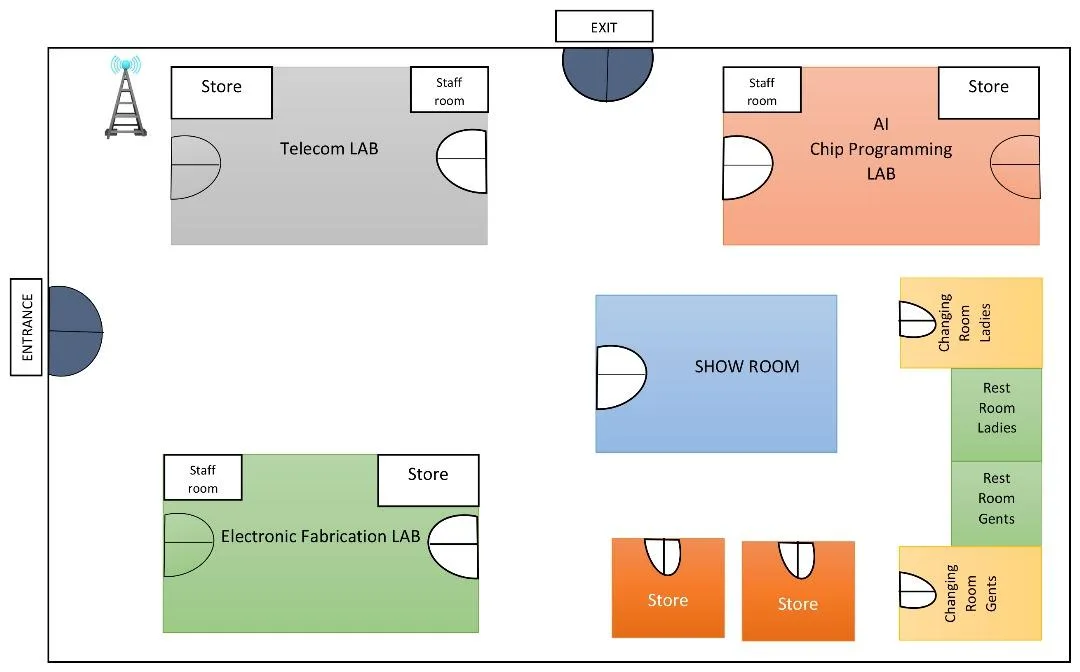
  • Provides guidelines for the infrastructure needed for effective training delivery.

Devy dacker nickson
Edition:April 2024
154 pages
Language:English
Type:Guide
Devy dacker nickson
Edition:April 2024
154 pages
Language:English
Type:Guide
84
/ 154
Page 1 of 154
Training Organisation Guide (ToG)
for
TVET CERTIFICATE V in Electronics and Telecommunication
April, 2024
Kigali- Rwanda
Email : inf[email protected].rw
Web site :www.rtb.gov.rw
P.O Box 4940 Kigali
Page 2 of 154
Table of contents
Part 1: Pedagogical organisation 3
1. Presentation of the training programme 3
1.1. The qualification 3
1.2. Minimum Entry requirements 3
2. The training programme 4
2.1 Information about competencies 4
3. Human resources 7
3.1. Trainers’ qualifications and competences (Trainers’ profile) 7
Part 2: Resources organisation 24
1. Material Resources 24
1.1. Category 1: Machines, Equipment and accessories 24
1.2. Category 2: Tools and instruments 85
1.3. Category 3: Safety and Security materials Error! Bookmark not defined.
1.4. Category 4: Consumables and raw materials 109
1.5. Audio-visual materials 146
1.6. Didactic materials 148
Page 3 of 154
1.7. Infrastructures Error! Bookmark not defined.
Infrastructure 151
Part 1: Pedagogical organisation
Presentation of the training programme
The qualification
This qualification prepares individuals to integrate the electronics and Telecommunication industry with the professionalization of Chef de
parties and outlet supervisor by ensuring safety, security and environmental regulations are respected.
Minimum Entry requirements
Minimum entry requirements
The minimum entry requirement to this course is to be mentally fit with an interest in Electronic and Telecommunication and related areas.
Pathways into the
qualification
Pathways from the
qualification
/ 154
End of Document
84

FAQs

what is the Training Organisation Guide for TVET Certificate V in Electronics and Telecommunication about

The Training Organisation Guide for TVET Certificate V in Electronics and Telecommunication outlines the framework for training in the electronics and telecommunication sector.

  • It includes details on the qualification, minimum entry requirements, and pathways for candidates.
  • The guide also covers the competencies required for various roles within the industry.
  • Additionally, it provides information on human resources, material resources, and safety regulations.

what are the key competencies in the Training Organisation Guide for TVET Certificate V in Electronics and Telecommunication

The key competencies in the Training Organisation Guide for TVET Certificate V in Electronics and Telecommunication include a range of skills necessary for success in the field.

  • Core competencies such as organizing business and applying ICT at the workplace.
  • Specific modules include producing smart devices and integrating AI into electronic devices.
  • The guide emphasizes professional ethics and multicultural communication as essential competencies.

what are the minimum entry requirements for the Training Organisation Guide for TVET Certificate V in Electronics and Telecommunication

The minimum entry requirements for the Training Organisation Guide for TVET Certificate V in Electronics and Telecommunication are designed to ensure candidates are prepared for the training.

  • Candidates should be mentally fit and have a genuine interest in electronics and telecommunication.
  • Preferred pathways include completion of a TVET certificate level IV in a related field.
  • Recognition of prior learning can also be considered for entry into the program.

how does the Training Organisation Guide for TVET Certificate V in Electronics and Telecommunication support career progression

The Training Organisation Guide for TVET Certificate V in Electronics and Telecommunication supports career progression by outlining clear pathways for advancement.

  • Candidates achieving this qualification can pursue advanced diplomas in various fields such as telecommunication engineering and information technology.
  • The guide emphasizes the importance of continuous learning and skill development within the industry.
  • It also highlights the competencies that enhance employability and career growth.

what resources are included in the Training Organisation Guide for TVET Certificate V in Electronics and Telecommunication

The Training Organisation Guide for TVET Certificate V in Electronics and Telecommunication includes a comprehensive list of resources necessary for effective training.

  • Material resources such as machines, tools, and safety materials are outlined.
  • Human resources, including trainers' qualifications and competencies, are also detailed.
  • The guide emphasizes the importance of both physical and educational resources in supporting the training process.

what are the pathways from the Training Organisation Guide for TVET Certificate V in Electronics and Telecommunication

The pathways from the Training Organisation Guide for TVET Certificate V in Electronics and Telecommunication provide clear options for further education and specialization.

  • Graduates can pursue advanced diplomas in fields such as electronics engineering, multimedia, and biomedical equipment.
  • These pathways are designed to enhance skills and knowledge in specialized areas of the industry.
  • The guide encourages learners to explore various career opportunities based on their interests and competencies.