

Engineering is the application of scientific, mathematical, and empirical principles to design, build, and maintain the structures, machines, processes, and systems that define modern civilization. At Chesser Resources, our engineering repository covers the diverse spectrum of technical fields—from the chemical processes driving industrial production to the intricate structural mechanics of civil infrastructure and the semiconductor physics underpinning electrical systems. We provide students and practitioners with a robust library of university lecture notes, professional site visit reports, and specialized research papers to support both academic advancement and practical project implementation.
The discipline is broadly categorized into major branches, each with distinct focus areas:
Chemical Engineering: Focuses on the conversion of raw materials into high-value products through chemical, physical, and biological processes.
Civil Engineering: Dedicated to the design and construction of infrastructure, including structural systems, highway pavements, and geotechnical stability.
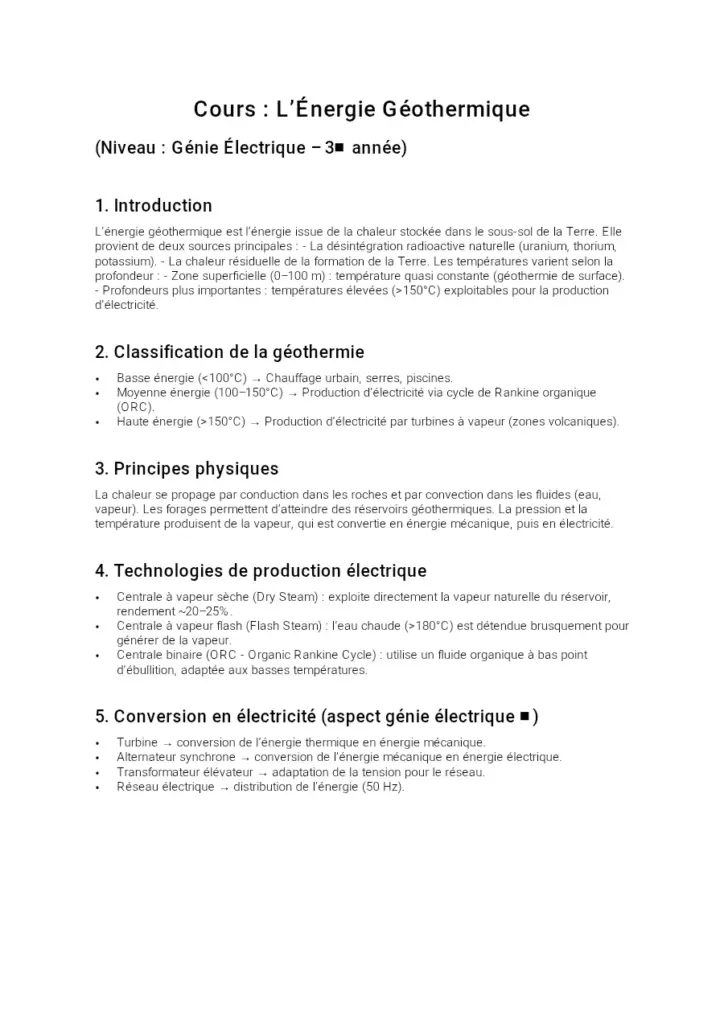
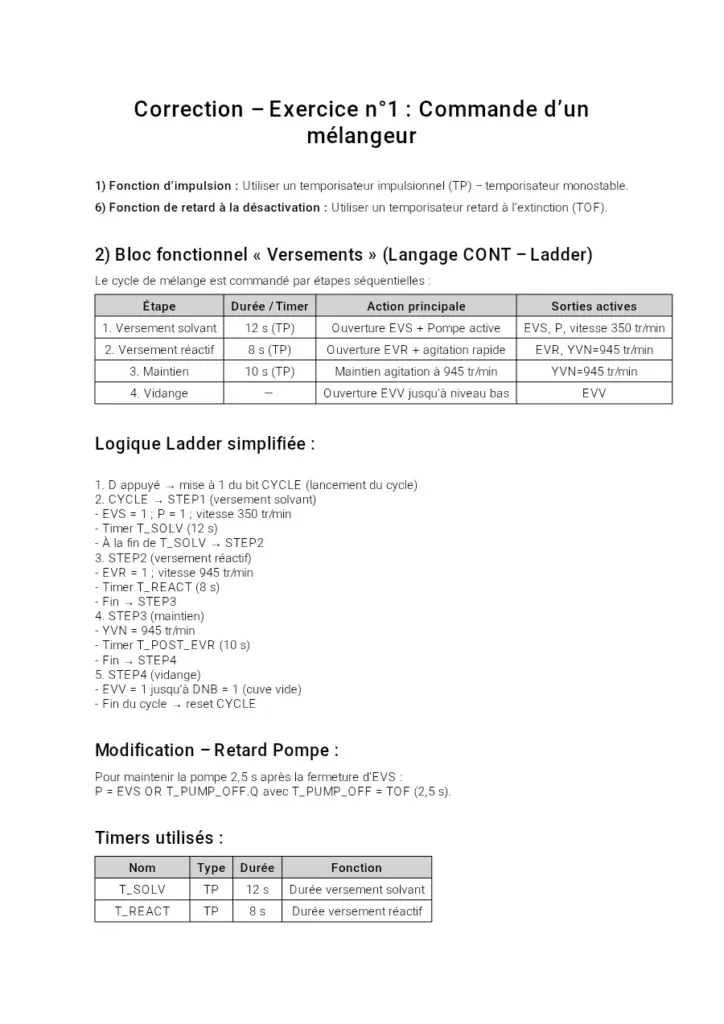
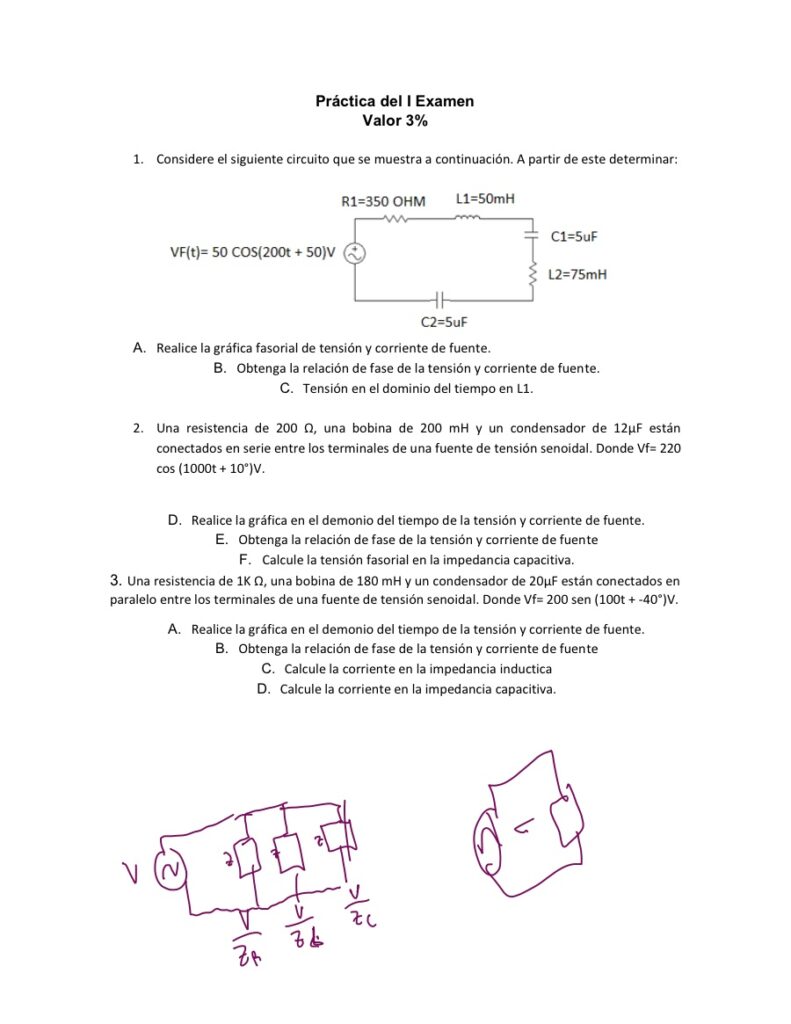
Computer & Electrical Engineering: Governs the architecture of hardware, electronic circuits, and the logical systems that automate industrial processes.
Mechanical Engineering: Involves the mechanics of materials, machine design, and the thermal-fluid dynamics that drive physical systems.
To view how the expansive domain of engineering categorizes its academic disciplines and technical subfields, review the following taxonomy:
Parent Category: Engineering
Discipline Branches:
Sub-Specialties & Document Classes:
Petroleum & Production Systems (Reservoir Engineering, Subsurface Production)
Geotechnical & Materials Science (Bamboo Reinforcement, Soft Clay Bearing Capacity, Jute Geotextiles)
Structural Engineering (Steel Design, Composite Construction, Foundations)
Electronics (Device Physics, Circuit Design)
Field Practice (Site Visit Reports, Feasibility Studies, Technical Specifications)
| Document Title | Discipline | Primary Focus Area |
| Petroleum Reservoir Engineering – Chapter 5 | Petroleum/Chemical | Fundamental Reservoir Concepts |
| Subsurface and Surface Production Systems – Ch 4 | Petroleum/Chemical | Production Infrastructure |
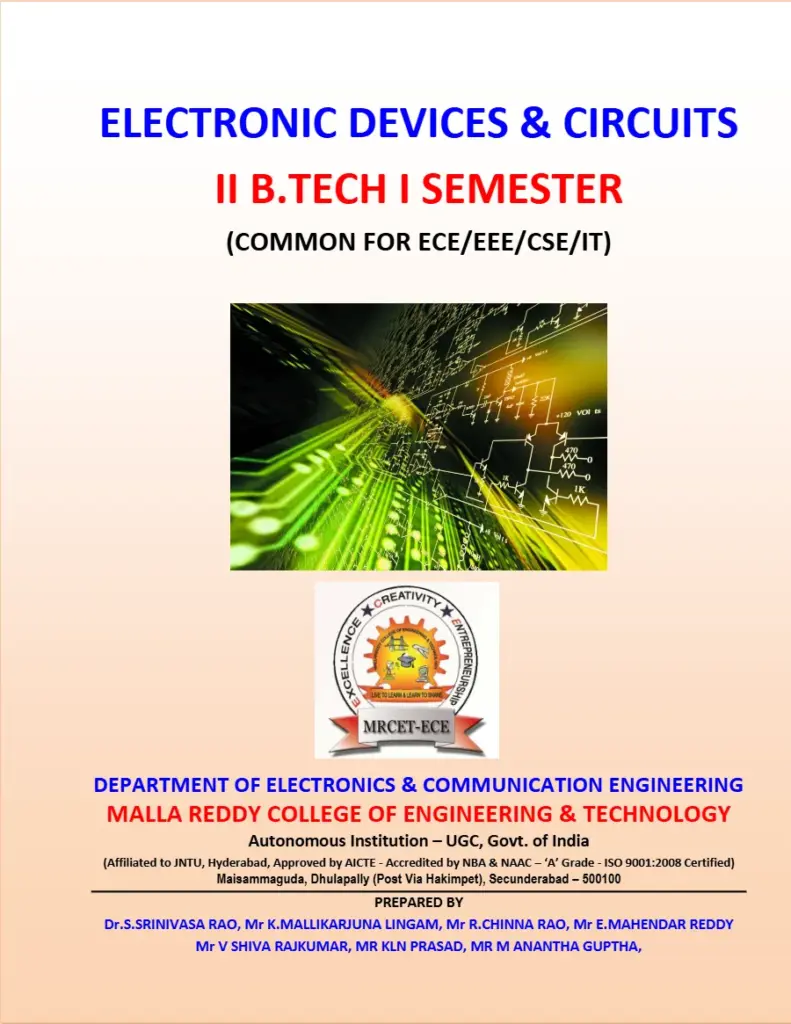
| Electronic Devices and Circuits – II | Electrical | Semiconductor Physics & Circuit Analysis |
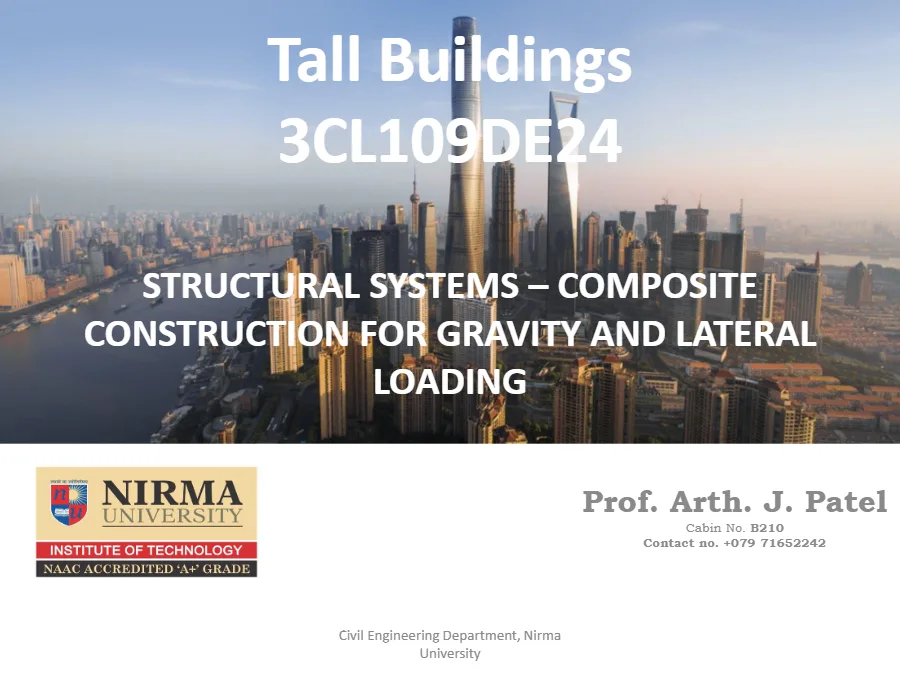
| Structural Systems Composite Construction | Civil | Gravity and Lateral Loading |
| Tunnel Boring Machines in Metro Construction | Civil | Large-scale Infrastructure |
| Feasibility Study on Bamboo Grid vs. Geogrid | Geotechnical | Sustainable Reinforcement |
| Bearing Capacity of Soft Clay | Geotechnical | Soil Reinforcement Methods |
| Site Visit Report: Smith India Pvt. Ltd. | Civil/Structural | Steel Structure Design |
Chesser Resources is a free online study-and-research library at chesserresources.com. It holds 300,000+ documents — books, textbooks, past papers, lecture notes, study guides, research papers and much more — across exams, the sciences, math, literature, the humanities and beyond. Everything is readable in the browser with no account, alongside free AI summaries, an Ask-AI chatbot, highlights, notes and read-aloud audio. Instead of a subscription, downloads are unlocked by contributing back to the community, so the library stays genuinely free.
Geotechnical engineers analyze the mechanical properties of soil to ensure structural stability. When traditional materials like Geogrid are expensive or unavailable, research into alternative materials—such as woven bamboo grids or jute geotextiles—is conducted to assess their tensile strength, shear resistance, and interface reinforcement effect in embankments and subgrades.
Site visit reports bridge the gap between theoretical design and construction reality. They document the application of structural principles (e.g., steel framework assembly or precast yard operations), identify potential deviations from original design specifications, and provide students with real-world case studies for understanding construction challenges like metro tunneling or foundation work.
Subsurface production systems involve the drilling, completion, and lift mechanisms that move hydrocarbons from the reservoir to the wellhead (e.g., pumps, gas lift). Surface production systems encompass the processing, separation, and transport infrastructure required to handle the produced fluids (e.g., separators, pipelines, storage tanks) once they reach the surface.
Composite construction utilizes the combined properties of different materials (usually steel and concrete) to leverage steel’s high tensile strength and concrete’s high compressive strength. For lateral loading (such as wind or seismic forces), composite members like shear walls or moment-resisting frames act as a unified system, providing increased stiffness and energy dissipation capacity compared to non-composite members.
Soft clay presents significant engineering challenges due to its high compressibility and low shear strength. Analyzing bearing capacity involves assessing the load-bearing limits through penetration tests and laboratory analysis. Reinforcement techniques—such as geotextiles or woven bamboo mats—are deployed to distribute surface loads across a wider soil area, reducing settlement and increasing the ultimate load capacity of the foundation.
Would you like me to generate a detailed technical brief on any of these specific civil, chemical, or electrical engineering resources?