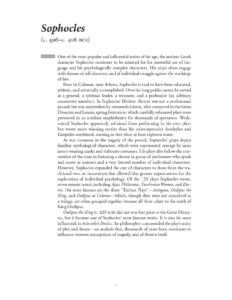
Aristotle's Traits of a Tragic Hero explores the essential characteristics that define a tragic hero in literature. It outlines key concepts such as hubris, hamartia, and anagnorisis, which contribute to the hero's downfall and the resulting catharsis for the audience. This analysis is ideal for students studying classical literature, drama, or philosophy, providing insights into the structure of tragedy and its emotional impact. The document serves as a guide for understanding how these traits manifest in various literary works, enriching the reader's comprehension of tragic narratives.
Key Points
Defines the concept of a tragic hero according to Aristotle
Explains the significance of hamartia in a tragic hero's downfall
Discusses the role of hubris in classical tragedies
Analyzes the process of anagnorisis and its impact on character development
This link leads to an external site. We do not know or endorse its content, and are not responsible for its safety. Click the link to proceed only if you trust this site.
Corporate Analysis and Valuation Unit 2 Study NotesStudy Guide
PDFStudy Guide
Corporate Analysis and Valuation Study Notes Semester 4Study Guide
PDFBook
Corporate Analysis and Valuation 1st Edition 2024Book
PDFResearch Paper
Phonomotor Versus Semantic Feature Analysis TreatmentResearch Paper
PDFStudy Guide
Experimental Uncertainty and Data Analysis by Wilson J.D. Hall C.A.H.Study Guide
PDFBook
The Lost Hero by Rick Riordan (2)Book
PDF
Side Eye Meme Compilation and Analysis
PDF
The Lost Hero by Rick Riordan
PDF
Screen Time Analysis Among Students: Mini Summative Report
FAQs
What are the main characteristics of a tragic hero?
A tragic hero typically possesses noble qualities and high standing, which makes their downfall more impactful. Key characteristics include hubris, or excessive pride, and hamartia, a tragic flaw that leads to their demise. The hero's journey often involves peripeteia, a reversal of fortune, and anagnorisis, a moment of self-awareness. These elements create a narrative that evokes pity and fear, culminating in catharsis for the audience.
How does hubris affect a tragic hero's fate?
Hubris, or excessive pride, is a critical trait that often leads to a tragic hero's downfall. It blinds the hero to their limitations and the consequences of their actions, ultimately resulting in their tragic fate. This excessive confidence can provoke the wrath of the gods or fate, leading to a reversal of fortune. The exploration of hubris in literature serves as a cautionary tale about the dangers of overestimating one's abilities.
What is hamartia and how does it contribute to tragedy?
Hamartia refers to the tragic flaw or error in judgment that leads to the hero's downfall. This flaw is often a result of the hero's character traits, such as pride or ambition, which can cloud their judgment. As the story unfolds, the hero's recognition of their hamartia often comes too late to prevent their tragic fate. This concept highlights the complexity of human nature and the inevitability of suffering in the pursuit of greatness.
What role does anagnorisis play in a tragedy?
Anagnorisis is the moment of revelation or recognition that a tragic hero experiences, leading to increased self-awareness. This critical turning point often occurs after the hero realizes the consequences of their actions and the true nature of their situation. It serves to deepen the emotional impact of the tragedy, as the audience witnesses the hero's internal struggle and ultimate acceptance of their fate. Anagnorisis is essential for the cathartic experience, allowing the audience to empathize with the hero's plight.
How does the concept of catharsis relate to tragic heroes?
Catharsis is the emotional release experienced by the audience as they witness the tragic events unfold. In the context of tragic heroes, catharsis occurs as viewers feel pity and fear for the hero's plight, ultimately leading to a sense of relief and exhilaration by the end of the narrative. This emotional purging is crucial for the impact of tragedy, as it allows the audience to confront their own vulnerabilities and the human condition. The tragic hero's journey evokes a profound connection, making the experience of tragedy both impactful and transformative.
Related
PDF
Educated by Tara Westover LitChart Analysis
PDF
Number the Stars Analysis by Lois Lowry
PDF
Homegoing by Yaa Gyasi – Esichapter Analysis
PDF
The Parable of the Sower Mark 4:1-21 Analysis
PDF
The Parable of the Sower Matthew 13:1-23 Analysis
PDF
The Metamorphosis by Franz Kafka Analysis and Themes