An Introduction to Analytical Chemistry, 8th Edition, provides a comprehensive overview of analytical chemistry principles and techniques. Authored by Louis Ramaley, Peter Wentzell, Alan Doucette, and Robert Guy, this edition covers essential topics such as titration methods, acid-base equilibria, and instrumental analysis. Ideal for undergraduate chemistry students, it includes detailed explanations, illustrations, and practical applications. The text also features numerous examples and exercises to reinforce learning and prepare students for laboratory work.

Key Points

  • Covers fundamental concepts of analytical chemistry including titration and equilibrium.
  • Includes detailed discussions on instrumental techniques used in chemical analysis.
  • Provides numerous examples and exercises for practical understanding.
  • Explains acid-base chemistry and its applications in analytical methods.
Hameedah
Author:Louis Ramaley, Peter Wentzell, Alan Doucette, Robert Guy
Edition:8th Edition
486 pages
Language:English
Type:Textbook
Hameedah
Author:Louis Ramaley, Peter Wentzell, Alan Doucette, Robert Guy
Edition:8th Edition
486 pages
Language:English
Type:Textbook
262
/ 486
AN INTRODUCTION TO
AN ALY TICAL CHEMISTRY
E D I T I O N 8 . 1
11
Na
Sodium
22.989770±2
3
Li
Lithium
6.941±2
6
C
Carbon
12.0107±8
5
B
Boron
10.811±7
7
N
Nitrogen
14.00674±7
8
O
Oxygen
15.9994±3
9
F
Fluorine
18.9984032±5
10
Ne
Neon
20.1797±6
14
Si
Silicon
28.0855±3
13
Al
Aluminum
26.981538±2
15
P
Phosphorus
30.973762±4
16
S
Sulfur
32.066±6
17
Cl
Chlorine
35.4527±9
18
Ar
Argon
39.948±1
2
He
Helium
4.002602±2
1
H
Hydrogen
1.00794±7
4
Be
Beryllium
9.012182±3
12
Mg
Magnesium
24.3050±6
32
Ge
Germanium
72.61±2
31
Ga
Gallium
69.723±1
33
As
Arsenic
74.92160±2
34
Se
Selenium
78.96±3
35
Br
Bromine
79.904±1
36
Kr
Krypton
83.80±1
50
Sn
Tin
118.710±7
49
In
Indium
114.818±3
51
Sb
Antimony
121.760±1
52
Te
Tellurium
127.60±3
53
I
Iodine
126.90447±3
54
Xe
Xenon
131.29±2
44
Ru
Ruthenium
101.07±2
43
Technetium
(98)
45
Rh
Rhodium
102.90550±2
46
Pd
Palladium
106.42±1
47
Ag
Silver
107.8682±2
48
Cd
Cadmium
112.411±8
38
Sr
Strontium
87.62±1
37
Rb
Rubidium
85.4678±3
39
Y
Yttrium
88.90585±2
40
Zr
Zirconium
91.224±2
41
Nb
Niobium
92.90638±2
42
Mo
Molybdenum
95.94±1
55
Cs
Cesium
132.90545±2
86
Radon
(222)
118
Ununoctium
(?)
87
Francium
(223)
19
K
Potassium
39.0983±1
26
Fe
Iron
55.845±2
25
Mn
Manganese
54.938049±9
27
Co
Cobalt
58.933200±9
28
Ni
Nickel
58.6934±2
29
Cu
Copper
63.546±3
30
Zn
Zinc
65.39±2
20
Ca
Calcium
40.078±4
21
Sc
Scandium
44.955910±8
22
Ti
Titanium
47.867±1
23
V
Vanadium
50.9415±1
24
Cr
Chromium
51.9961±6
82
Pb
Lead
207.2±1
81
Tl
Thallium
204.3833±2
83
Bi
Bismuth
208.98038±2
84
Polonium
(209)
85
Astatine
(210)
76
Os
Osmium
190.23±3
75
Re
Rhenium
186.207±1
77
Ir
Iridium
192.217±3
78
Pt
Platinum
195.078±2
79
Au
Gold
196.96655±2
80
Hg
Mercury
200.59±2
56
Ba
Barium
137.327±7
57
La
Lanthanum
138.9055±2
72
Hf
Hafnium
178.49±2
73
Ta
Tantalum
180.9479±1
74
W
Tungsten
183.84±1
114
Ununquadium
(285)
113
Ununtrium
(?)
115
Ununpentium
(?)
116
Ununhexium
(289)
117
Ununheptium
(?)
108
Hassium
(277)
107
Bohrium
(264)
109
Meitnerium
(268)
110
Darmstadtium
(271)
111
Roentgenium
(272)
112
Copernicium
(277)
88
Radium
(226)
89
Actinium
(227)
104
Rutherfordium
(261)
105
Dubnium
(262)
106
Seaborgium
(266)
69
Tm
Thulium
168.93421±2
68
Er
Erbium
167.26±3
70
Yb
Ytterbium
173.04±3
71
Lu
Lutetium
174.967±1
63
Eu
Europium
151.964±1
62
Sm
Samarium
150.36±3
64
Gd
Gadolinium
157.25±3
65
Tb
Terbium
158.92534±2
66
Dy
Dysprosium
162.50±3
67
Ho
Holmium
164.93032±2
58
Ce
Cerium
140.116±1
59
Pr
Praseodymium
140.90765±2
60
Nd
Neodymium
144.24±3
61
Promethium
(145)
101
Mendelevium
(258)
100
Fermium
(257)
102
Nobelium
(259)
103
Lawrencium
(262)
95
Americium
(243)
94
Plutonium
(244)
96
Curium
(247)
97
Berkelium
(247)
98
Californium
(251)
99
Einsteinium
(252)
90
Th
Thorium
232.0381±1
91
Pa
Protactinium
231.03588±2
92
U
Uranium
238.0289±1
93
Neptunium
(237)
PERIODIC TABLE
OF THE ELEMENTS
Standard atomic weights from:
Pure and Applied Chemistry 68, 2339-2359
Atomic weight uncertainty is in last digit listed
e.g. 65.39 ± 2 (Zinc) means 65.39 ± 0.02
Elements with no stable nuclides list mass
number of longest lived isotope of the element
Th, Pa & U are also unstable; a known
terrestrial isotopic composition permits listing
of atomic mass
An Introduction to
Analytical Chemistry
(Edition 8.1)
A Textbook for Chemistry 2201
Authors: Louis Ramaley
Peter Wentzell
Alan Doucette
Robert Guy
With illustrations by Jessica Nickerson
Department of Chemistry,
Dalhousie University,
Halifax, Nova Scotia
© L. Ramaley, P.Wentzell, A. Doucette, R. Guy 2021
/ 486
End of Document
262

FAQs

what is an introduction to analytical chemistry 8th edition about

An Introduction to Analytical Chemistry 8th Edition provides a comprehensive overview of analytical chemistry, covering fundamental concepts, techniques, and applications.

  • It includes historical perspectives and classifications of analytical methods.
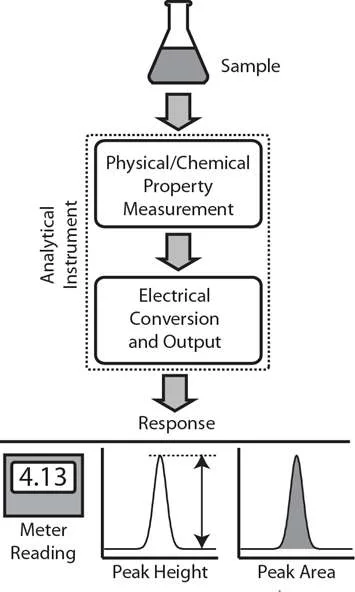
  • The textbook discusses statistical treatment of data, measurement errors, and the normal distribution.
  • It also covers instrumental methods, ionic equilibria, and acid-base chemistry.

what are the key topics in an introduction to analytical chemistry 8th edition

The key topics in An Introduction to Analytical Chemistry 8th Edition include various essential concepts in the field of analytical chemistry.

  • Statistical Treatment of Data: Measurement errors and statistical parameters.
  • Volumetric Calculations: Mass-based and mole-based concentration units.
  • Instrumental Methods: Sensitivity, selectivity, and detection limits.
  • Ionic Equilibria: Chemical equilibria and equilibrium calculations.

how to perform volumetric calculations in analytical chemistry

Volumetric calculations in analytical chemistry are essential for determining concentrations and preparing solutions.

  • Mass-Based Concentration: Calculate using mass of solute and volume of solution.
  • Mole-Based Concentration: Use moles of solute divided by volume of solution in liters.
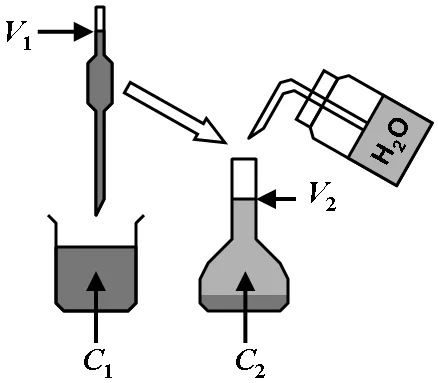
  • Dilution Calculations: Use the formula C1V1 = C2V2 to find the concentration after dilution.
  • Titration Calculations: Relate the volume of titrant used to the concentration of the analyte.

what are the statistical tests used in analytical chemistry

Statistical tests in analytical chemistry are crucial for validating experimental results and ensuring accuracy.

  • Tests for Outliers: Identify and assess data points that deviate significantly from the rest.
  • Comparing Means: Use t-tests or ANOVA to compare means between different groups.
  • Confidence Intervals: Estimate the range within which a population parameter lies.
  • Normal Distribution: Assess data distribution and apply relevant statistical methods accordingly.

what is the significance of ionic equilibria in analytical chemistry

Ionic equilibria play a significant role in analytical chemistry, particularly in understanding the behavior of ions in solutions.

  • Chemical Equilibria: Study of the balance between reactants and products in reversible reactions.
  • Equilibrium Calculations: Important for determining solubility and complex ion formation.
  • Applications: Used in titrations and buffer solutions to maintain pH levels.
  • Impact on Analysis: Understanding ionic interactions is crucial for accurate analytical measurements.

what are the main methods of instrumental analysis in analytical chemistry

The main methods of instrumental analysis in analytical chemistry are diverse and cater to various analytical needs.
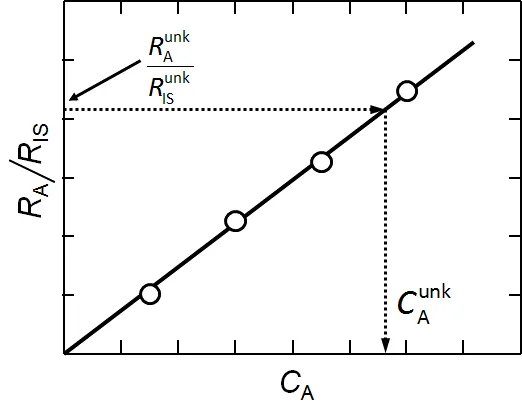
  • Chromatography: Separates components based on their movement through a stationary phase.
  • Spectroscopy: Analyzes material based on interaction with electromagnetic radiation.
  • Mass Spectrometry: Identifies compounds by measuring mass-to-charge ratios.
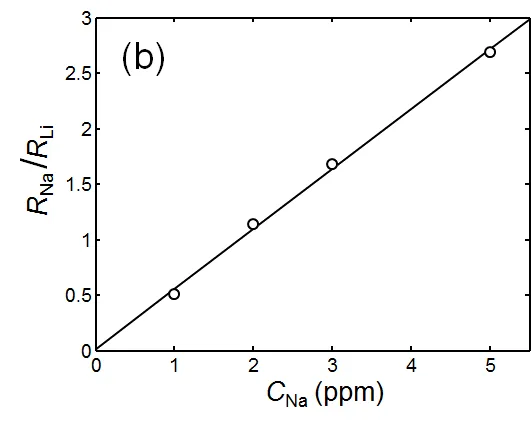
  • Electrochemical Analysis: Measures the electrical properties of solutions to determine concentrations.
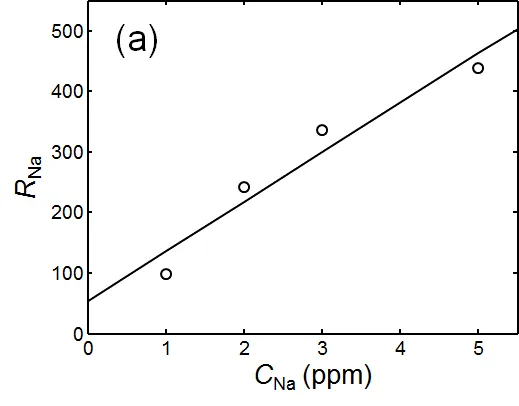
how does statistical treatment of data improve analytical chemistry results

Statistical treatment of data enhances the reliability and validity of results in analytical chemistry.

  • Error Analysis: Identifies and quantifies measurement errors to improve accuracy.
  • Data Interpretation: Helps in understanding variability and significance of results.
  • Confidence Levels: Provides a measure of certainty in experimental findings.
  • Quality Control: Ensures consistency and reliability in analytical procedures.

what are the common errors in analytical chemistry measurements

Common errors in analytical chemistry measurements can significantly affect the accuracy of results.

  • Systematic Errors: Consistent inaccuracies due to calibration issues or instrument malfunctions.
  • Random Errors: Variability in measurements due to unpredictable factors.
  • Human Errors: Mistakes made during sample preparation or data recording.
  • Environmental Factors: Changes in temperature, humidity, or pressure affecting measurements.

what is the role of calibration in analytical chemistry

Calibration is a critical process in analytical chemistry that ensures the accuracy of measurements.

  • Standardization: Involves comparing instrument responses against known standards.
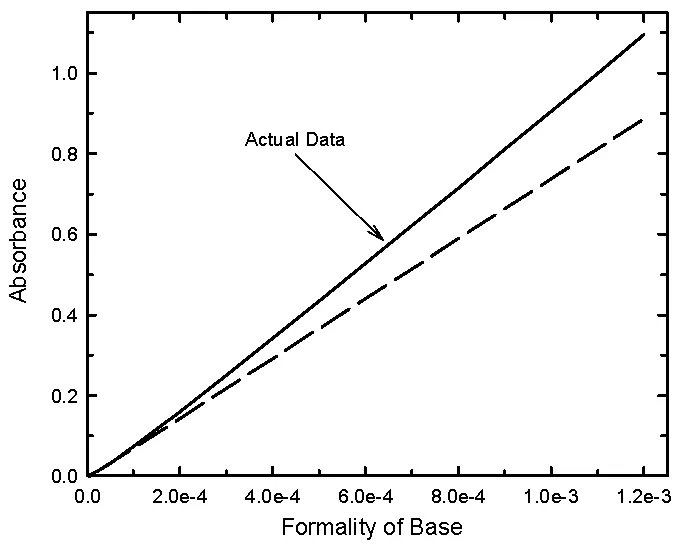
  • Accuracy Improvement: Helps to correct systematic errors and improve measurement reliability.
  • Regular Calibration: Essential for maintaining instrument performance over time.
  • Method Validation: Ensures that analytical methods yield reliable and reproducible results.
what are the key principles of acid-base chemistry in analytical chemistry

The key principles of acid-base chemistry in analytical chemistry are foundational for various analytical techniques.
  • Definitions: Understand the Arrhenius, Brønsted-Lowry, and Lewis definitions of acids and bases.
  • pH Measurement: Critical for determining the acidity or basicity of solutions.
  • Buffer Solutions: Maintain stable pH levels during reactions.
  • Titration Techniques: Used to determine concentrations of unknown solutions through neutralization reactions.