Introduction to Information Technology – Unit 1: Introduction To Computer
Unit 1: Introduction To Computer explores the foundational concepts of information technology, including the characteristics, classifications, and historical development of computers. This unit outlines the differences between digital and analog computers and discusses the evolution of computing technology through various generations. It highlights the significance of computers in business, education, and everyday life, emphasizing their role in data management and decision-making. Prepared by Manila Tiwari, this unit serves as an essential resource for students and professionals seeking to understand the basics of computer systems and their applications.
Key Points
Explains the characteristics and classifications of computers
Covers the history and generations of computing technology
Discusses the role of computers in business operations and data management
Introduces digital and analog computers with practical examples
This link leads to an external site. We do not know or endorse its content, and are not responsible for its safety. Click the link to proceed only if you trust this site.
Economic Environment in India – Unit 6: An Introduction to NITI AayogTextbook
PDFTextbook
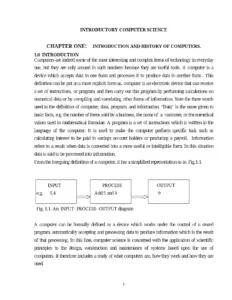
Introductory Computer Science – Chapter One: Introduction and History of ComputersTextbook
PDF
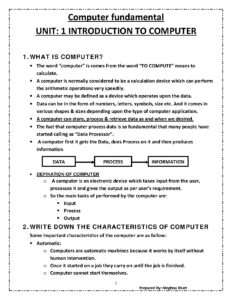
Introduction to Computer Fundamentals Unit 1
PDFLecture Notes
Data Communication and Computer Networks – Unit 5.1Lecture Notes
PDFTextbook
An Introduction to Analytical Chemistry 8th EditionTextbook
PDFTextbook
Introduction to Petroleum Industry – Chapter 1Textbook
PDFTextbook
Introduction to Prose FictionTextbook
PDFTextbook
Applied Mechanics – Introduction to Mechanics and DynamicsTextbook
PDFTextbook
Introduction to Accounting by Dr. Rakesh Kumar SharmaTextbook
PDFTextbook
RAD 381 Introduction to Radiography and AnatomyTextbook
PDF
Introduction To Computer Science WEB
PDFPractice Test
100 Multiple Choice Questions on Emerging Trends in Computer Engineering and Information TechnologyPractice Test
FAQs
What are the main characteristics of computers?
The main characteristics of computers include speed, accuracy, diligence, storage capability, and versatility. Computers can process data at incredibly high speeds, performing millions of instructions per second. They maintain a high degree of accuracy, provided the input is correct, and can perform long and complex calculations without fatigue. Additionally, computers have substantial storage capabilities, allowing them to store large volumes of data and retrieve it efficiently. Their versatility enables them to perform various tasks simultaneously, making them suitable for a wide range of applications.
What are the functions of a computer?
The functions of a computer include inputting, processing, outputting, storing, and controlling. Inputting refers to entering data into the computer system using input devices. Processing involves performing mathematical and logical operations on the input data. Outputting is the process of delivering the processed information through output devices like monitors. Storing allows computers to save data and programs permanently, making them retrievable when needed. Lastly, controlling involves the CPU managing all input and output devices, application programs, and memory units.
How are computers classified based on their work?
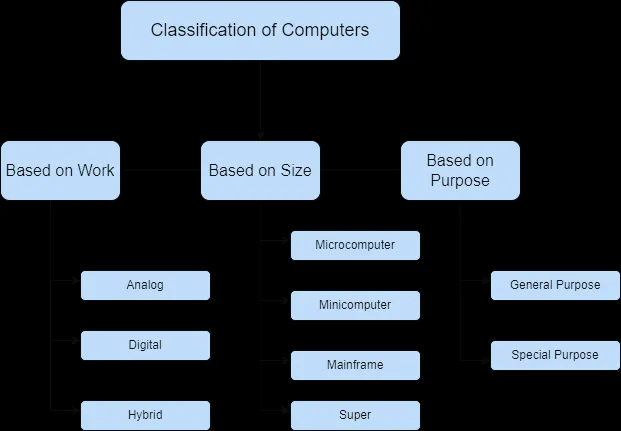
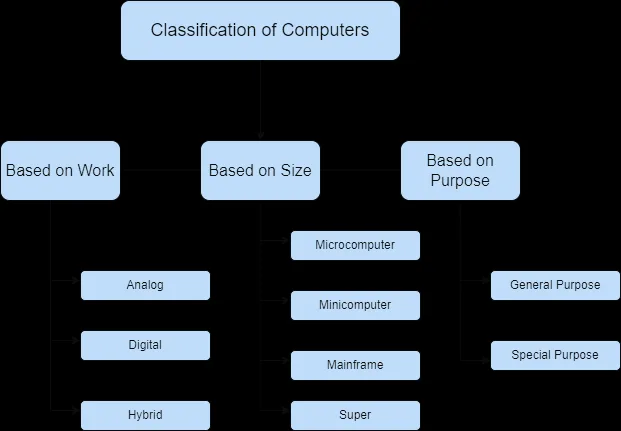
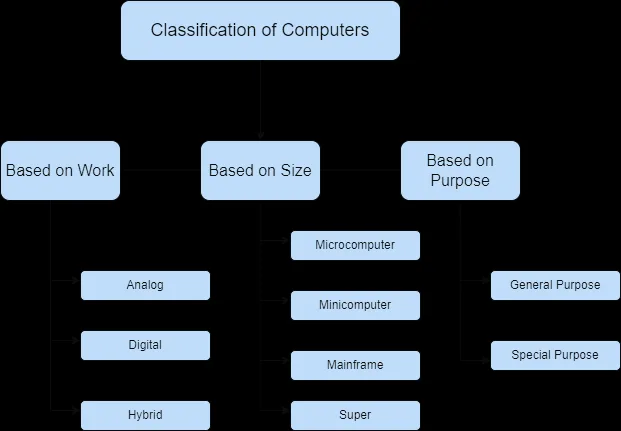
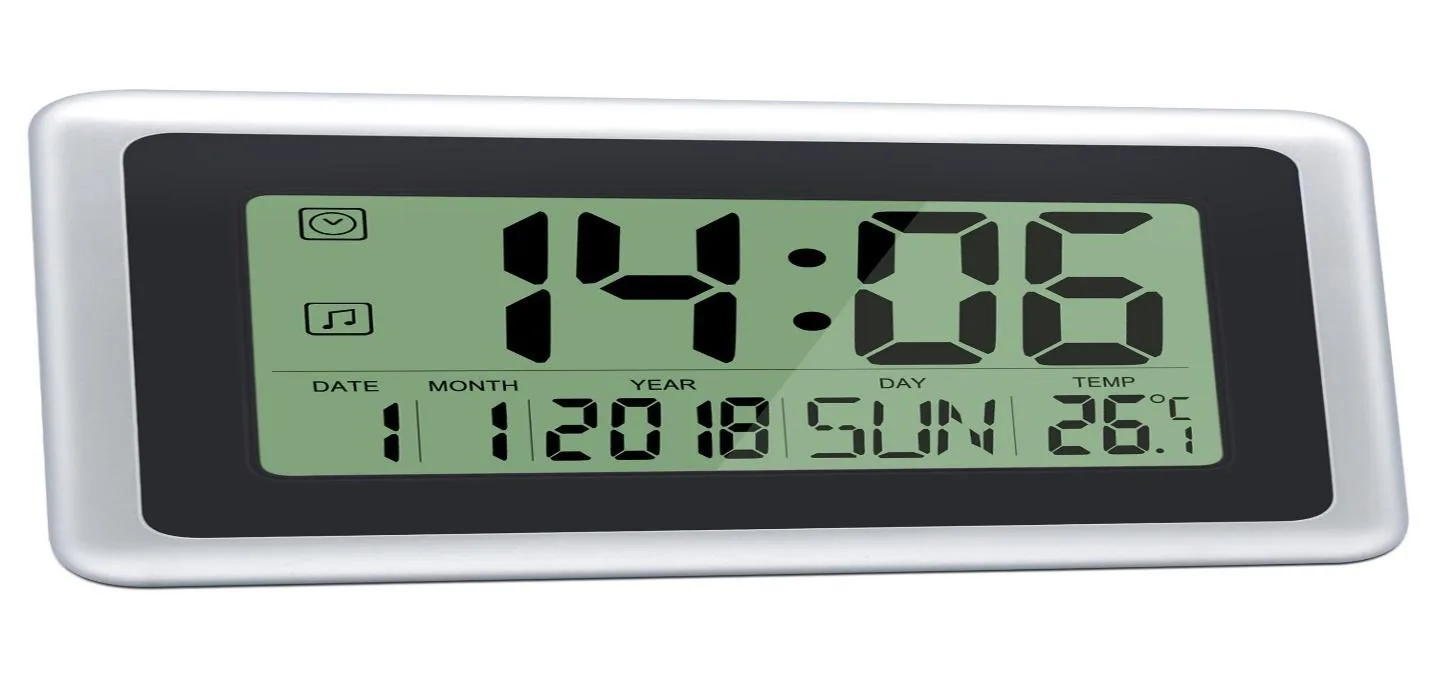
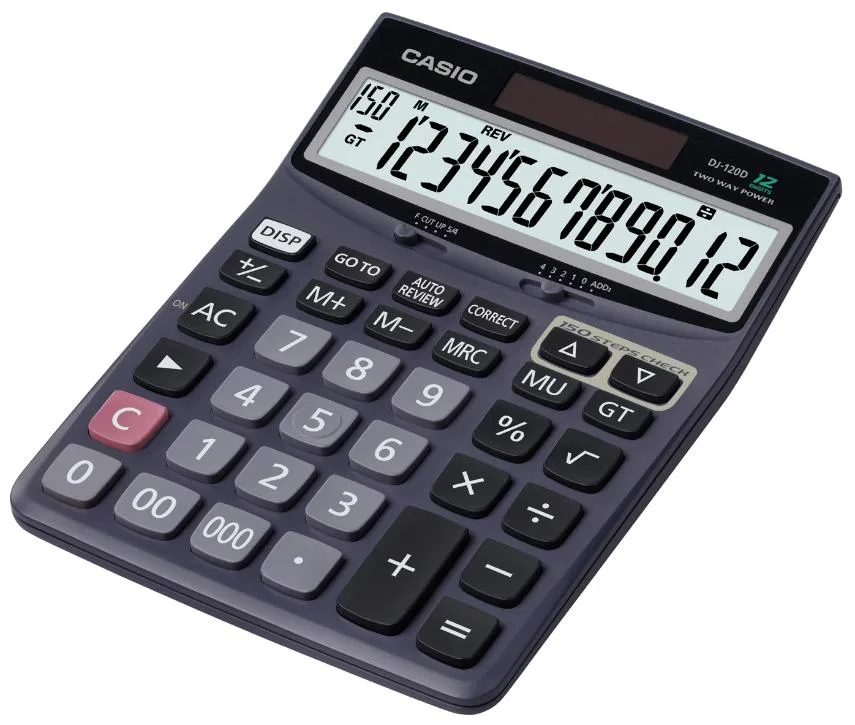
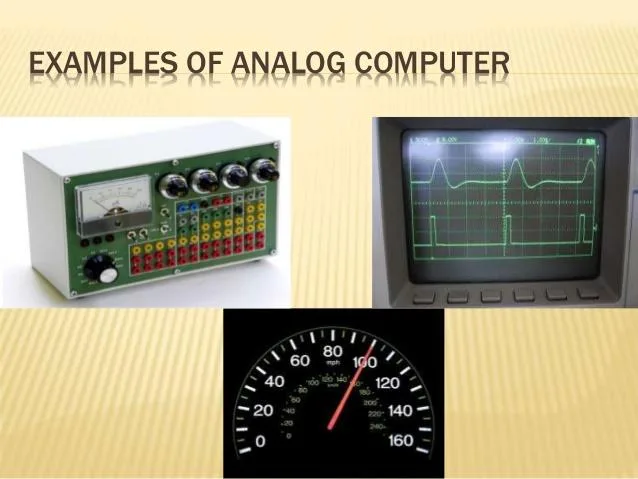
Computers are classified based on their work into digital, analog, and hybrid computers. Digital computers utilize discrete values to represent data, processing information using binary digits (0s and 1s). They are commonly used in homes and offices due to their speed and accuracy. Analog computers, on the other hand, measure physical magnitudes like voltage and temperature, and are used for real-time applications. Hybrid computers combine features of both digital and analog computers, allowing them to solve complex mathematical problems while performing calculations with discrete quantities.
What is the significance of the input-process-output concept in computers?
The input-process-output concept is crucial in understanding how computers function. It describes the flow of data within a computer system, where data is first accepted as input via input devices. This data is then processed according to specific instructions, resulting in output information. The output can take various forms, such as text, sound, or images, and is displayed or printed as needed. Additionally, the concept emphasizes the importance of storage, where input data, instructions, and output are kept in secondary storage devices for future retrieval.
What are the advantages and disadvantages of using computers?
The advantages of using computers include their high speed, versatility, and significant storage capacity. They can perform tasks much faster than humans and handle multiple operations simultaneously. However, there are disadvantages as well, such as the potential for eye strain from excessive use, vulnerability to viruses and hacking, and dependency on electricity. Furthermore, over-reliance on computers can lead to a decrease in human skills and capabilities.
What is Information Technology (IT) as defined in the document?
Information Technology (IT) is defined as a field that involves the use of computers, software applications, data storage systems, networking devices, and supporting infrastructure to create, process, store, secure, and exchange electronic information. IT plays a vital role in managing data efficiently within organizations, supporting communication, automating processes, improving productivity, ensuring data security, and enabling effective decision-making.
What are the different generations of computers mentioned in the document?
The document outlines five generations of computers, each marked by significant technological advancements. The first generation (1940-1956) used vacuum tubes, while the second generation (1956-1963) introduced transistors. The third generation (1963-1971) utilized integrated circuits, leading to smaller and more efficient computers. The fourth generation (1971-present) is characterized by microprocessors, allowing for personal computers and user-friendly interfaces. Finally, the fifth generation (2010-present) focuses on artificial intelligence, aiming to develop computers capable of learning and self-organization.