CPE 321 Presentation on Computer Systems and Hardware
CPE 321 Presentation on Computer Systems and Hardware explores the evolution and fundamental operations of modern computer systems. It defines a computer as an electronic device designed for efficient data processing, detailing its four fundamental operations: input, processing, storage, and output. The presentation also covers the historical development of computing, starting from the ancient abacus to modern embedded systems. This resource is ideal for students and professionals seeking a comprehensive understanding of computer hardware and software classifications. It includes insights into the advantages and disadvantages of various computer types, making it a valuable tool for anyone studying computer science or technology.
Key Points
Defines the modern computer system and its four fundamental operations
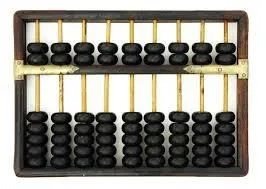
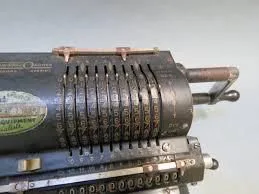
Explores the historical evolution of computing from the abacus to modern systems
Examines embedded computers and their applications in everyday devices
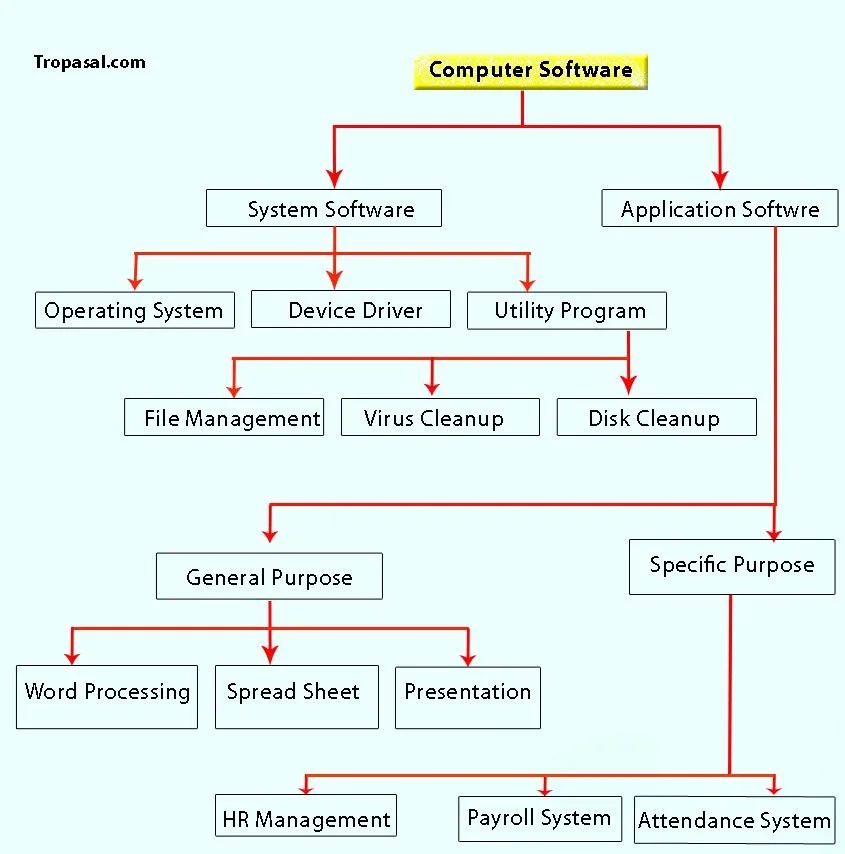
Discusses the classification of software and its role in managing computer systems
This link leads to an external site. We do not know or endorse its content, and are not responsible for its safety. Click the link to proceed only if you trust this site.
Business Proposal Presentation: Blue Modern DesignPresentation
PDFPresentation
Blue Modern Business Proposal Presentation 20260104 211018Presentation
PDFPresentation
Updated SERVM and RESOLVE Analysis Presentation – January 2024Presentation
PDFPresentation
PGE 101: Fundamental Concepts for Petroleum Reservoir Engineering Systems – Chapter 5Presentation
PDFPresentation
Structural Systems Composite Construction for Gravity and Lateral LoadingPresentation
PDFPresentation
Market Structure and CHOCH PresentationPresentation
PDFPresentation
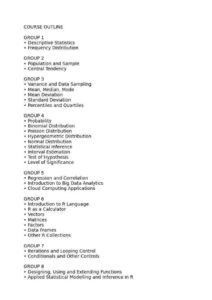
Variance Data Sampling and Statistical Analysis PresentationPresentation
PDFNotes
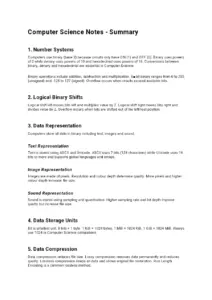
Computer Science Summary: Key Concepts and Data RepresentationNotes
PDFWorksheet
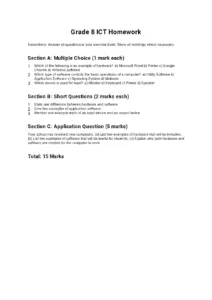
Grade 8 ICT Homework – Computer Hardware and SoftwareWorksheet
PDFPresentation
Présenter Un Projet De VoyagePresentation
PDFPresentation
History of Ethiopia and the Horn – Lecture Notes Chapters 1 and 2Presentation
PDFPresentation
Infrared Spectroscopy (IR) – Unit 5Presentation
FAQs
What are the four fundamental operations of computing?
The four fundamental operations of computing are input, processing, storage, and output. Input refers to the acceptance of raw data from users. Processing involves the CPU applying instructions to the received data to generate information. Storage is where data and programs are held, while output is the presentation of results to the user.
Who is known as the father of modern computing?
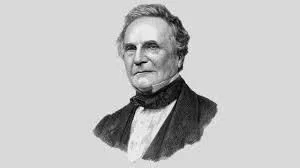
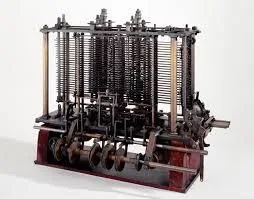
Charles Babbage is known as the father of modern computing. He conceived the Analytical Engine in the 1830s, which introduced automatic calculation and data storage via punched cards. His designs for the Difference and Analytical Engines set the blueprint for later computers, defining key concepts of input, processing, and storage that are still used in modern computing.
What characterizes the first generation of computers?
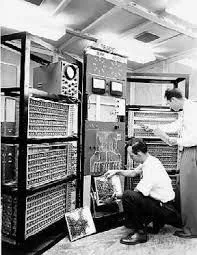
The first generation of computers, which lasted from 1940 to 1956, is characterized by the use of vacuum tubes for electronic switching. These machines were massive, often filling entire rooms, and were extremely expensive while generating immense heat. Notable examples from this era include ENIAC, UNIVAC, and IBM 701.
What advancements were made in the second generation of computers?
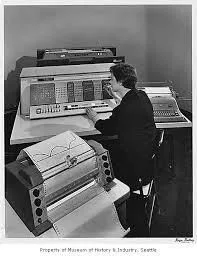
The second generation of computers, from 1956 to 1963, marked the solid-state revolution where vacuum tubes were replaced with transistors. This transition made computers smaller, faster, and more reliable compared to the first generation. Additionally, they consumed significantly less power and produced less heat, with examples including IBM 1401 and CDC 1604.
What are embedded computers and where are they found?
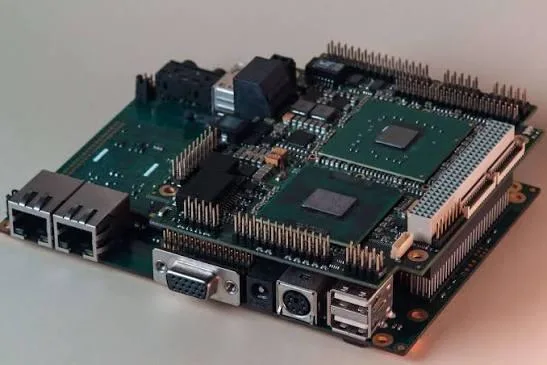
Embedded computers are small computers built into other machines or devices to perform specific tasks. Unlike general-purpose computers, they are designed for one main function. Embedded computers can be found in appliances, cars, ATMs, smart TVs, washing machines, traffic lights, and microwave ovens.
What is the role of the Central Processing Unit (CPU) in a computer system?
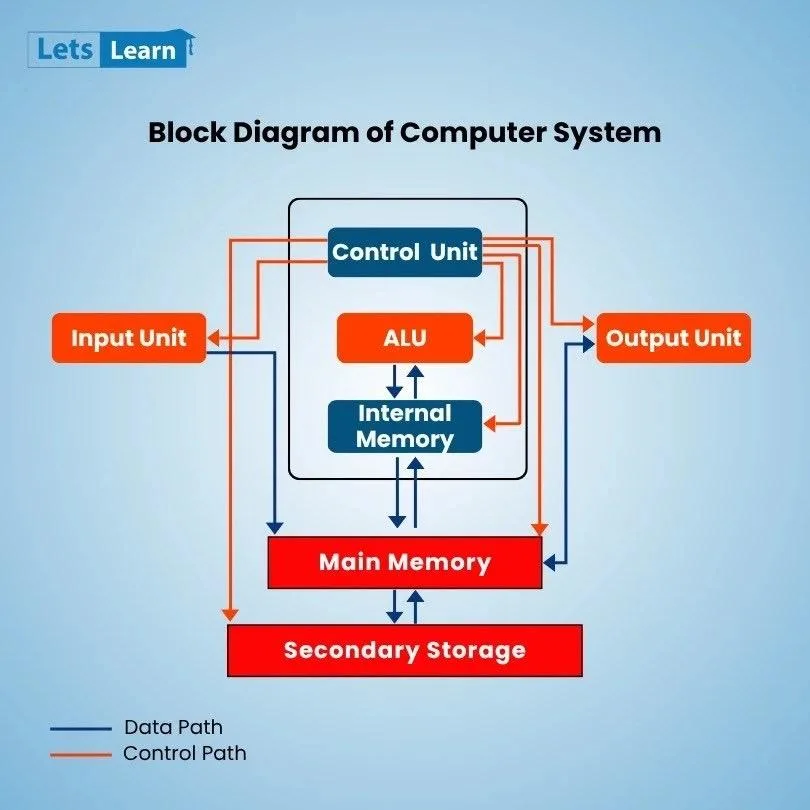
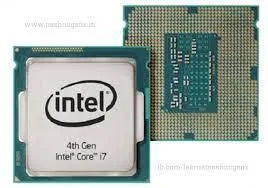
The Central Processing Unit (CPU) is considered the 'brain' of the computer, executing instructions, processing data, and controlling system operations. It consists of the Arithmetic Logic Unit (ALU), which performs arithmetic and logical operations, and the Control Unit (CU), which directs and coordinates all operations within the computer system.
How do system buses function in a computer system?
System buses are communication pathways that connect all components of a computer system, enabling data to flow between the CPU, memory, and I/O devices. The Data Bus transfers actual data and is bidirectional, allowing data to travel both ways. The Address Bus carries memory addresses to identify specific locations in memory, while the Control Bus carries control signals to coordinate operations across all components.






![Diagram ]](https://chesserresources.com/wp-content/uploads/pdf-figures/38370/cpe-321-presentation-on-computer-systems-and-hardware-figure-22-p26.webp "Diagram ]")