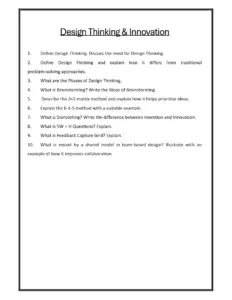
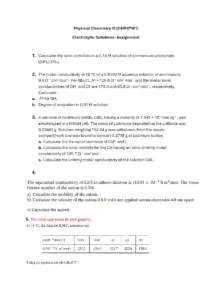
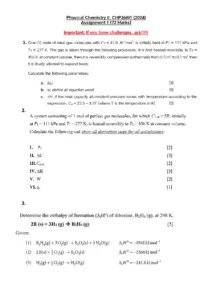
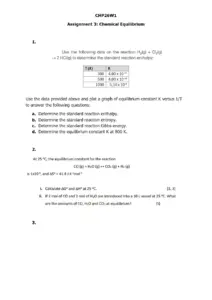
Design Thinking and Innovation Assignment explores the principles of design thinking, emphasizing its importance in problem-solving. It contrasts design thinking with traditional approaches, highlighting its iterative nature and user-centered focus. The assignment outlines the phases of design thinking, including empathy, definition, ideation, prototyping, and testing. It also covers brainstorming techniques and methods for prioritizing ideas, such as the 2×2 matrix and the 6-3-5 method. This resource is ideal for students and professionals seeking to enhance their innovation skills.
Key Points
- Defines design thinking and its significance in modern problem-solving.
- Explains the differences between design thinking and traditional approaches.
- Outlines the five phases of design thinking: empathy, definition, ideation, prototyping, and testing.
- Describes brainstorming techniques and their steps for effective idea generation.
- Introduces the 2×2 matrix method for prioritizing ideas based on impact and effort.
- Explains the 6-3-5 method for collaborative brainstorming with structured input.