This assignment focuses on calculating simple interest, covering various scenarios such as loan calculations and interest rates. It includes problems involving a 13% interest rate on a $15,000 loan for different time frames, utilizing both 360-day and 365-day year calculations. Students will also explore practical applications, such as managing checking account balances and early loan repayments. This resource is ideal for finance students and anyone looking to understand basic interest calculations.
Key Points
Calculates interest for a $15,000 loan at 13% for 90 days using both 360-day and 365-day year methods.
Explores practical scenarios like checking account interest and monthly fees.
Includes problems on early loan repayment and interest owed.
Offers step-by-step solutions for each assignment question.
This link leads to an external site. We do not know or endorse its content, and are not responsible for its safety. Click the link to proceed only if you trust this site.
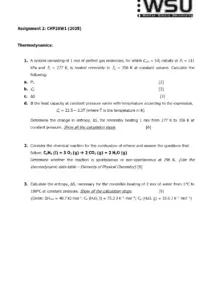
Entropy and Chemical Kinetics Assignment 2 – 2024Assignment
PDFAssignment
Physical Chemistry II Assignment 1 2024Assignment
PDFAssignment
Chemical Equilibrium Assignment 3 – 2025Assignment
PDFAssignment
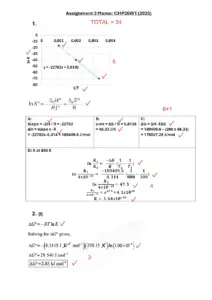
Chemistry Assignment 3 Memo 2025Assignment
PDFAssignment
Physical Chemistry Practice Problems and MemosAssignment
PDFAssignment
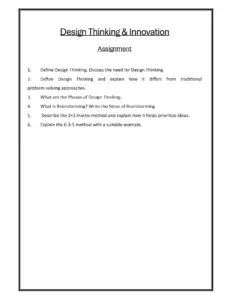
Design Thinking and Innovation AssignmentAssignment
PDFAssignment
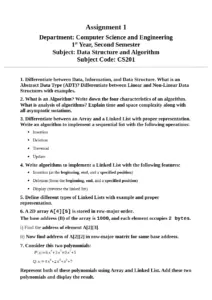
Data Structure and Algorithm Assignment – CS201Assignment
PDFPDFAssignment
LLF14 Assignment 2 Portfolio AAssignment
PDFAssignment
Real Estate Finance Home Assignment 1 Financial MathematicsAssignment
PDFTutorial
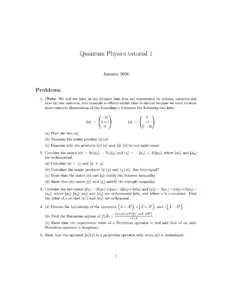
Quantum Physics Tutorial 1 – Problems and SolutionsTutorial
PDFSolution Manual
Real Estate Finance Home Assignment 3 Solutions ManualSolution Manual
FAQs
How is simple interest calculated for loans?
Simple interest is calculated using the formula I = PRT, where I is the interest, P is the principal amount, R is the rate of interest per year, and T is the time in years. For example, if you have a $15,000 loan at a 13% interest rate for 90 days, you would convert the time into years (90/360 or 90/365) and apply the formula to find the interest owed. This method is straightforward and commonly used in financial calculations.
What is the difference between using a 360-day year and a 365-day year in interest calculations?
Using a 360-day year simplifies calculations by assuming each month has 30 days, which can lead to slightly higher interest amounts compared to a 365-day year, which accounts for the actual number of days in a year. This difference can be significant for short-term loans, as it affects the total interest paid. Understanding this distinction is crucial for accurate financial planning and loan management.
How can I offset monthly charges on a checking account?
To offset a monthly charge, such as a $7 fee, you need to maintain an average daily balance that earns enough interest to cover the charge. If your account earns 3% interest annually, you can calculate the required balance by using the formula for monthly interest. This involves determining how much interest you need to earn in a month to equal $7, and then calculating the necessary average balance to achieve that interest.
What factors should I consider when paying off a loan early?
When considering early loan repayment, it's important to understand any prepayment penalties, the interest savings from paying off the loan early, and how it affects your credit score. Additionally, you should calculate the total interest you would save by paying off the loan early versus keeping the loan for its full term. This analysis helps in making informed financial decisions.