Negotiable Instruments: Definition and Characteristics
Negotiable Instruments encompass written documents that are transferable by delivery, including promissory notes, bills of exchange, and cheques. Defined under the Negotiable Instruments Act of 1881, these instruments entitle individuals to a sum of money and can be transferred through endorsement or mere delivery. This document explores the characteristics of negotiable instruments, including their types such as treasury bills, dividend warrants, and bearer debentures. It also delves into legal principles surrounding negotiable instruments, such as the rights of holders and the implications of crossing cheques. Ideal for law students and professionals seeking to understand the legal framework governing negotiable instruments, this resource provides comprehensive insights into their functions and protections.
Key Points
Defines negotiable instruments as promissory notes, bills of exchange, and cheques under the Negotiable Instruments Act of 1881.
Explains the characteristics and transferability of negotiable instruments, including endorsement and delivery.
Covers additional types of negotiable instruments such as treasury bills and dividend warrants.
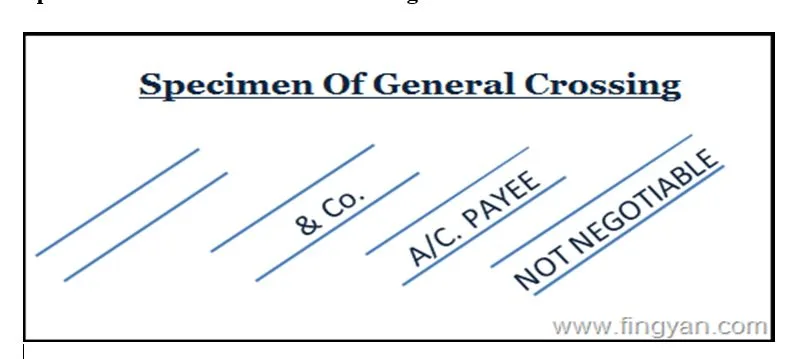
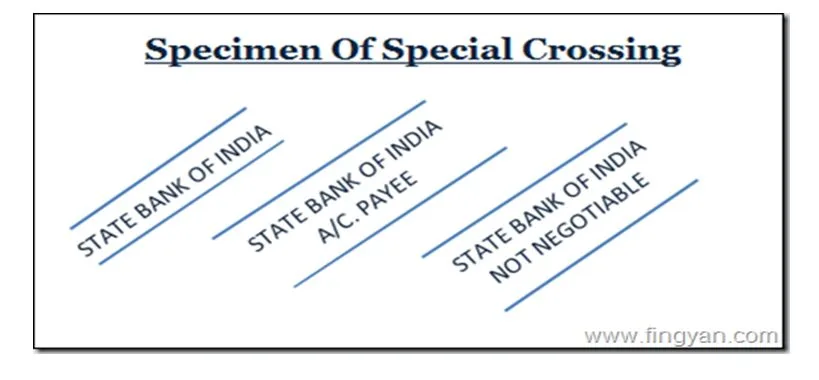
Discusses legal protections for collecting bankers and the implications of cheque crossing.
This link leads to an external site. We do not know or endorse its content, and are not responsible for its safety. Click the link to proceed only if you trust this site.
Aldehyde and Ketone: Properties, Preparation, and ReactionsLecture Notes
PDFLecture Notes
Sensation and Perception – Chapter 2Lecture Notes
PDFLecture Notes
Essence of Psychology – Chapter 1 OverviewLecture Notes
PDFLecture Notes
Filtering Techniques in Engineering MeasurementsLecture Notes
PDFLecture Notes
BIO 001 Notes on Systematics and EcologyLecture Notes
PDFLecture Notes
Geodinâmica Externa – Formação de Glaciares e HidrogeologiaLecture Notes
PDFLecture Notes
Digital Electronics: Complements and Binary ArithmeticLecture Notes
PDFLecture Notes
Cours Energie Geothermique – Génie Électrique 3ème AnnéeLecture Notes
PDFLecture Notes
CHE26M1 Organic Chemistry II Handbook 2026Lecture Notes
PDFLecture Notes
Metallic Bonding – Chapter 9Lecture Notes
FAQs
What is a negotiable instrument according to the document?
A negotiable instrument is defined as a written document that is transferable by delivery. According to Section 13(1) of the Negotiable Instruments Act of 1881, it includes a Promissory Note, Bill of Exchange, or Cheque that is payable either to order or bearer. This instrument entitles a person to a sum of money and can be transferred from one person to another by mere delivery or by endorsement and delivery.
What are the three main types of negotiable instruments?
The three main types of negotiable instruments identified in the document are Promissory Notes, Bills of Exchange, and Cheques. Each of these instruments serves a specific purpose in financial transactions, allowing for the transfer of money and obligations between parties.
What are the essential characteristics of a negotiable instrument?
The essential characteristics of a negotiable instrument include being freely transferable, not requiring notice of transfer, conferring good title to the transferee, and allowing the holder to sue in their own name. Additionally, a holder expects prompt payment, and the instrument can be transferred multiple times until its maturity.
What is a promissory note as defined in the document?
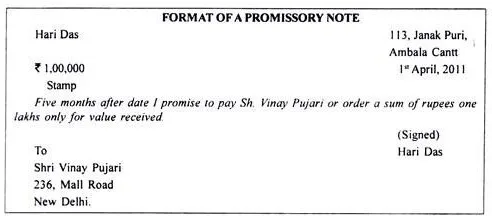
According to Section 4 of the Negotiable Instruments Act of 1881, a promissory note is an instrument in writing that contains an unconditional undertaking signed by the maker to pay a certain sum of money to a specified person or bearer. It must be in writing, duly stamped, and signed by the debtor, who is referred to as the maker.
What parties are involved in a promissory note?
The parties involved in a promissory note include the maker, who promises to pay; the payee, to whom the amount is payable; the holder, who possesses the instrument; the endorser, who endorses the note; and the endorsee, to whom the note is endorsed. Each party has specific roles and rights regarding the instrument.
What distinguishes a bill of exchange from a promissory note?
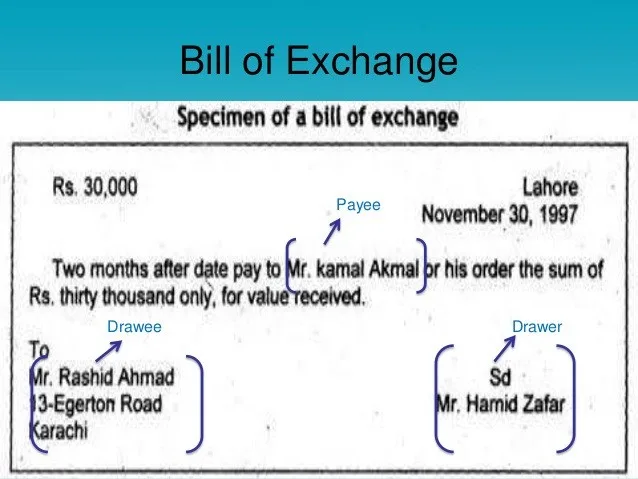
A bill of exchange, as defined in Section 5 of the Negotiable Instruments Act, is an instrument that contains an unconditional order, signed by the drawer, directing a certain person to pay a specified sum of money to another party. Unlike a promissory note, which is a promise to pay, a bill of exchange is an order to pay, involving three parties: the drawer, the drawee, and the payee.
What are the essential requirements of a cheque?
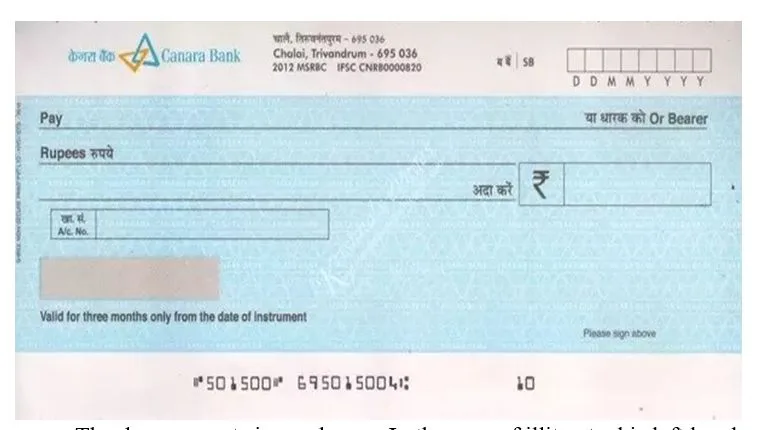
The essential requirements of a cheque include being in writing, containing an unconditional order, specifying a certain sum of money, and being signed by the drawer. Additionally, the payee must be certain, the cheque must bear a date, and it must be drawn on a specified banker, making it payable on demand.