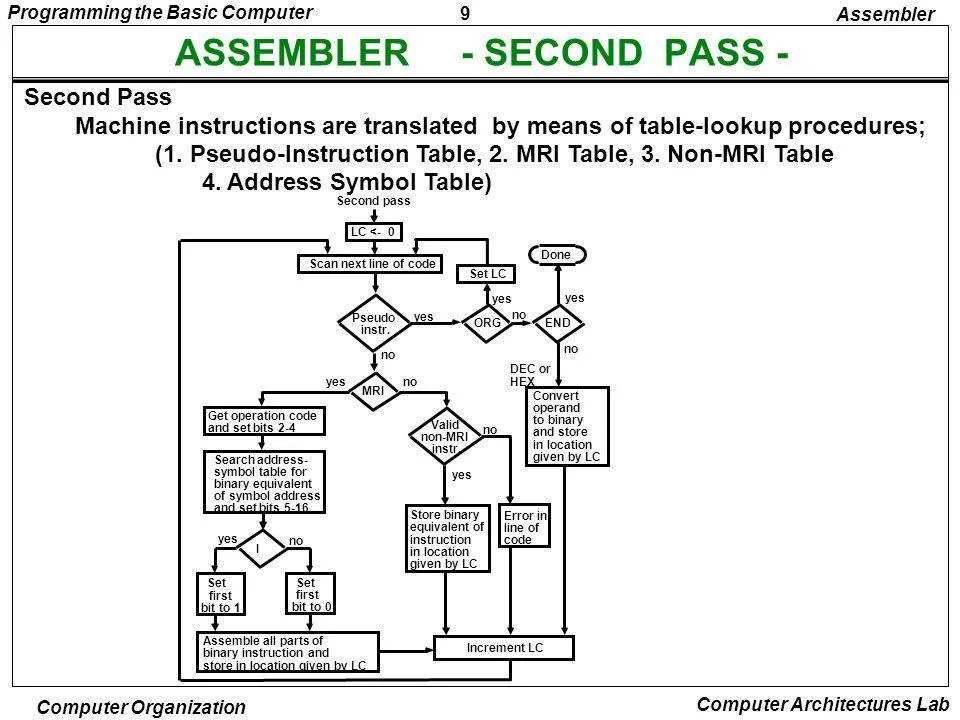
Computer architecture focuses on the design and organization of computer systems, including the structure and behavior of CPUs, memory, and input/output devices. This guide explains key concepts such as multiplexers, arithmetic micro-operations, and control functions essential for understanding how computers process data. It is suitable for students and professionals seeking to deepen their knowledge of computer systems and their functionalities. The content covers various topics, including the operation of multiplexers, the role of the Arithmetic Logic Unit (ALU), and sample programs demonstrating basic computer operations.
Key Points
Explains the function and characteristics of multiplexers in computer architecture.
Describes arithmetic micro-operations and their significance in CPU operations.
Details the control functions used in managing arithmetic processes.
Includes sample programs illustrating basic computer instructions and execution.
This link leads to an external site. We do not know or endorse its content, and are not responsible for its safety. Click the link to proceed only if you trust this site.
Introduction to Petroleum and Gas Industry – Chapter 7Lecture Notes
PDFLecture Notes
PGE 101 Introduction to Petroleum and Gas Industry – Chapter 3Lecture Notes
PDFLecture Notes
Data Communication and Computer Networks – Unit 5.1Lecture Notes
PDFLecture Notes
CPE 314 Lesson 4: Introduction to JavaScriptLecture Notes
PDF
Introduction To Computer Science WEB
PDFTextbook
Introductory Computer Science – Chapter One: Introduction and History of ComputersTextbook
PDFTextbook
Introduction to Information Technology – Unit 1: Introduction To ComputerTextbook
PDFResearch Paper
Pipelining in Computer Organization and ArchitectureResearch Paper
PDF
Introduction to Computer Fundamentals Unit 1
PDFLecture Notes
Aldehyde and Ketone: Properties, Preparation, and ReactionsLecture Notes
PDFLecture Notes
Sensation and Perception – Chapter 2Lecture Notes
PDFLecture Notes
Essence of Psychology – Chapter 1 OverviewLecture Notes
FAQs
What is a multiplexer and how does it work?
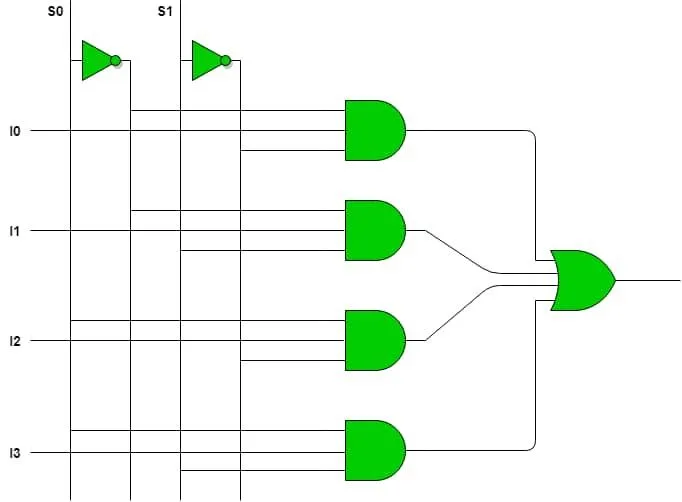
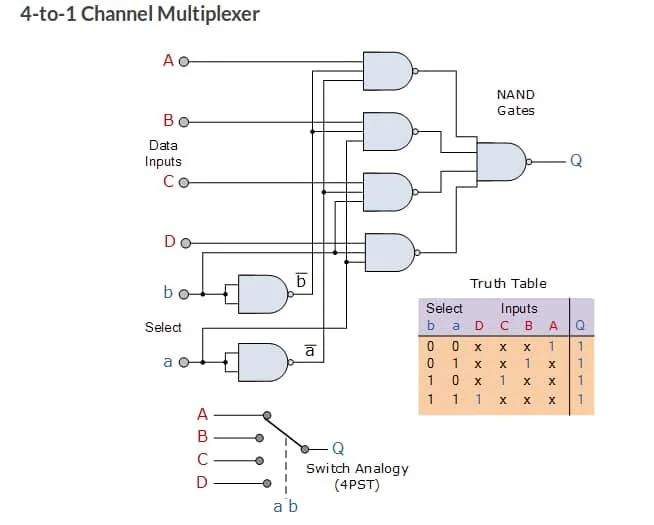
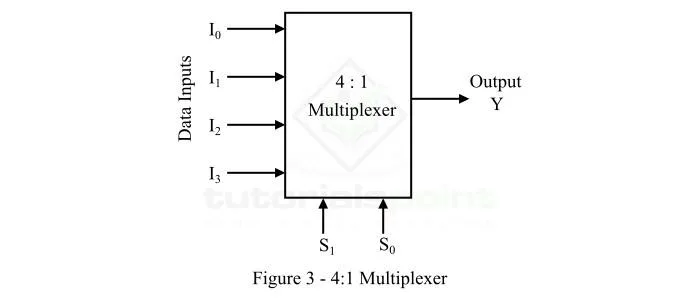
A multiplexer, or mux, is a combinational logic circuit that selects one of several input signals and forwards it to a single output line. It operates by using select lines to determine which input is connected to the output. For example, in a 4:1 multiplexer, two select lines (s1, s0) can connect one of four inputs (i0, i1, i2, i3) to the output based on the binary value represented by the select lines.
What are the key characteristics of a multiplexer?
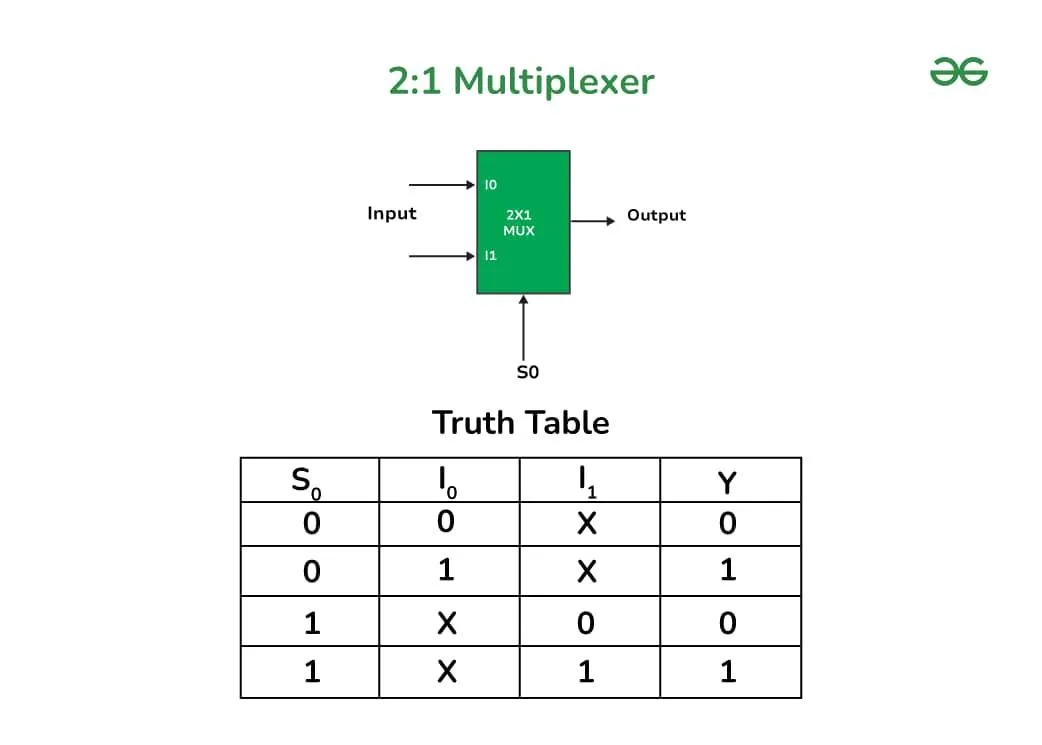
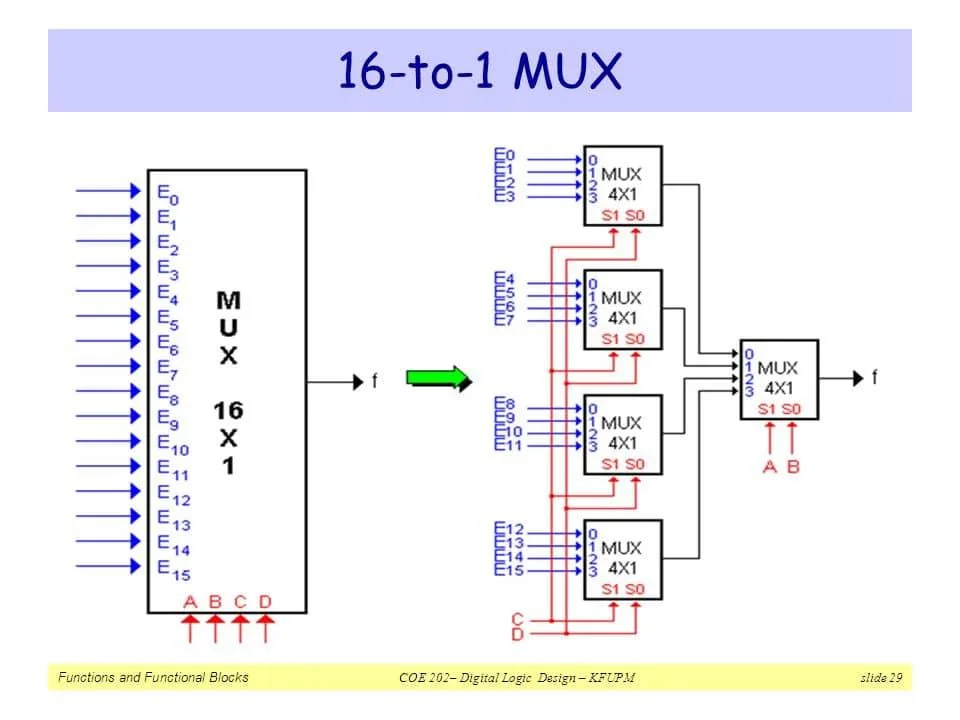
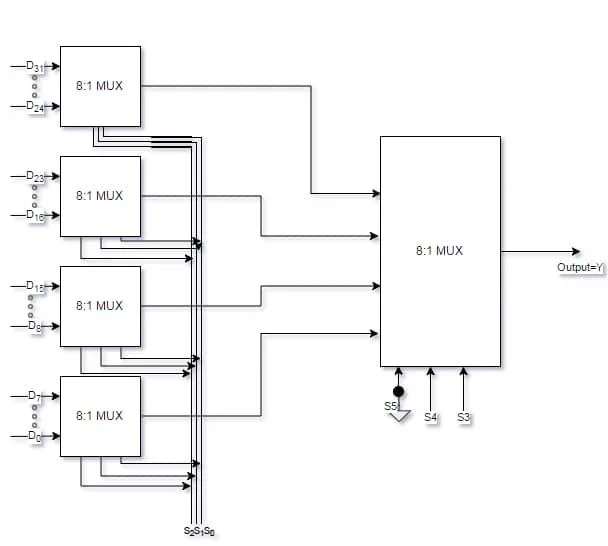
The key characteristics of a multiplexer include having 2^n input lines, 1 output line, and n select lines. The select lines control which input is connected to the output. For instance, a 4:1 multiplexer has 4 input lines and 2 select lines, which can be used to select one of the inputs to be sent to the output.
What are common applications of multiplexers?
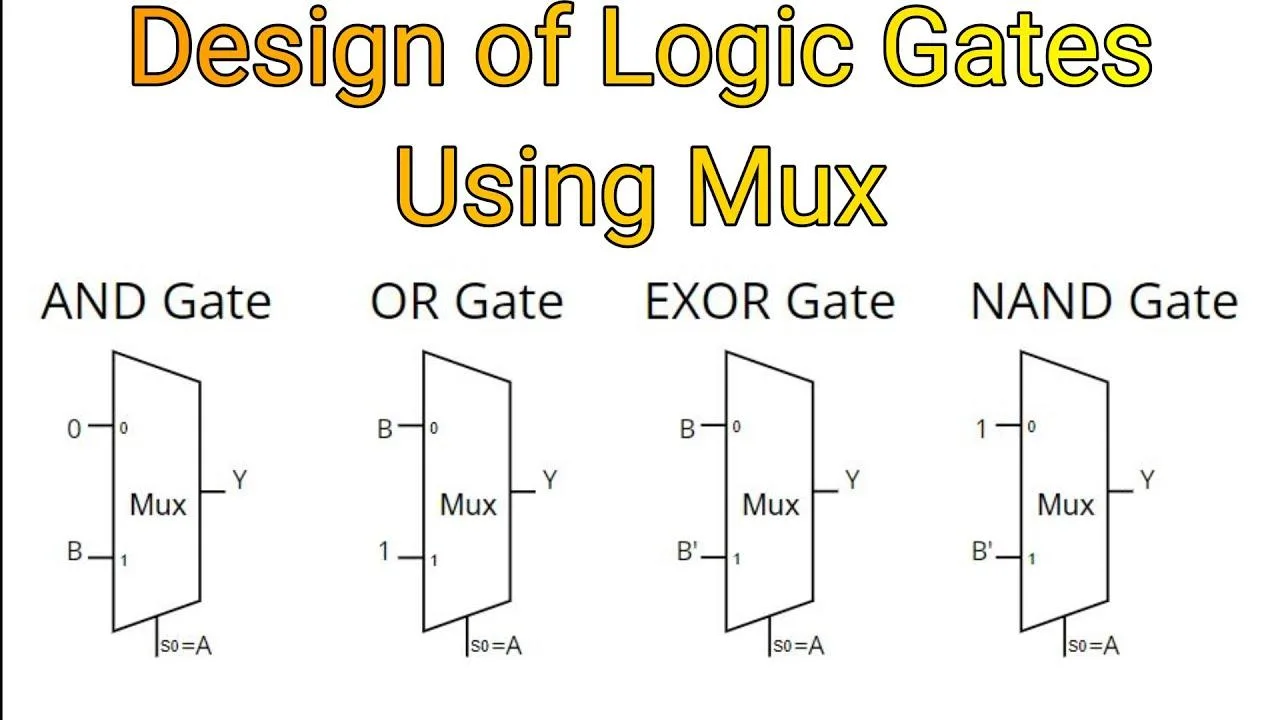
Multiplexers have several important applications, including data routing between multiple data sources, parallel-to-serial conversion for transmitting multiple bits over a single line, and implementing any Boolean function. They are also used in communication systems for time-division multiplexing, in computer memory for address selection in RAM, and in ALU operations to select between different operations.
What is the von Neumann architecture?
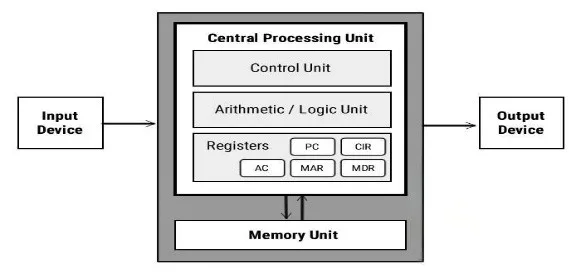
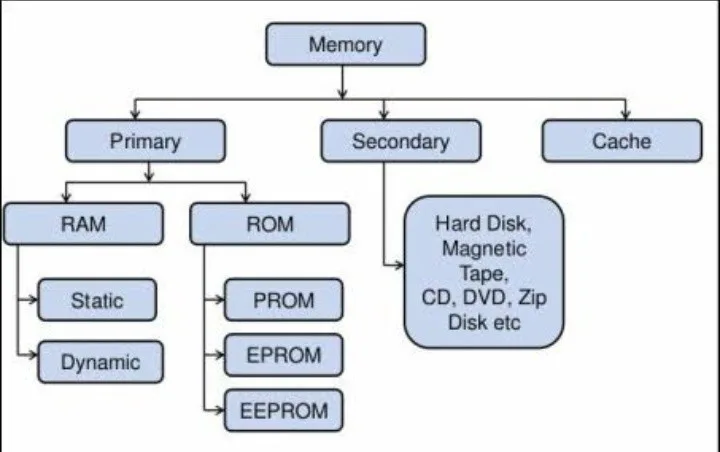
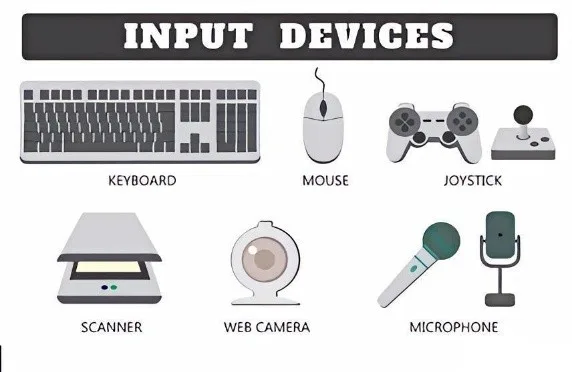
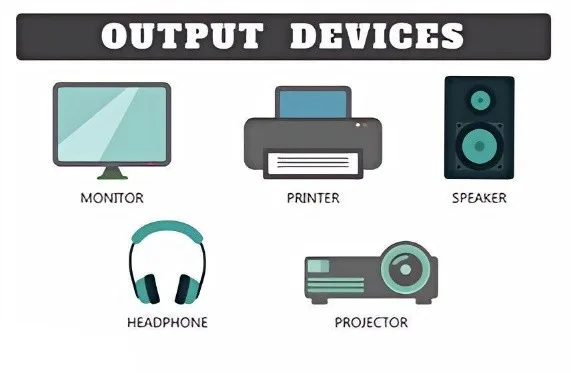
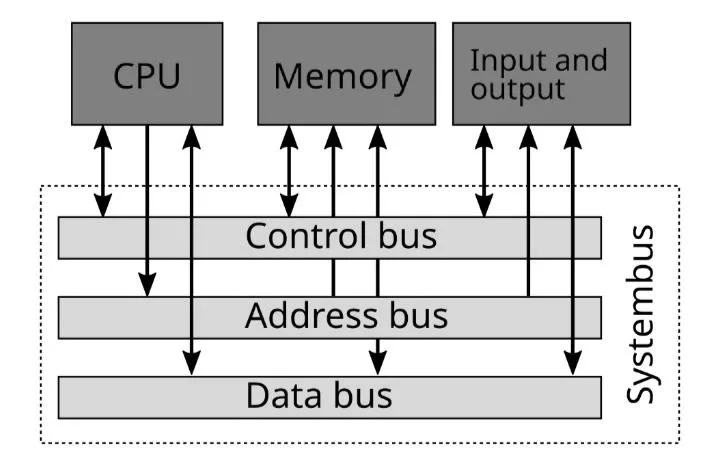
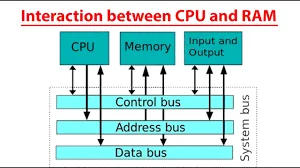
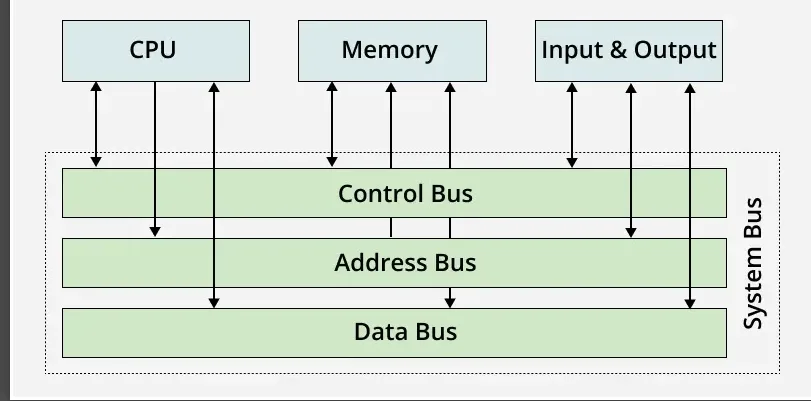
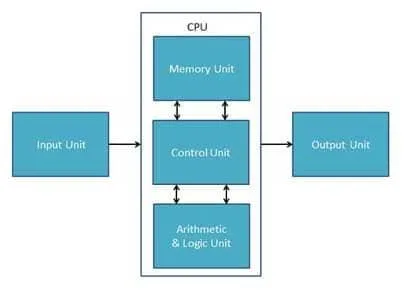
The von Neumann architecture is a classic model for computer architecture that outlines five main functional components: the Central Processing Unit (CPU), memory unit, input unit, output unit, and system bus. This architecture describes how these components are interconnected and interact to execute instructions from software.
What are the differences between von Neumann and Harvard architecture?
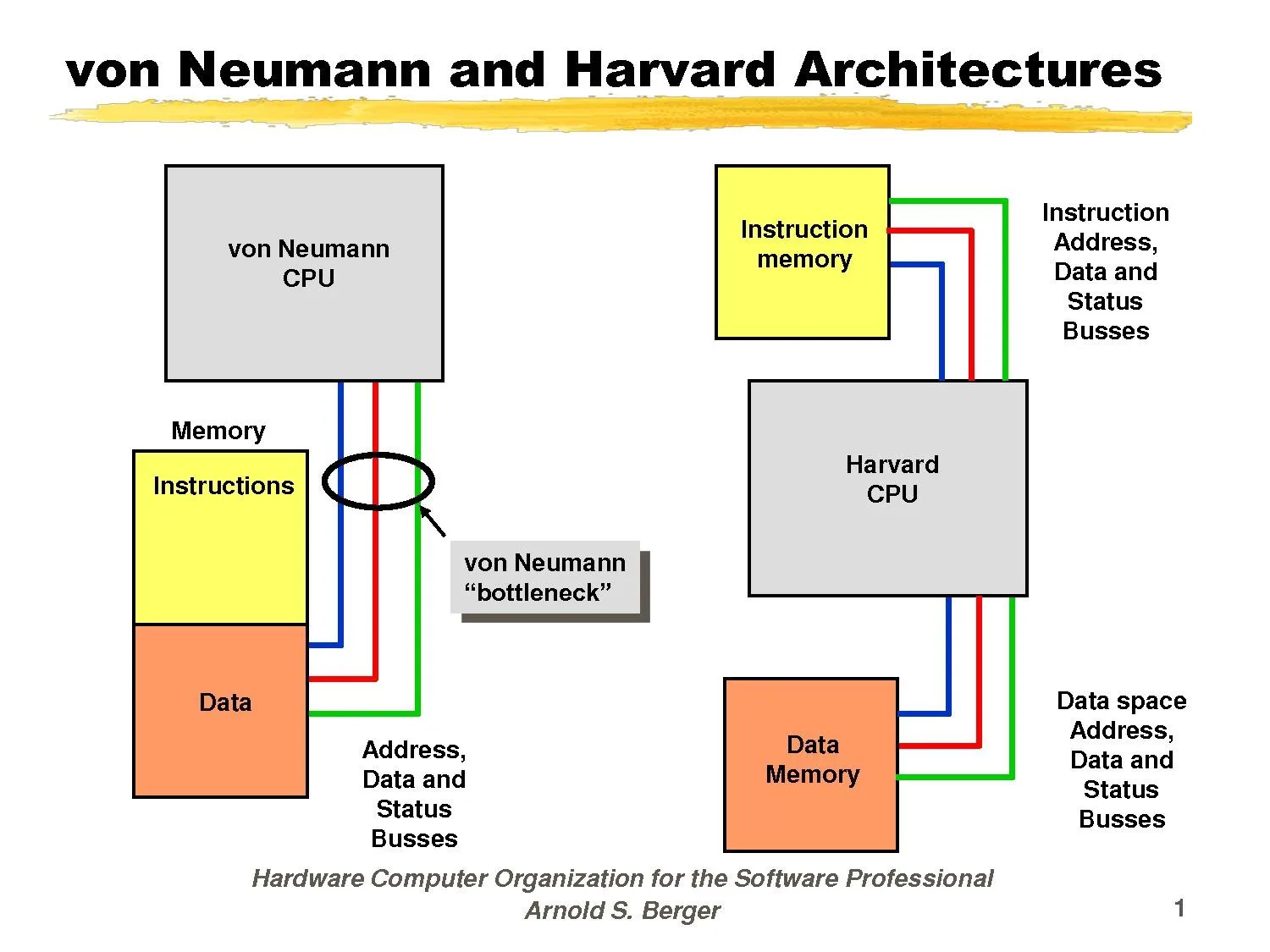
The von Neumann architecture features a unified memory structure that stores both instructions and data in the same memory unit, while the Harvard architecture has separate memory blocks for instructions and data. Von Neumann uses a shared bus for transferring data and instructions, which can lead to slower execution, whereas Harvard architecture supports pipelining, allowing simultaneous access to program and data memory, resulting in higher efficiency.
What are the core components of a CPU in the von Neumann model?
The CPU in the von Neumann model consists of three main parts: the Arithmetic Logic Unit (ALU), which performs arithmetic and logical operations; the Control Unit (CU), which directs and coordinates operations within the computer; and registers, which are small, high-speed storage locations used to temporarily hold data and instructions needed for current operations.
What is the function of a shift register?
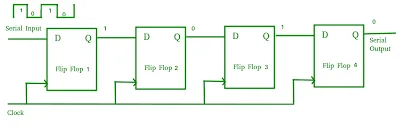
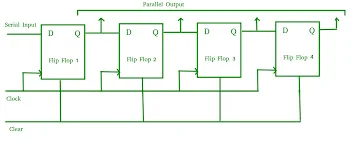
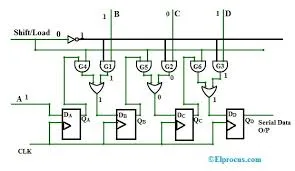
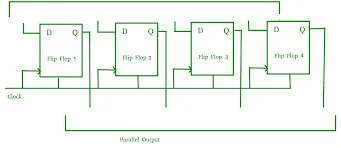
A shift register is a cascade of flip-flops used to store and transfer digital data sequentially. Its core function is to store data and shift it one position to the left or right upon receiving a clock pulse. Shift registers can be classified based on how data is input and output, with applications including data conversion and temporary storage.